


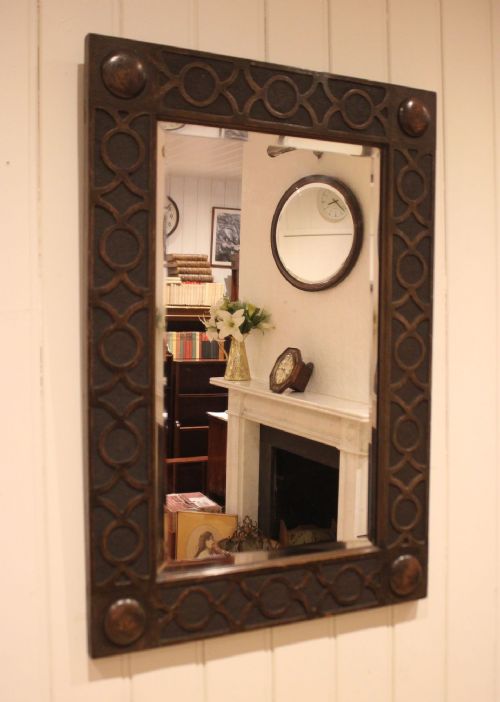


Dark Oak Framed Art
Dark oak framed art brings together heavy timber mouldings and period pictures from the nineteenth and early twentieth centuries to anchor a room.
Dark Oak Framed Art
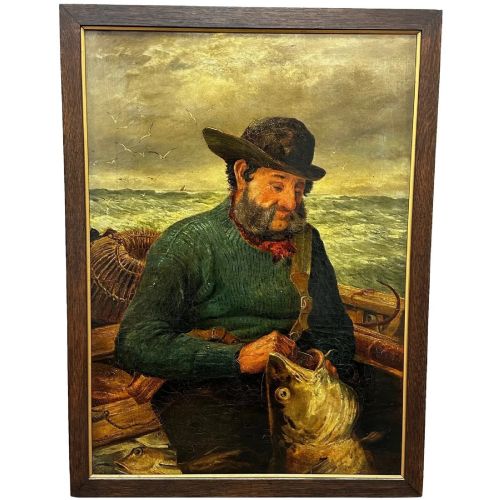
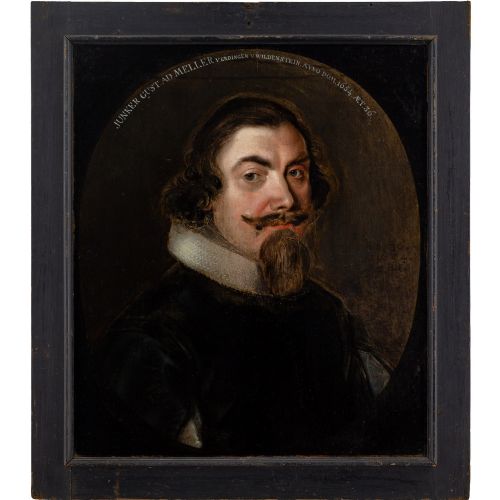
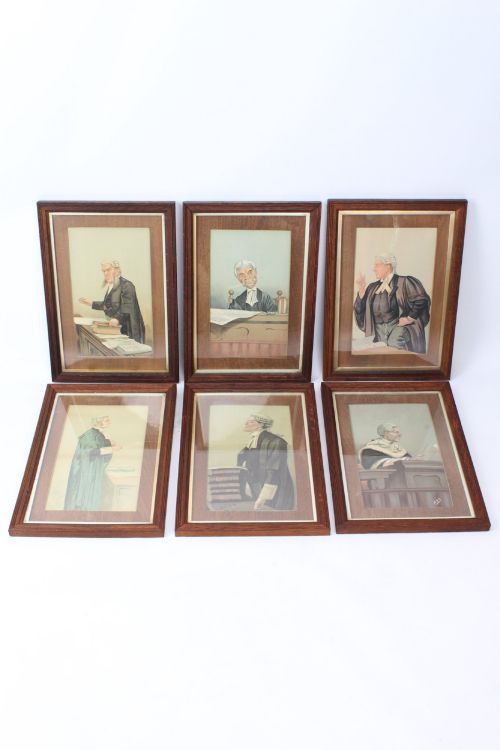
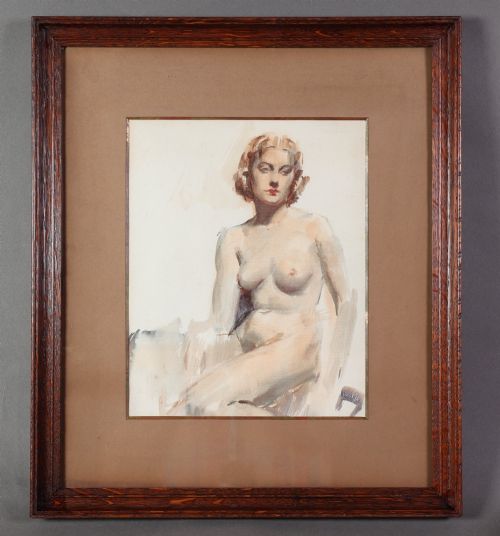
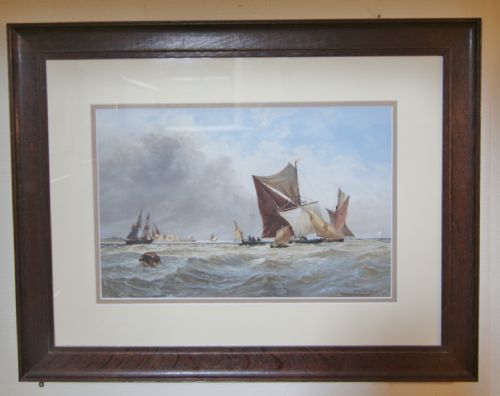
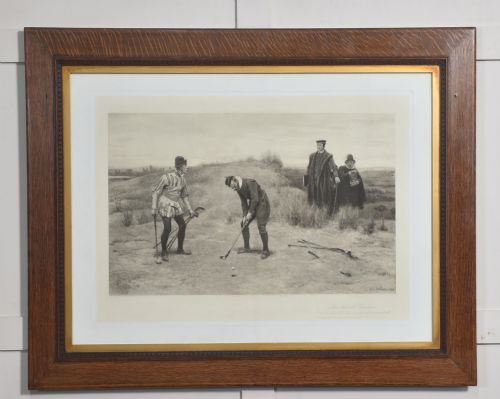
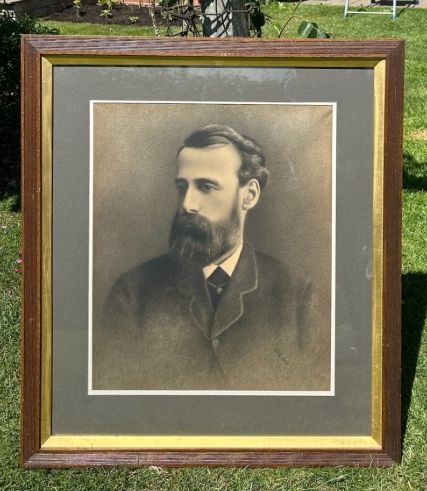
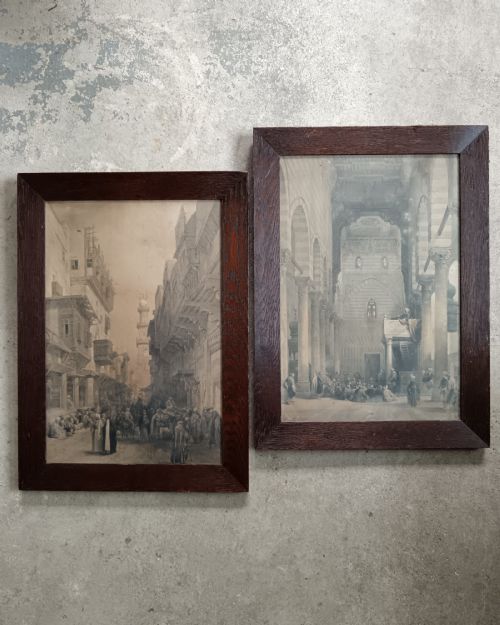
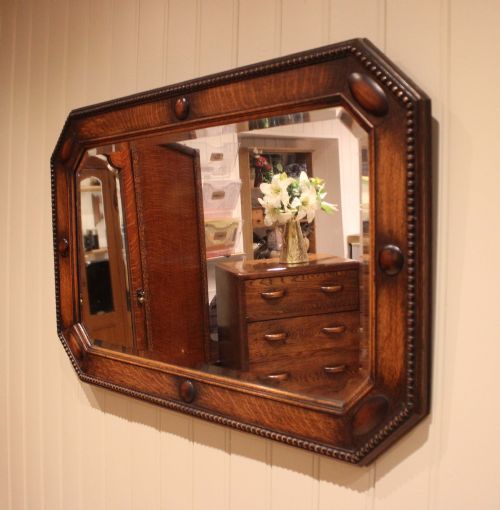
Dark oak framed art encompasses oil paintings, watercolours, charcoal drawings, engravings, lithographs, and photographs enclosed in timber surrounds dating from the Victorian, Edwardian, and Art Deco eras. Buyers searching for dark oak framed art typically encounter wall mirrors, marine scenes, portraits, and botanical prints housed in robust wooden profiles that reflect period taste.
The objects span centuries of domestic display, originating from British, Dutch, and German schools as well as named artists and engravers. Frames range from plain moulded strips to carved Arts and Crafts designs, reflecting the specific workshop traditions of their period of production.
How they were made
Makers constructed the surrounds using solid oak, often applying dark stains, waxes, or shellac finishes to deepen the grain of the timber. Glass protected works on paper such as engravings and charcoal drawings, while oil paintings remained exposed on canvas or oak panels.
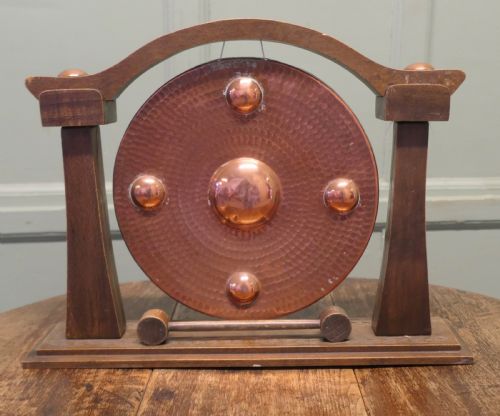
Joinery techniques relied on corner mitres, lap joints, and applied carved mouldings, sometimes incorporating brass accents, copper panels, or gilt highlights to complement the dark wood.
Dark Oak Framed Art Retail Price Guide 2026
Typical asking prices for dark oak framed art among the pieces listed under this phrase on Sellingantiques today, from the lower quarter to the upper quarter. They describe what is for sale here now, not the wider market.
Object forms include wall mirrors, oil paintings, engravings, watercolours, and charcoal drawings set within timber frames.
What varies in quality
The standard of carving and joinery separates mass-produced surrounds from bespoke Arts and Crafts or Art Nouveau pieces with hand-chisselled detail. The preservation of the original surface finish, whether waxed oak or historic gilt, determines the integrity of the piece.
The artistic merit of the enclosed work, from signed marine oils by listed painters to contemporary engravings, dictates the overall significance of the item.
Richard Harry Carter·William Bird MD FLS·TB Hardy·David Roberts RA·Louis Haghe·George Lance·Charles Johnson Payne Snaffles·Walter Herbert Wheeler
The Dark Oak Framed Art Glossary
- Engraving
- A printmaking technique where an image is incised into a metal plate using a sharp tool. Impressions are then transferred onto paper under high pressure.
- Lithograph
- A planographic printing process based on the repulsion of oil and water on a limestone slab or metal plate. It allows for detailed tonal gradations.
- Panel painting
- An artwork executed on a flat piece of wood, frequently oak, rather than canvas. This method was common in Northern European traditions.
- Arts and Crafts
- A design movement valuing handcraftsmanship, traditional materials, and simple forms over industrial mass production. It emerged in the late nineteenth century.
Dark Oak Framed Art: Frequently Asked Questions
How do I hang heavy oak frames?
Heavy timber frames require robust picture hooks secured directly into wall studs or masonry using appropriate fixings. Steel wire or heavy-duty D-rings fitted to the back of the oak frame provide stable support for the weight.
Position the art at eye level to balance the visual weight of the dark wood against surrounding furnishings without straining wall plaster.
Can I polish the oak frames?
Maintaining dark oak frames involves applying a microcrystalline wax sparingly with a soft cloth to nourish the dry timber. Avoid modern liquid polishes containing silicones, which build up a residue and attract dust over time.
Gentle buffing brings up a natural sheen while preserving the historic patina accumulated across the centuries.
How do I date an oak frame?
Dating relies on observing construction details such as hand-cut mitres, screw types, backing boards, and the specific moulding profiles typical of Victorian or Edwardian joinery. Stylistic indicators like carved plant motifs suggest an Arts and Crafts origin.
Comparing the framing technique to the age of the enclosed artwork helps confirm whether the pairing is original to the period.
Where should I place dark oak art?
These pieces suit rooms with traditional proportions, libraries, hallways, or spaces featuring exposed brick and neutral walls that contrast with the dark wood. Keep frames away from direct sunlight and heat sources to prevent the timber from warping and the paper or canvas from fading.
Pairing a dark oak mirror or painting with other period wood elements creates a balanced interior scheme.