




Dark Oak Carved Fragment
These pieces of dark oak carved fragment bring centuries of history into a room through rich timber and historic craftsmanship.
Dark Oak Carved Fragment
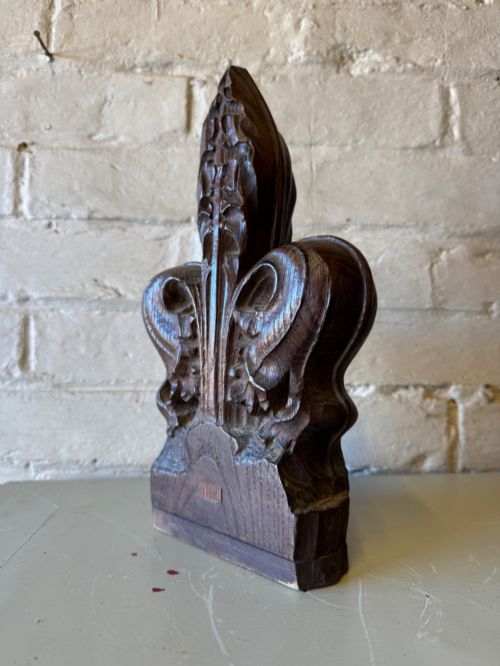
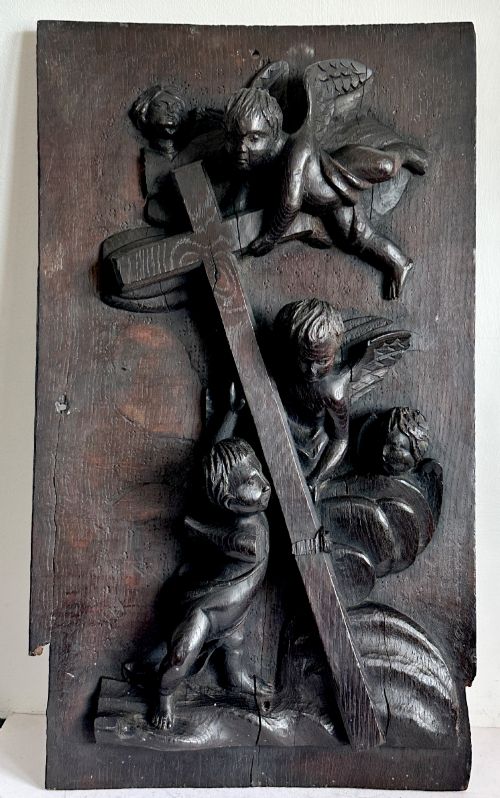
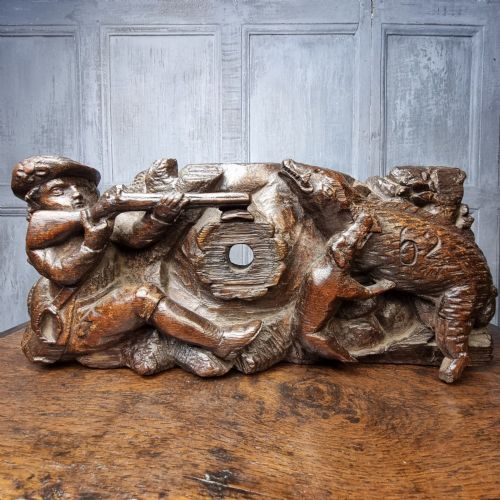
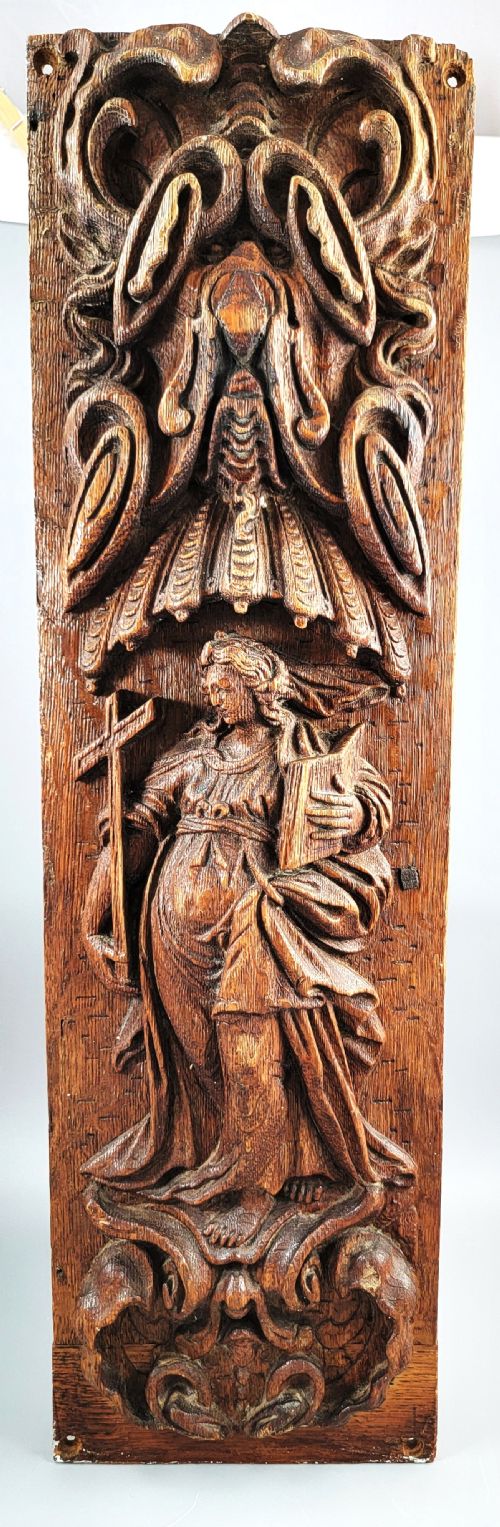
A dark oak carved fragment represents a small survival from a larger historic structure, church interior or piece of furniture. When you search for this phrase, you find architectural salvage, wall panels and relief sculptures shaped by hand centuries ago.
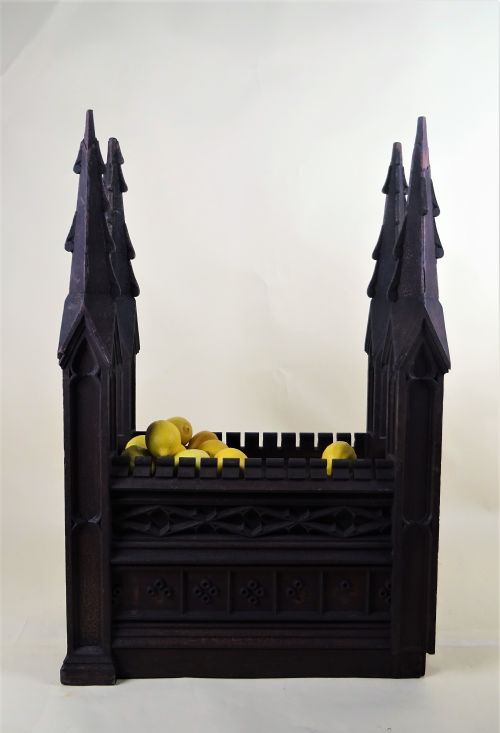
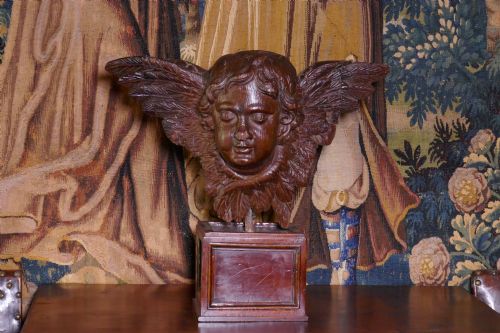
The versions most commonly met on this page span the sixteenth and seventeenth centuries, alongside later nineteenth-century revivals. They take the form of panels, friezes, finials and architectural elements carved from dense, dark timber.
How they were made
These items were shaped from solid oak using hand chisels and gouges, relying on the natural strength and tight grain of the timber to hold crisp detail over centuries. Tool marks left on the reverse and edges reveal the direct work of early carpenters and carvers.
Surfaces often show centuries of dry wax, natural darkening and oxidation that deepen the tone of the wood. Iron fixings or remnants of original peg joining occasionally survive within the structure of the fragments.
Materials across the selection are predominantly dark oak and walnut, occasionally accompanied by iron architectural elements.
What varies in quality
Quality rests entirely in the depth and confidence of the carving, where fluid drapery, expressive faces and sharp undercut details separate masterwork panels from simpler rural work. The preservation of the original surface texture without excessive modern cleaning dictates the desirability of a piece.
Proportion and composition also define the better examples, ensuring that the remaining fragment retains a complete visual balance despite its incomplete state.
The Dark Oak Carved Fragment Glossary
- Architectural fragment
- A surviving portion of a building, monument or large furnishing removed from its original context. These pieces retain their structural or decorative function on a smaller scale.
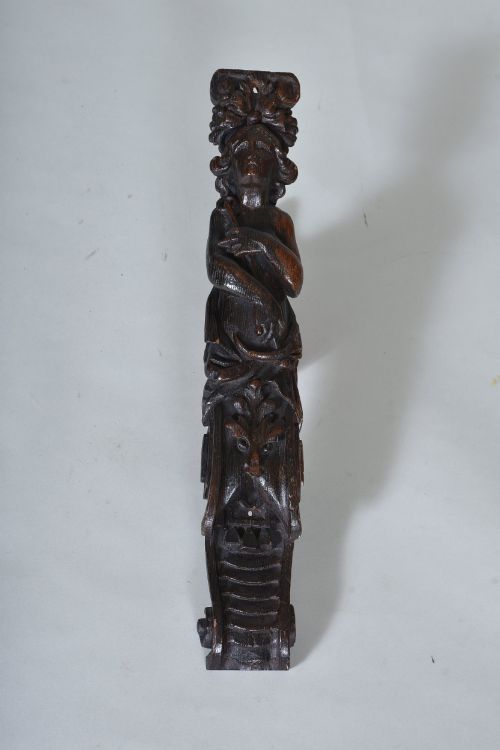
- Caryatid
- A sculpted female figure serving as an architectural support taking the place of a column or pilaster. They often appear on seventeenth-century panels and furniture mounts.
- Tracery
- Openwork stonework or woodwork elements forming decorative patterns in gothic windows and screens. In wood, these take the form of delicate piercing and geometric arcs.
- Poppy head
- An ornament used to cap the ends of church pews and bench ends, typically carved with foliage, figures or grotesque heads. Early examples display robust hand shaping in dense oak.
- Frieze
- A wide central section of a classical entablature, often decorated with carvings, reliefs or inscriptions. In domestic interiors, wooden friezes run below the cornice of a room or across large cupboards.
Dark Oak Carved Fragment: Frequently Asked Questions
What is a carved fragment?
A carved fragment is a surviving piece of a larger architectural scheme, church interior or historic furnishing. These remnants preserve the sculptural detail of earlier centuries in a portable form.
They allow collectors to own authentic historic woodwork without requiring the space of an entire panelled room or fitted structure.
How were these fragments used?
Historic fragments originated as parts of church rood screens, choir stalls, wall panelling or exterior framing. Over time, as buildings were altered or demolished, these decorative portions were salvaged.
Today they are displayed mounted on stands, hung directly on walls or integrated into architectural interiors as focal points.
How do I date an oak carving?
Dating relies on stylistic clues, tool marks and the condition of the timber. Sixteenth and seventeenth-century pieces display different relief depths and ornament styles compared to nineteenth-century Gothic revival interpretations.
Examining the back and sides of the wood reveals how the piece was originally cut and joined.
How do I care for dark oak?
Dark oak requires a stable environment away from direct heat sources and sudden humidity changes. An occasional application of a traditional beeswax helps nourish the historic timber.
Avoid modern liquid polishes or aggressive cleaners that can strip the dry, oxidized surface built up over hundreds of years.