
Gothic Revival Timber Carving
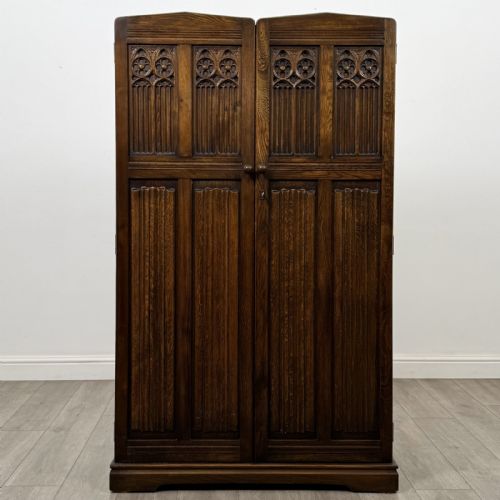
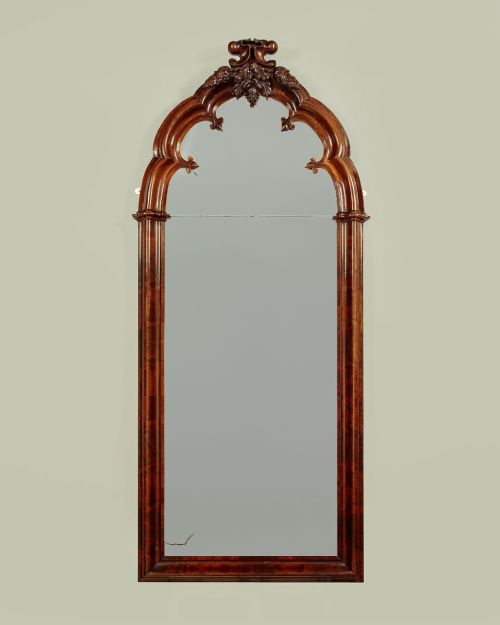
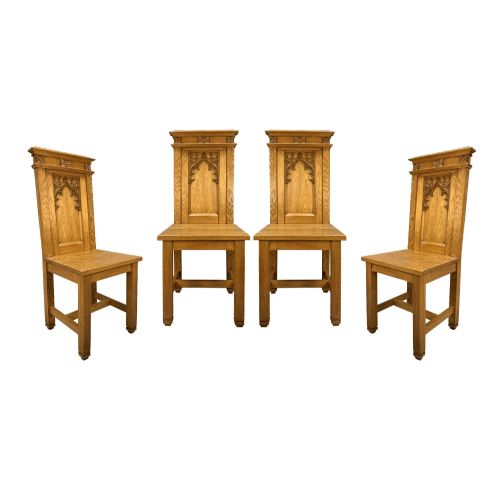
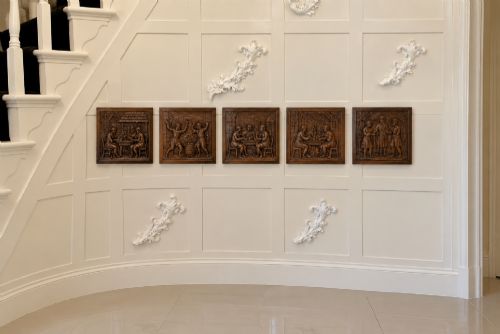
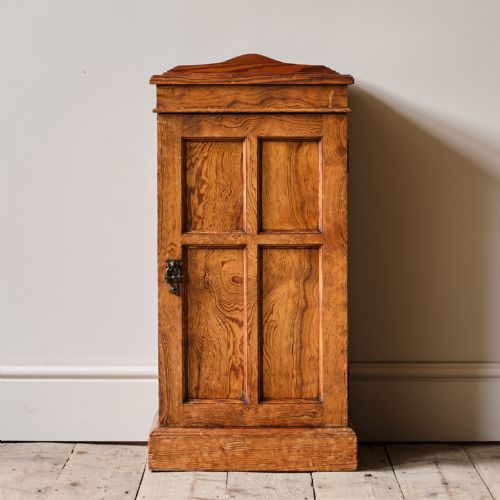
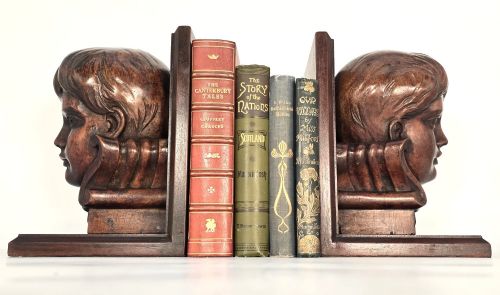
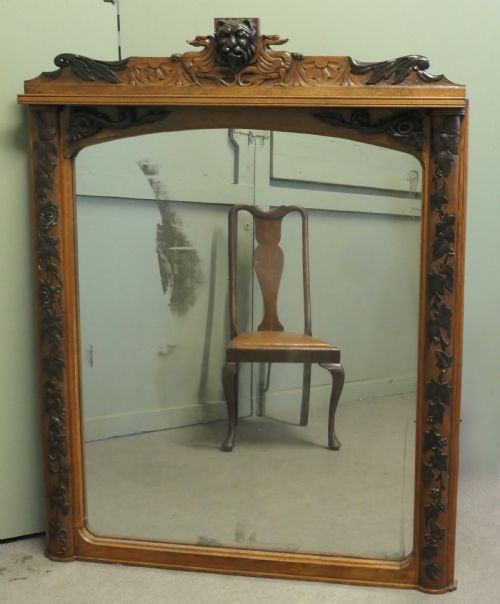
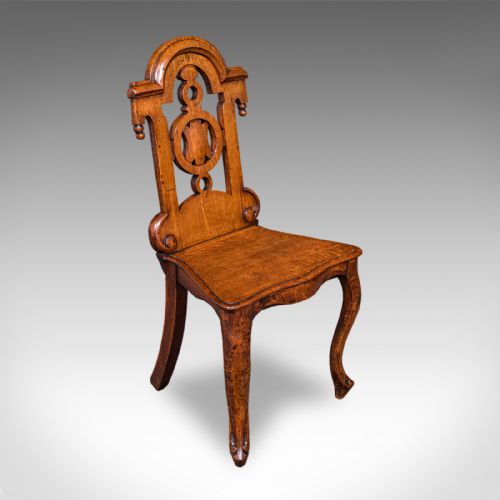
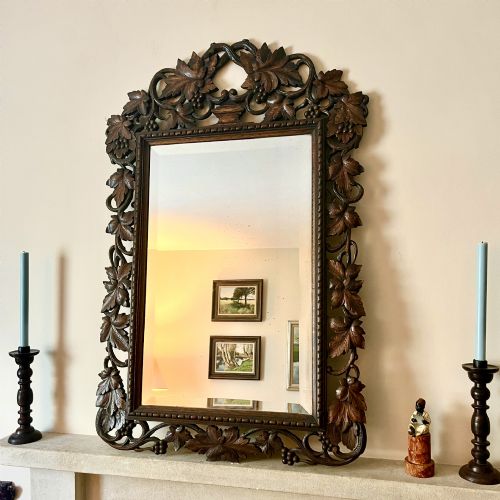
These pieces of gothic revival timber carving bring medieval architectural forms and ecclesiastical motifs into domestic interiors through hand-chiselled oak, pine and mahogany.
Gothic Revival Timber Carving
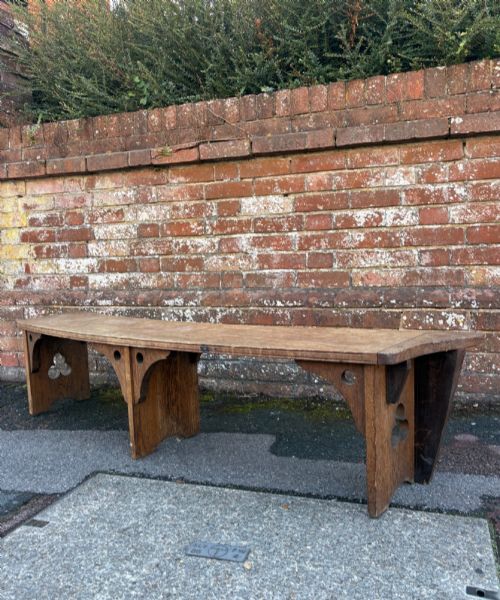
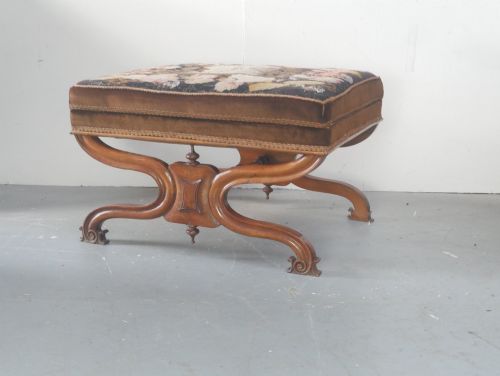
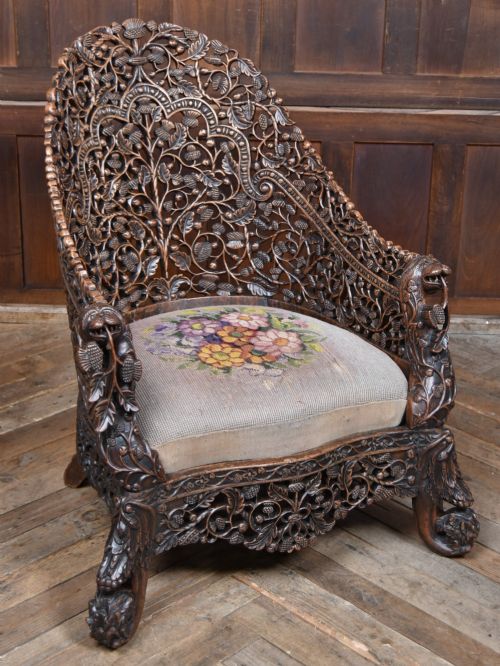
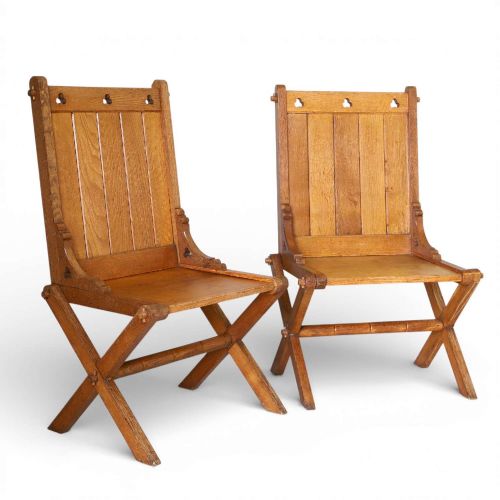
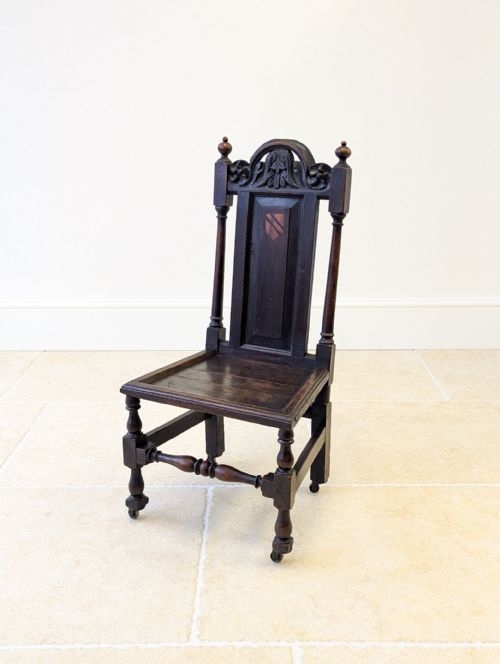
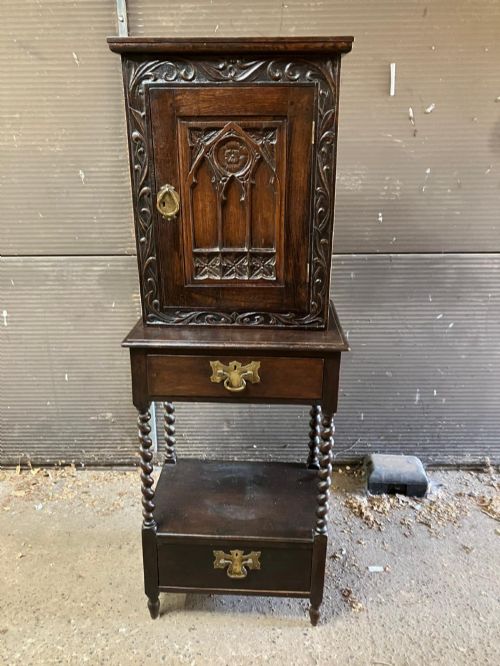
When searching for gothic revival timber carving, a buyer encounters architectural elements and furniture produced primarily across the nineteenth century, drawing inspiration from medieval design principles. The pieces span functional furniture such as hall chairs, benches and wardrobes alongside decorative panels, mirrors and architectural salvage.
Oak remains the predominant timber across the selection, complemented by walnut, mahogany, pine and fruitwood. Items frequently exhibit specific historical revivals, including Flemish and Jacobean influences, alongside the distinct aesthetic of the Arts and Crafts movement.
Methods and Materials
Makers utilised solid domestic and imported timbers, predominantly English and European oak, worked with chisels, gouges and hand-planes to achieve deep relief ornamentation. Architectural salvaged fragments and custom-built furnishings display mortise and tenon joinery alongside pegged frames.
Surface finishes rely upon traditional waxes and polishes applied directly to the timber, while occasional items incorporate painted or limed treatments to highlight the carved contours.
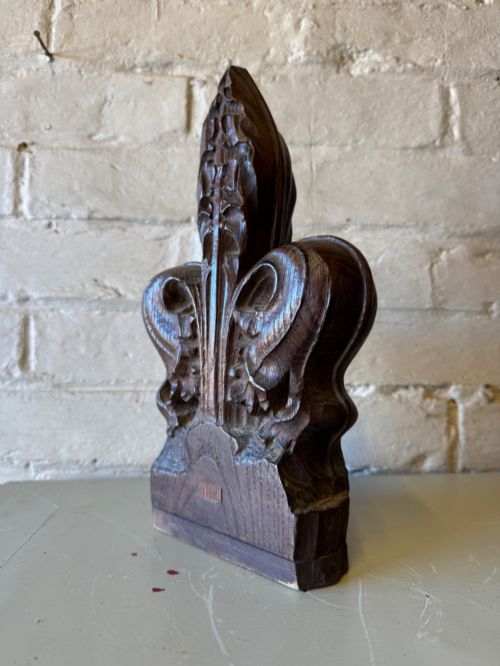
A stoic seventeenth-century oak finial shares space with a limed table lamp and a painted pre-Raphaelite cabinet.
Assessing Quality
Quality rests upon the depth, sharpness and anatomical correctness of the hand-carved motifs, distinguishing crisp architectural tracery and figurative studies from mechanical or shallow factory production. The integration of the carving into the structural form determines the success of the piece.
The choice of timber grain and the integrity of the original joints further separate standard utilitarian items from ambitious library furnishings and architectural panels.
The Gothic Revival Timber Carving Glossary
- Poppy head
- An ornamental finial carved on the top of a bench end, typically taking a stylised leaf or bud form. This motif appears frequently in ecclesiastical woodwork.
- Trefoil
- A graphic ornament composed of three overlapping rings or lobes, often pierced through timber panels and chair splats. It mirrors medieval stone window tracery.
- Tracery
- Openwork ornamentation in wood or stone, composed of intersecting ribs that form geometric patterns. It defines the Gothic architectural aesthetic.
- Caryatid
- A sculpted female figure serving as an architectural support in place of a column or pier. These figures appear on pedestals and cabinetry.
- Finial
- A relatively small, decorative carved termination that marks the top or end of an architectural element or piece of furniture.
Gothic Revival Timber Carving: Frequently Asked Questions
What periods do these carvings date from?
The pieces span primarily from the nineteenth century, reflecting the Victorian enthusiasm for medieval design, alongside earlier seventeenth-century elements and occasional twentieth-century interpretations.
Craftsmen drew inspiration from authentic Gothic structures, producing both functional furniture and architectural salvage that mirrored medieval forms.
How were these carved panels used originally?
Many panels and architectural fragments served as internal church decorations, wall linings, or structural components within large public and domestic buildings of the period.
Over time, collectors adapted these timber elements into mirrors, wall displays and freestanding furniture for domestic interiors.
Which timbers appear most frequently?
Oak is the dominant material across the selection, valued by makers for its durability and suitability for deep chisel work.
Mahogany, walnut, pine and fruitwood also appear, utilised according to the specific regional tradition and the intended function of the object.
How do I care for antique carved timber?
Maintain the wood by applying microcrystalline wax sparingly to nourish the surface without attracting dust or dulling the carved details.
Keep the items away from direct heat sources and significant humidity fluctuations to prevent timber movement and splitting.