






Dark Mahogany Wine Box
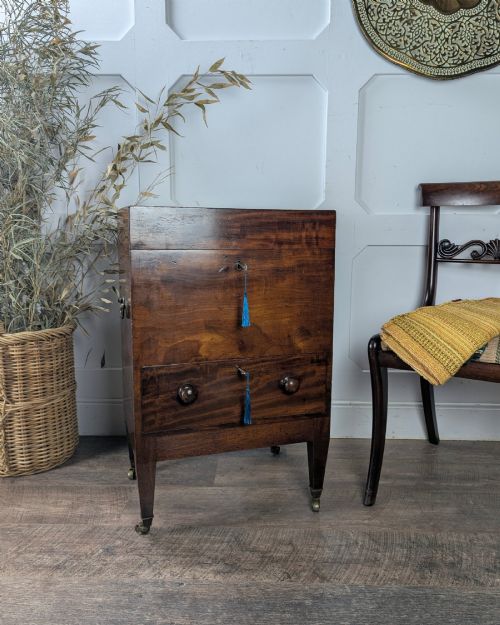
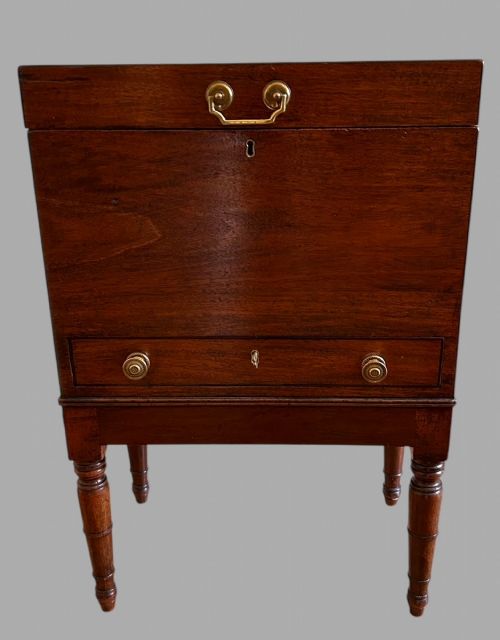
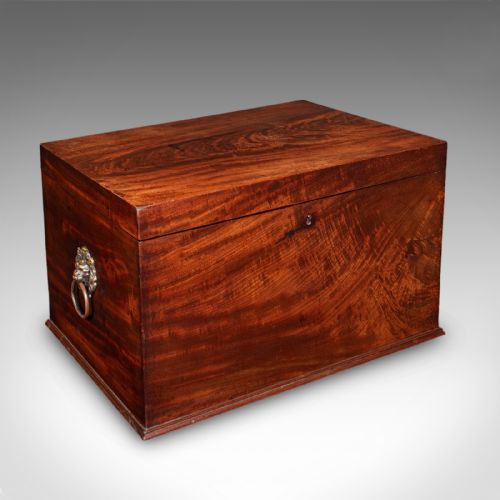
A dark mahogany wine box is a robust storage container designed for bottles, emerging most frequently as a Georgian or Regency cellarette.
Dark Mahogany Wine Box
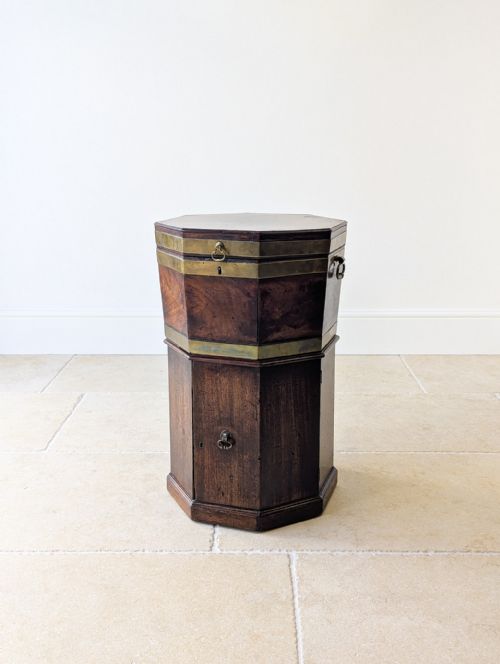
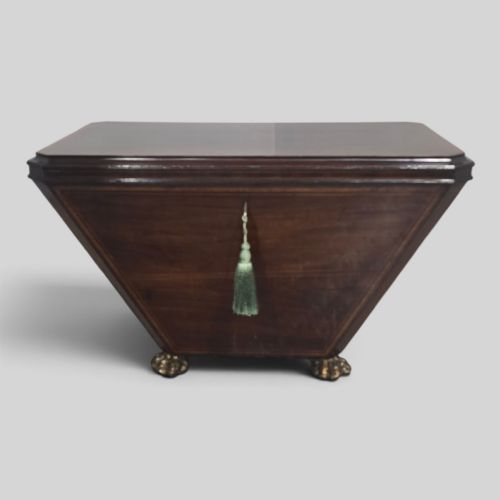
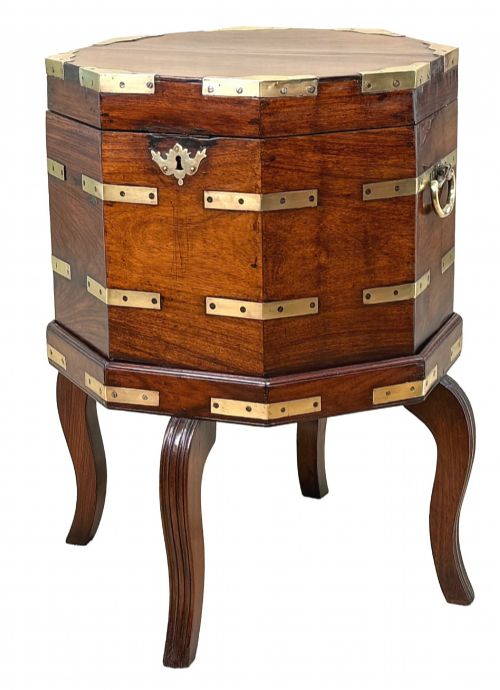
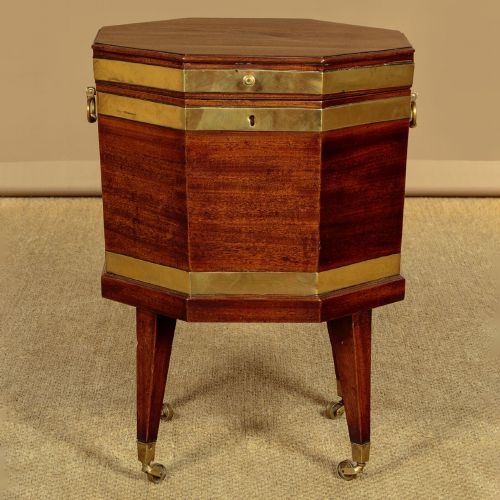
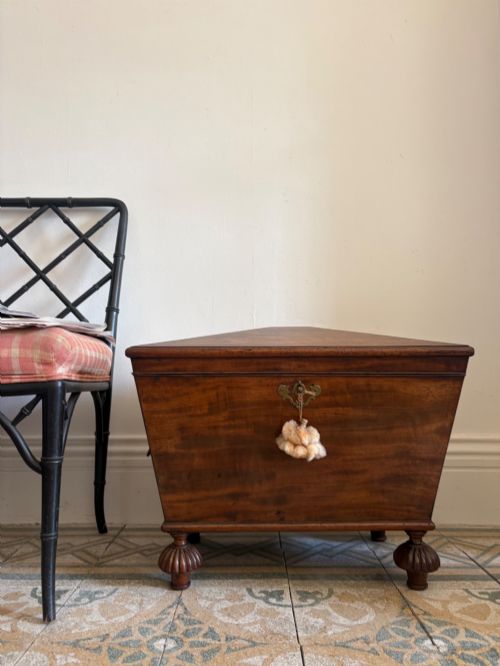
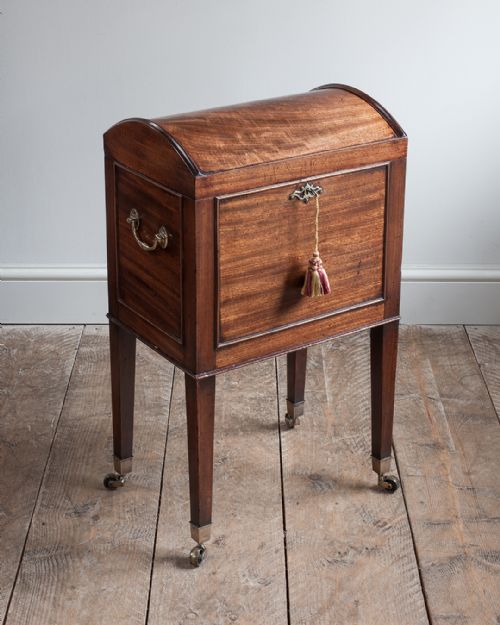
When searching for a dark mahogany wine box, a buyer encounters pieces primarily identified as cellarettes, wine coolers, or bottle carriers dating from the 18th century through to the Edwardian period. The most common forms on this page include octagonal, sarcophagus, and box-shaped containers designed to hold wine securely.
These items originate predominantly from the Georgian and Regency eras, though Victorian and Edwardian examples also appear. Makers and cabinet-makers produced them for domestic dining rooms to keep wine cool or stored near the table.
How they were made
Craftsmen utilised solid mahogany and figured veneers, frequently mounting the timber with brass bands, drop handles, and lion mask rings for structural reinforcement and decoration. Interiors often incorporate lead liners or partitioned wooden sections to accommodate glass bottles safely.
Joinery techniques ranged from simple box construction to complex curved sarcophagus framing, sometimes embellished with satinwood inlay or ormolu mounts depending on the period.
Listings feature mahogany, padouk, satinwood inlay, and ormolu across periods spanning from the 18th century to the Edwardian era.
What varies in quality
The standard of timber selection largely dictates the quality of a dark mahogany wine box, with highly figured grain and uniform colour marking out superior pieces. Construction details such as the retention of original lead linings, intact brass work, and precise dovetailing further elevate the standing of an item.
Attribution to documented makers or retailers adds distinction, whereas standard commercial pieces from later periods display simpler joinery and plainer timber stocks.
Edwards and Roberts·Gillingtons·Freemans of Norwich·T.Feetham
The Dark Mahogany Wine Box Glossary
- Cellarette
- A lockable container or box used for holding and cooling bottles of wine near the dining table. They frequently appear in mahogany during the Georgian and Regency periods.
- Sarcophagus
- A monumental coffin shape with a pitched lid, adopted by cabinet-makers during the Regency era for large wine coolers. This form often rests upon paw feet or a plinth base.
- Lead liner
- A protective metal insert placed inside a wine box or cooler to hold ice and water without damaging the surrounding wood. Many period examples retain these original linings.
- Satinwood inlay
- A contrasting light-coloured wood used to create decorative banding or geometric patterns on mahogany surfaces. This technique appears particularly on later pieces.
Dark Mahogany Wine Box: Frequently Asked Questions
What is a dark mahogany wine box used for?
These boxes served primarily as portable cellars or coolers in the dining room, holding multiple wine bottles upright during meals.
Today, owners utilise them as decorative storage cases, side tables, or fireside blanket boxes while retaining their historic character.
How do I tell a Georgian wine box from a Victorian one?
Georgian and Regency examples tend to feature architectural forms like the sarcophagus or octagonal brass-bound shapes with heavy cast brass handles.
Victorian and Edwardian versions often display simpler box constructions or lighter inlaid decoration reflecting changing domestic interior styles.
Are lead liners original to these wine boxes?
Many period wine coolers and cellarettes retain their original fitted lead linings, which were soldered into the interior to hold melting ice.
Finding a box with its original lead liner intact is considered a positive attribute by collectors.
Did makers sign dark mahogany wine boxes?
Cabinet-makers rarely signed every piece, but exceptional items sometimes bear stamped drawer locks, paper labels, or maker's marks from firms such as T.Feetham or Edwards and Roberts.
Unsigned pieces remain common and are attributed through style, timber choice, and construction methods characteristic of their era.