



Dark Mahogany Urn Stand
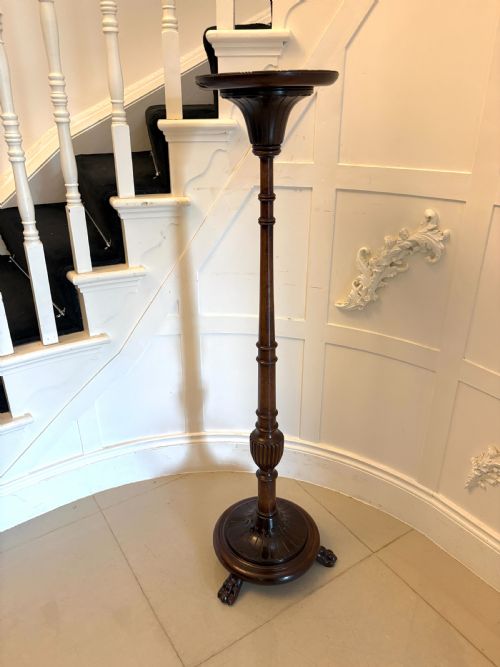
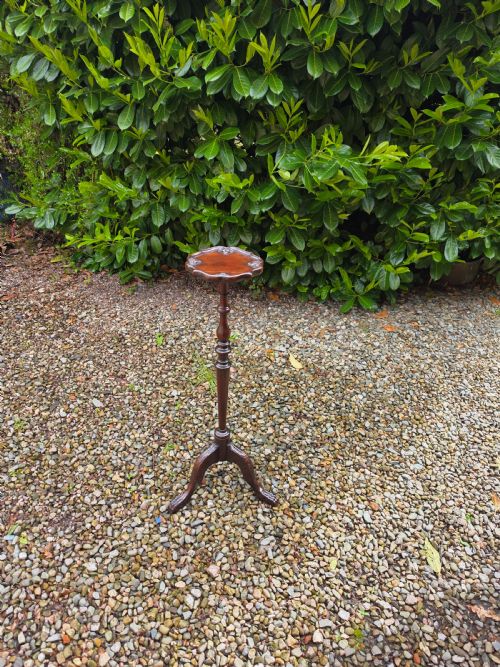
These dark mahogany urn stand pieces bring refined height to a room, holding plants or small vessels with architectural presence.
Dark Mahogany Urn Stand
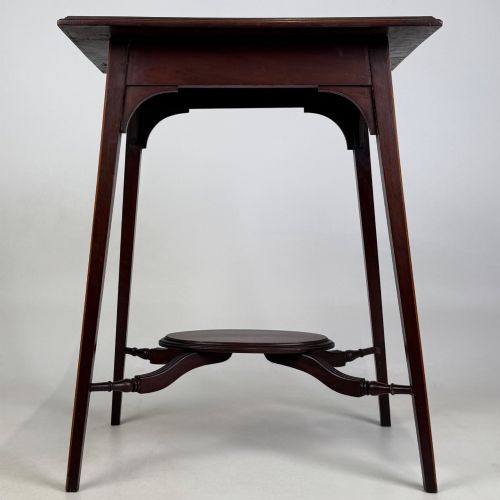
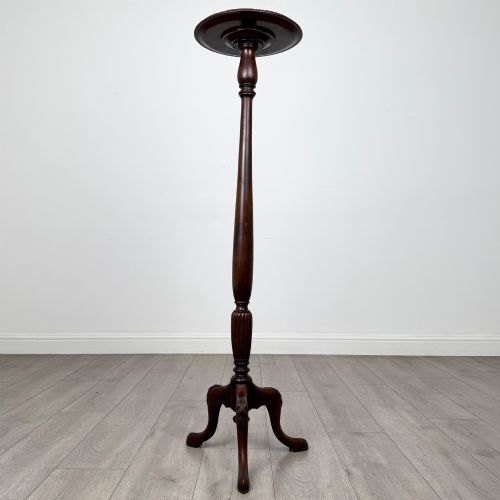
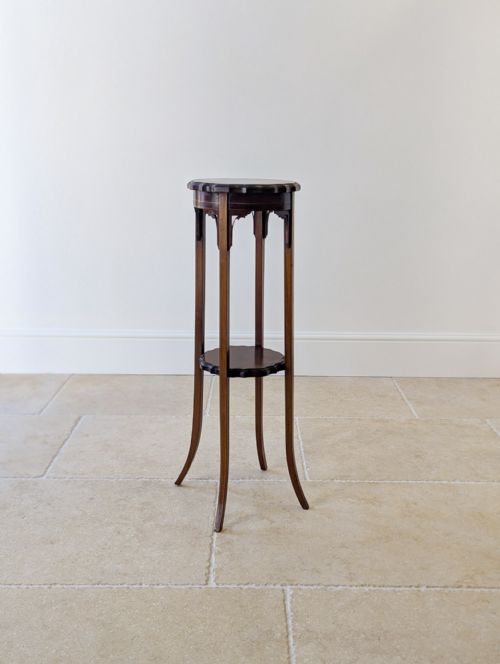
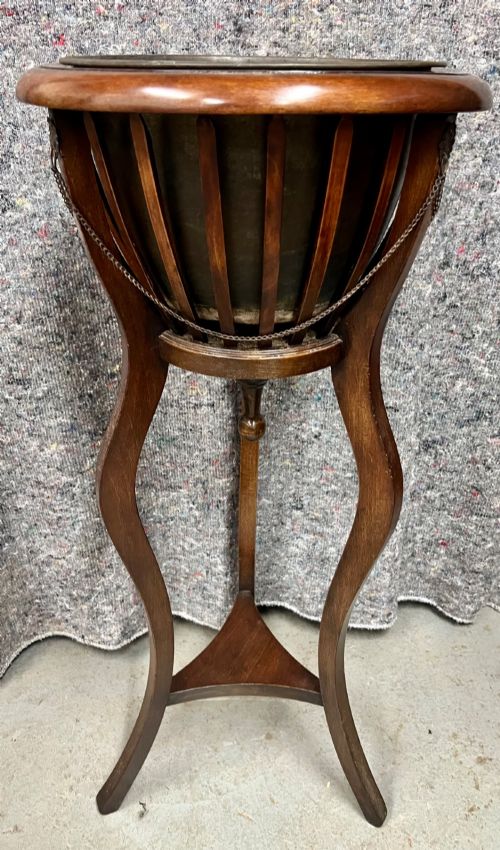
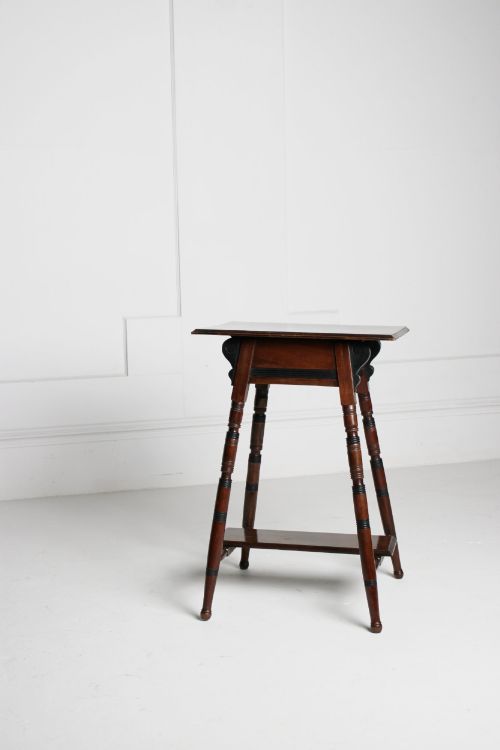
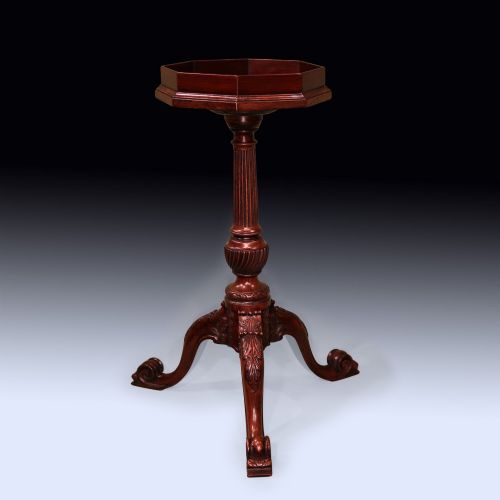
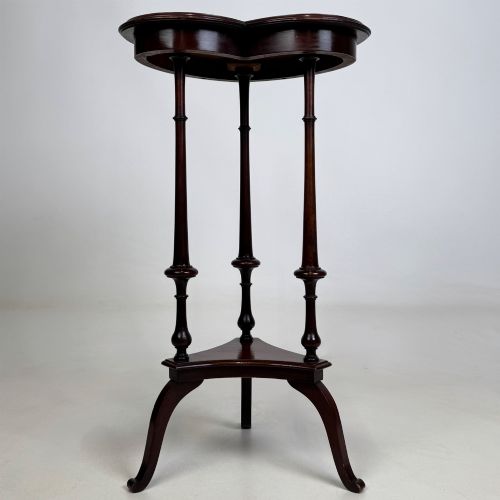
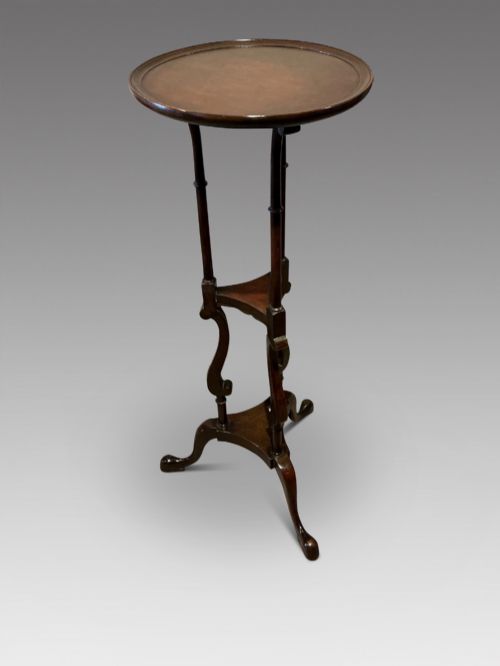
A dark mahogany urn stand serves as a raised platform for display, often taking the form of a torchere, kettle stand, or plant stand. These pieces lift decorative objects into the line of sight and anchor corners of a room with vertical timber.
The selections here span centuries, drawing from Georgian, Victorian, and Edwardian eras alongside Chinese export traditions. Buyers encounter slender columns and square-topped tables most frequently among these listings.
Makers utilised dense timber to create sturdy surfaces that support heavy vases or urns without tipping. The form prioritises a small footprint coupled with stable construction.
What varies in quality
The distinction between tiers rests on timber selection and the crispness of carved enrichment. Superior examples display dense grain depth and solid foundational weight rather than veneered lightness.
Proportion defines the better pieces, where the ratio of height to base diameter maintains stability and visual grace. Finer stands exhibit careful attention to joint integration and surface polish.
Listings feature periods spanning from the eighteenth century through the Edwardian era, incorporating both English and Chinese export traditions.
Druce And Co London
The Dark Mahogany Urn Stand Glossary
- Torchere
- A tall, slender stand designed to hold a light or a decorative vessel. Originating in earlier centuries, these pieces feature elevated platforms atop carved columns.
- Kettle stand
- A small occasional table traditionally used to hold a tea kettle near a fireplace. These compact surfaces often include raised gallery edges to prevent sliding.
- Jardiniere stand
- A pedestal or low table built specifically to support a plant container or flower bowl. They frequently incorporate water-resistant top materials such as marble.
- Satinwood inlay
- Contrasting light timber embedded into dark mahogany surfaces to create geometric or floral patterns. This decorative technique highlights the skill of the cabinet maker.
- Hongmu
- A dense Asian hardwood frequently utilised for traditional export plant stands and vase holders. The material accommodates deep, intricate carving without splintering.
Dark Mahogany Urn Stand: Frequently Asked Questions
What is a dark mahogany urn stand used for?
These stands provide an elevated platform for displaying decorative urns, heavy vases, and potted plants. Their compact footprint allows them to fit neatly into corners or beside seating.
Historically, similar tables held hot water kettles or lighting apparatuses within formal rooms. Today, they serve primarily as display furniture to add height variation to an interior layout.
How do I date an antique dark mahogany urn stand?
Dating relies on examining the timber grain, construction joints, and stylistic cues present in the legs and column. Georgian and Regency pieces show different carving depths and turning profiles compared to later Victorian or Edwardian revivals.
Secondary woods and finishing methods also provide clues to the period of manufacture. Comparing the stylistic motifs against documented cabinet maker designs helps narrow down the decade.
Where should I place a torchere stand at home?
A torchere stand suits empty room corners, narrow hallway spaces, or flanking areas beside large pieces of furniture. Placing one in a low-light zone draws the eye upward and breaks up flat wall expanses.
Ensure the location has minimal foot traffic to prevent accidental knocks against the tall, slender pedestal. Heavy items placed on top help stabilise the base against minor bumps.
Are Chinese export stands made of mahogany?
Chinese export pieces frequently utilise dense Asian hardwoods such as hongmu alongside mahogany variations. These imported stands often feature marble inserts or intricate carved aprons distinct from English cabinet styles.
Cabinet makers in China produced these items for Western markets during the nineteenth century, blending local woodworking traditions with European room requirements.