
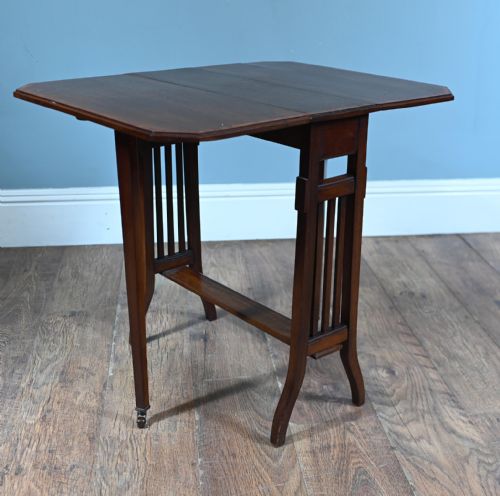
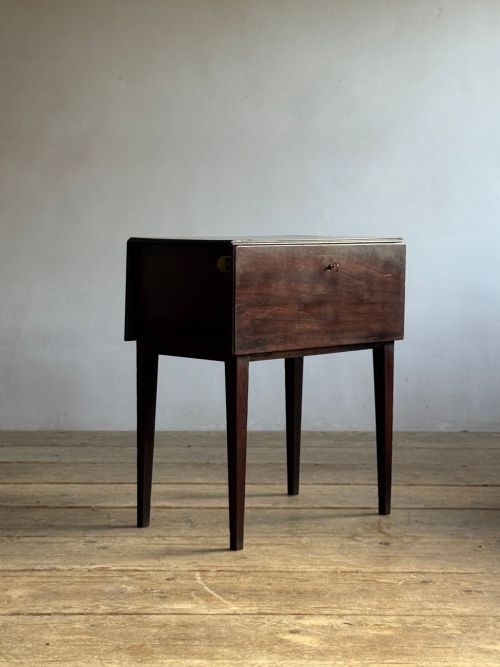


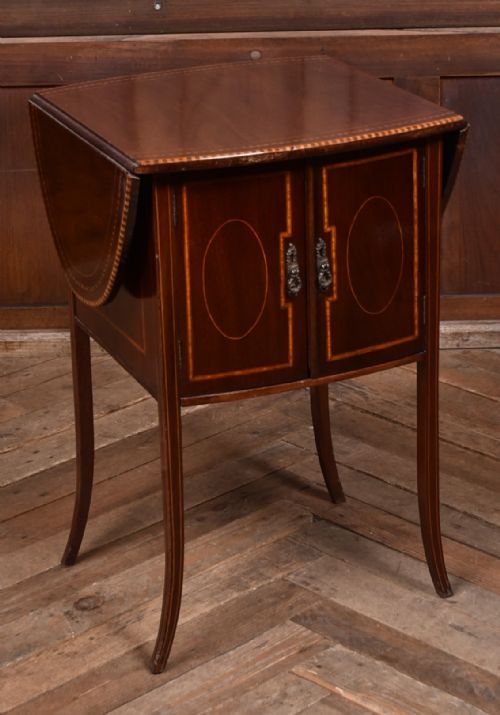


Dark Mahogany Drop Flap
Dark mahogany drop flap tables offer versatile folding surfaces spanning Georgian, Regency, and Victorian periods.
Dark Mahogany Drop Flap
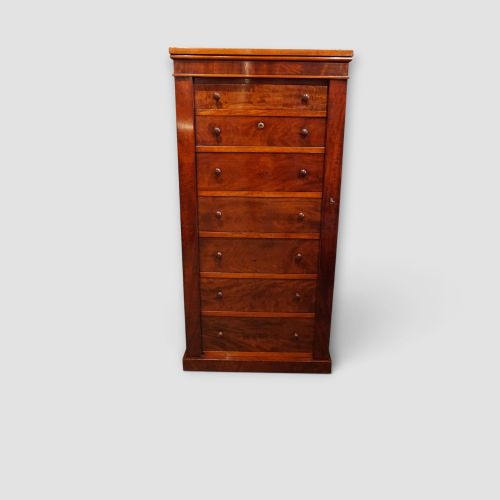
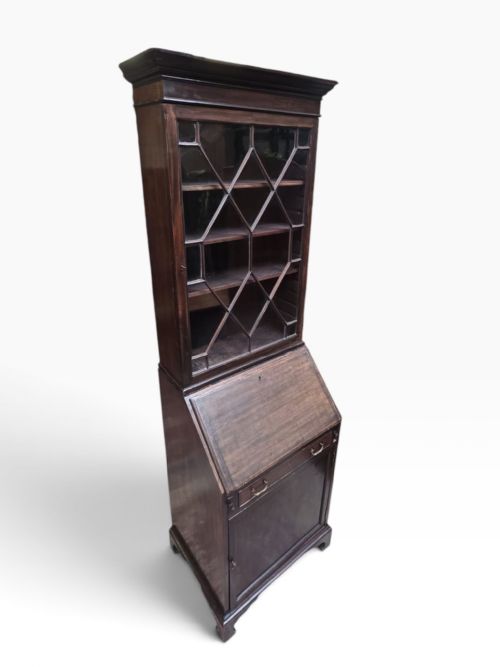
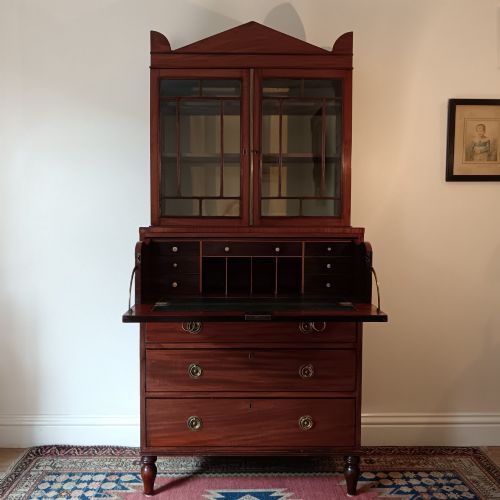
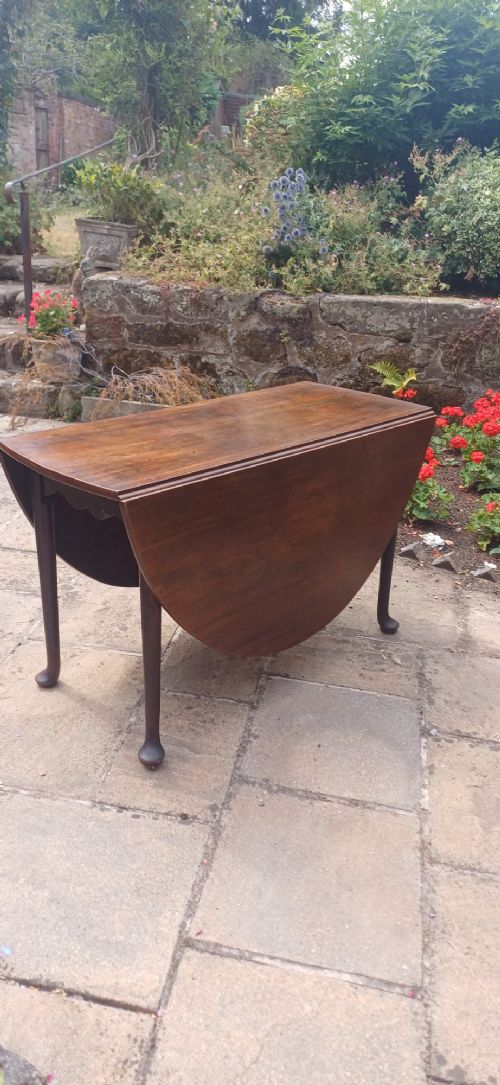
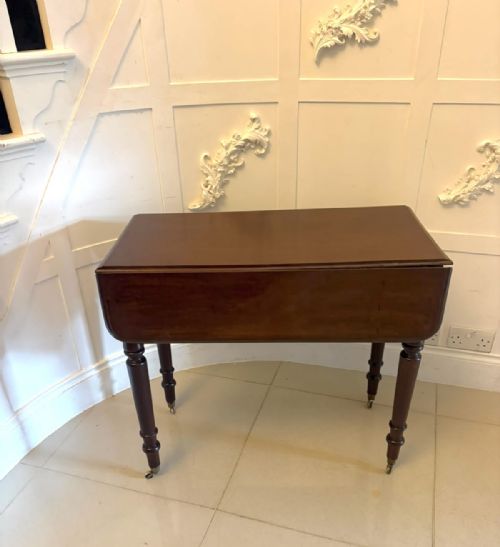
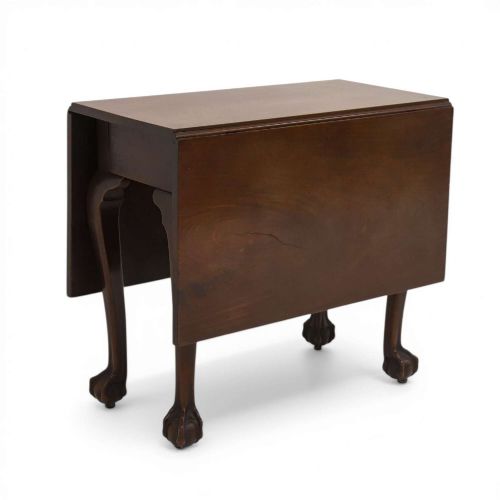
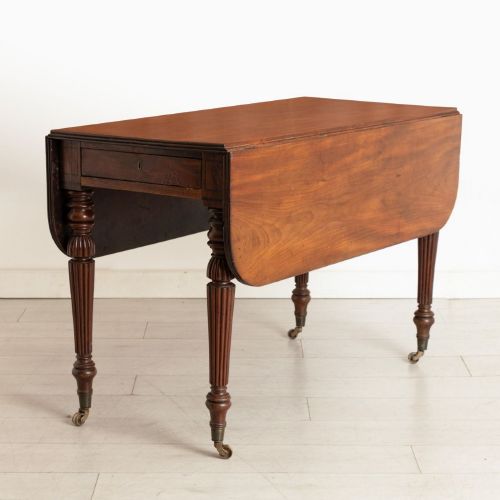
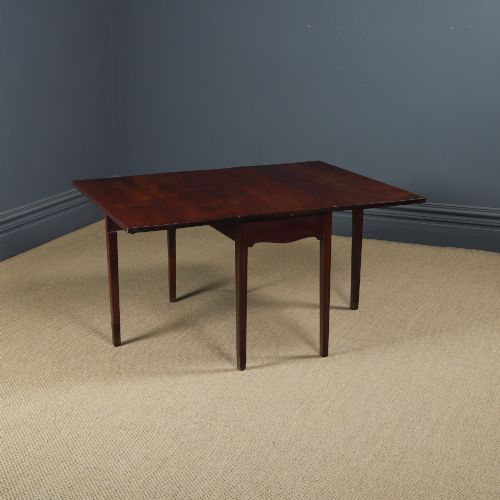
When you search for dark mahogany drop flap, you encounter tables and cabinets featuring hinged leaves that lower or lift to save space. The selection spans Georgian, Regency, Victorian, and Edwardian periods.
Dining tables and Pembroke tables form the core of the listings, alongside occasional tables, sofa tables, and writing desks. These pieces served flexible functions in period rooms, expanding for dining or work and folding down afterward.
Origins range across the eighteenth, nineteenth, and early twentieth centuries, showing the enduring utility of the drop flap mechanism across changing design styles.
Materials and construction
Cabinet makers utilised solid mahogany and Cuban mahogany, often enhanced with flame mahogany veneer or rosewood crossbanding to create rich grain patterns. Brass hardware, such as castors and hinges, provides functional and decorative detail.
Joinery techniques included drop leaves supported by swing legs, gatelegs, or rule joints that allowed flaps to hang smoothly when lowered. Secondary woods provided structural support beneath the polished mahogany surfaces.
The listings feature mahogany alongside brass, ceramic, and glass elements across Georgian, Regency, and Victorian periods.
Understanding quality differences
The distinction between standard examples and superior pieces rests on timber selection and cabinetmaking skill. Figured Cuban mahogany and crisp carving on cabriole legs separate workshop masterpieces from utilitarian items.
Original brass castors, well-fitted rule joints, and stable drop-leaf mechanisms indicate higher production standards. Retaining original surfaces without heavy restoration elevates the standing of any piece.
George Oakley·James Mein Kelso·Liberty and Co
The Dark Mahogany Drop Flap Glossary
- Drop flap
- A hinged leaf attached to a table or desk that can be lowered or raised to alter the surface area. This mechanism defines the core functionality of the category.
- Pembroke table
- A small rectangular table featuring two hinged flaps on opposite sides and typically one or two drawers. It emerged in the eighteenth century as a versatile piece for breakfast or writing.
- Rule joint
- A moulded joint connecting a table top to its drop flap, designed to conceal the hinge and prevent gaps when the leaf is raised. It is a hallmark of quality cabinetry.
- Gateleg table
- A table with legs that swing outward on a pivoted frame to support the drop leaves when open. This design provides sturdy support for large dining surfaces.
- Sofa table
- A narrow rectangular table traditionally placed in front of a sofa, equipped with drop flaps on either end. Regency examples often incorporate pedestal bases or dual trestle supports.
- Crossbanding
- A border of veneer laid around the edges of a table top or drawer front with the grain running perpendicular to the main surface. It adds a decorative framing effect.
Dark Mahogany Drop Flap: Frequently Asked Questions
How were dark mahogany drop flap tables used?
These tables served multiple functions in period interiors, acting as compact side or occasional tables against a wall during daily life. When guests arrived, the hinged flaps were raised to create extended surfaces for dining, writing, or sewing.
Their adaptability made them popular in smaller parlours and larger dining rooms alike, where floor space required flexible furniture arrangements.
How do I date a mahogany drop leaf table?
Dating relies on stylistic clues such as leg design, hardware, and timber choice. Cabriole legs with claw-and-ball feet typically point to the mid-eighteenth century, while simpler tapered legs or heavy pedestal bases suggest Regency or Victorian periods.
Examining the construction of the drawer linings and the type of mahogany, such as dense Cuban timber, helps narrow down the decade of manufacture.
How should I care for antique mahogany surfaces?
Protect the wood from direct sunlight and extreme temperature fluctuations to prevent the mahogany veneer from drying out or splitting. Dust regularly with a soft, dry cloth and apply a quality wax polish sparingly to maintain the natural sheen.
Avoid placing hot items or liquids directly onto the polished top without protective coasters.