

Dark Mahogany Center Table
A dark mahogany centre table commands a room with deep timber tones and solid proportions, functioning as the architectural focal point of a well-appointed interior.
Dark Mahogany Center Table
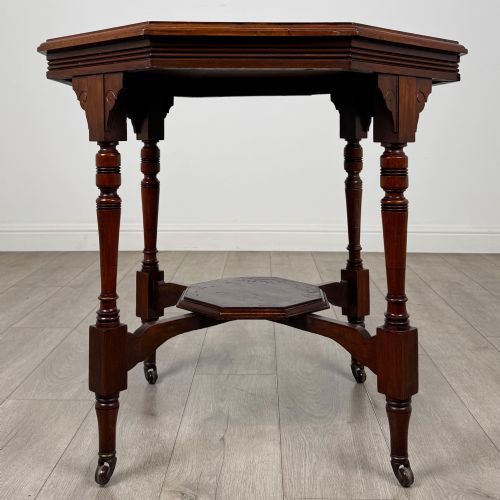
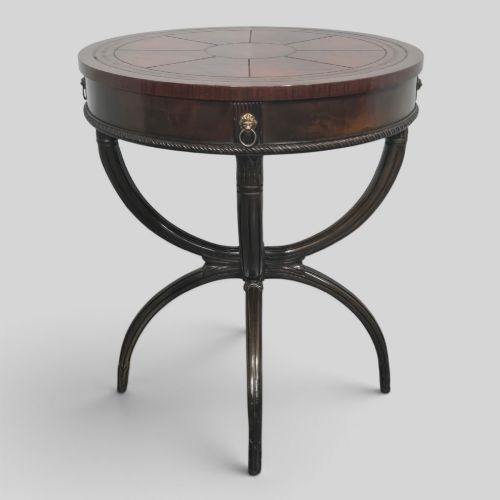
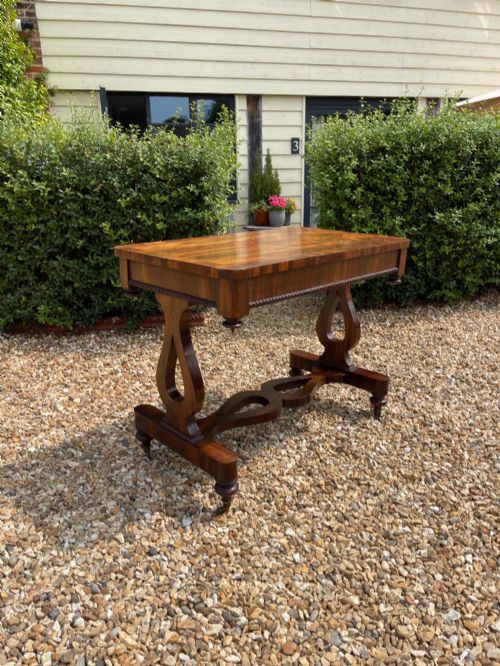
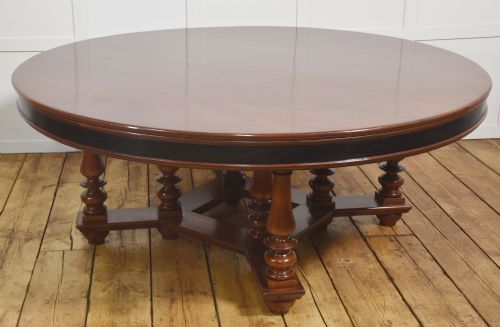
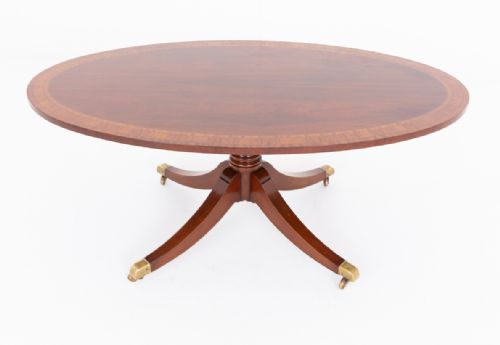
A dark mahogany centre table sits independently within a room rather than against a wall, designed to be viewed from all sides. The pieces found here span the eighteenth century, the regency and william iv eras, and into the victorian and edwardian periods.
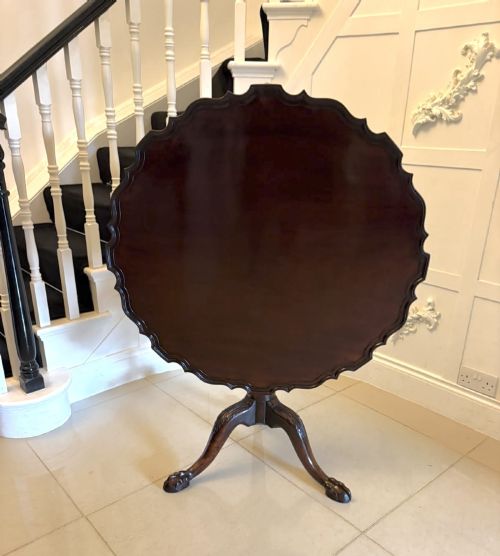
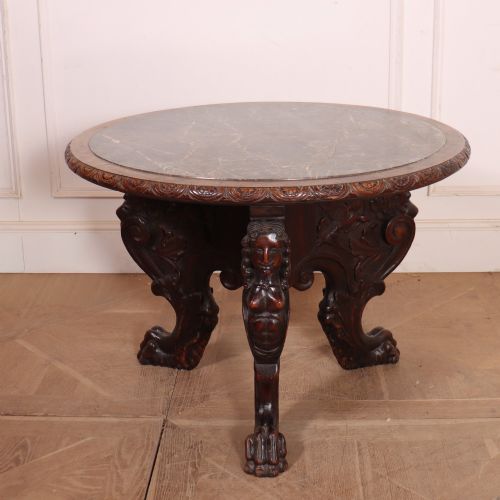
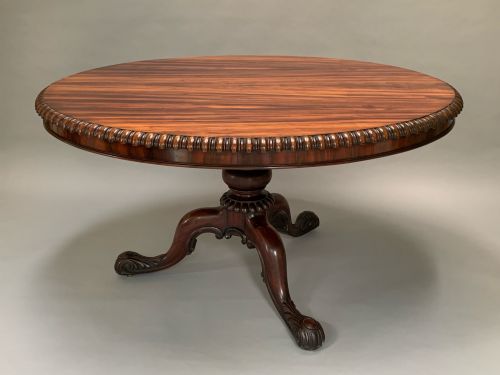
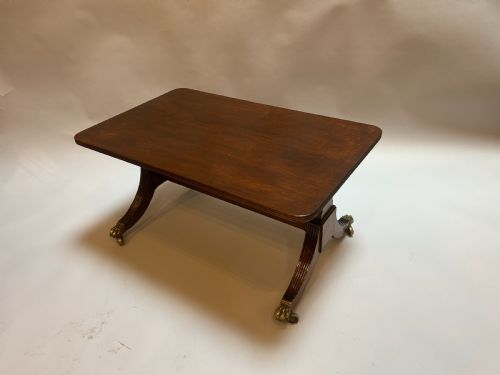
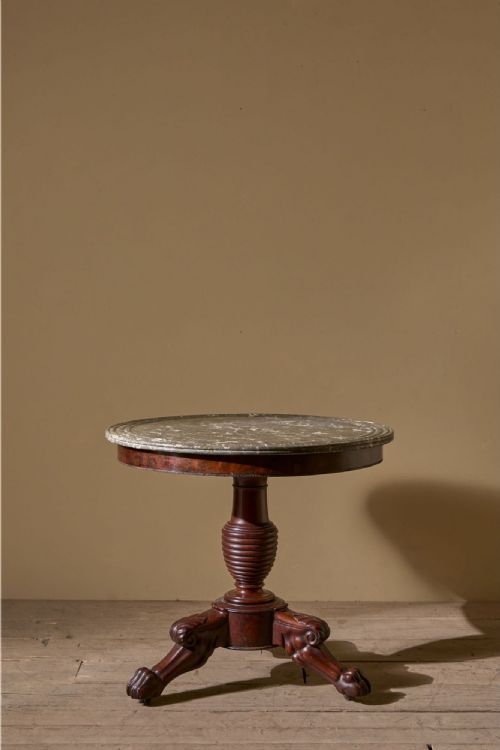
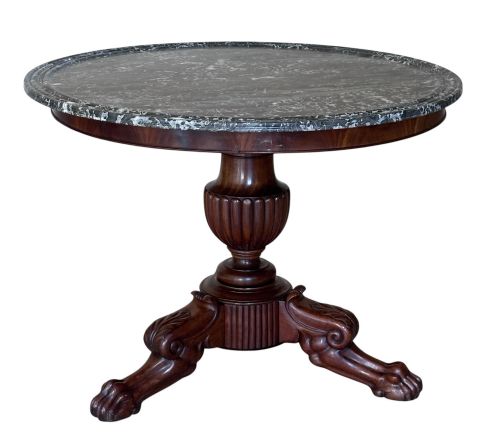
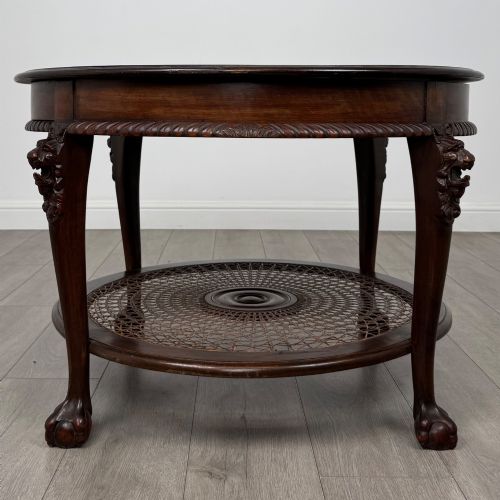
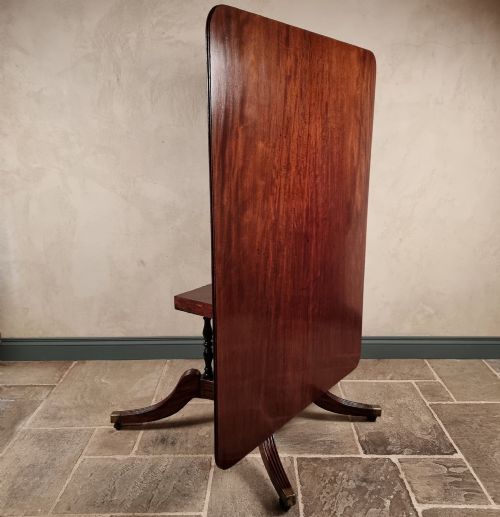
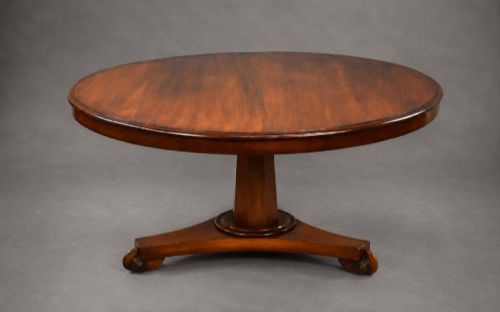
The form appears in various guises across the inventory, including circular breakfast tables, rectangular library tables, and marble-topped gueridons. Many retain their original tilt-top mechanisms or sturdy triform and swan support bases.
Makers and styles draw on georgian, chippendale, french empire, and sheraton traditions. Buyers selecting a dark mahogany centre table secure a substantial piece of furniture with distinct historical lineage.
How they were made
Cabinetmakers utilised dense solid timber and flame mahogany veneer applied to sturdy carcases, often selecting plum pudding mahogany or albuera wood for decorative surface grain. Construction methods rely on traditional joinery, sturdy pedestals, and carved wooden supports.
Interiors and decorative schemes frequently incorporate contrasting materials such as brass inlay, gilt bronze mounts, and inset leather writing surfaces. Tabletops occasionally feature heavy grey or italian marble slabs fitted directly into the wooden frame.
Some nineteenth-century tables feature carved swan supports that gaze steadfastly inward toward the central column.
What varies in quality
The degree of hand carving on bases and pedestals separates standard domestic examples from finer workshop productions. Crisp detail in acanthus leaves, reeding, and figural supports indicates superior craftsmanship.
Gillows·Williams and Gibton
The Dark Mahogany Center Table Glossary
- Gueridon
- A small French table, often circular with a central pillar support, frequently topped with marble. These pieces served various domestic functions in nineteenth-century interiors.
- Tilt-top
- A hinged tabletop mechanism that allows the surface to fold vertical when not in use. This design saved floor space in period drawing rooms.
- Triform base
- A three-sided pedestal foot arrangement common on nineteenth-century pillar tables. It provides stable floor contact for heavy circular tops.
- Library table
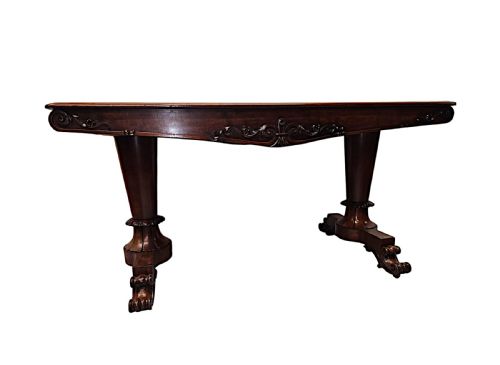
- A large rectangular table designed for books and papers, often fitted with drawers. These utilitarian pieces frequently exhibit high-grade mahogany and finished backs for freestanding placement.
- Piecrust edge
- A raised, carved ornamental border shaped in curves around the perimeter of a circular tabletop. This decorative detail appears primarily on eighteenth-century examples.
Dark Mahogany Center Table: Frequently Asked Questions
Where should a centre table go?
A centre table requires an open floor space where it can stand clear of walls, typically anchoring the middle of a principal room or library.
Because these tables are finished on all sides, they allow movement around the perimeter and function effectively beneath a central ceiling light fixture.
How are marble tops maintained?
Marble surfaces require simple cleaning with a damp cloth and mild soap, avoiding acidic cleaning fluids that etch the polished stone.
Care should be taken when placing heavy or sharp objects directly onto the marble to prevent scratching or chipping the edge.
Can these tables be used for dining?
Certain larger circular breakfast tables and dining tables are built to accommodate seating, while smaller occasional and gueridon tables serve decorative purposes.
Checking the height and clearance beneath the apron ensures comfortable legroom for dining use.