





Dark Iron Hall Stand
These dark iron hall stand pieces offer practical hallway storage and robust metal construction for domestic entryways.
Dark Iron Hall Stand
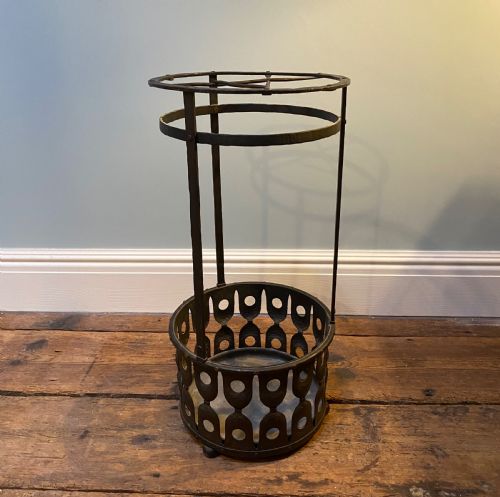
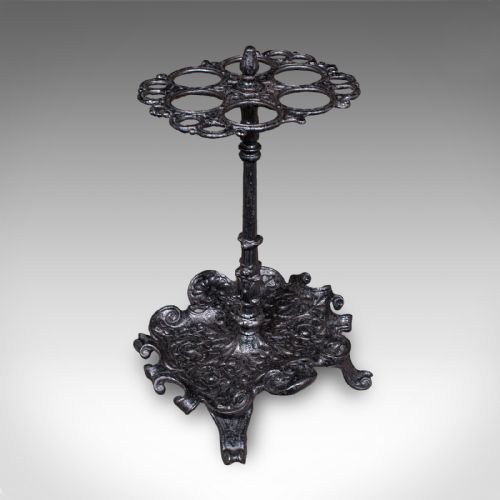
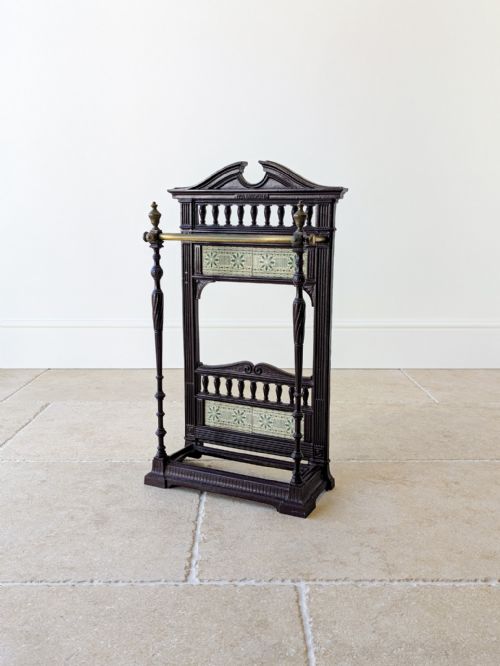
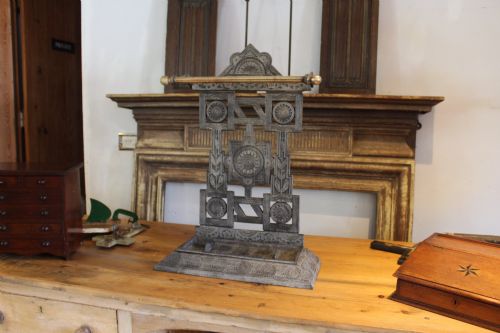
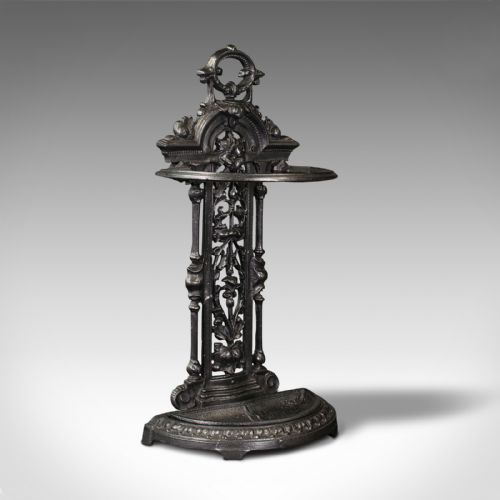
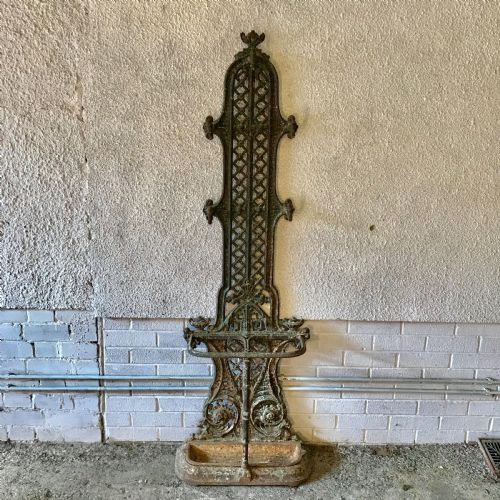
A dark iron hall stand serves as a functional piece of hallway furniture designed to hold wet umbrellas, walking sticks, and coats. When searching for a dark iron hall stand, buyers encounter a variety of forms including umbrella stands, stick stands, and coat racks.
The pieces listed span multiple eras such as the Victorian, Edwardian, and nineteenth-century periods. Common iterations incorporate metal frames alongside materials like marble, brass, and wood.
How they were made
Makers utilised cast iron and wrought iron as the primary structural metals, often combining them with brass components and ceramic parts. Foundry work involved pouring molten metal into moulds to create intricate stick loops and ornate decorative panels.
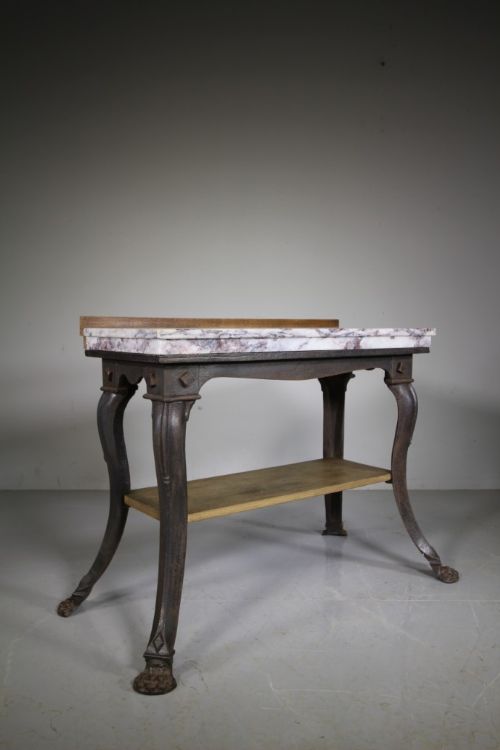
Secondary materials such as oak and mahogany appear alongside marble inserts in tables and stands. Metal components frequently feature dark painted or patinated finishes applied to iron frameworks.
Dark Iron Hall Stand Retail Price Guide 2026
Typical asking prices for dark iron hall stand among the pieces listed under this phrase on Sellingantiques today, from the lower quarter to the upper quarter. They describe what is for sale here now, not the wider market.
Listings feature items from the Victorian and Edwardian eras, constructed using cast iron, brass, marble, and wood.
What varies in quality
Quality differences stem from the crispness of the iron casting and the complexity of the decorative design. Foundry attribution to known makers elevates certain pieces above standard utility items.
The integration of supplementary materials, such as fitted marble tops or brass rails, distinguishes finer examples. Structural integrity and the preservation of original patination remain key factors in overall standard.
Coalbrookdale·Thomas Jeckyll·Shoolbred·Falkirk Foundry
The Dark Iron Hall Stand Glossary
- Cast iron
- A strong, hard iron-carbon alloy produced by pouring molten metal into a mould. This material forms the rigid framework of many hall stands and umbrella holders.
- Stick loop
- A metal divider or hoop designed to keep walking sticks and umbrellas separated and upright. These loops form an integral part of the cast iron frame.
- Aesthetic Movement
- A late nineteenth-century design style focusing on visual beauty rather than narrative or moral function. Pieces from this movement often display stylised botanical motifs.
- Foundry
- A factory where metal is melted and cast into shapes. Historic foundries produced marked umbrella stands and hall furniture.
- Marble
- A hard crystalline metamorphic rock used for tabletops and base inserts on hall stands. It provides a durable, cool surface for heavy items.
Dark Iron Hall Stand: Frequently Asked Questions
What is a dark iron hall stand?
A dark iron hall stand is a piece of hallway furniture built primarily from cast or wrought iron to store umbrellas, walking sticks, and outerwear. These items range from dedicated stick stands to multi-functional units incorporating coat hooks and mirrors.
Such furniture originated to keep damp outdoor gear organised in entrance halls. The sturdy metal construction provides the weight needed to support wet umbrellas and heavy coats without tipping.
How do I care for a cast iron stand?
Maintenance involves dusting the metal surface regularly with a dry cloth and avoiding harsh chemical cleaners. Protecting the iron from prolonged moisture prevents surface rust from forming.
If the stand includes a removable drip tray, emptying and drying it frequently protects the surrounding metal base. Maintaining stable indoor humidity levels also helps preserve any accompanying wood or brass elements.
Are these stands suitable for modern homes?
These metal stands fit well in contemporary hallways by providing compact vertical storage for umbrellas and walking sticks. Their durable frames handle daily domestic use while occupying minimal floor space.
Many pieces complement modern interiors through their industrial iron aesthetic. They serve as functional utility items that double as decorative period pieces.
How can I tell the period of a stand?
Dating relies on stylistic markers such as Victorian ornamentation, Edwardian simplicity, or Aesthetic Movement motifs. Foundry marks and maker stamps cast into the iron provide direct historical attribution.
Construction details, including the presence of hand-finished metalwork or integrated marble slabs, also indicate the era of manufacture. Comparing the design characteristics to documented foundry catalogues helps confirm the period.