







Black Metal Umbrella Stand
A black metal umbrella stand brings robust utility and striking form to an entrance hall, offering sturdy storage for wet walking sticks and wet weather gear.
Black Metal Umbrella Stand
A black metal umbrella stand is a practical entranceway fixture designed to hold walking sticks, canes and wet umbrellas without damaging floors. Buyers searching for a black metal umbrella stand encounter a range of forms from substantial nineteenth century hall stands to compact art deco designs.
The selection on this page encompasses Victorian cast iron pieces, Edwardian hall stands and tubular metal art deco examples from nineteen thirty. Makers utilised robust materials to create heavy, durable vessels that endure daily hallway use.
Forms vary from nineteen century cast iron umbrella stands to french grape hottes and twenty four ring umbrella stands. These items bridge industrial utility and domestic design, reflecting the aesthetic priorities of their respective periods.
Materials and construction
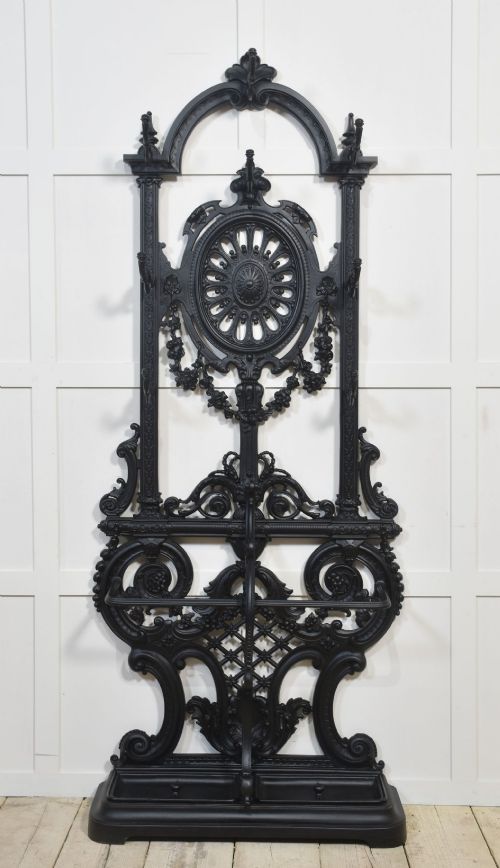
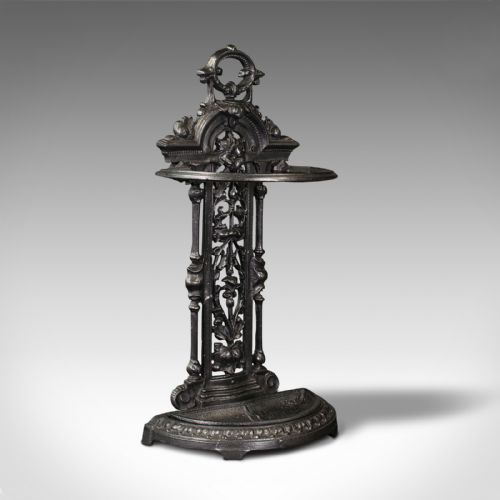
Makers utilised heavy cast iron and wrought iron, pouring molten metal into detailed moulds to achieve intricate Victorian and Victorian gothic motifs. These iron pieces possess immense weight and structural stability, essential for holding heavy wet sticks.
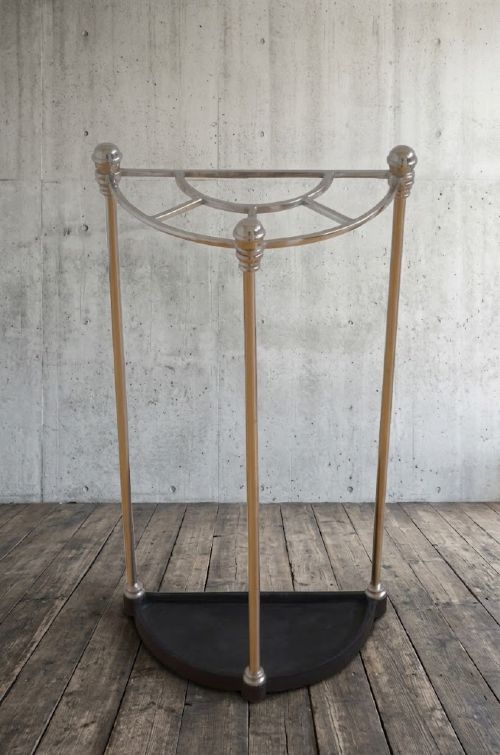
Tubular metal and nickel plating emerge in later twentieth century pieces, reflecting the sleek industrial shifts of nineteen thirty and nineteen hundred. Paint provides a protective and decorative black finish across numerous cast iron and metal examples.
Black Metal Umbrella Stand Retail Price Guide 2026
Typical asking prices for black metal umbrella stand among the pieces listed under this phrase on Sellingantiques today, from the lower quarter to the upper quarter. They describe what is for sale here now, not the wider market.
The listings feature cast iron, wrought iron, tubular metal, painted finishes and nickel plating across nineteenth century and art deco periods.
Assessing quality and design
Quality in these pieces rests upon the crispness of the cast iron moulding and the integrity of the structural divisions. Finer nineteenth century examples exhibit deep relief and sharp detailing in stylistic motifs rather than soft, blurred edges.
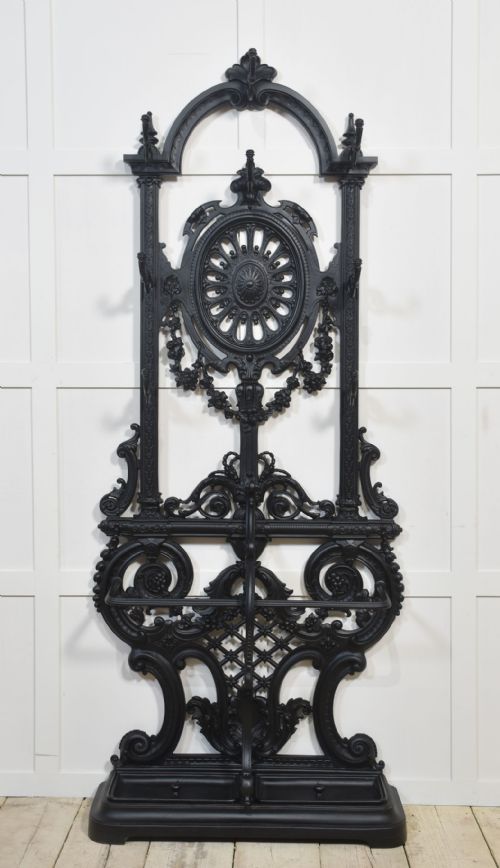
The sophistication of the design dictates the standing of the piece, from simple ring frames to elaborate Coalbrookdale style hall stands with integrated hooks and trays. Proportion and the survival of original surface coatings distinguish superior examples from ordinary production.
Falkirk Foundry·Coalbrookdale
The Black Metal Umbrella Stand Glossary
- Cast iron
- A strong, hard alloy of iron and carbon that is poured into moulds to create rigid objects. This material forms the heavy structural body of most Victorian umbrella stands.
- Demi lune
- A half moon shape describing the semicircular footprint of certain umbrella stands. This profile allows the object to sit flush against an entrance wall.
- Hall stand
- A tall hallway furniture piece combining an umbrella stand with coat hooks, a mirror and a glove box. These architectural items served as central entranceway organizers.
- Nickel plating
- A thin protective layer of nickel applied to metal surfaces via electroplating. This finish imparts a bright, corrosion resistant sheen seen on later art deco pieces.
- Tubular metal
- Hollow cylindrical metal rods utilised in twentieth century furniture construction. This technique creates lighter frames for art deco and modern designs.
Black Metal Umbrella Stand: Frequently Asked Questions
What periods do these stands cover?
The listings span from the nineteenth century and the Victorian era through Edwardian times up to nineteen thirty. Each period brings distinct manufacturing techniques and stylistic influences to the hallway.
Victorian pieces lean towards heavy cast iron and Gothic ornamentation, whereas nineteen thirty examples embrace tubular metal and nickel plating.
How were these stands used originally?
They stood in entrance halls and vestibules to receive dripping umbrellas and walking sticks after outdoor excursions. The lower drip trays caught rainwater to protect wooden flooring and carpets.
Larger hall stands additionally accommodated coats, hats and visiting cards for visitors arriving at the home.
How do I protect my floor from water?
Most original cast iron and metal stands include an integrated base tray designed to catch runoff water. Placing a small ceramic or zinc dish inside the base offers extra protection for delicate wood floors.
Emptying and drying the base tray regularly prevents moisture accumulation and preserves the interior metal.
How do I distinguish Victorian from art deco styles?
Victorian stands display ornate scrolling, heavy cast iron construction and motifs derived from Gothic or floral inspiration. They are typically dark, heavy and structurally imposing.
Art deco stands from nineteen thirty utilise tubular metal and nickel plating with geometric lines and minimal ornamentation, reflecting modern industrial aesthetics.