



Dark Green Cupboard
These dark green antique cupboard examples bring rich colour and historic presence to a room, offering practical storage through centuries of craftsmanship.
Dark Green Cupboard
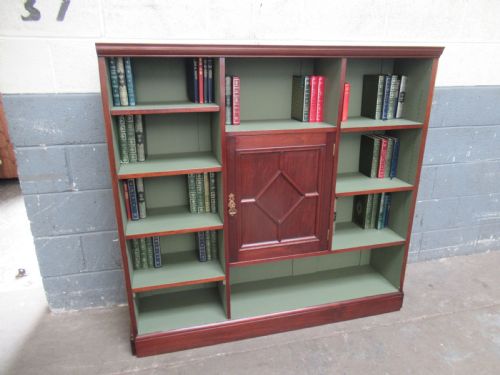
A dark green antique cupboard encompasses various storage forms found across different periods, including 18th century painted pine cupboards, Victorian sideboards, and French provincial pieces. Buyers searching for a dark green antique cupboard will encounter diverse functional types ranging from large dressers and bookcases to miniature cabinets and buffets.
The material foundation of these pieces relies heavily on solid oak, pine, and mahogany, often enhanced by historic painted surfaces or later painted finishes. Stylistic influences span from Victorian Gothic Revival and English Country to French Provincial and Jacobean Revival, reflecting regional cabinetry traditions across the 18th, 19th, and early 20th centuries.
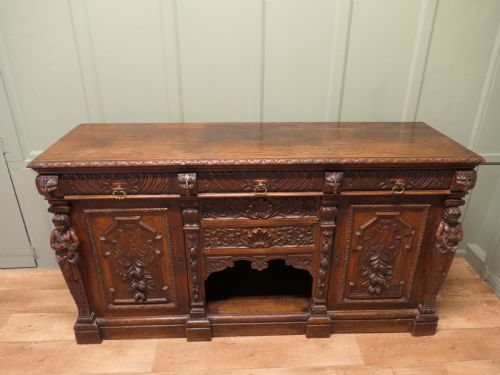
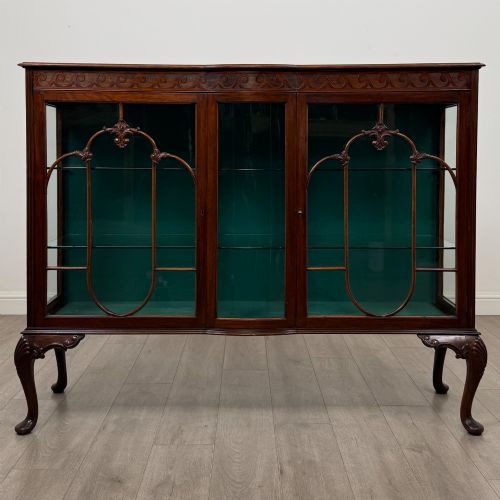
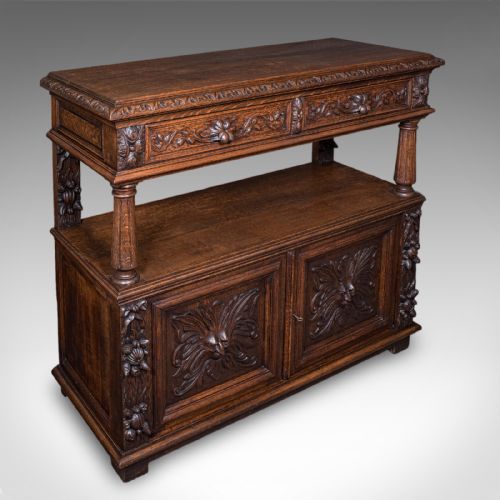
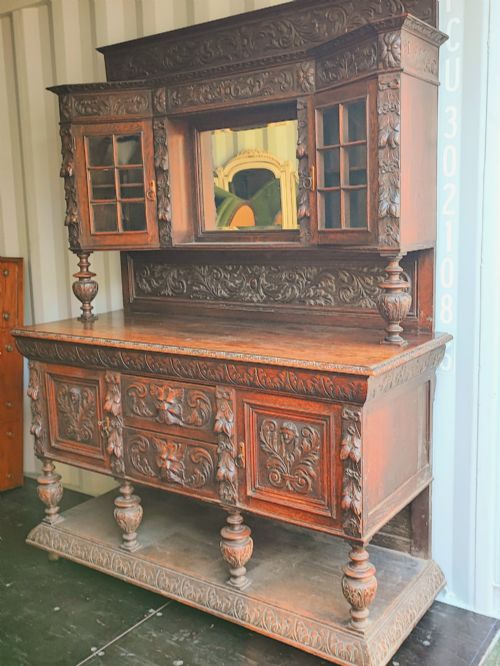
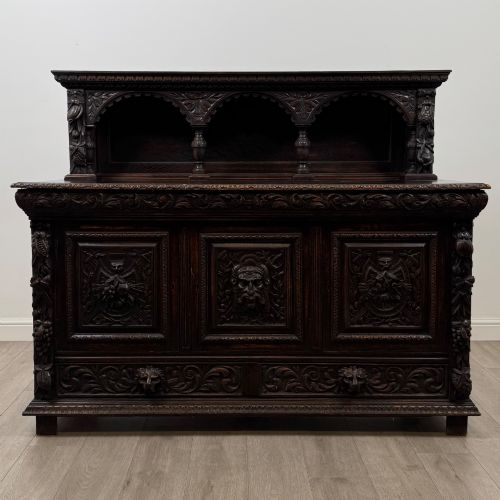
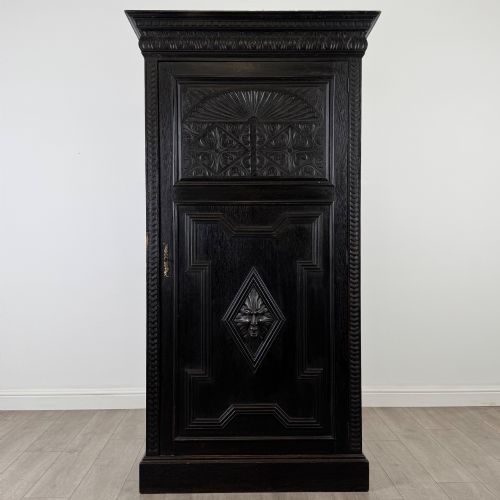
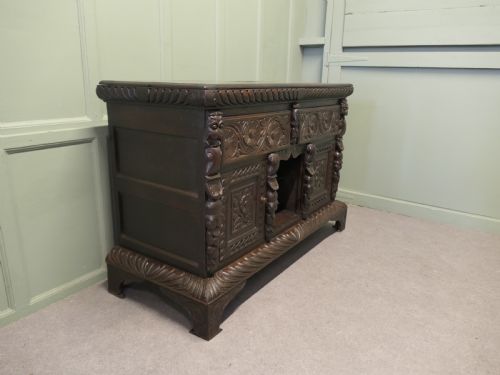
Many items in this category display characteristic decorative elements such as Green Man carvings, brass hardware, and glazed doors, marking them out as substantial furniture for traditional interiors. Whether examining an Edwardian display cabinet or an earlier painted pine cupboard, buyers find distinct regional traits tied to English, French, and Scottish workshops.
Materials and Construction
Cabinet makers utilised dense hardwoods like oak and mahogany alongside utilitarian softwoods such as pine, building robust carcasses designed to endure decades of domestic use. Joinery techniques relied on traditional framing, mortise and tenon joints, and hand-carved detailing, particularly evident in the heavy relief work found on Victorian sideboards and dressers.
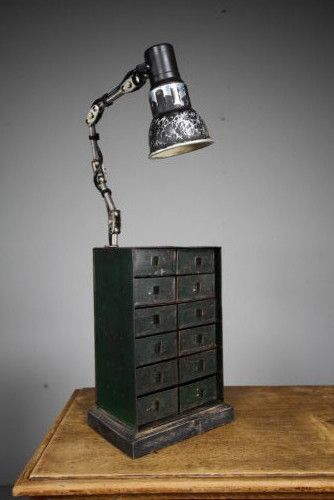
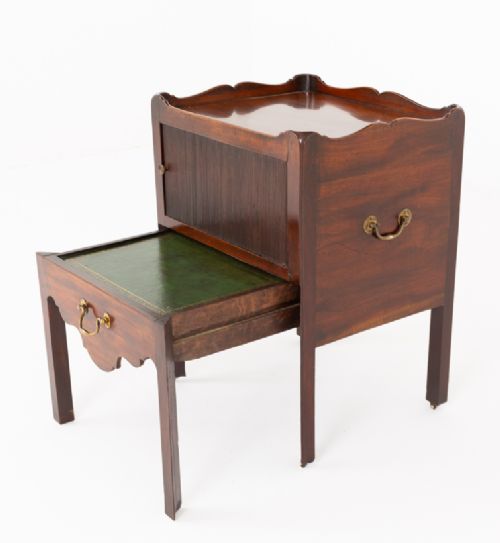
Surface treatments combine bare timber with historic layers of paint, ranging from original painted pine surfaces to remnants of industrial finishes on iron and wood. Iron and brass fittings, including hinges, handles, and locks, were hand-forged or cast, securing doors and drawers while adding structural contrast to the timber and painted exteriors.
Listings feature oak, pine, mahogany, iron, and brass across periods spanning the 18th century to the 1920s.
Factors Determining Quality
Quality in these pieces is dictated by the integrity of the timber, the depth and precision of hand-carved elements, and the survival of original painted finishes or hardware. Superior examples demonstrate thoughtful proportions, robust structural framing, and well-executed decorative motifs such as Green Man carvings or intricate tracery.
The distinction between standard domestic items and finer pieces often lies in the choice of primary timbers, such as figured mahogany or quarter-sawn oak, coupled with the restraint or richness of the decorative program. Originality of surface, including untouched historic paint layers or patinated brass, holds significant weight in assessing the standing of any given piece.
Melissa White
The Dark Green Cupboard Glossary
- Pot Board
- An open lower shelf on a dresser, historically utilised for storing earthenware pots and heavy kitchen utensils. This feature is commonly observed in traditional English country furniture.
- Green Man
- A sculptural architectural ornament depicting a human face carved with leaves, vines, and foliage bursting from the mouth. It appears frequently on Victorian and 19th-century carved oak sideboards.
- Chiffonier
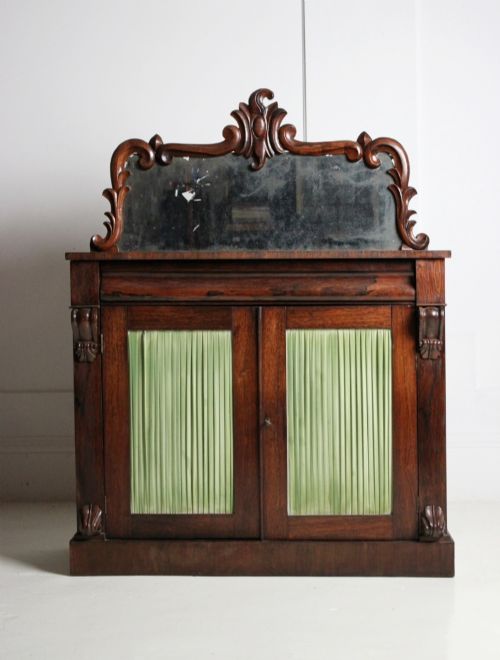
- A low, compact sideboard or cabinet equipped with drawers and enclosed shelving below, gaining popularity during the Regency and Victorian eras. These pieces provide surface display alongside modest enclosed storage.
- Buffet
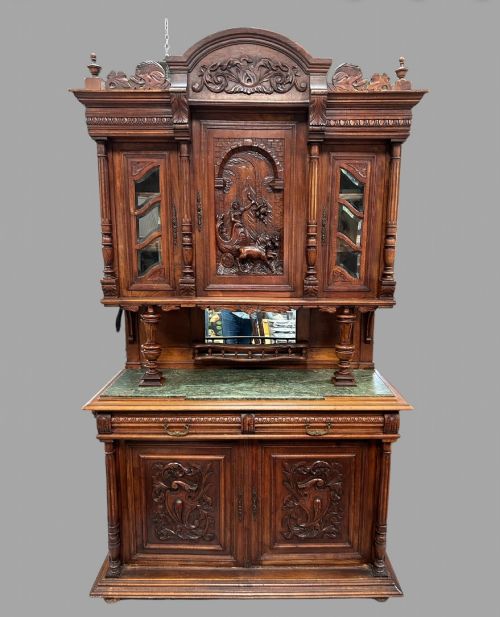
- A sideboard or serving table designed for dining rooms to hold dishes or food service items. Victorian iterations often incorporate heavy panel construction and elaborate carving.
- Bowfront
- A curved cabinet front where the central section projects outward in a convex arc. This styling softens the geometric profile of case pieces like dressers.
Dark Green Cupboard: Frequently Asked Questions
What periods do these cupboards cover?
The available pieces span multiple centuries, originating predominantly from the 18th century, the Victorian era, the Edwardian period, and into the 1920s.
Craftsmanship styles shift across these timelines, moving from plain painted pine country pieces to heavily carved oak revival sideboards and industrial iron cabinets.
Are the painted finishes original?
Surface treatments vary significantly across the inventory, with some items retaining their original painted pine or iron paint remnants, while others show patinated or later decorative coats.
Examining the paint layers under natural light helps determine whether the colour dates to the period of manufacture or represents subsequent decoration.
How were these cabinets used historically?
These pieces served practical storage functions in dining rooms, kitchens, libraries, and workshops, holding everything from table linen and books to heavy provisions and tools.
Sideboards and buffets assisted with meal service, while dressers and bookcases displayed ceramics and volumes in domestic settings.
How do I care for a painted antique cupboard?
Maintenance requires keeping timber furniture away from direct heat sources and sudden humidity changes to protect the wood and any historic painted surfaces from cracking.
Gentle dusting with a soft, dry cloth preserves the finish without stripping patinated layers or wearing down delicate carved details.