


Dark Framed Canvas Painting
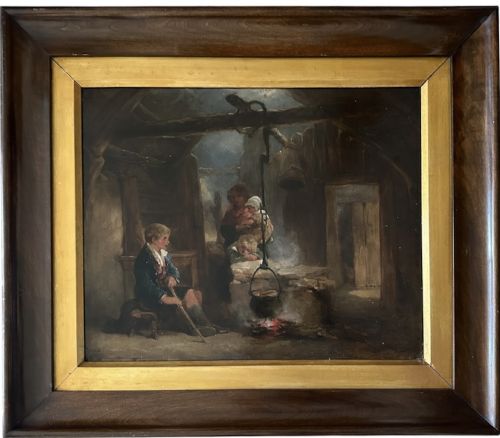
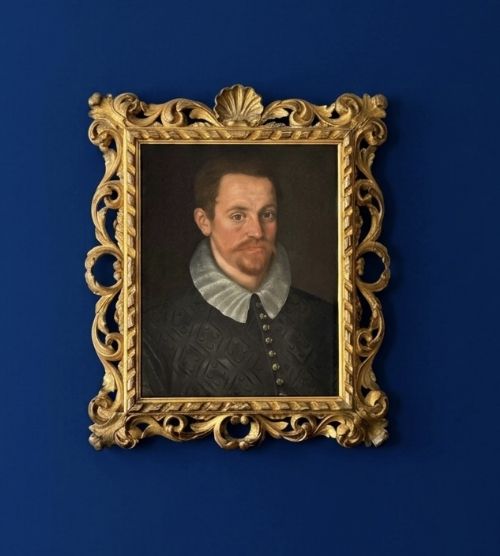
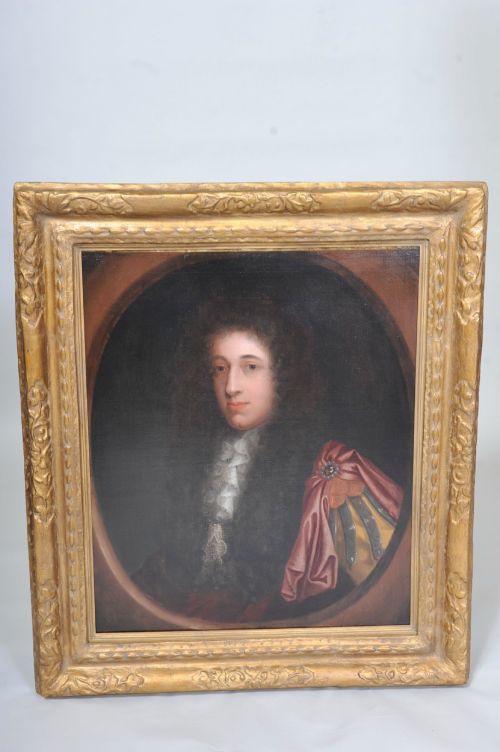
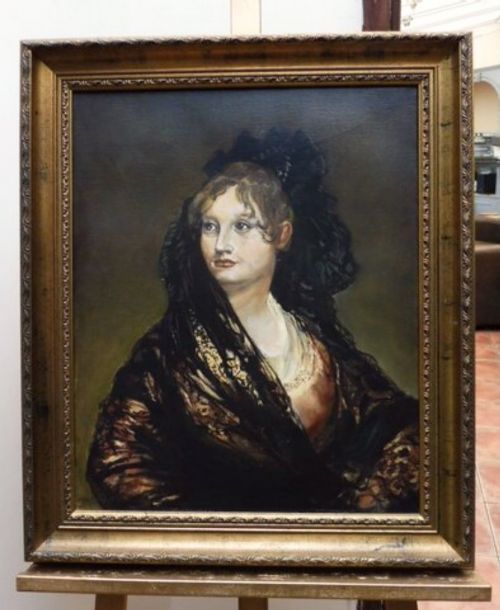
A dark framed canvas painting carries centuries of portraiture and narrative, anchoring a room with heavy oils and deep wooden surrounds.
Dark Framed Canvas Painting
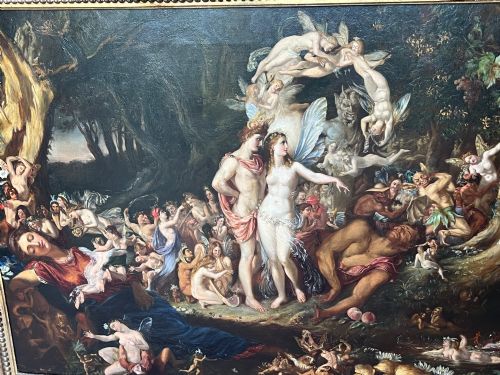
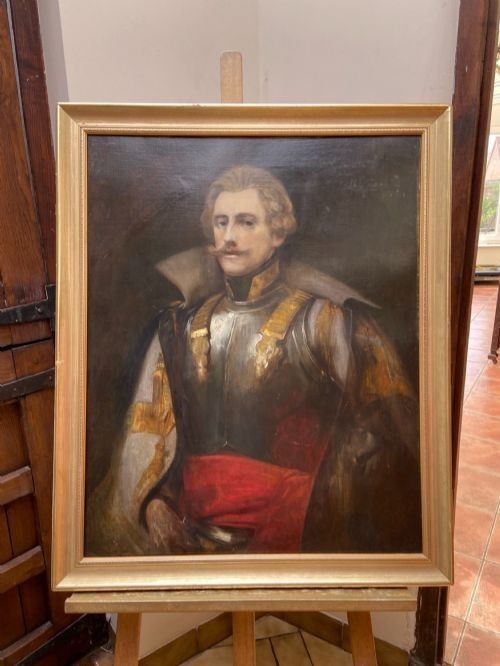
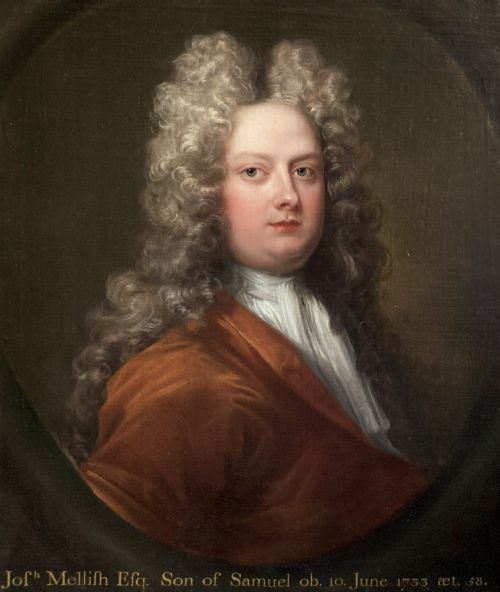
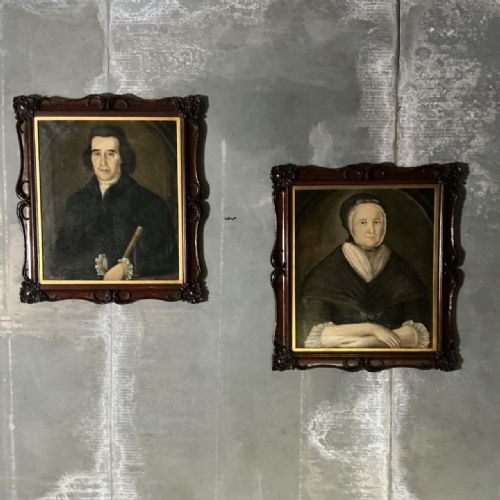
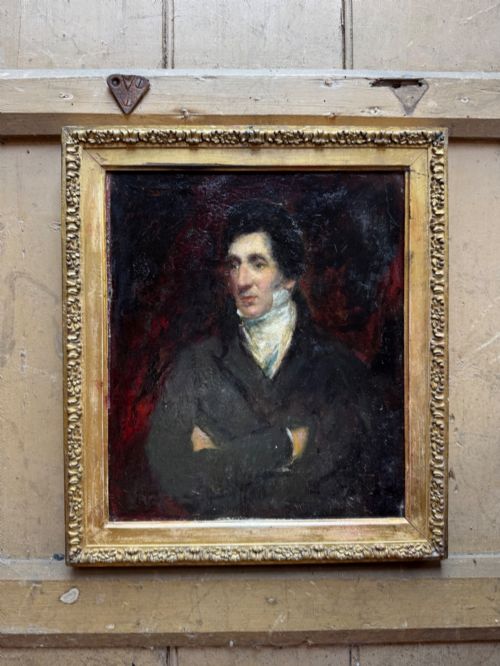
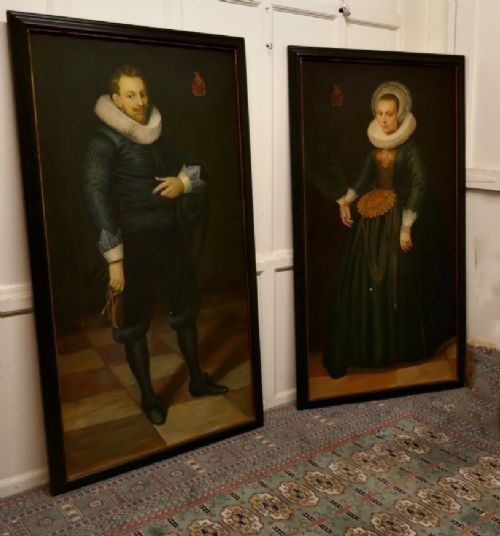
When searching for a dark framed canvas painting, collectors encounter centuries of portraiture, maritime scenes, and mythological subjects housed within substantial surrounds. These works span the 17th century through the mid-20th century, encompassing Baroque, Victorian, Georgian, and Regency aesthetic traditions.
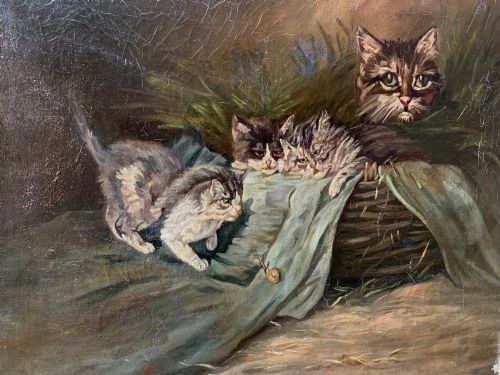
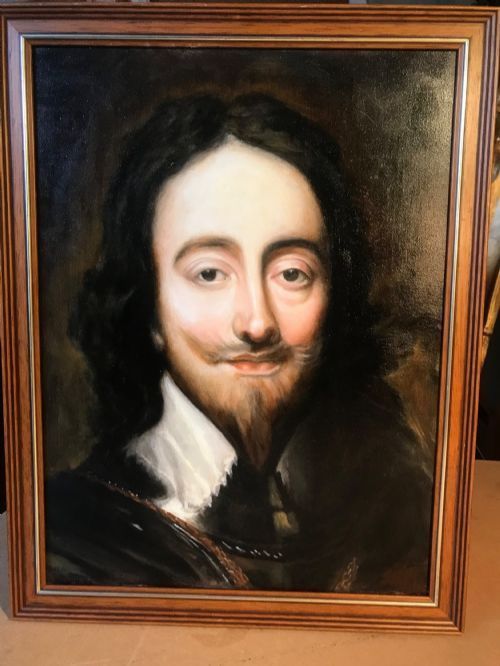
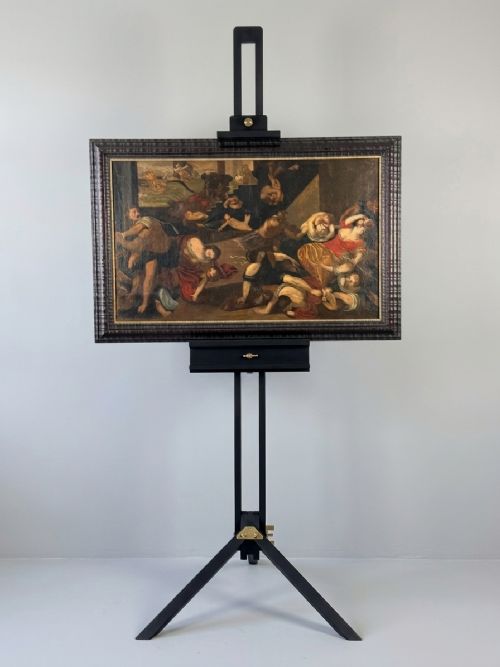
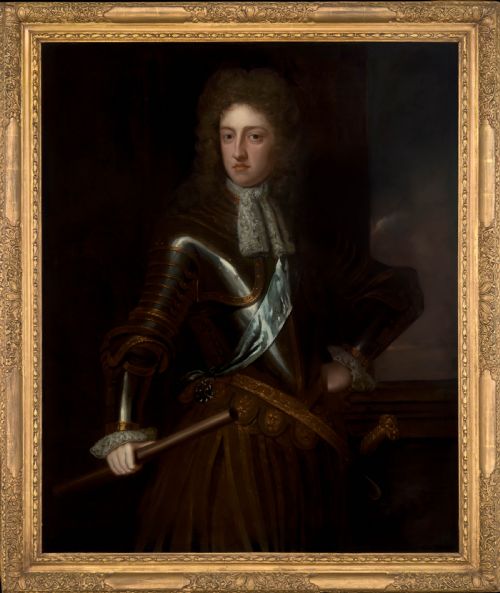
The predominant format on this page is the oil painting on canvas, frequently mounted in dark wood, giltwood, or gold leaf surrounds. Subjects range from aristocratic portraits and military officers to still lifes and biblical narratives, reflecting European schools from Dutch to French origins.
How They Were Made
Makers built these pieces using oil paint applied to woven canvas supports, stretched over wooden frames and secured within heavier timber or giltwood outer surrounds. The physical construction relies on traditional joinery for the surrounds and layered oil pigments for the painted surfaces.
Materials such as gold leaf and dark wood feature heavily in the framing elements, providing a strong visual boundary for the canvas within. The combination of oil on canvas with robust wooden surrounds ensures structural longevity across the centuries.
Listings feature oil paintings executed on canvas, vinyl canvas, and wood panels across the seventeenth, eighteenth, and nineteenth centuries.
What Varies in Quality
The sophistication of brushwork and the anatomical precision of the subject matter distinguish finer examples from simpler provincial works. Masterly handling of light, shadow, and fabric textures elevates a portrait or narrative scene far above mechanical or naïve execution.
The integration between the canvas and its surround dictates much of the visual cohesion, with period-matching frames offering greater stylistic integrity than later replacements. The depth of pigment layering and the preservation of the original canvas grain further separate standard decorative works from fine art pieces.
Charles Jervas·Cornelis Van Der Voort·Sir Godfrey Kneller·Sir Peter Lely·James Howe
The Dark Framed Canvas Painting Glossary
- Oil on Canvas
- A painting medium where pigments are bound with drying oils, applied to a stretched fabric surface. This combination allows for rich colour depth and subtle blending.
- Giltwood
- Wood that has been treated with a thin layer of gold leaf or powder. It provides a reflective, ornate border that contrasts with dark painted compositions.
- Old Master
- A term for a European artist of high skill working before about eighteen hundred. These painters established foundational conventions in portraiture and narrative art.
- Provincial School
- Art produced outside major metropolitan cultural centres, often showing local stylistic tendencies. These works exhibit charming departures from academic standards.
Dark Framed Canvas Painting: Frequently Asked Questions
How do I hang a heavy framed canvas?
Heavy oil paintings require robust wall fixings, typically steel screws and wall plugs matched to the weight of the timber and canvas. Secure the hanging wire or D-rings directly to the heavy structural members of the frame rather than secondary mouldings.
Ensure the hanging height places the centre of the canvas at average eye level for optimal viewing. Using two suspension points rather than one prevents the heavy frame from tilting over time.
How do I date an antique canvas?
Examining the stretcher bars, nails, and canvas weave reveals clues regarding the age of the piece. Hand-carved wooden stretchers and square-cut nails point toward earlier centuries.
Stylistic elements in clothing, hair, and framing conventions help narrow the period of creation. Signatures, inscriptions on the reverse, and historical dress details provide further chronological markers.
What lighting suits these dark paintings?
Warm, low-intensity picture lights mounted above the frame highlight the rich tones of oil pigments without causing heat damage. Avoid placing these canvases in direct sunlight, which degrades organic binders and fades colours.
Incumbent ambient room lighting should complement the directional glow of dedicated picture illumination. Diffused light prevents harsh glare on glossy varnished surfaces.