


Dark Fabric Armchair
A dark fabric armchair anchors a room with deep texture and solid timber, offering a comfortable seat shaped by centuries of craft.
Dark Fabric Armchair
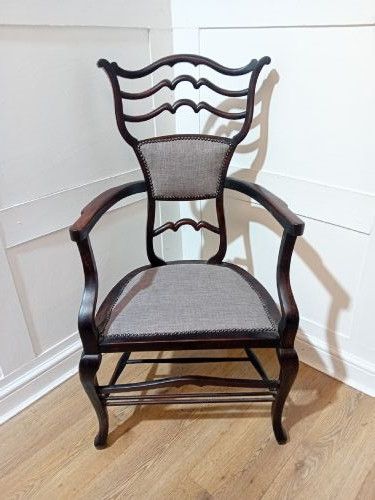
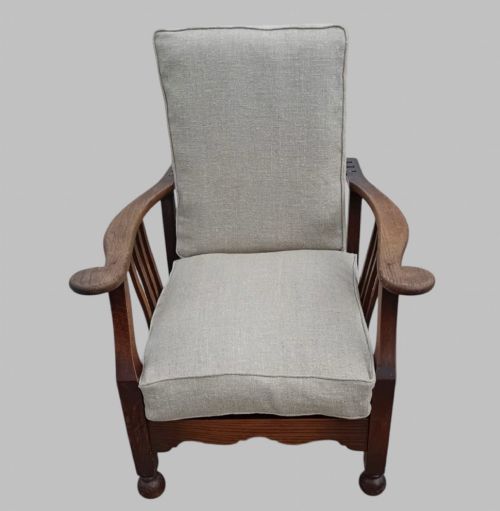
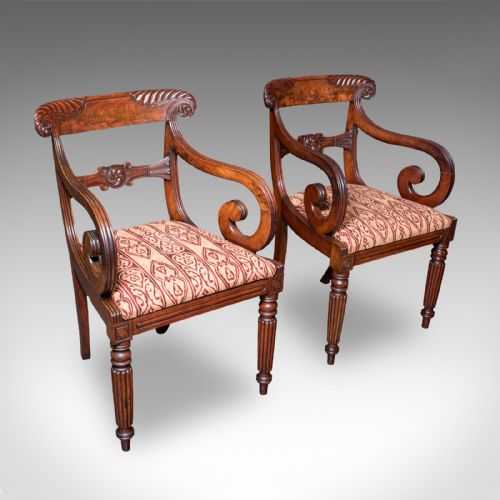
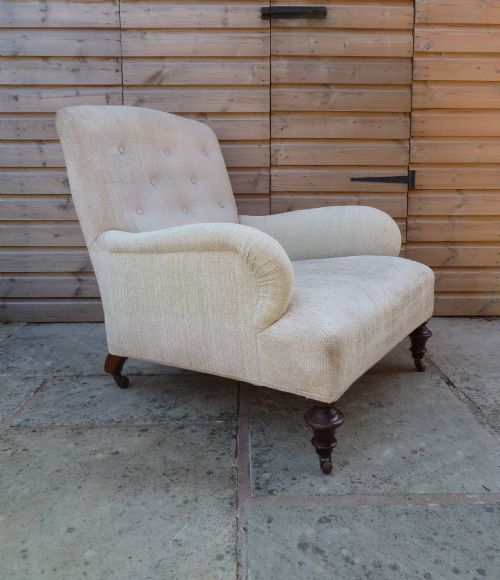
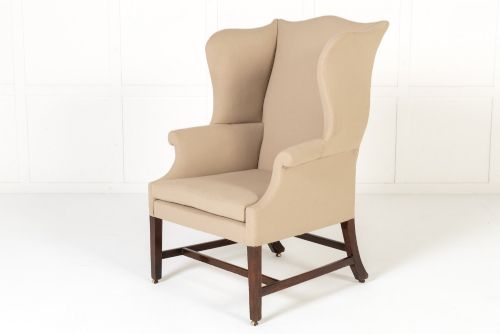
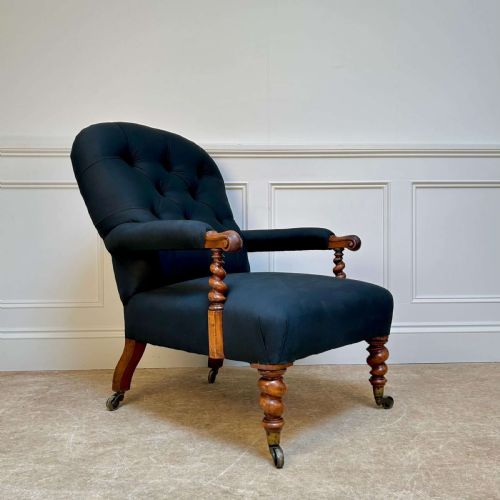
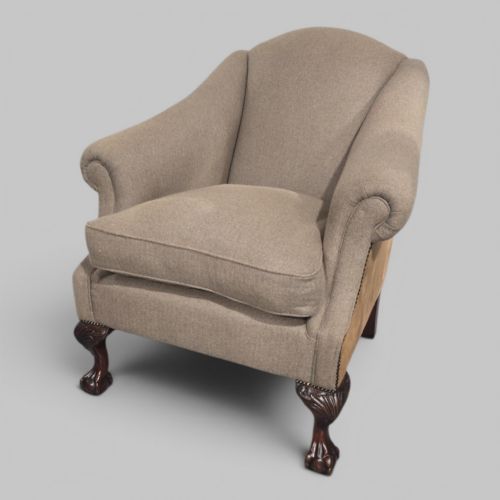
When you search for a dark fabric armchair, you encounter seating built across several historical periods, including the Georgian, Regency, Victorian, and Edwardian eras. These pieces range from substantial wing chairs and library seating to Arts and Crafts reclining chairs and low-backed occasional seats.
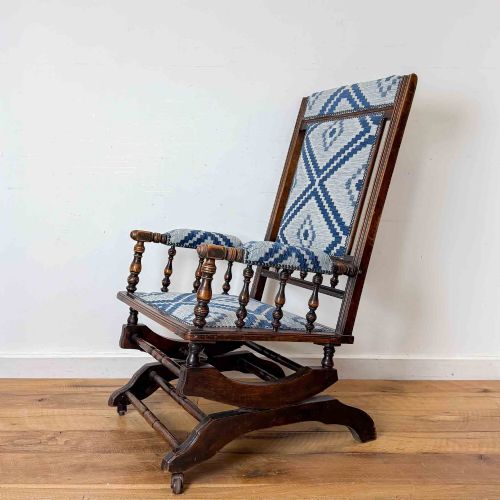
Makers shaped these forms to suit diverse domestic uses, producing rocking chairs, desk chairs, elbow chairs, and large scale wing chairs. Each example reflects the distinct aesthetic of its period, moving from clean Arts and Crafts oak frames to ornate Victorian and Edwardian carved mahogany structures.
How they were made
Craftsmen built the structural frames of these armchairs using dense hardwoods like mahogany, oak, and walnut, often shaping the timber with hand-carved details or turned spindlework. Joinery relied on traditional pegged or mortice and tenon joints to ensure the structural longevity of the chair.
Upholstery techniques involved securing durable textiles, including damask fabric and woven dark cloths, over stuffed foundations supported by webbing or horsehair stuffing. Brass tacks and decorative nailing frequently secured the fabric edges along the wooden rails of the frame.
Some chairs incorporate clever nineteenth-century mechanical adjustments for reclining, proving that Victorian comfort engineering rivals modern seating.
What varies in quality
The standard of a dark fabric armchair rests upon the integrity of its timber frame and the weight of the chosen wood. Denser hardwoods like solid mahogany or quarter-sawn oak provide superior structural stability compared to lighter or softer timbers.
Execution of carved details and the precision of the joinery distinguish finer examples from standard workshop production. Chairs retaining their original framing and high-grade textile upholstery demonstrate superior historical preservation and craftsmanship.
Howard and Sons·Hindley and Sons·Heals of London
The Dark Fabric Armchair Glossary
- Wing chair
- An upholstered armchair with high sides designed to shield the sitter from draughts near a fireplace. Early examples date to the eighteenth century.
- Elbow chair
- A term used to describe an armchair with short armrests intended for dining or reception rooms. These pieces often accompany larger dining sets.
- Curule chair
- An ancient X-frame form revived during the nineteenth century, featuring crossed legs and structural supports. This style appears in Renaissance Revival seating.
- Spindleback
- A chair back constructed with vertical turned wooden rods or spindles. This design is common in Edwardian and Arts and Crafts seating.
- Damask
- A reversible figured fabric woven on a jacquard loom, frequently utilised for formal upholstery. The pattern shows on both sides with contrasting matte and lustrous surfaces.
Dark Fabric Armchair: Frequently Asked Questions
How do I identify a Victorian armchair?
Victorian armchairs typically display heavy carved mahogany or oak frames, deep buttoned upholstery, and robust proportions intended for formal nineteenth-century interiors. They often incorporate sprung seats and dark patterned fabrics.
Makers of this era favoured substantial timber structures and elaborate scrollwork, distinguishing them from the lighter lines of earlier Georgian pieces.
What defines an Arts and Crafts armchair?
An Arts and Crafts armchair emphasises exposed construction, straightforward oak frames, and functional adjustments such as reclining mechanisms. These pieces reject excessive ornamentation in favour of honest craftsmanship.
You will often notice visible joinery, spindle detailing, and sturdy upholstered cushions designed for practical domestic comfort.
Where should I place a wing chair?
Wing chairs suit reading corners, studies, and firesides where their high backs provide both physical shelter and a strong visual focal point. Their scale requires adequate surrounding space to appreciate the timber legs and upholstery.
Pairing one with a low side table creates a functional reading nook that complements traditional and period interiors.
How do I care for dark fabric upholstery?
Protect dark fabric upholstery by keeping the chair away from direct sunlight to prevent the textile colours from fading over time. Gentle regular vacuuming with a soft brush attachment removes surface dust from the weave.
Treat timber frames occasionally with appropriate furniture wax to nourish the wood without marking the surrounding fabric.