


Dark Elm Altar Table
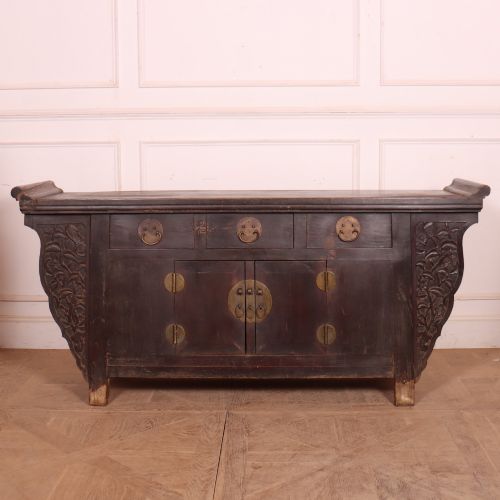
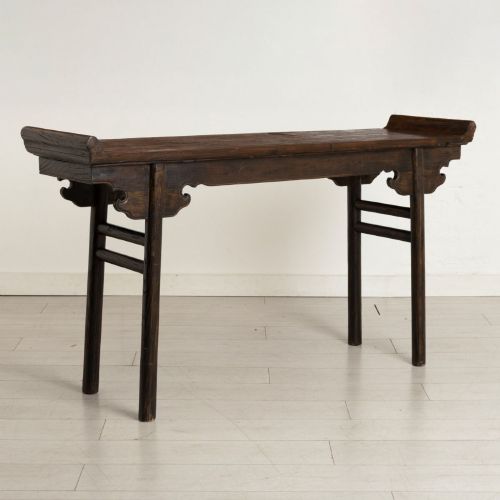
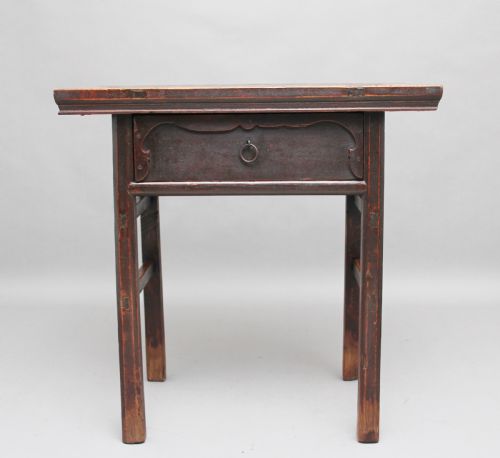
These dark elm altar table pieces are striking traditional Chinese furniture items that bring architectural presence and rich timber grain to an interior scheme.
Dark Elm Altar Table
A dark elm altar table represents a distinct category of traditional Chinese furniture designed originally for ceremonial spaces and domestic ritual. Surviving examples on this page span the eighteenth century, the nineteenth century, and the early twentieth century, reflecting enduring forms from the Qing Dynasty and provincial workshops.
How they were made
Construction relies primarily on elm and associated hardwoods, shaped by traditional joinery techniques developed over centuries in Chinese regional workshops. Metal components in brass and iron appear selectively as structural reinforcement or hardware.
Surface finishes range from natural timber patination to traditional lacquer treatments that highlight the grain. Selected pieces incorporate carved decorative elements executed directly into the hardwood frame.
Some tables feature subtle upturned flanges at the ends, originally designed to stop ritual wine cups from sliding off during ceremonies.
What varies in quality
Quality differences stem from the depth of timber patination, the integrity of the original joinery, and the crispness of any carved detailing. Pieces retaining their early surface finish and structural stability command greater interest from collectors.
Proportional harmony and the natural figuring of the elm timber distinguish finer provincial and dynastic examples from simpler utility pieces. The balance between functional wear and surviving original material defines the character of each individual table.
The Dark Elm Altar Table Glossary
- Altar table
- A traditional Chinese table featuring an elongated rectangular top, often with upturned flanges at the short ends, designed for ritual display. These forms originate from temple and domestic ancestral halls.
- Elm
- A durable hardwood native to Asia and Europe, utilised extensively in Chinese regional furniture for its strong grain pattern and resilience. It takes a rich dark tone through age and polishing.
- Qing Dynasty
- The final imperial dynasty of China, lasting from 1644 until 1912, encompassing a vast output of traditional furniture styles. Many pieces on this page date to the later years of this period.
- Trestle table
- A table construction where the top is supported by trestle ends or upright supports rather than four corner legs. This method provides stable structural backing for heavy plank surfaces.
Dark Elm Altar Table: Frequently Asked Questions
What is a dark elm altar table?
A dark elm altar table is a traditional Chinese form featuring an elongated top and sturdy wooden construction, originally built for display purposes in domestic or ceremonial spaces.
Today, these tables serve as striking console or display pieces in modern interiors, bringing historical depth and rich timber grain to a room.
How were these tables used originally?
Historically, such tables stood against walls in halls or temples to support ritual objects, ancestral tablets, or decorative arrangements. Their raised ends helped secure ceremonial vessels.
Over time, similar forms found a place in domestic rooms as functional furniture for holding household items or displaying works of art.
How do I style an altar table at home?
An altar table works effectively as a hallway console, a sofa table, or a focal point beneath a large mirror or artwork. Its narrow proportions suit placement in corridors and living spaces.
Keep the surface styling restrained to let the timber grain and traditional structural lines remain the primary visual focus.
How do I identify the period of an elm table?
Dating relies on assessing the timber patination, construction methods, and joinery style relative to known regional traditions from the Qing Dynasty and subsequent decades.
Examining the wear patterns and surface finish helps differentiate eighteenth-century examples from later nineteenth-century or 1920s pieces.