


Dark Brown Wool Mat
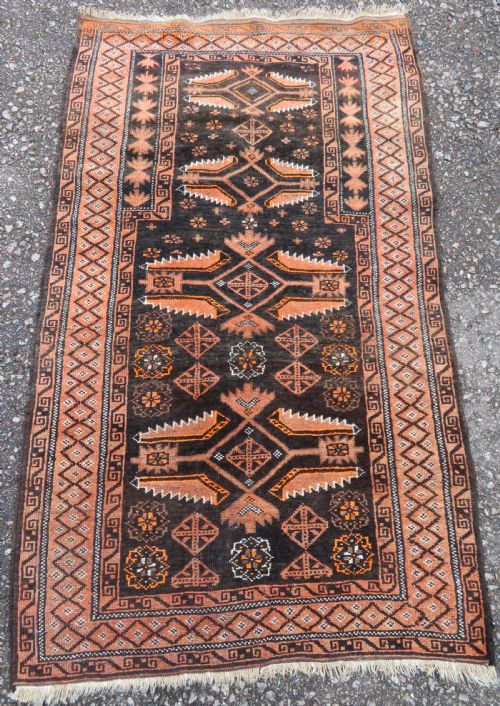
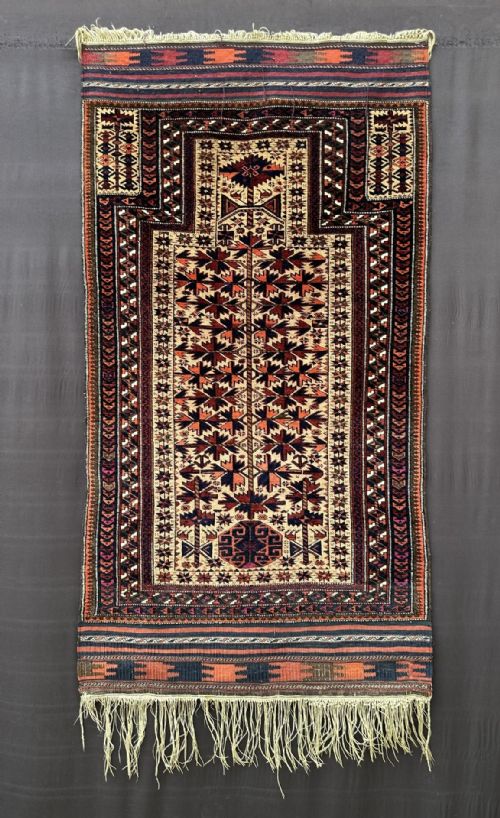
A dark brown wool mat brings rich tribal texture and deep earthy tones into a room.
Dark Brown Wool Mat
A dark brown wool mat encompasses tribal rugs, prayer rugs, and small pushti faces originating from nomadic and village workshops. These pieces span the late nineteenth century through to the early decades of the twentieth century, reflecting traditional weaving heritage across Persia, Afghanistan, and the Caucasus.
Nomadic weavers utilised local wool to produce dense, hardwearing textiles characterised by dark, saturated palettes. These mats served functional roles in daily tribal life before finding appreciation in interiors as decorative floor coverings.
How they were made
The fundamental material across all pieces is wool, spun by hand and knotted or woven on portable vertical and horizontal looms. Weavers employed natural dyes to achieve deep dark brown and black foundation tones, complemented by contrasting secondary shades.
Construction methods rely on traditional tribal techniques, resulting in sturdy structures designed for daily camp use or prayer. The density of the knotting and the quality of the fleece determine the handle and flexibility of each mat.
Nomadic weavers occasionally incorporated camel hair into dark brown wool mats to create natural golden-brown outlines that resist wear.
What varies in quality
Quality in a dark brown wool mat depends upon the precision of the tribal design work, such as Herati patterns, lotus leaf motifs, or specific prayer arch configurations. Tighter knot counts and finer wool preparation elevate the fidelity and longevity of the weaving.
The integrity of the original borders, selvedges, and pile retention dictates the overall preservation of the textile. Distinct regional attributions and clear tribal designs carry greater interest for collectors seeking specific weaving groups.
The Dark Brown Wool Mat Glossary
- Prayer rug
- A small rug featuring a mihrab or arch design used traditionally for daily prayers. The niche points towards Mecca during ritual use.
- Pushti
- A small nomadic mat or bag face used for sitting or storage inside a tent. These compact pieces often display intricate tribal patterns.
- Mihrab
- The arched niche depicted on prayer rugs symbolising the gateway to paradise. Its shape varies distinctively between different tribal groups.
- Herati design
- A classic repeating floral motif featuring a central rosette surrounded by leaf blades. It appears frequently in Persian and borderland weaving.
- Mafrash
- A nomadic storage bag or container panel woven in flatweave or pile techniques. These items transported household goods during tribal migrations.
Dark Brown Wool Mat: Frequently Asked Questions
How do I clean a wool mat?
Gentle vacuuming without a rotating brush removes surface dust without damaging the antique wool fibres. Professional specialist cleaning is necessary for deeper maintenance to protect natural dyes.
Avoid saturation and harsh chemical detergents which cause shrinkage and stiffen the traditional foundation yarns.
Can I place these mats on high traffic floors?
These historical textiles withstand moderate foot traffic when protected with a quality underlay to prevent sliding and friction. Placing them in lower traffic areas preserves the remaining pile and structural integrity.
Direct, prolonged sunlight fades the dark brown wool and natural accent colours over time, so careful placement matters.
What is a Baluch rug?
Baluch rugs are woven by nomadic and semi-nomadic tribes inhabiting the borderlands of Persia and Afghanistan. They are traditionally recognised by dark colour palettes dominated by deep browns, indigos, and reds.
Weavers often incorporated geometric motifs, prayer arches, and camel hair details into these dense, durable domestic textiles.