



Dark Brown Wall Art
Dark brown wall art brings together centuries of oil paintings, carved wood panels and framed prints dominated by deep, earthy tones.
Dark Brown Wall Art
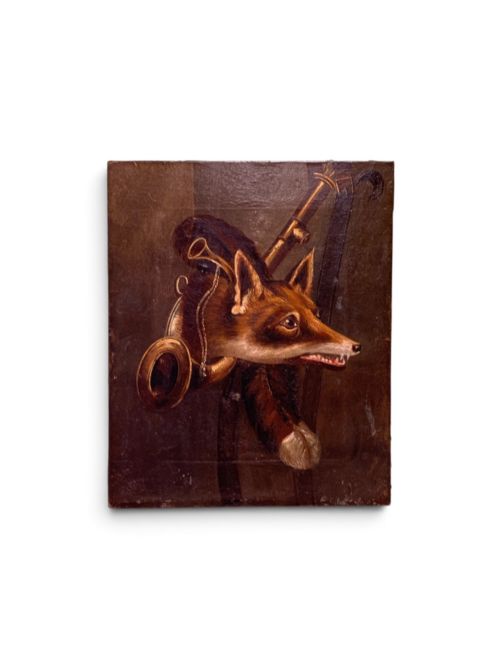
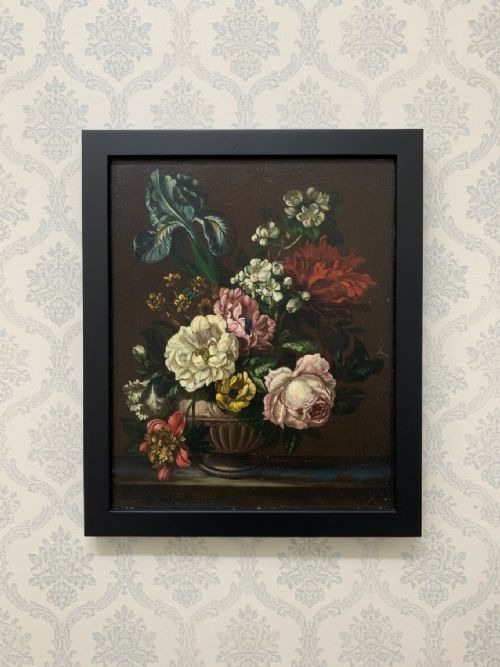
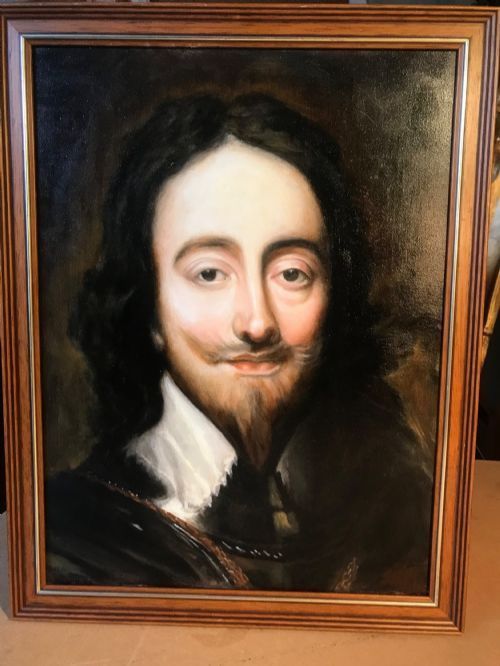
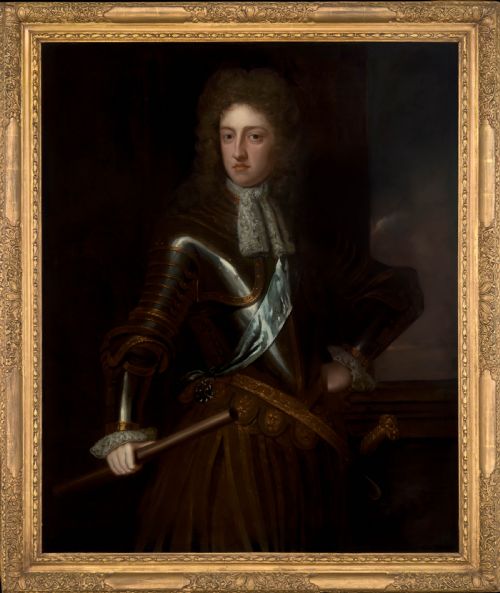
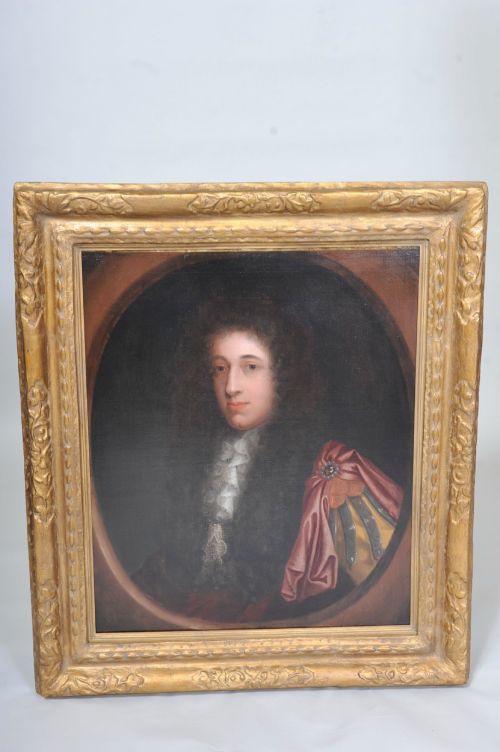
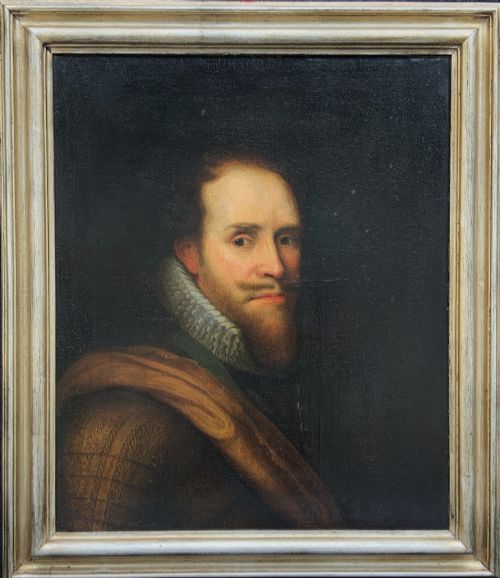
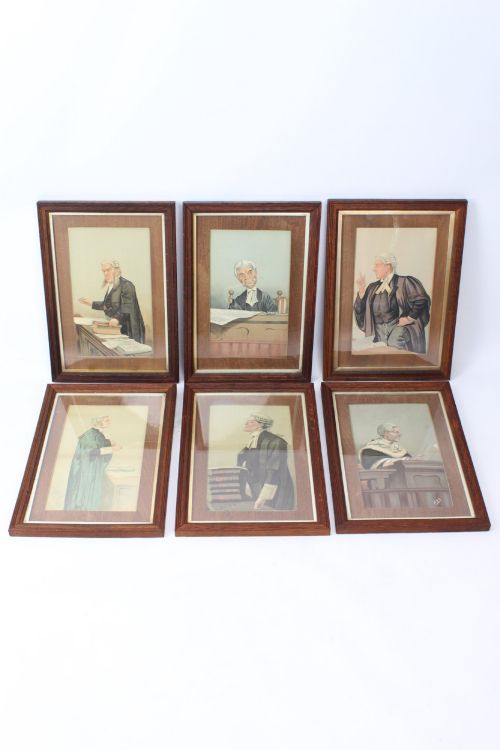
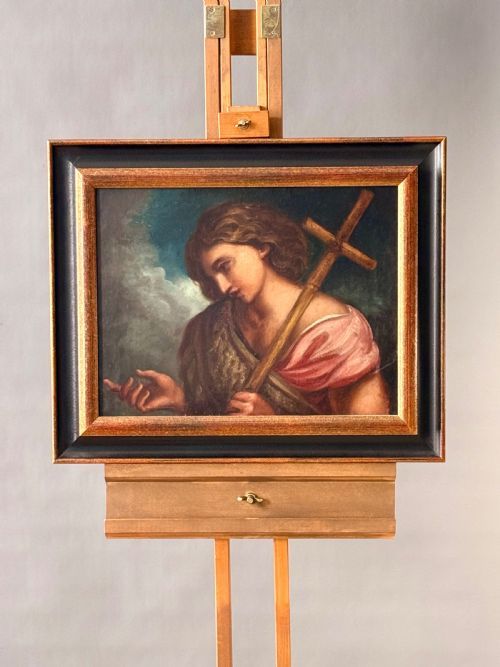
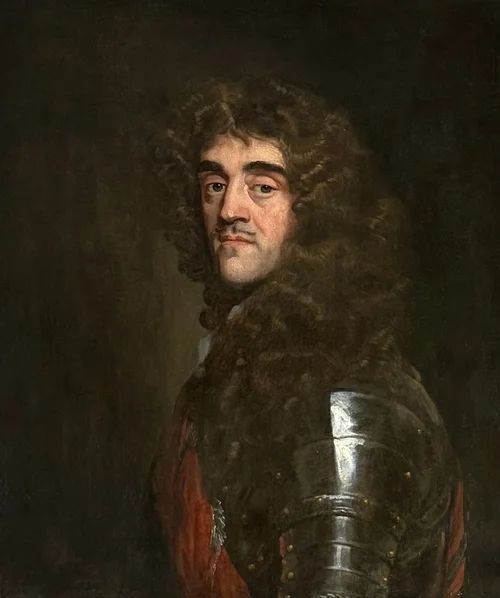
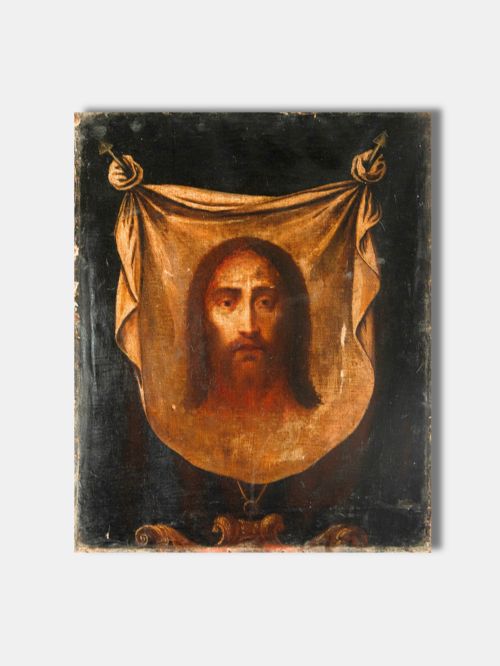
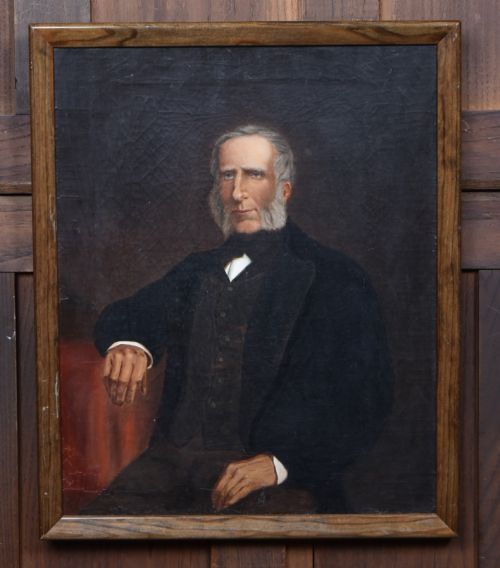
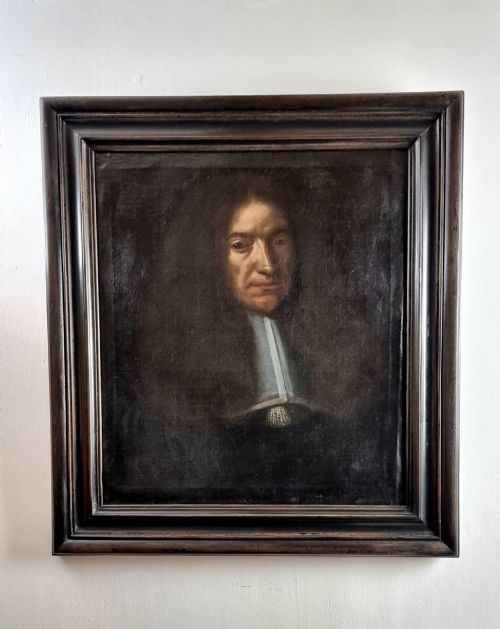
When searching for dark brown wall art, buyers encounter a rich assortment of antique oil paintings, portraits and wooden decorative pieces spanning from the seventeenth century through to the Edwardian period. The selections lean heavily towards European portraiture, religious scenes and still lifes rendered in deep, subdued palettes.
The most common items on this page are oil paintings on canvas or panel, frequently framed in heavy timber, along with carved wooden wall cabinets, panels and mirrors. These pieces originate from various regional schools, including Dutch, Spanish, and British makers.
The enduring appeal of these works lies in their sombre, rich tones, which create a sense of historical gravity and visual warmth in a room. Whether selecting a nineteenth-century maritime scene or a seventeenth-century noble portrait, collectors acquire works defined by deep ochres, umbers and aged varnishes.
Materials and Construction
The physical objects rely primarily on traditional artist materials such as oil paint applied to stretched canvas, wooden panels or paper. Canvases are frequently secured within heavy oak or moulded wooden frames that have darkened with age.
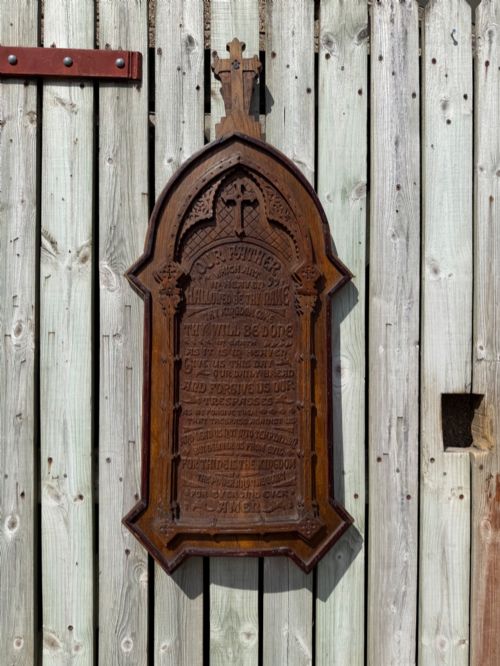
Woodworking techniques are prominent in the three-dimensional pieces, utilising carved oak for wall cupboards, architectural plaques and tramp art mirrors. Joinery relies on period methods, with panels showing hand-carved details and glass elements set into traditional rebated frames.
A wool work depicting a tiger sits among the oil paintings, proving that dark brown walls welcomed embroidered beasts long ago.
Evaluating Quality
Quality in these works rests on the finesse of the brushwork, the depth of the composition and the preservation of the original surface pigment. Finer pieces demonstrate confident handling of light and shadow, particularly in seventeenth-century portraits and Dutch old master paintings.
For wooden artefacts and carved panels, the crispness and depth of the hand-carving distinguish superior examples from simpler utilitarian items. The integrity of the original frame and the stability of the canvas or wood support also influence the standing of an individual piece.
John Greenhill·Sir Godfrey Kneller·Augustin Edouart·Margaret Sarah Carpenter·Brian Shields Braaq
The Dark Brown Wall Art Glossary
- Oil on panel
- A painting executed on a flat wooden board rather than canvas. This substrate was favoured by early European schools for its stability and smooth surface.
- Old Master
- A term applied to European painters of skill working before about eighteen hundred. These artists produced the dark, atmospheric canvases frequently found in early wall decor.
- Tramp art
- A folk art movement where utilitarian wooden objects, such as frames and mirrors, were constructed using chipped or carved boxwood. Makers often utilised scrap materials like cigar boxes.
- Portraiture
- The representation of a particular person through painting, drawing or printmaking. Historical examples often capture sitters in dark, formal attire against shadowed backgrounds.
- Provenance
- The documented history of ownership of an antique object. A clear record adds context and verification to period paintings and panels.
Dark Brown Wall Art: Frequently Asked Questions
How do I care for antique oil paintings?
Keep paintings away from direct sunlight and sudden temperature changes to protect the canvas and aged pigments. Dust the surface gently with a soft, dry brush without applying pressure.
Avoid using water or chemical cleaners on old varnish layers. Professional conservation is recommended for any deep cleaning or canvas repairs.
What periods do these wall pieces cover?
The listings span from the seventeenth century through to the mid-twentieth century. Earlier works include seventeenth-century Dutch and Spanish school portraits.
Later pieces encompass eighteenth-century religious works, nineteenth-century seascapes and early twentieth-century prints or tramp art.
Are these frames original to the art?
Many older paintings retain period frames of matching wood or moulded composition, though framing styles often evolved or were replaced over centuries. The interaction between the dark tones of the frame and the canvas contributes to the overall visual impact.
Descriptions note specific frame materials such as carved oak to help identify the period of the housing.