
Dark Brown Tripod Table
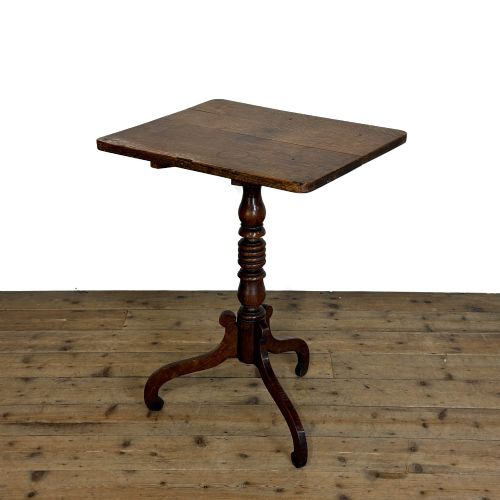
A dark brown tripod table offers a compact surface raised on a central pillar and three legs, combining practical utility with refined historic character.
Dark Brown Tripod Table
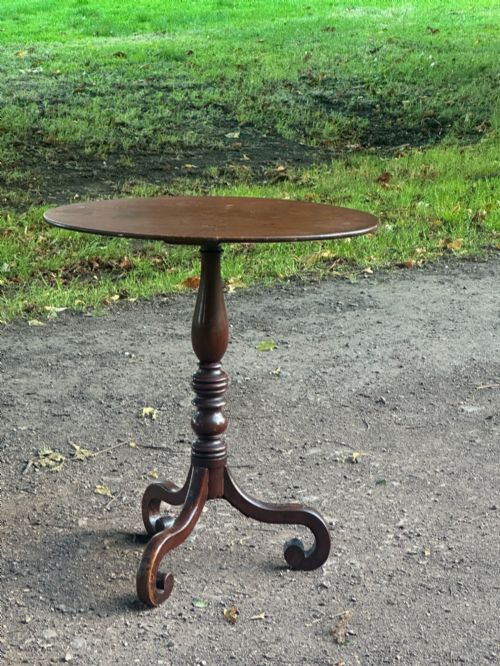
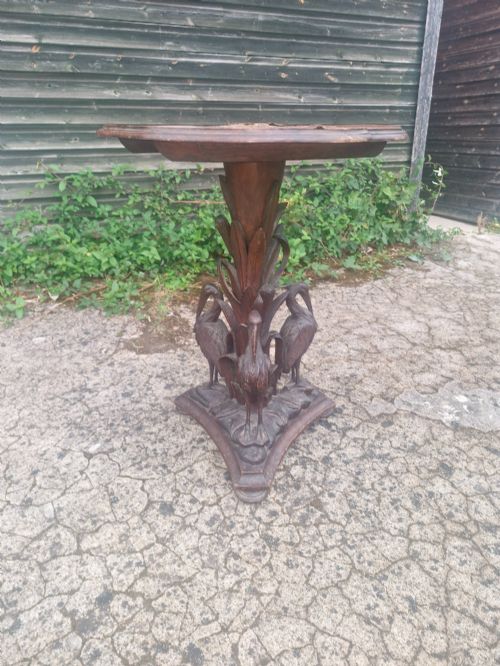
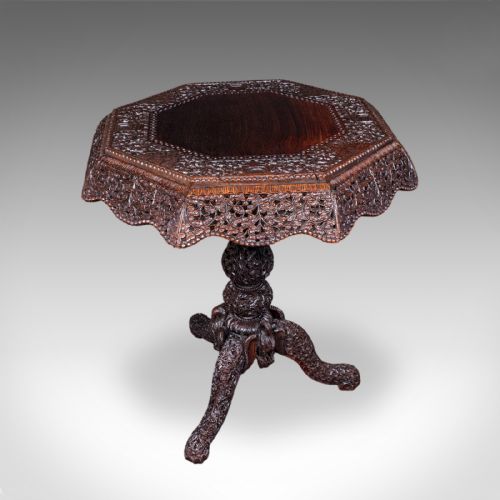
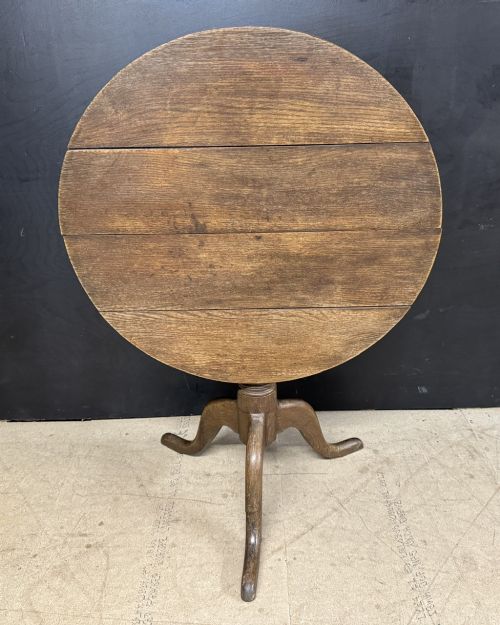
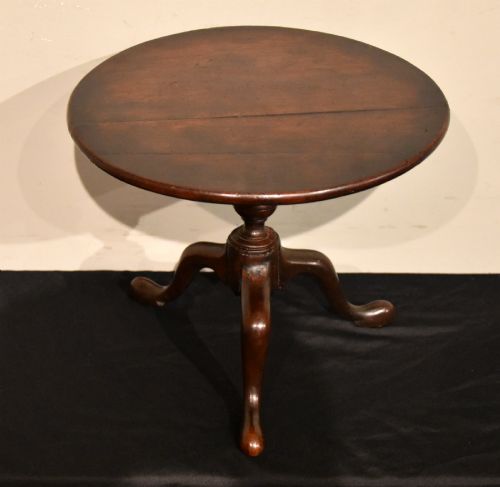
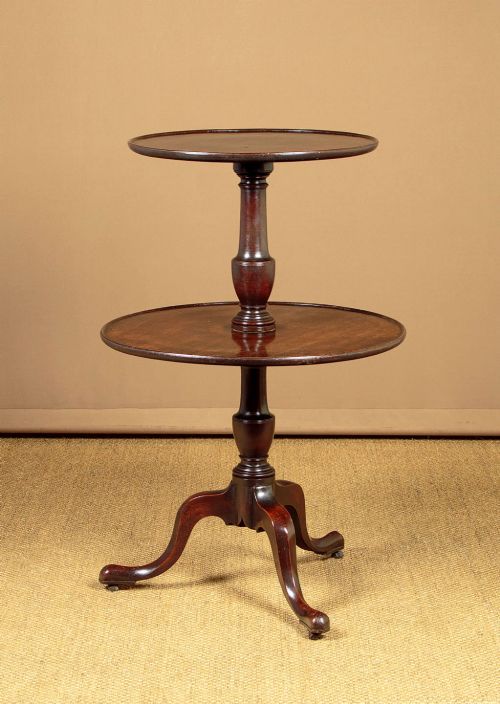
When you examine a dark brown tripod table, you are looking at centuries of versatile English and continental furniture design. These pieces appear primarily as wine tables, lamp tables, and tilt-top tables dating from the eighteenth and nineteenth centuries.
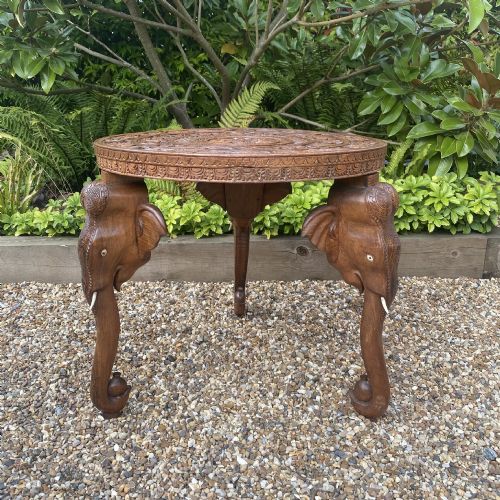
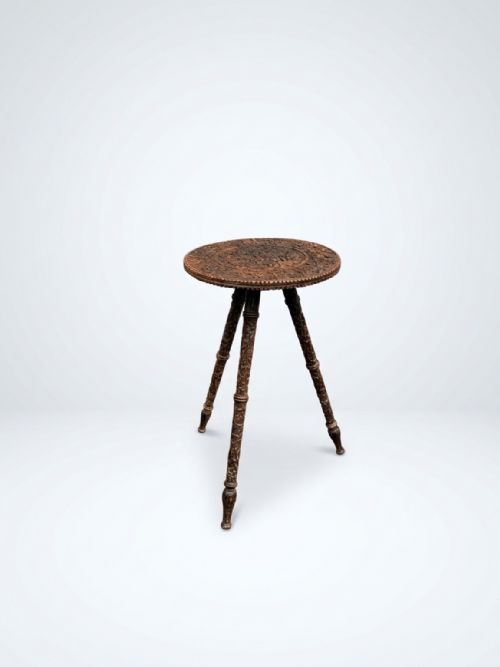
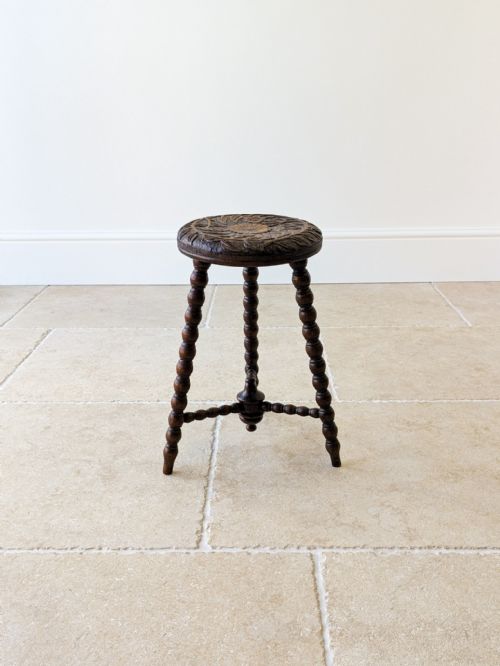
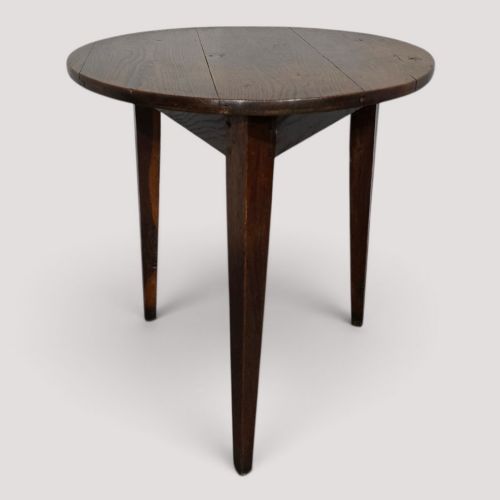
Beyond standard pillar forms, the selection includes rustic cricket tables with three legs and sturdy circular tops. Each variation reflects the domestic requirements of its period, from formal drawing rooms to vernacular country kitchens.
How they were made
Cabinetmakers constructed these pieces using dense hardwoods such as mahogany, oak, walnut, and fruitwood. Timber selection dictated both the structural integrity of the slender column and the capacity to turn intricate pillar profiles on a lathe.
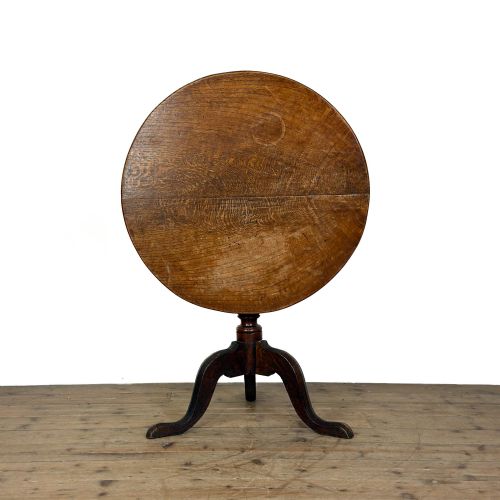
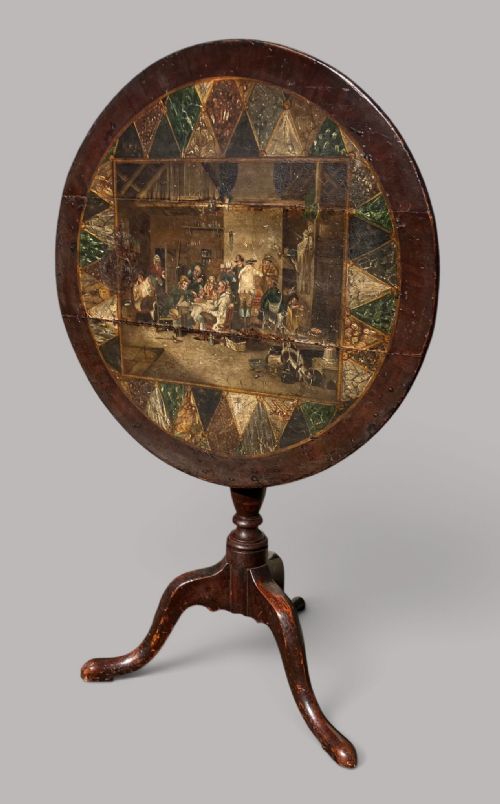
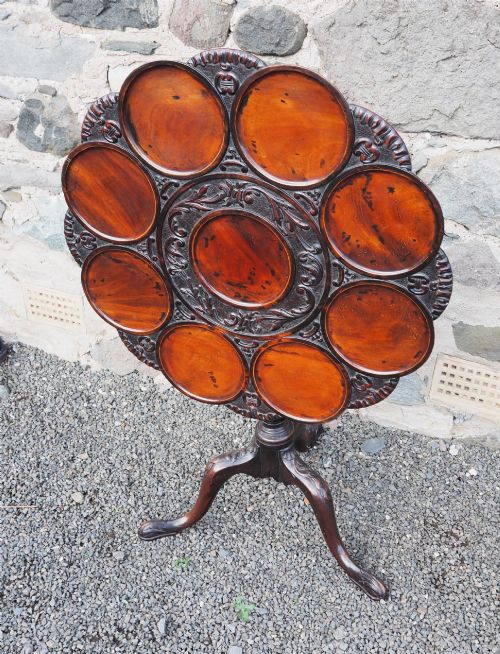
Many examples incorporate a birdcage mechanism or a tilt-top function, allowing the surface to fold vertically when not in use. Joinery typically involved pegged tenons, dovetailed joints, and carefully fitted balancing blocks beneath the top.
Listings span from the eighteenth century through the Edwardian era, featuring oak, mahogany, walnut, and beech timbers.
What varies in quality
The distinction between ordinary and superior pieces rests on the choice of timber and the precision of the turning. Mahogany with deep natural figuring and oak displaying tight medullary rays elevate the presence of a modest table.
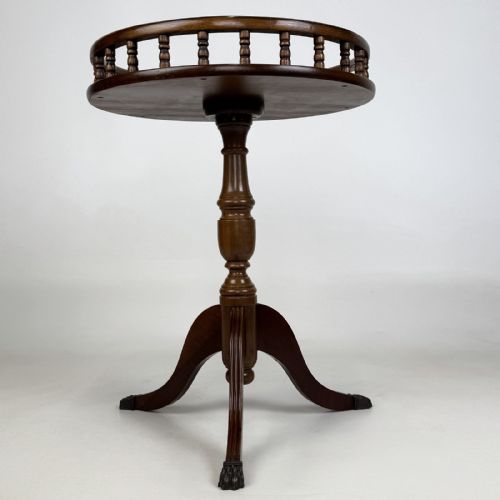
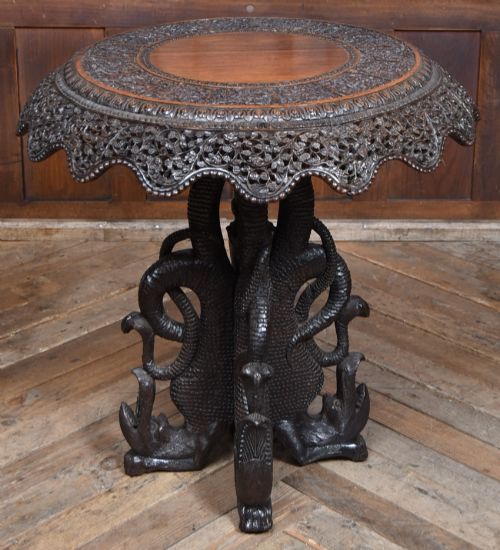
Proportion and stability determine the success of the design. A top that rests squarely on its spider legs without excessive wobble, combined with hand-carved cabriole legs ending in pad or snake feet, separates accomplished cabinet work from basic utility furniture.
The Dark Brown Tripod Table Glossary
- Tripod table
- A small freestanding table supported by a central pillar and three legs. This configuration prevents rocking on uneven historic floors.
- Tilt-top table
- A table with a hinged mechanism allowing the top to pivot upright. This clever feature saved valuable floor space in cramped period rooms.
- Birdcage mechanism
- A rotating wooden box frame beneath the table top. It permits both rotation and tilting of the surface.
- Cricket table
- A sturdy three-legged vernacular table with a round wooden top. The design originates from early English domestic contexts.
- Tray top
- A table surface featuring a raised moulded rim. This addition prevented wine glasses and small objects from sliding off.
Dark Brown Tripod Table: Frequently Asked Questions
What is a dark brown tripod table used for?
These tables served historically for holding candles, wine bottles, or tea service near seating areas. Today they function effectively as lamp tables or bedside stands in compact spaces.
Their modest footprint allows them to fit easily beside armchairs or fill neglected corners without crowding a room.
How do I identify a Georgian tripod table?
Look for dense mahogany or oak timbers, slender turned columns, and cabriole legs terminating in pad or snake feet. Eighteenth-century examples often feature pegged joinery and hand-shaped components.
Proportions tend to be balanced and restrained, prioritising functional elegance over heavy ornamentation.
What is a tilt-top mechanism?
A tilt-top mechanism uses a catch and pivot block beneath the surface to let the table top fold flat against the central column. This allowed servants to store multiple tables against the wall when rooms needed to be cleared for dancing or dining.
In daily use, it demonstrates the ingenious space-saving engineering common in historic cabinet making.
Are cricket tables the same as tripod tables?
Cricket tables share the three-legged format but belong to a more rustic, vernacular tradition usually constructed from oak. They typically feature pegged stretchers connecting the legs for extra stability rather than a single central pedestal column.
Their construction is heavier and more utilitarian than the formal pillar tables found in Georgian parlours.
How do I care for antique wood furniture?
Keep wooden tables away from direct sunlight and sudden temperature shifts to prevent the dry timber from splitting or warping. Dust gently with a dry cloth and apply natural beeswax periodically to nourish the historic finish.
Avoid modern silicone polishes, which build up over time and dull the patina accumulated across centuries.