
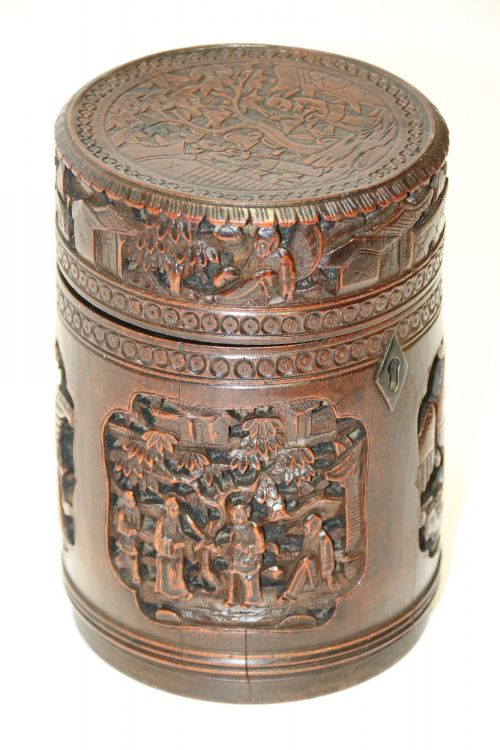


Dark Brown Tea Caddy
These dark brown tea caddy examples are handsome wooden containers designed to store precious tea leaves, offering tactile history and period charm.
Dark Brown Tea Caddy
A dark brown tea caddy represents a utilitarian household object from past centuries transformed into a decorative box for domestic interiors. When searching for a dark brown tea caddy, buyers encounter pieces originating from the Georgian, Regency, and Victorian periods, alongside later twentieth century iterations.
Origins span English workshops alongside examples influenced by Qing Dynasty design, demonstrating the broad appeal of dark brown tea caddy pieces across different markets and eras.
Materials and construction
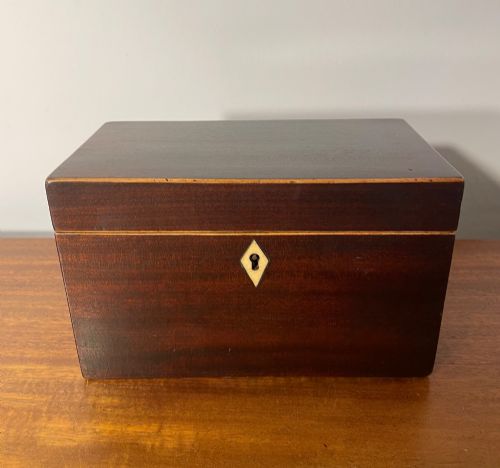
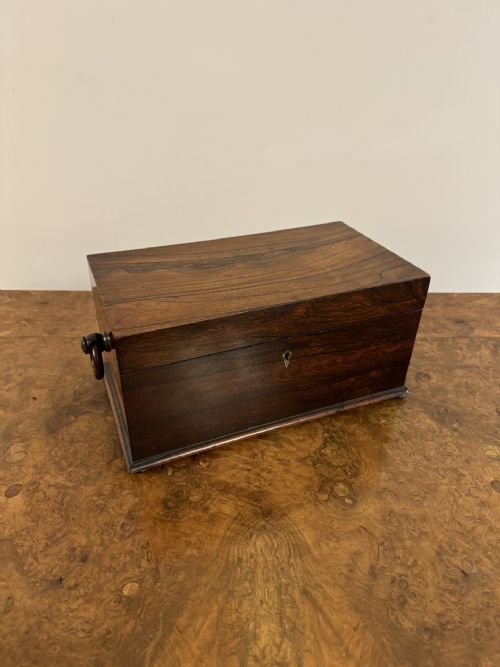
Cabinetmakers utilised dense timbers such as mahogany and rosewood to construct these containers, often selecting wood stock that aged to a rich dark brown patina. These primary woods provide both structural rigidity and a dark, figured surface well suited to decorative enrichment.
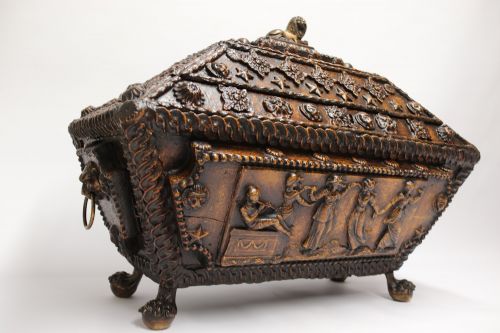
Detailing often involved brass hardware, bone escutcheons, and shell inlay, alongside carved bamboo and painted gesso decoration. Surface finishes relied on traditional polish and varnish techniques to enhance the natural grain of the wood.
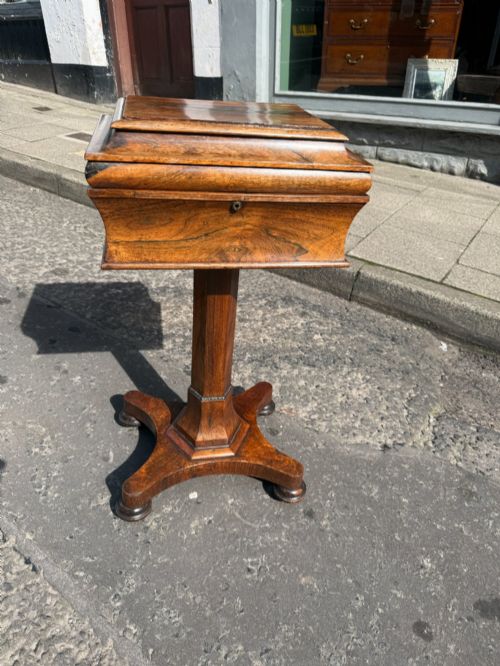
Object forms span standard tea caddies, teapoys, jewellery boxes, and decorative caskets.
Judging quality in dark brown tea caddy pieces
Quality rests upon the selection of timber and the precision of the cabinetmaker's joinery. Superior examples display carefully matched wood veneers and tight, clean joints that withstand centuries of handling.
Secondary materials and decorative elements distinguish finer output. Well-cast brass mounts, intricate shell inlay, and intact interior fittings elevate a piece above simpler utilitarian containers.
The Dark Brown Tea Caddy Glossary
- Tea caddy
- A container designed to store loose tea leaves securely. Early versions often included internal compartments and locking lids to protect an expensive commodity.
- Teapoy
- A small stand or table supporting a tea caddy. These pieces elevate the storage box onto legs, functioning as distinct items of furniture.
- Sarcophagus form
- A box shape featuring a sloping lid and angled sides reminiscent of ancient stone coffins. This architectural style proved popular for Regency and William IV storage boxes.
- Escutcheon
- A small protective plate surrounding a keyhole, frequently fashioned from brass or bone. It prevents the surrounding wood from sustaining damage when inserting a key.
- Veneer
- A thin layer of figured wood applied over a secondary timber base. This technique allowed cabinetmakers to display rich grain patterns economically.
Dark Brown Tea Caddy: Frequently Asked Questions
What is a dark brown tea caddy?
A dark brown tea caddy is a wooden storage box originally used to keep expensive loose tea leaves dry and secure. These containers date from the Georgian, Regency, and Victorian eras.
Today, they function as decorative objects or small storage boxes for jewellery and keepsakes on tabletops and sideboards.
How were tea caddies used originally?
In past centuries, tea was an expensive commodity kept under lock and key by the head of the household. Servants rarely handled the leaves directly.
Inside the box, compartmentalised canisters separated different varieties of green and black tea before brewing.
How do I identify a Regency tea caddy?
Regency examples frequently adopt architectural sarcophagus shapes with bold mahogany or rosewood grains. They often feature brass paw feet and ring handles.
By contrast, earlier Georgian pieces tend towards simpler rectangular or octagonal box forms with delicate inlay work.
Can I use an antique tea caddy for storage?
Many people continue to use these lidded boxes for storing small personal items, jewellery, or collections. The sturdy wooden construction suits daily domestic placement.
Care should be taken with original interior linings and delicate brass hinges when handling the boxes.