


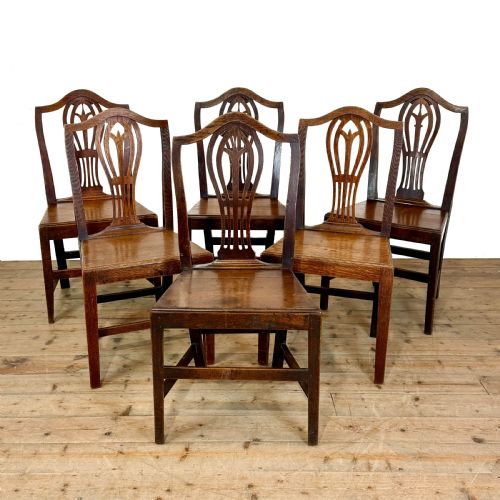
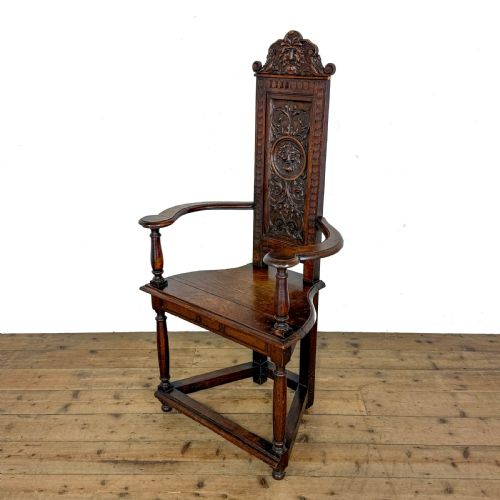


Dark Brown Gothic Chair
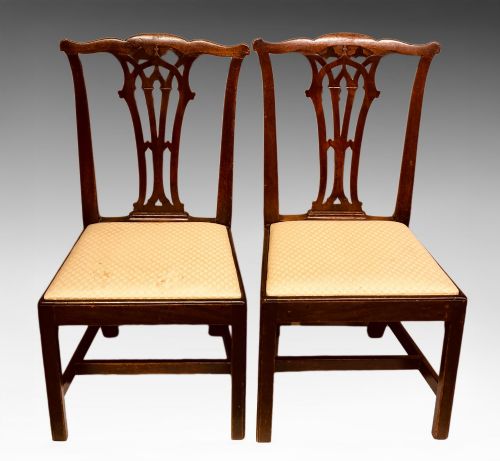
A dark brown gothic chair brings deep timber and severe lines into a room, offering a sturdy seat rooted in revival aesthetics.
Dark Brown Gothic Chair
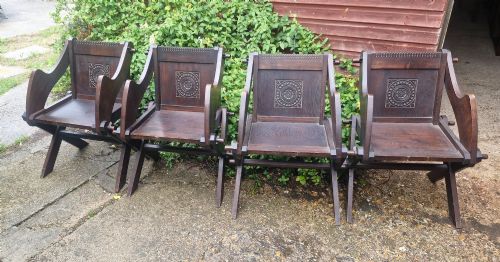
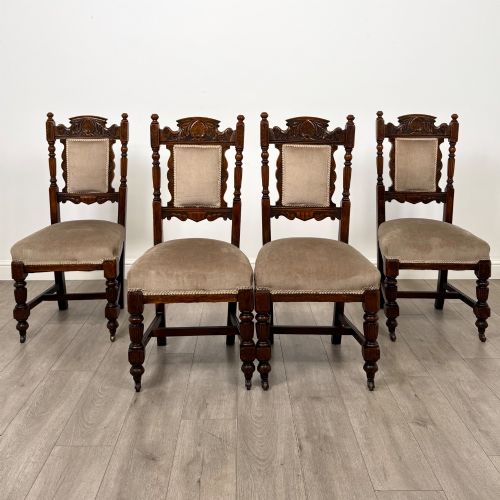
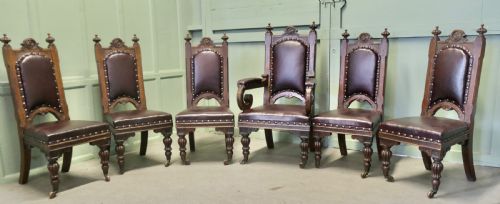
When searching for a dark brown gothic chair, buyers encounter heavy timber seating built during the nineteenth century and the Edwardian era, alongside occasional earlier examples. The selection spans robust oak armchairs, high back dining chairs, and hall seats influenced by ecclesiastical design.
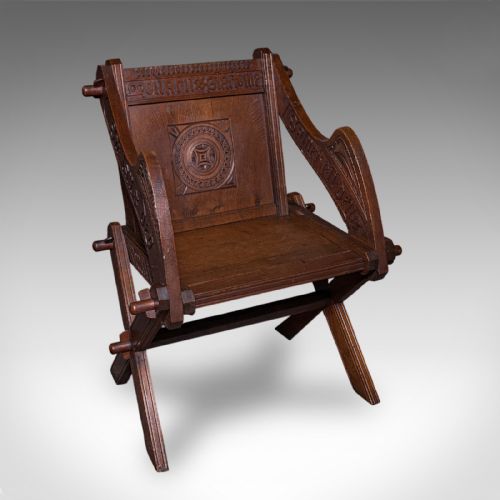
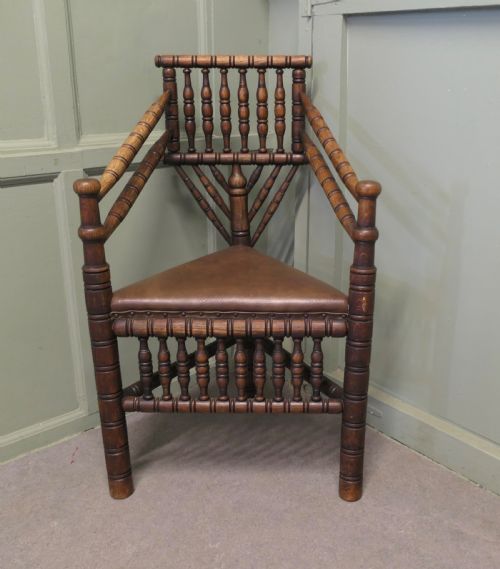
Most pieces on this page stem from the Victorian period, drawing on Gothic Revival and Jacobean styles. Formats vary from Glastonbury armchairs and turners chairs to library seating and metamorphic steps, reflecting domestic and public commissions of the nineteenth century.
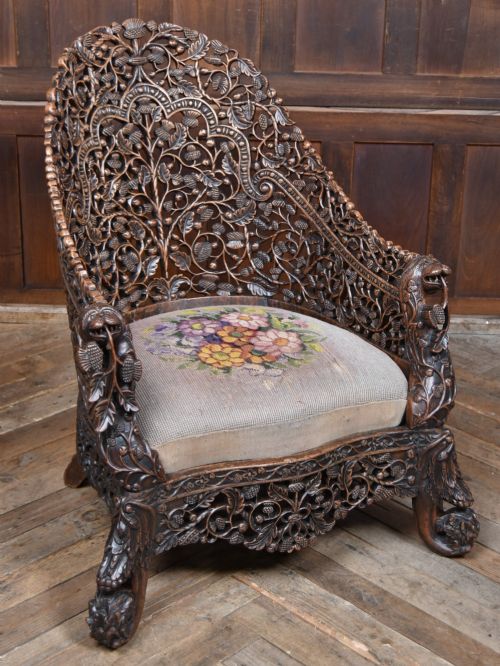
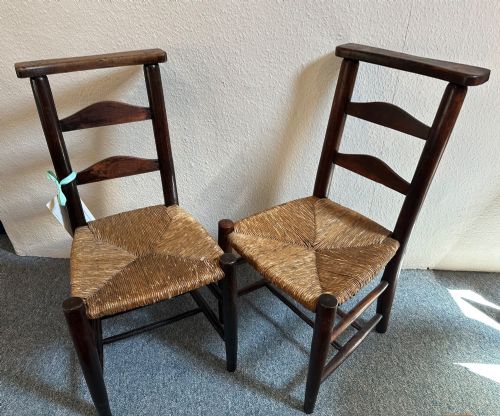
Makers utilised dark woods to project solemnity and historic weight, producing seating for churches, cathedrals, and grand homes. These forms range from simple side chairs to ornately carved throne chairs and monks benches.
What varies in quality
Quality rests in the crispness of the hand carving and the selection of timber grain, where deep, unblemished oak surpasses softer secondary woods. The depth of historical reference, from simple vernacular turnings to intricate architectural tracery, dictates the level of craftsmanship.
Structural integrity distinguishes utilitarian seating from exhibition pieces, with superior examples retaining original joinery, patinated leather, and maker stamps or institutional provenance.
Proportion and balance define the superior items, where heavy gothic elements remain functional rather than cumbersome.
Some chairs spent their youth listening to Victorian sermons before retiring to quiet hallways.
LAMBS of MANCHESTER·CHARLES BEVAN
The Dark Brown Gothic Chair Glossary
- Gothic Revival
- An architectural and decorative style that draws inspiration from medieval design, featuring pointed arches and trefoils. This aesthetic dominates the nineteenth-century seating seen on this page.
- Glastonbury Chair
- A type of folding armchair with X-frame supports and a sloped back, popular during the Gothic Revival. Traditional versions utilise solid oak construction.
- Turners Chair
- A heavy armchair constructed entirely from turned wooden spindles and rails, often associated with sixteenth-century forms replicated in the nineteenth century. The seat is typically solid triangular or square timber.
- Caquetoire
- A type of French armchair featuring a tall, narrow back and a trapezoidal seat designed for conversation. These pieces often appear in sixteenth-century revival styles.
- Minton Tiles
- Decorative ceramic tiles produced by the Minton factory, frequently incorporated into nineteenth-century hall chairs and furniture. They provide colourful contrast to dark timber frames.
Dark Brown Gothic Chair: Frequently Asked Questions
Where were these dark brown gothic chairs used originally?
Many of these chairs served in ecclesiastical settings, such as churches and cathedrals, while others furnished domestic libraries, halls, and dining rooms. Institutional pieces often bear direct markings from their original locations.
Domestic versions provided sturdy seating for reception rooms and studies, reflecting the Victorian taste for historicist interior decoration.
How do I identify a Victorian gothic revival chair?
Look for architectural motifs drawn from medieval buildings, including pointed arches, quatrefoils, and heavy turned members. Oak and walnut timbers finished in dark tones are standard across these designs.
Construction details such as pegged joints and deep relief carving help separate nineteenth-century revival pieces from earlier originals or later reproductions.
Are these chairs comfortable for daily use?
Most pieces feature upright wooden backs and solid seats designed for formal posture rather than lounging. Armchairs with upholstered leather pads offer a softer seat for extended sitting.
Their substantial weight and solid timber construction make them exceptionally stable for regular placement in a study or hallway.
How should I care for the dark oak timber?
Maintain the wood by applying occasional applications of natural beeswax to nourish the grain and preserve the deep patina. Avoid placing the furniture near direct heat sources to prevent the timber from splitting.
Dust regularly with a soft cloth to protect the carved details and finished surfaces.