
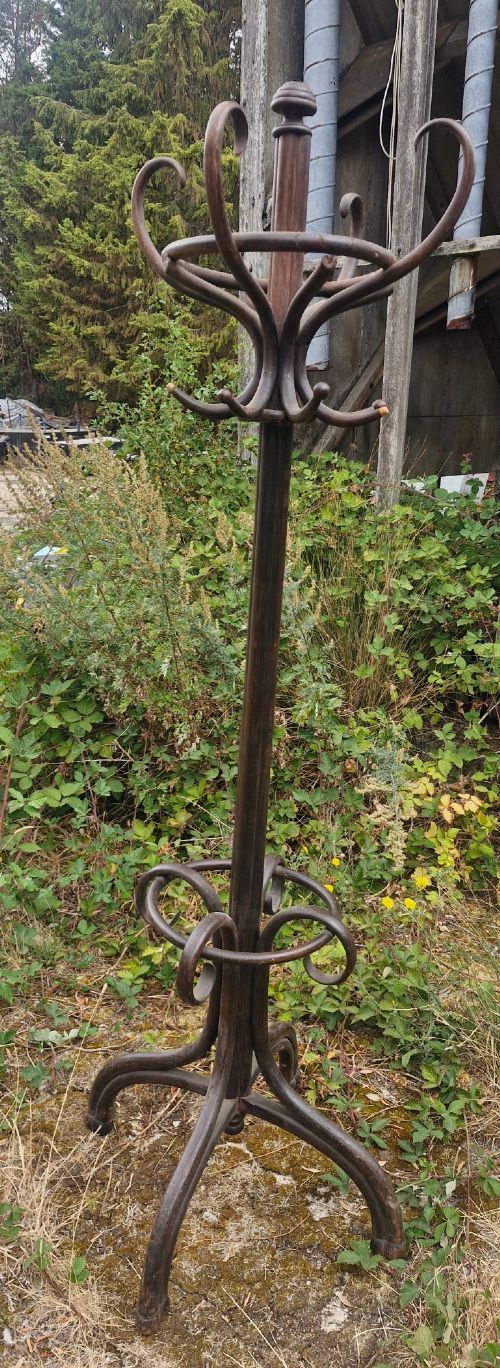
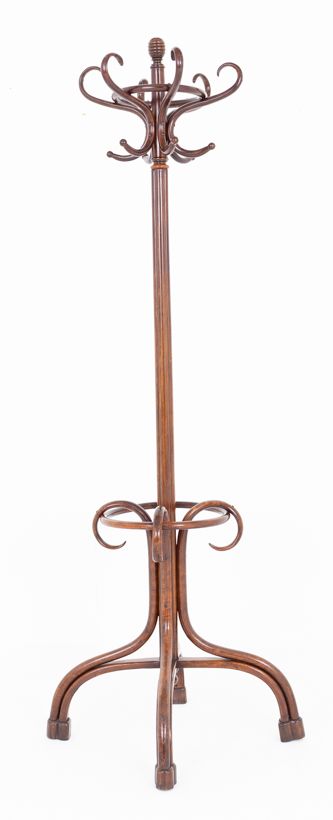
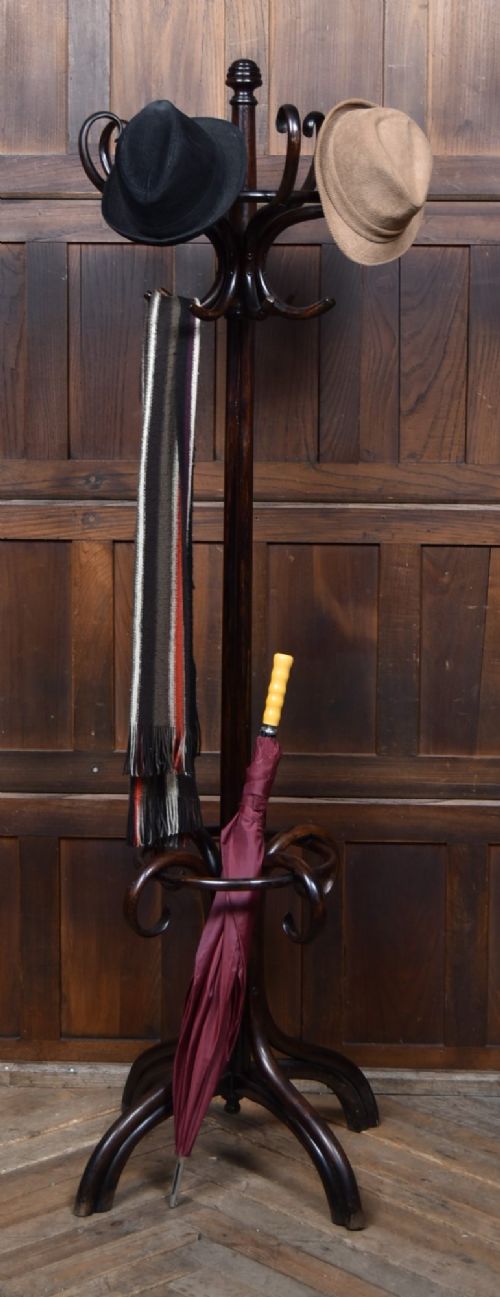
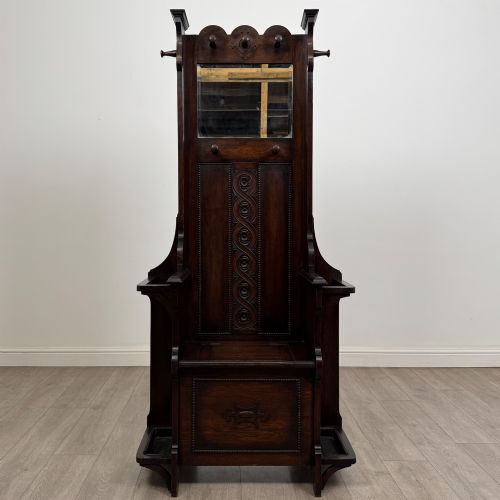
Dark Brown Coat Tree
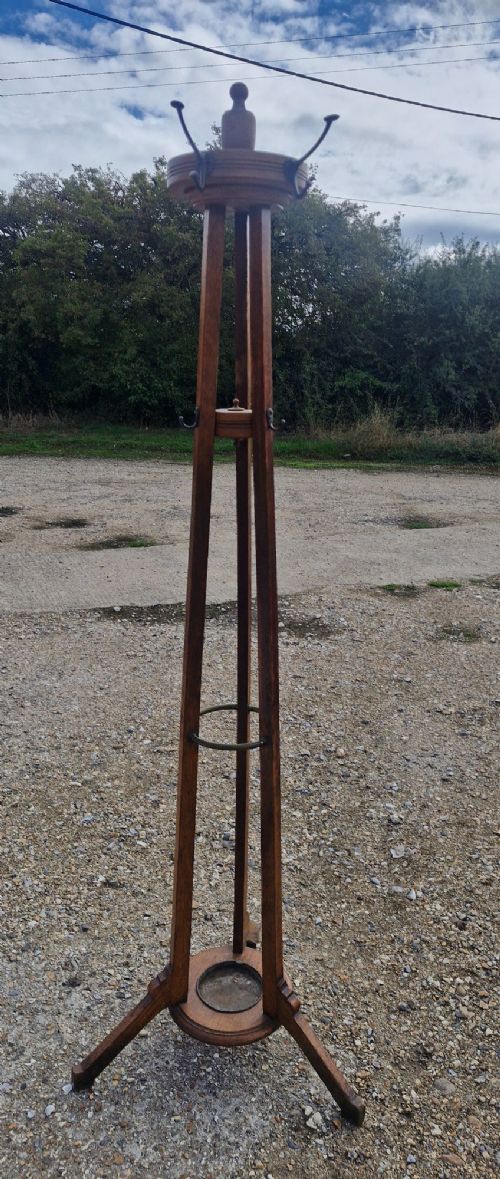
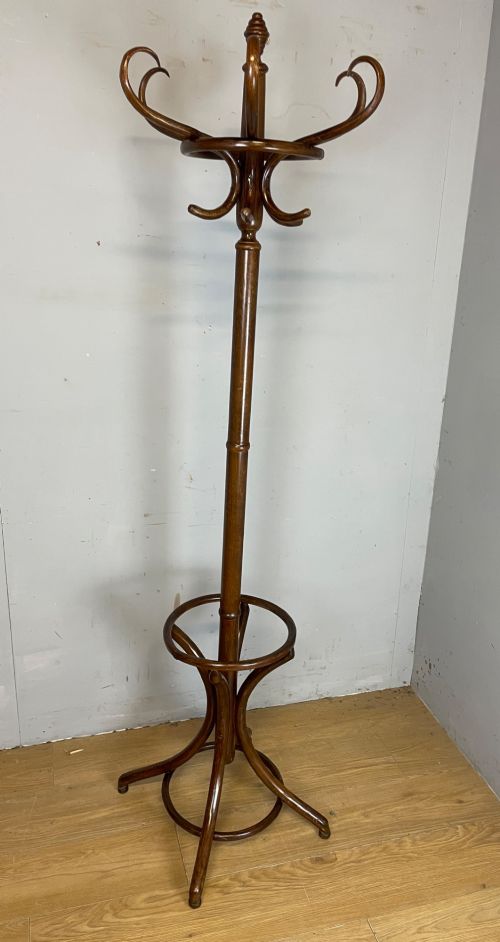
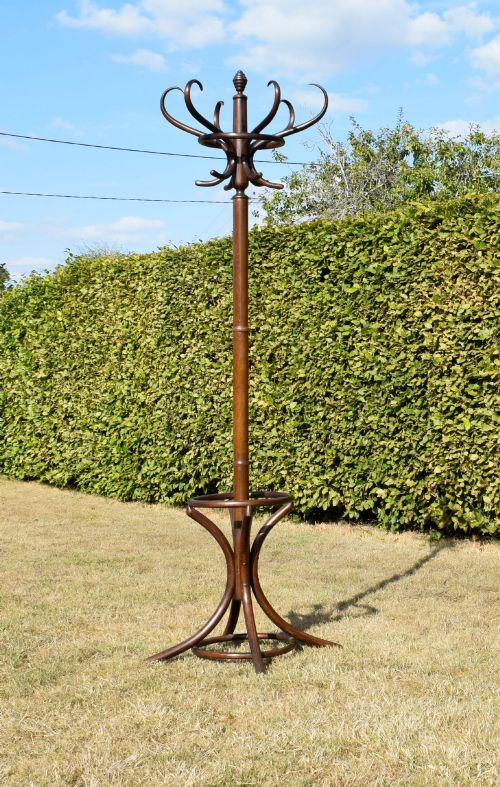
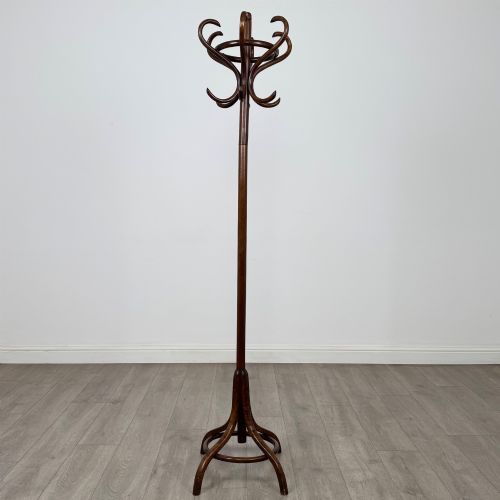
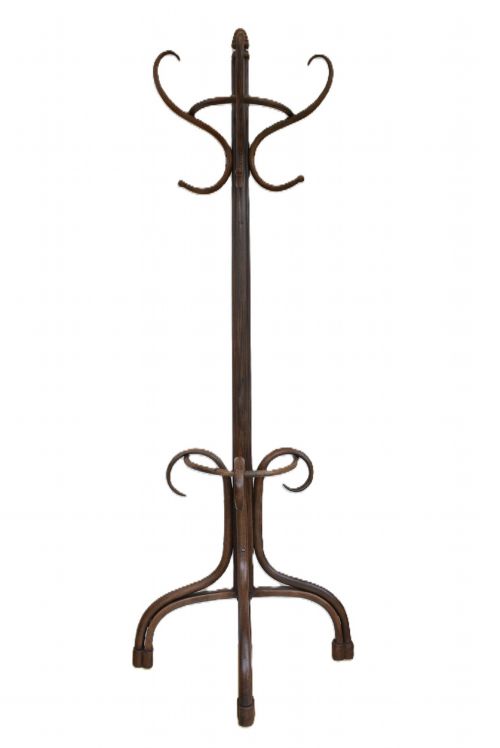
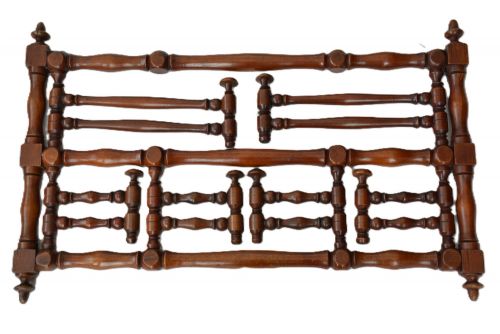
These dark brown coat tree pieces, taking the form of hall stands and bentwoods, organise entranceways with practical hanging space.
Dark Brown Coat Tree
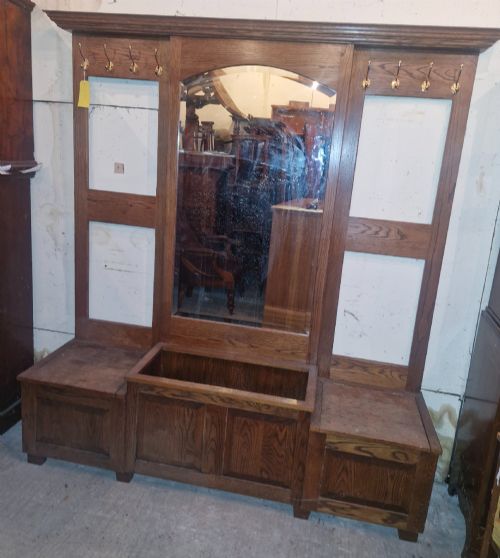
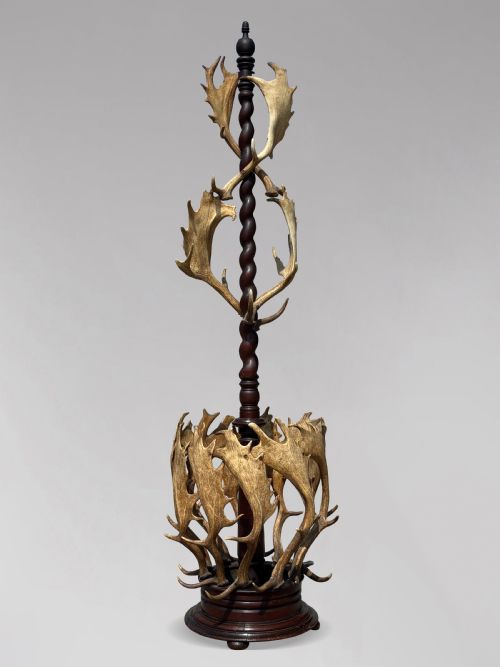
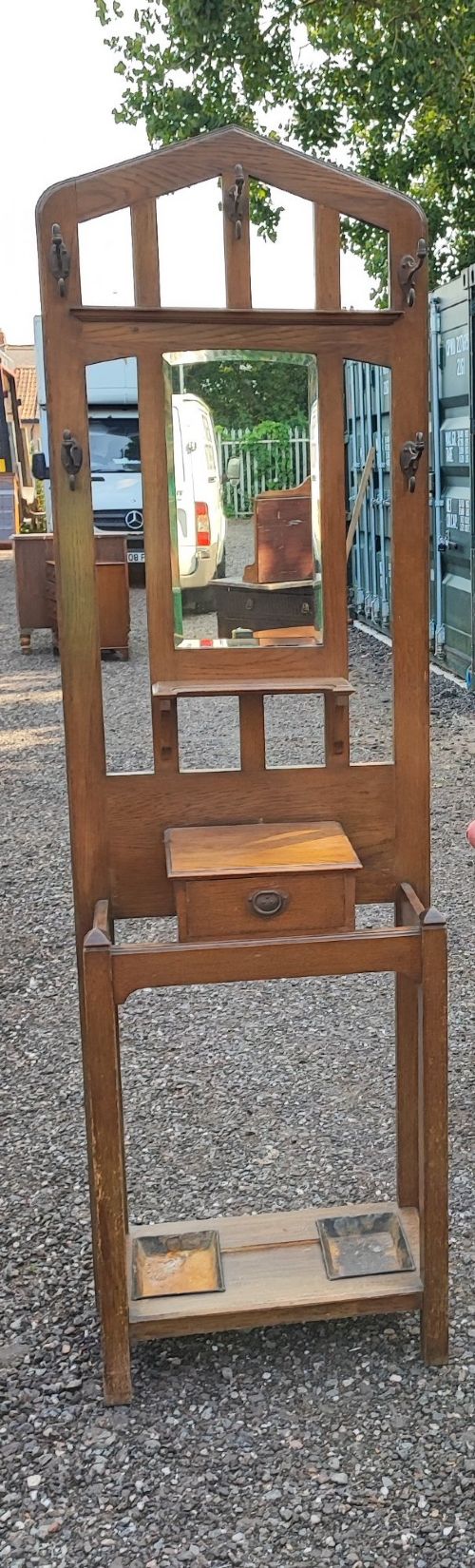
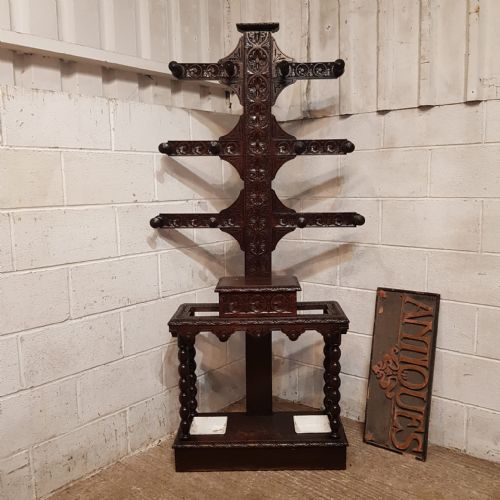
A dark brown coat tree encompasses utilitarian hall stands, coat stands, and bentwood designs intended for domestic entryways. These items provide dedicated hooks for hats, coats, and sticks, frequently incorporating mirrors, umbrella wells, or small seats into their wooden frames.
The selections span the Victorian, Edwardian, and early twentieth-century periods, alongside examples from the nineteen-thirties and nineteen-sixties. Buyers encounter sturdy oak and walnut hall stands alongside curved beech bentwood items.
Originating predominantly from British and continental European workshops, these hall furnishings reflect the domestic priorities of their eras. They range from compact wall-mounted racks to imposing multi-functional pieces designed for substantial hallways.
How they were made
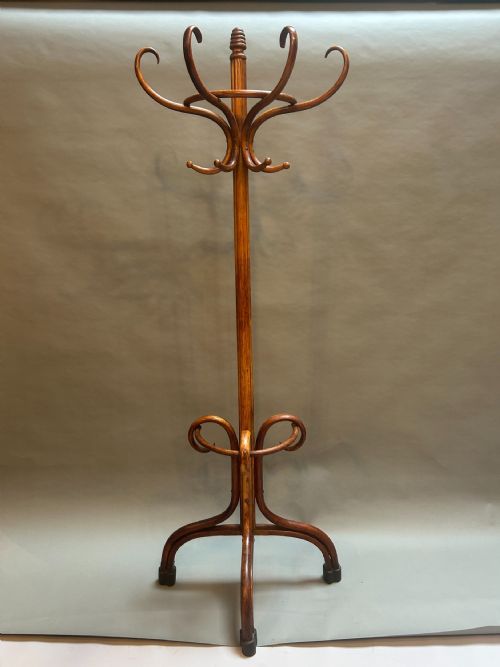
Construction relies heavily on timber, with oak, beech, walnut, and mahogany forming the primary structural elements. Makers utilised bentwood techniques, steaming beech to shape the characteristic curves of the uprights and hooks.
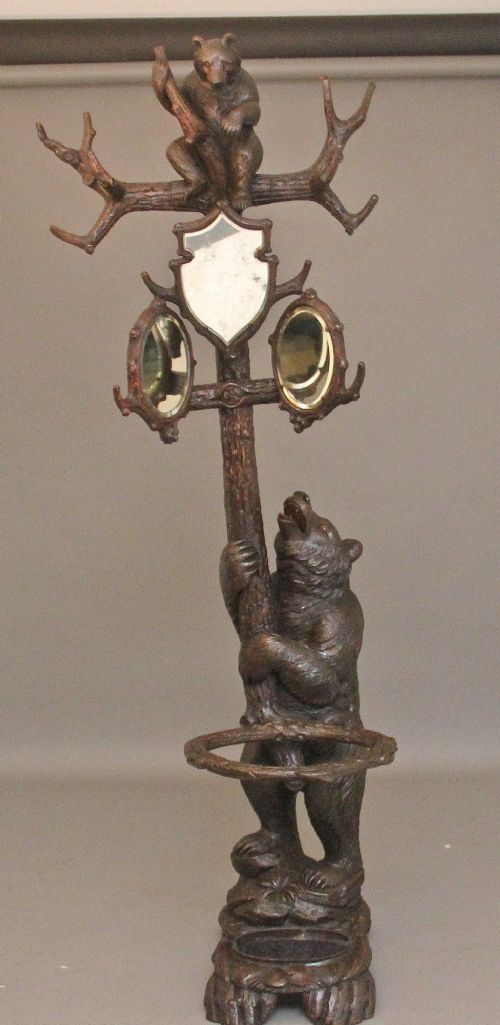
Carpentry methods include carved ornamentation, particularly visible in Black Forest styles featuring animal figures, as well as turned columns and fitted glass mirrors. Metal and brass components frequently form the hanging hooks and drip trays.
Makers applied dark surface finishes to accentuate the grain of the wood, ranging from polished oak to deep walnut tones. Structural joinery combines traditional mortise and tenon joints with steam-bent tension.
Carved wooden bears keep watch over entranceways from nineteenth-century Black Forest hall stands.
What varies in quality
Distinction across the range rests on the complexity of the timber carving and the integrity of the steam-bent framework. Elaborate Black Forest carvings with bears or botanical motifs demonstrate higher artisanal investment than plain utilitarian framing.
Maker attribution also differentiates examples, with recognised names like Thonet or Fischel indicating precision in bentwood production. Proportions and scale influence desirability, as larger exhibition-grade stands require more sophisticated structural engineering.
J Parker of Woodstock·Thonet·Fischel
The Dark Brown Coat Tree Glossary
- Bentwood
- Furniture formed by steaming wood until pliable and bending it into curved shapes. This technique defines many lightweight nineteenth-century hat stands.
- Black Forest
- A nineteenth-century carving style originating in Germany and Switzerland, characterised by realistic animal figures such as bears integrated into furniture. These stands often feature intricate foliage and wildlife motifs.
- Hall Stand
- A large freestanding hall furniture piece combining coat hooks, a mirror, and an umbrella stand, sometimes incorporating a small seat. They served as central fixtures in period entrance halls.
- Thonet
- The pioneering firm associated with mass-produced bentwood furniture. Their designs established standard forms for nineteenth-century coat and hat stands.
- Greenman
- A sculptural architectural ornament depicting a face carved from or entwined with leaves and vines. This motif appears on carved oak hall stands from the Victorian period.
Dark Brown Coat Tree: Frequently Asked Questions
What is a dark brown coat tree?
A dark brown coat tree refers to freestanding hall stands, coat stands, and bentwood items designed for hanging garments in an entranceway. These pieces utilise dark-toned woods like oak, walnut, and beech.
They provide vertical storage through arranged hooks and often incorporate umbrella holders, mirrors, or small seats. The category encompasses both slender bentwood frames and substantial carved wooden hall furniture.
How do I date a hall stand?
Dating relies on stylistic clues, materials, and construction techniques visible in the woodwork. Victorian and Edwardian examples often feature heavy oak carving or turned columns.
Simpler bentwood models from the early twentieth century utilise steam-bent beech with minimal ornamentation. Documentation or maker signatures, where present, help confirm the specific production period.
Where were these pieces used?
These items stood primarily in domestic entrance halls, vestibules, and corridors. Their main purpose was receiving outdoor garments, hats, and walking sticks as people entered the home.
Larger variations with integrated umbrella wells and boot trays accommodated the weather protection gear of the period. Mirrors allowed a final check of attire before departure.
How do I care for antique wood?
Maintenance involves keeping the timber away from direct heat sources and sudden humidity changes to prevent wood splitting. Regular dusting with a soft, dry cloth preserves the polished surface.
Application of appropriate beeswax or furniture polish maintains the dark finish without building up residue. Metal hooks and glass mirrors require gentle cleaning separate from the wooden structure.