

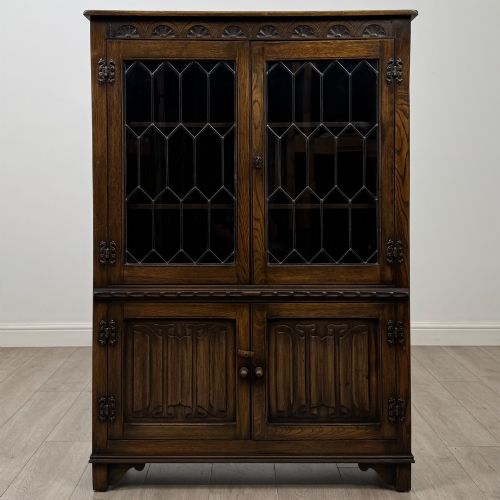
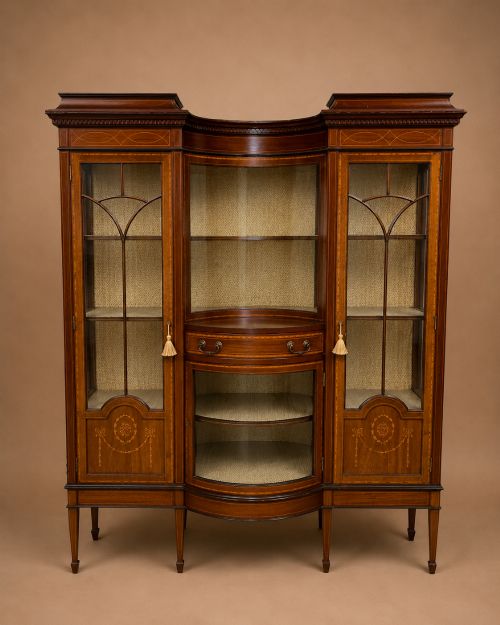
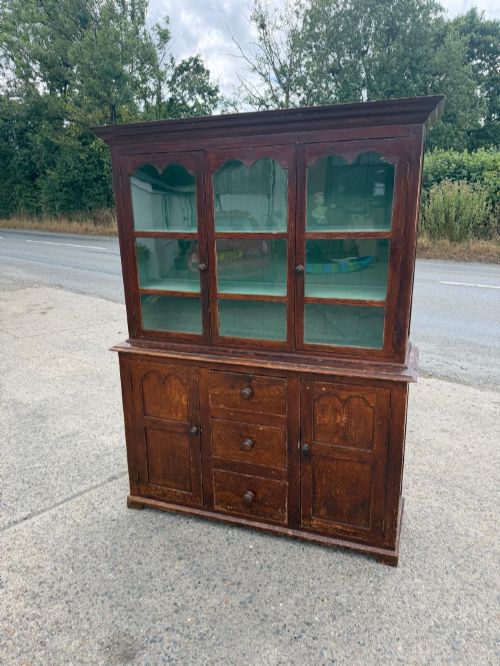
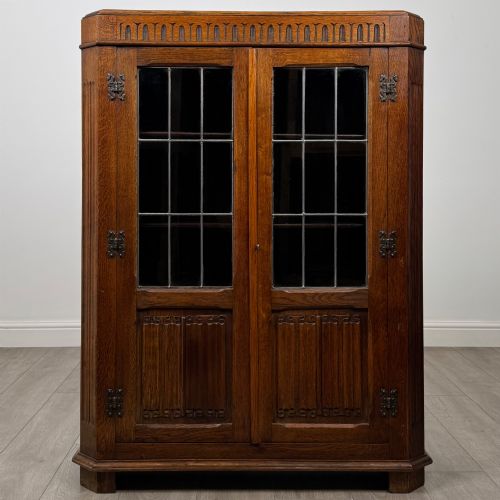
Dark Brown China Cabinet
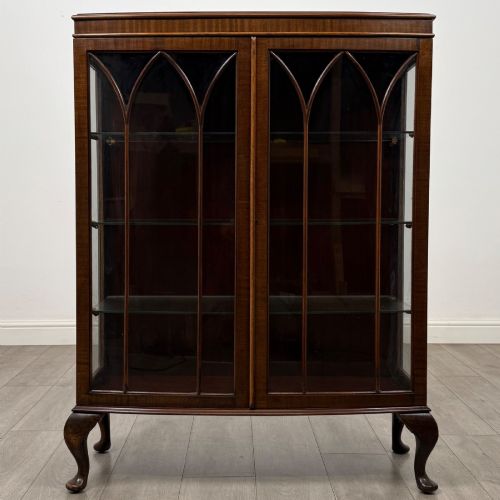
A dark brown china cabinet brings rich timber tones and glazed display space to a room, holding porcelain behind glass while anchoring the wall.
Dark Brown China Cabinet
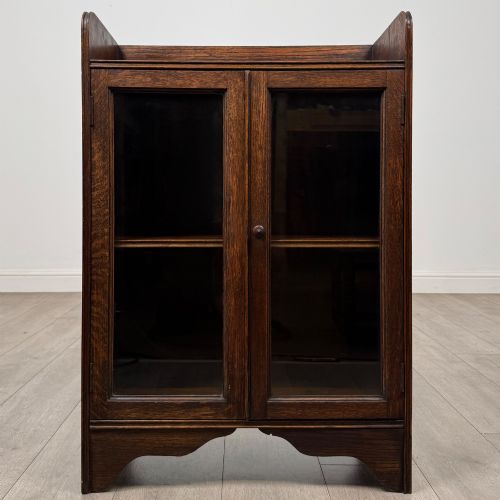
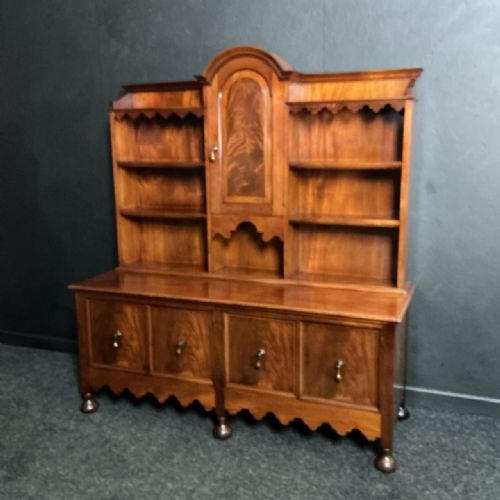
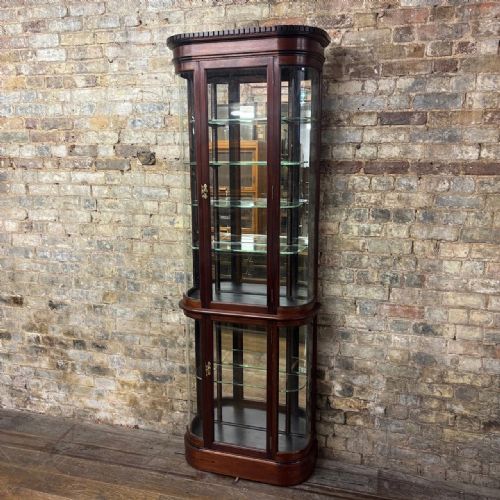
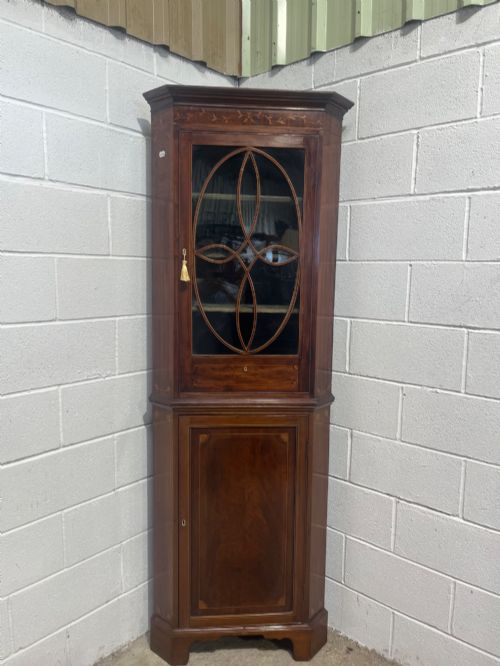
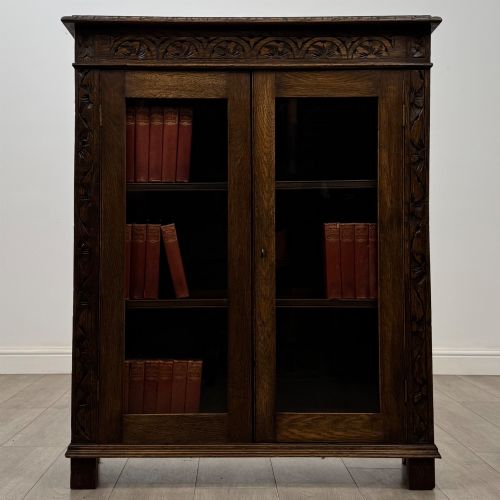
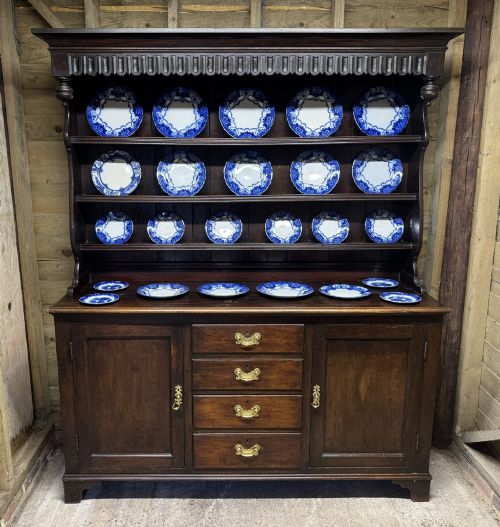
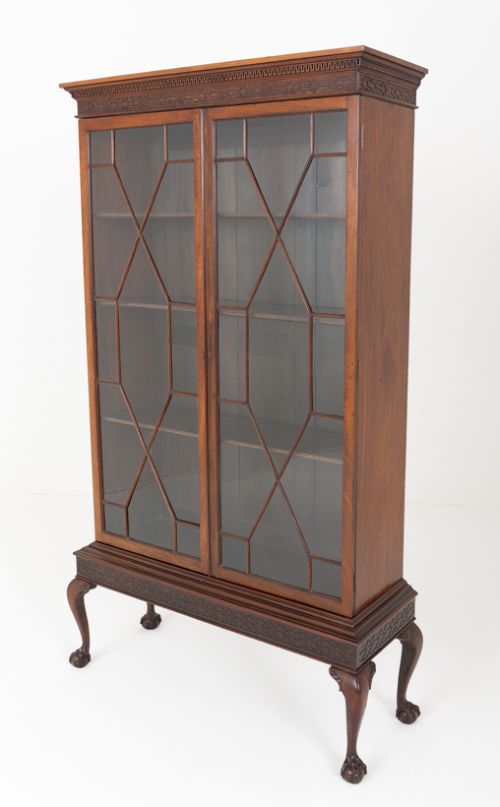
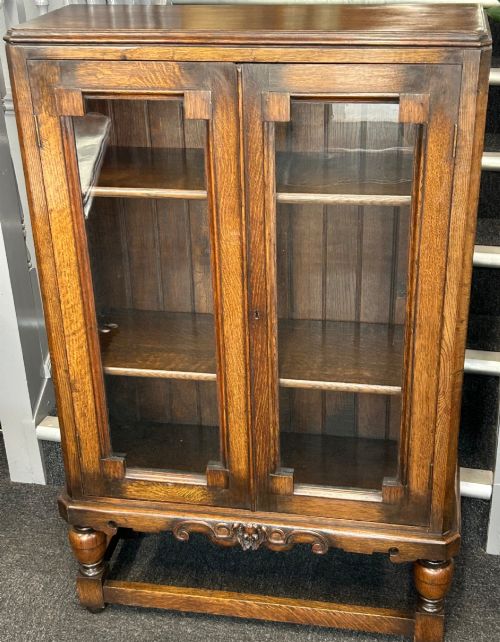
When you examine a dark brown china cabinet, you are looking at tall storage pieces designed to exhibit ceramics and books while protecting them behind glass doors. These take the form of display cabinets, bookcases, dressers, and corner cupboards built to house precious wares.
The versions you meet most frequently on this page span the Edwardian era, the Victorian period, and the eighteenth century. Mahogany and oak dominate these listings, appearing alongside walnut and satinwood across styles ranging from Georgian and Chippendale Revival to Jacobean and Arts and Crafts.
How they were made
Cabinet makers utilised dense hardwoods like mahogany and oak as the structural foundation for these large display pieces. Timber selection dictated the weight and colour depth of the carcass before polishing.
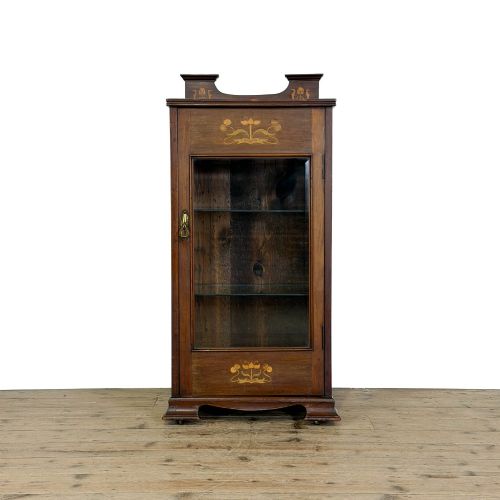
Makers integrated fitted glass panels into wooden frames to form glazed doors, often incorporating brass hardware and delicate wood inlay or carving. Construction methods varied from solid timber builds to carefully veneered surfaces laid over secondary woods.
Listings span eight distinct periods, from the eighteenth century through to the 1930s, featuring oak, mahogany, walnut, and satinwood.
What varies in quality
Quality reveals itself in the selection of the timber figures, where rich mahogany grain and substantial oak boards separate finer commissions from utilitarian workshop output. The crispness of carved details and the precision of inlaid wood patterns further distinguish superior examples.
Structural integrity and the quality of original glass panels influence the standing of a cabinet. Pieces retaining balanced proportions, clean joinery, and appropriate brass fittings reflect a higher standard of manufacture from their period.
Collinson and Lock·Wylie and Lochhead Ltd
The Dark Brown China Cabinet Glossary
- Glazed
- Fitted with transparent glass panes to allow the contents of a cabinet to remain visible while protected from dust. This treatment defines the primary function of display furniture.
- Breakfront
- A large piece of furniture featuring a central section that projects forward beyond the flanking wings. This architectural layout adds depth and visual interest to bookcases and cabinets.
- Inlay
- A decorative technique where contrasting woods or materials are set into recesses flush with the surrounding surface. Edwardian and Georgian examples frequently employ this method for linear banding or floral motifs.
- Welsh Dresser
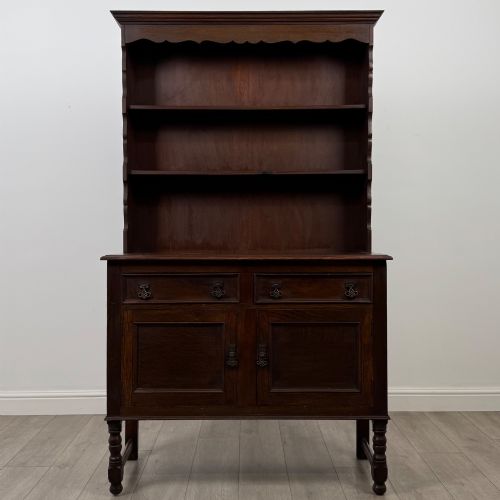
- A traditional kitchen or dining storage unit comprising lower cupboards or drawers surmounted by open plate racks. Oak versions appear regularly across nineteenth-century examples.
- Vitrine
- A glass-fronted display cabinet or showcase designed specifically for exhibiting fine porcelain and decorative objects. These often feature mirrored backs and delicate framing.
Dark Brown China Cabinet: Frequently Asked Questions
What is a dark brown china cabinet used for?
These cabinets serve to organise and exhibit porcelain, glassware, and collections behind protective glass doors. They combine enclosed shelving with display space to keep dust away from delicate items.
In living rooms or dining spaces, they act as principal furniture pieces that add height and dark wood tones to the interior.
How do I distinguish Edwardian cabinets from Victorian ones?
Edwardian cabinets frequently show lighter satinwood inlay, Sheraton Revival motifs, and mahogany framing built around the turn of the twentieth century. Victorian pieces often display heavier proportions, darker rosewood or oak timbers, and more pronounced carving.
Examining the construction style and secondary woods helps place a cabinet within its respective nineteenth or early twentieth-century period.
Where should I place a corner cupboard?
Corner cupboards suit awkward angles and empty room intersections, making efficient use of unutilised wall space. They draw the eye into the corner while providing height and enclosed storage.
Positioning them away from direct sunlight helps protect the polished mahogany or oak surfaces from fading over time.
How do I care for antique wood finishes?
Maintain polished mahogany and oak surfaces by dusting regularly with a soft, dry cloth and avoiding silicone-based sprays. Keeping the timber away from extreme temperature shifts prevents wood movement and veneer lifting.
Occasional application of appropriate wax feeds the grain and preserves the rich dark colour of the finish.