

Dark Brown Carving
Dark brown carving brings substantial timber forms into a room, spanning centuries of craftsmanship in oak, mahogany, and walnut.
Dark Brown Carving
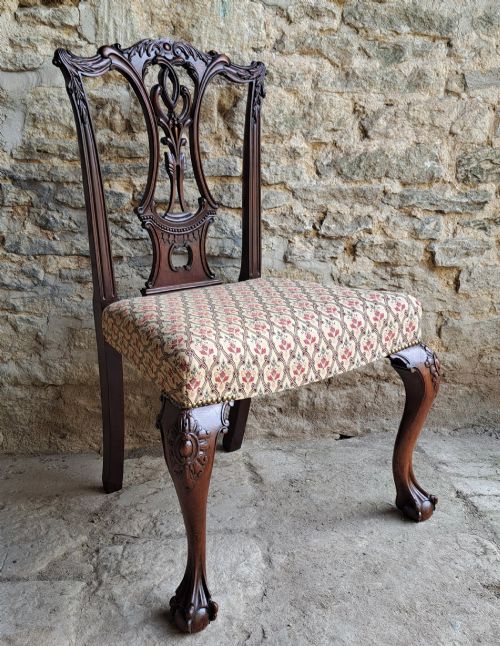
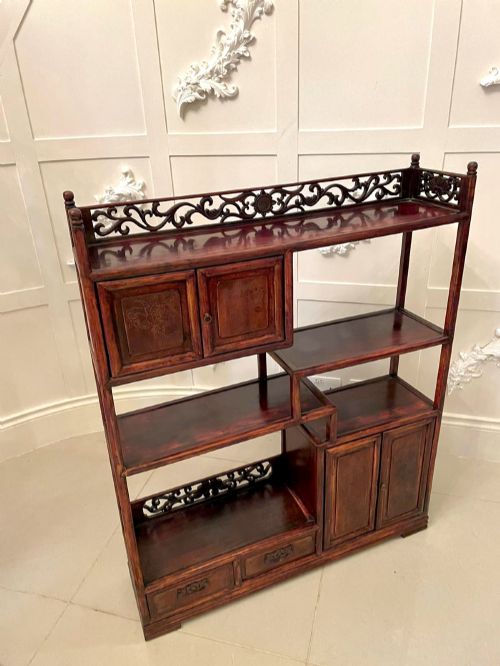
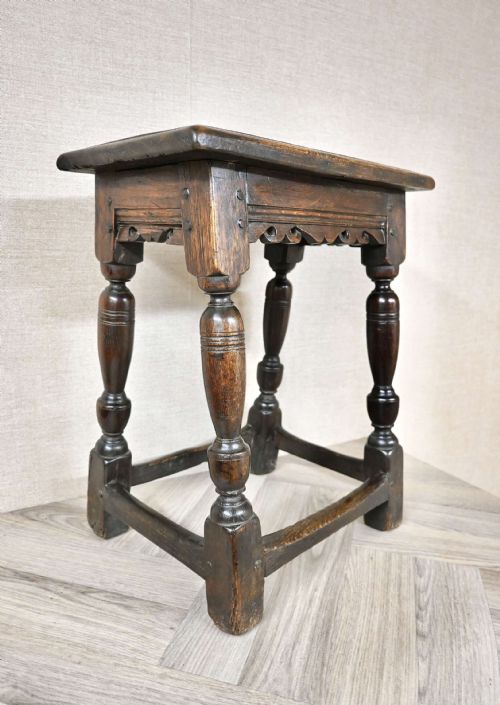
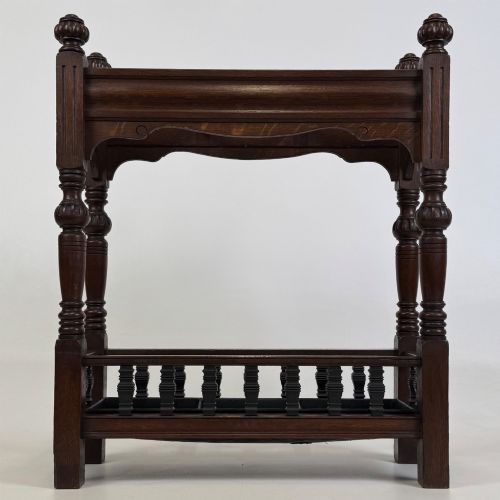
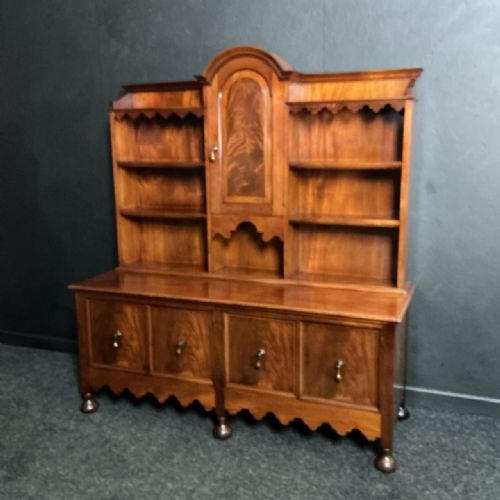
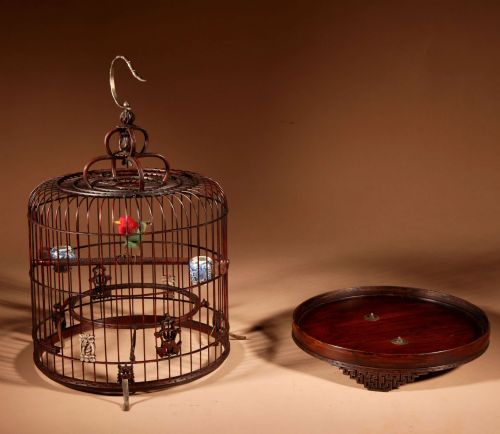
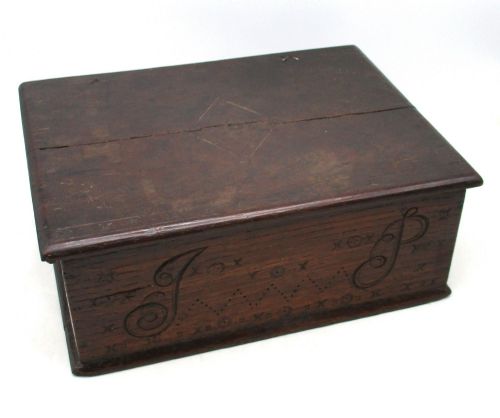
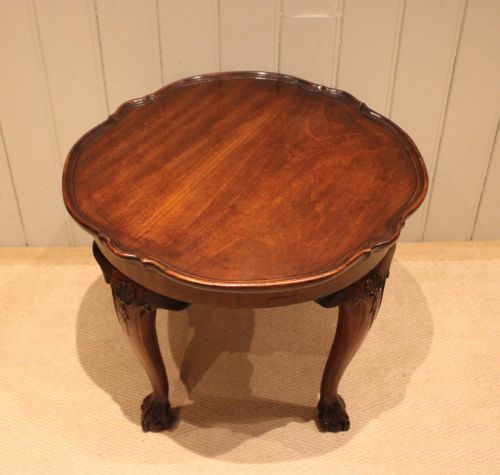
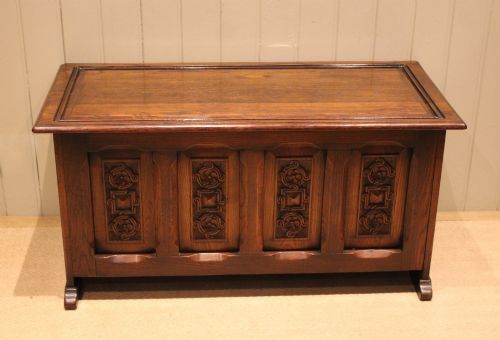
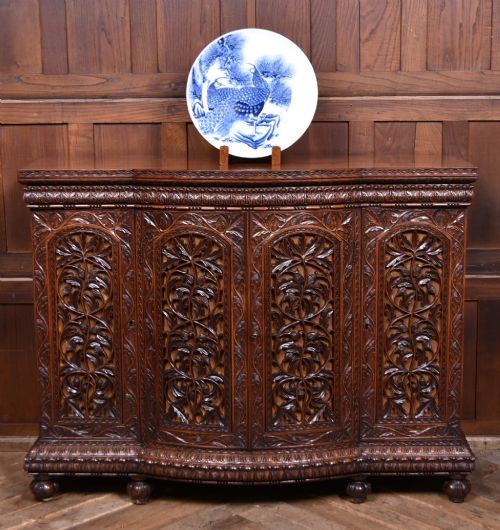
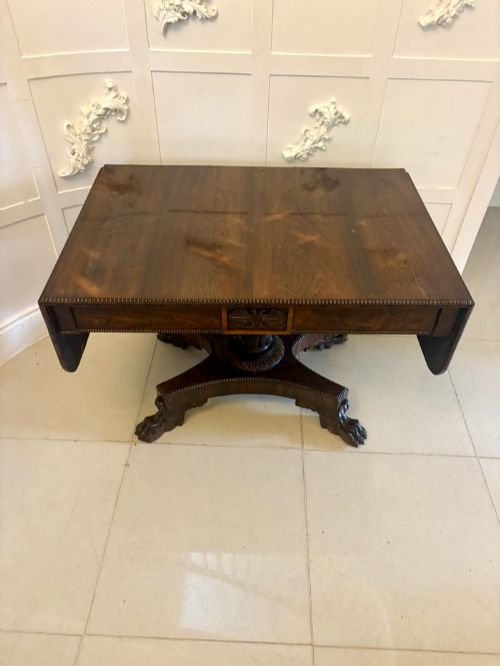
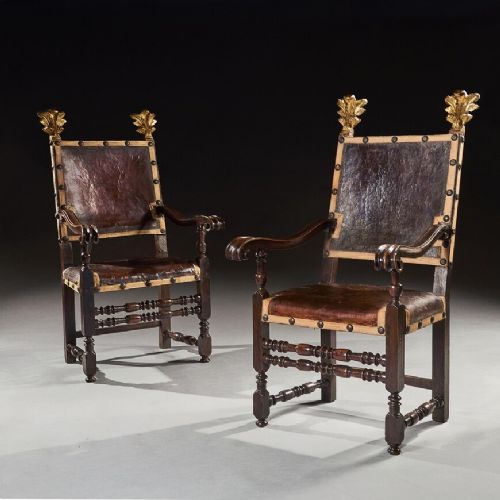
Dark brown carving encompasses furniture and decorative objects shaped from dense timbers, most frequently appearing in oak and mahogany across this selection. Pieces range from seventeenth-century joint stools and eighteenth-century document boxes to Victorian sideboards and Edwardian occasional tables. These items reflect traditional joinery and sculptural detail produced across multiple historical periods.
The materials dictate the deep palette, relying on the natural grain of hardwood alongside applied finishes that darken with age. Buyers encounter items defined by structural utility, such as refectory tables, bookcases, and umbrella stands, each carrying distinct regional styles like Jacobean, Gothic Revival, and Arts and Crafts. This grouping bridges functional domestic articles and ornamental woodwork.
Distinctions in quality
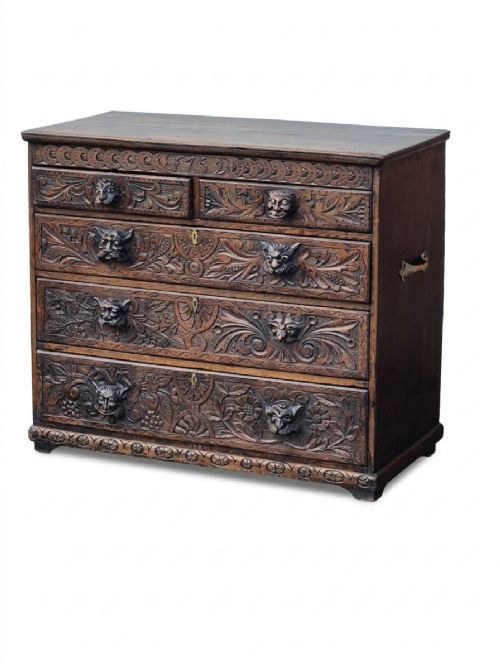
Quality rests in the depth and precision of the chisel work rather than surface sheen alone. Superior examples display sharp relief carving where undercut details create clear shadows, while lesser pieces rely on shallow stamping or mechanical routing.
The integrity of the timber selection dictates longevity. Pieces constructed from dense, quartersawn oak with continuous grain alignment maintain structural stability far better than those assembled from mismatched boards or lesser secondary woods.
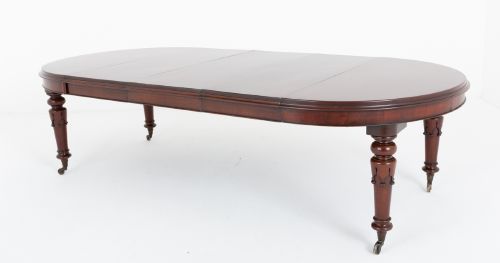
The listings here span from the 16th century through the Edwardian period, utilising oak, mahogany, walnut, and brass across various tables and cabinets.
The Dark Brown Carving Glossary
- Joint stool
- A low wooden seat constructed with mortise and tenon joints rather than turned legs, common in the seventeenth century. These sturdy items served multiple domestic purposes.
- Linenfold
- A style of wood carving that imitates folded parchment or linen, frequently seen on sixteenth-century panels. It provides a textured surface across flat cupboard doors.
- Refectory table
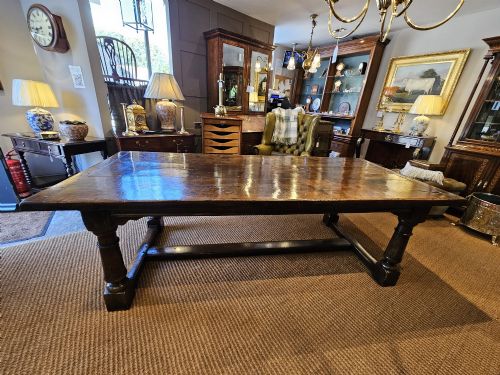
- A long dining table traditionally used in communal halls, characterised by substantial legs connected by floor-level stretchers. They are built from heavy oak.
- Dumbwaiter
- A tiered serving stand fitted with revolving or stationary shelves, designed to hold dishes during meals. These items utilise turned columns and tripod or pedestal bases.
- Green Man
- A sculptural architectural motif representing a human face surrounded by or sprouting foliage. It symbolises rebirth and appears frequently in Gothic Revival woodwork.
Dark Brown Carving: Frequently Asked Questions
How do I date an oak carved coffer?
Dating relies upon construction methods, tool marks left by hand axes, and the configuration of panels within the frame. Early examples display hand-split timber and pegged joinery.
Secondary indicators include lock plates, hinges, and the evolution of decorative motifs from simple geometric patterns to elaborate scrolling foliage.
What is the difference between Jacobean and Edwardian revival pieces?
Original Jacobean pieces from the seventeenth century exhibit heavy proportions, hand-turned components, and authentic period wear to the timber. Revival pieces manufactured during the Edwardian era replicate these styles using machinery alongside manual finishing.
Examination of the interior construction and timber seasoning reveals the true age of the object.
How should I care for dark hardwood furniture?
Maintenance requires regular dusting with a soft, dry cloth and occasional application of traditional beeswax to nourish the timber. Avoid placing these pieces near direct heat sources or strong sunlight.
Proper humidity levels prevent the solid wood from shrinking or splitting along natural grain lines.
Where were refectory tables originally used?
Refectory tables originated in monastic dining halls and large manor houses where communities gathered for meals. Their heavy construction allowed them to withstand daily institutional use.
Over subsequent centuries, scaled-down versions transitioned into domestic dining rooms.