
Dark Brown Bench Seat
These dark brown bench seat examples span centuries of oak and hardwood crafting, offering robust seating and storage for hallways and living spaces.
Dark Brown Bench Seat
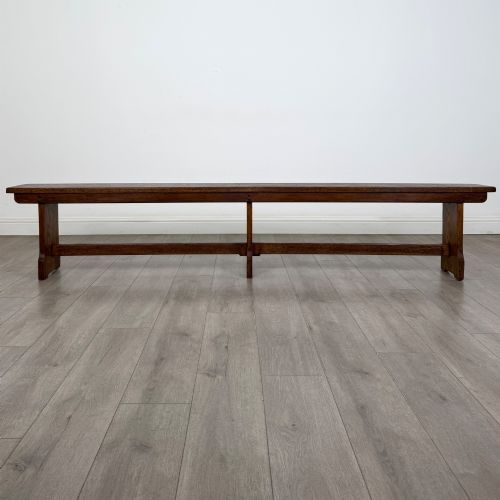
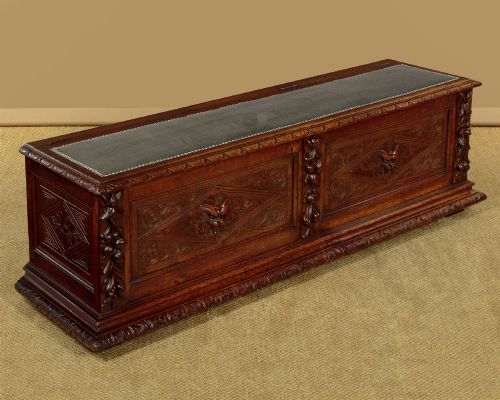
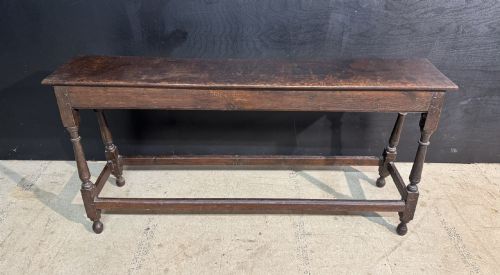
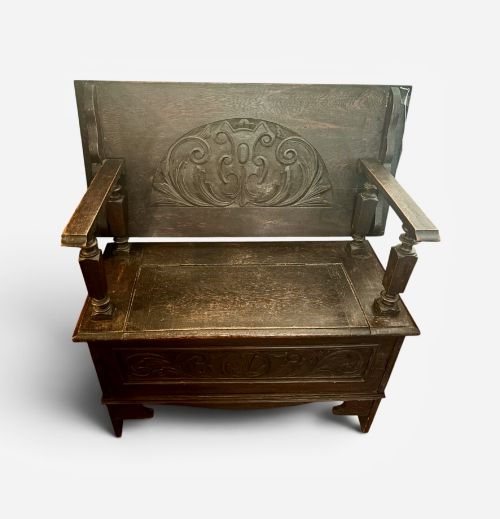
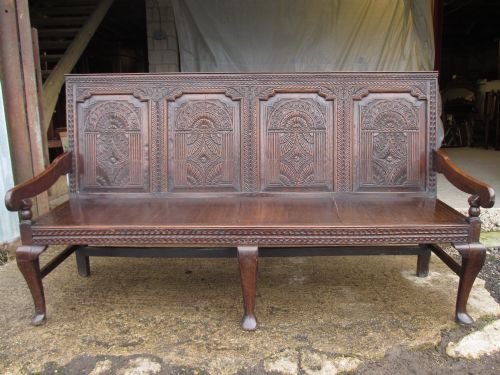
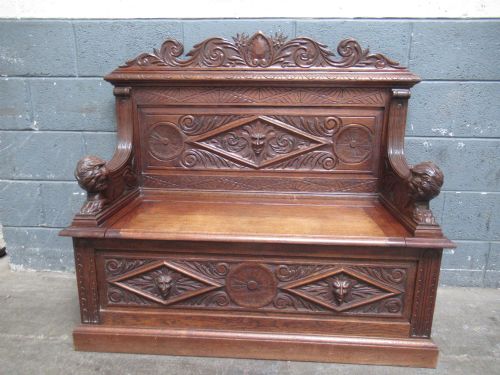
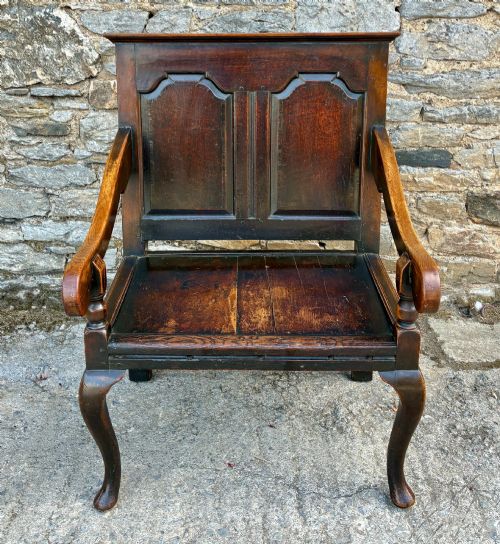
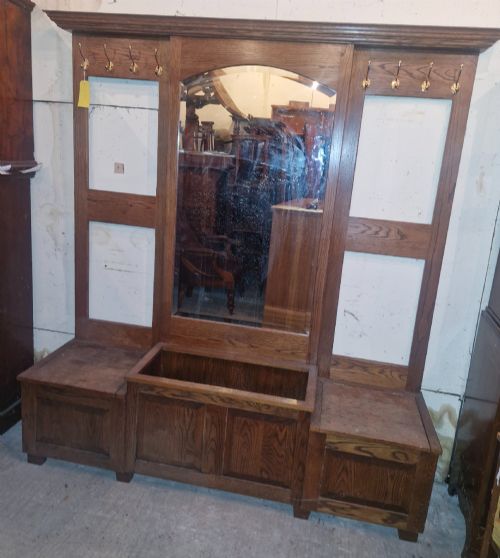
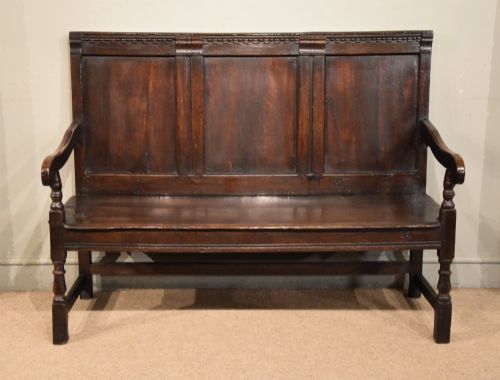
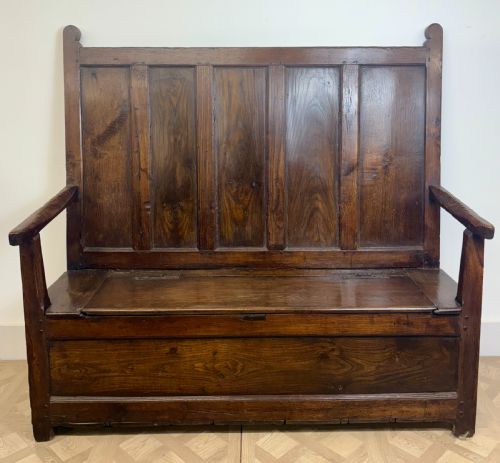
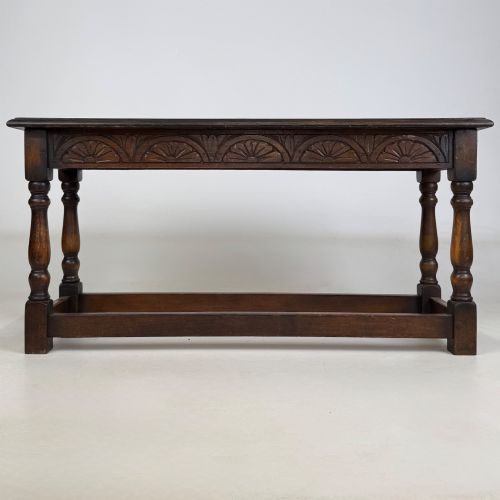
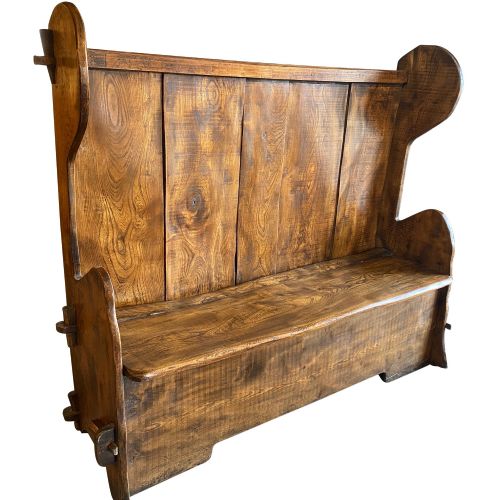
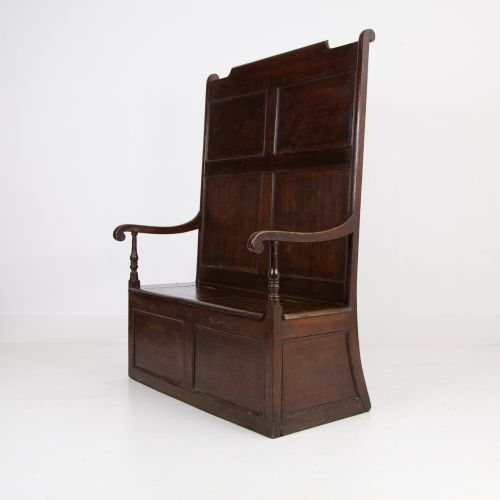
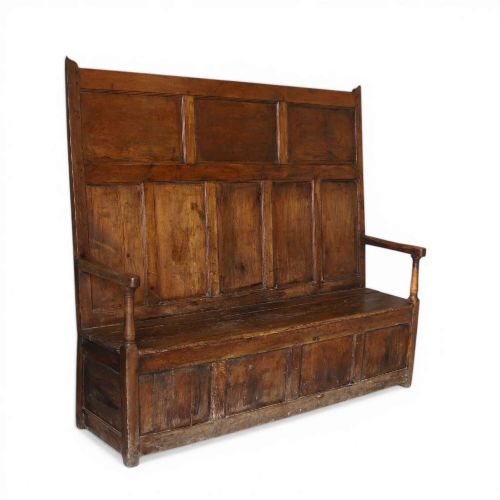
When you search for a dark brown bench seat, you encounter substantial wooden seating forms designed primarily for halls, taverns, and domestic reception rooms. The pieces appearing here predominantly date from the 17th, 18th, and 19th centuries, reflecting eras when sturdy timber furniture formed the backbone of household seating. From high-backed box settles with integrated storage compartments to long tavern benches and monks benches, these items serve functional roles while anchoring a room with deep, dark timber tones.
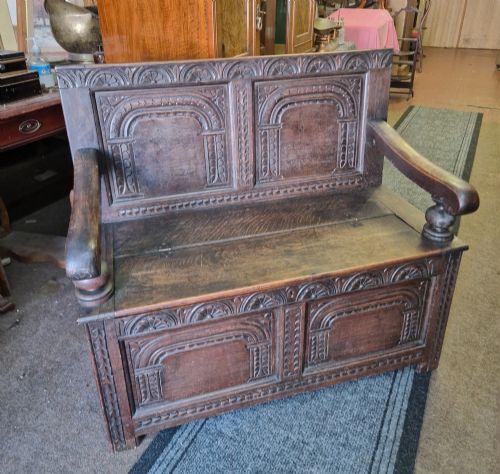
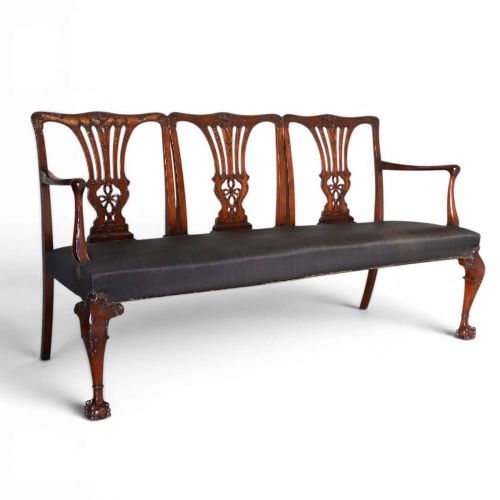
You are most likely to meet oak examples from the Georgian and Victorian periods, often featuring carved panels, box seats, or settle configurations. Alongside these traditional British vernacular items, the selection includes elm, ash, and hardwood variations spanning Jacobean revival, Gothic revival, and Arts and Crafts styles. Each version provides a long, linear seating platform shaped by the joinery techniques of its specific decade and region.
How they were made
The construction relies heavily on solid oak, supported by secondary timbers such as ash, elm, and pine, joined through traditional mortise and tenon methods. Artisans shaped these heavy woods using hand planes and saws, assembling panels into box frames that double as storage compartments beneath the seat.
Surface finish is achieved through centuries of polishing, wax application, and the natural darkening of oak exposed to light and air. Structural stability comes from pegged joints and integrated footrests, while decorative flourishes involve relief carving on backrests and panelled fronts.
Listings feature oak, mahogany, ash, and elm spanning centuries from the 17th century through the Edwardian era.
What varies in quality
Quality separates through the integrity of the timber and the depth of the carving executed on the back panels and arms. Superior examples maintain their original structural boarding without extensive board replacement, displaying crisp joinery and balanced proportions.
The handling of storage mechanisms, such as hinged box seats and integrated cupboards, distinguishes finer regional pieces from simpler utility benches. Furthermore, the crispness of period-specific ornamentation, from Gothic tracery to Arts and Crafts linear carving, marks the distinction between standard workshop output and master joinery.
Thonet·Wylie Lockhead Manufacturers
The Dark Brown Bench Seat Glossary
- Settle
- A wooden bench with a high back, solid arms, and frequently a box base for storage, designed to block draughts in older homes.
- Box settle
- A variation featuring a hinged seat opening to an internal chest, combining seating with domestic storage.
- Monks bench
- A convertible furniture form with a hinged back that folds down to transform the seat into a table.
- Joint stool
- A sturdy, low wooden stool constructed with pegged mortise and tenon joints, serving as a precursor to larger seating forms.
- Vernacular furniture
- Domestic items built by local craftsmen using regional traditions and readily available materials rather than high-style metropolitan designs.
Dark Brown Bench Seat: Frequently Asked Questions
What is a box settle?
A box settle is a wooden bench featuring a high back and a seat that lifts to reveal a storage compartment beneath.
Historically placed near fires or in hallways, it offered both a draught-proof seat and a secure place to store blankets or household goods.
How do I date an oak bench?
Dating relies on examining the joinery marks, tool impressions, timber shrinkage, and stylistic indicators such as carved panels or mouldings.
Earlier pieces from the seventeenth century typically show hand-split boards and pegged joints, whereas nineteenth-century revival pieces incorporate machine-sawn elements and distinct Victorian styling.
What is a monks bench?
A monks bench is a dual-purpose item where the wooden backrest pivots or folds down flat over the armrests to form a table top.
This space-saving design allowed smaller rooms to function as both dining areas and sitting rooms.