
Dark Bronze Metal Vessel
A dark bronze metal vessel brings centuries of master casting and ritual form directly into a room.
Dark Bronze Metal Vessel
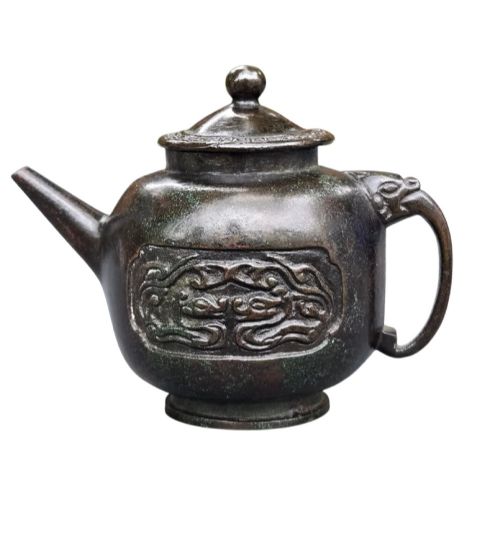
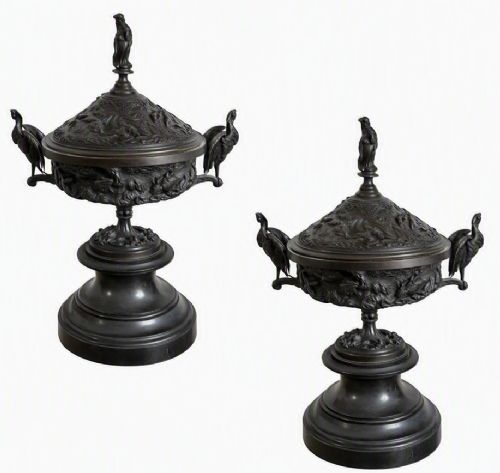
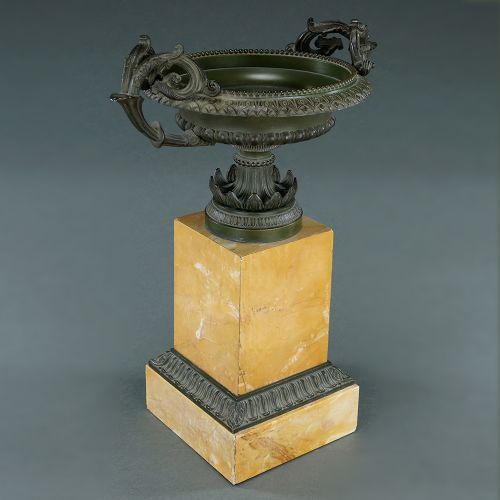
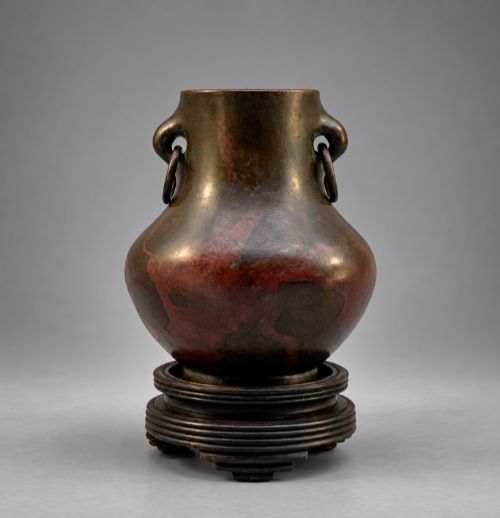
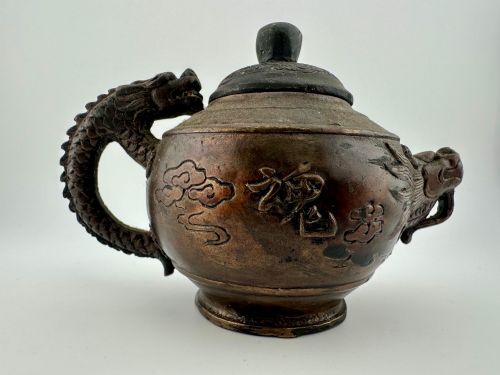
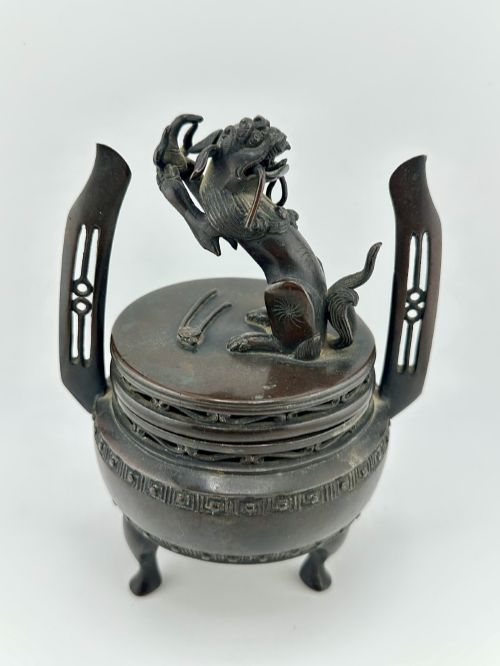
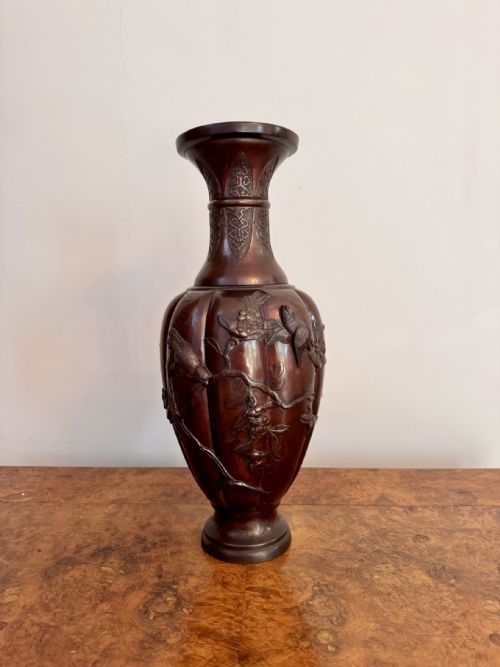
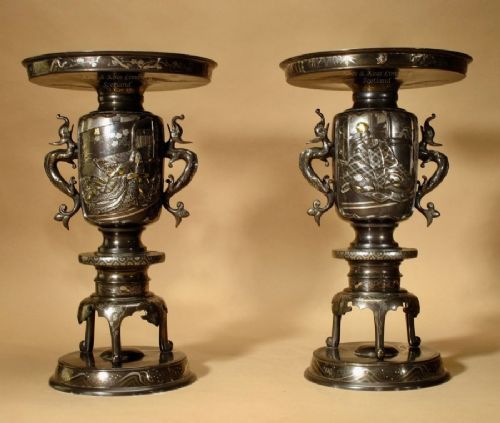
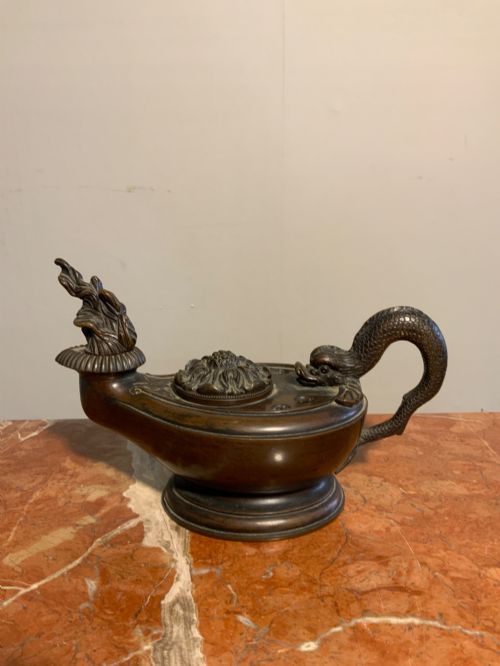
A dark bronze metal vessel encompasses utilitarian containers, ritual censers, and decorative vases produced across diverse global traditions and centuries. These objects range from heavy scholarly vessels of the Ming and Qing dynasties to Japanese Meiji period vases and European Grand Tour pieces.
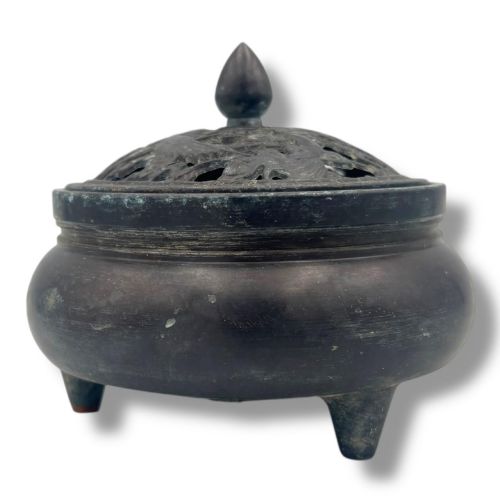
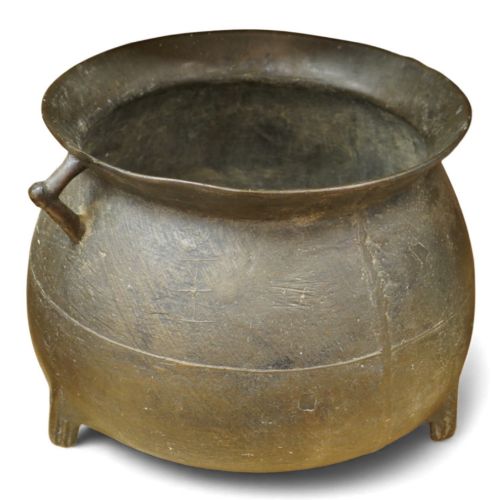
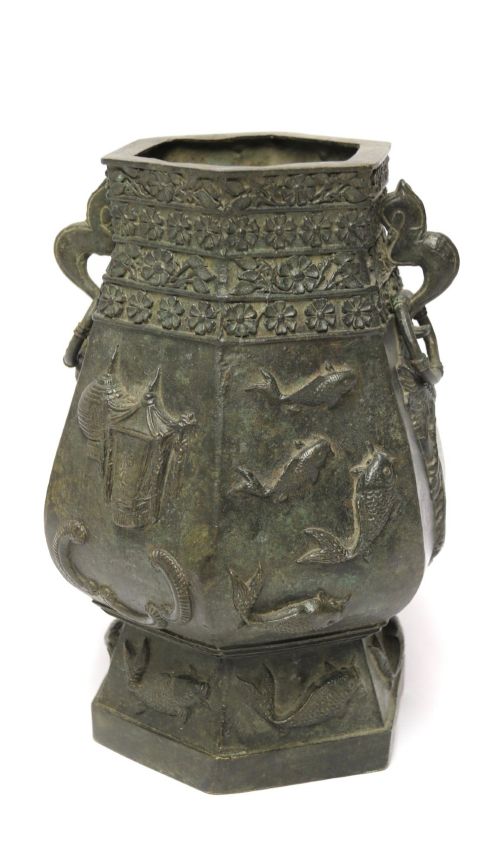
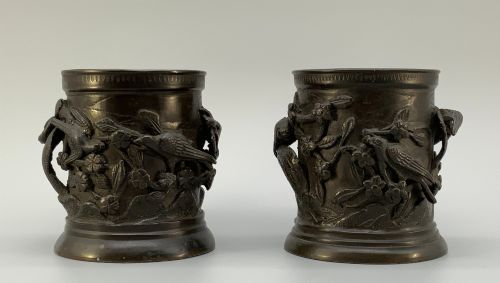
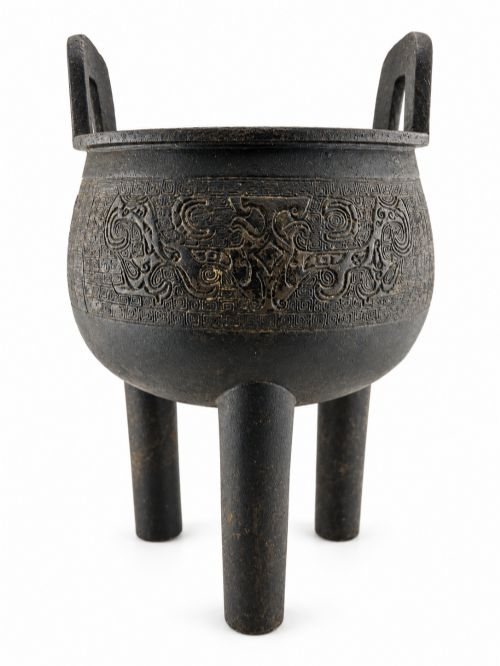
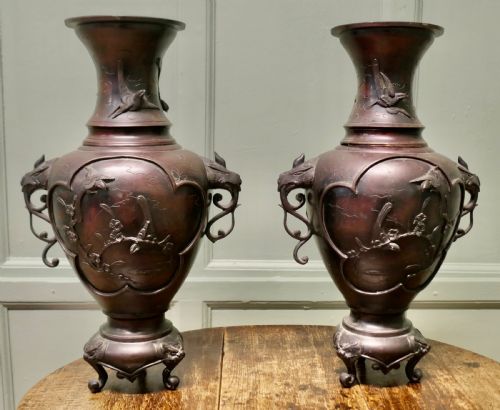
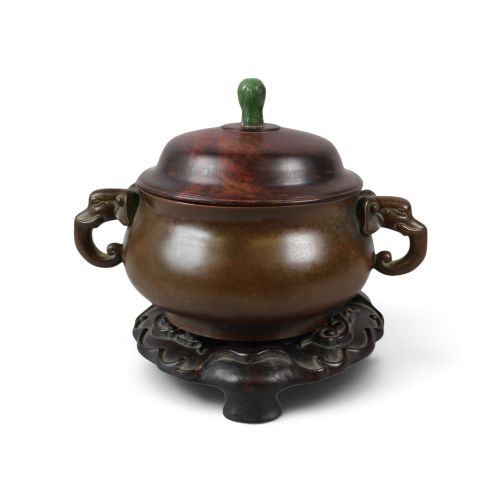
The most common examples on this page are Chinese bronze tripod censers and Japanese Meiji period bronze vases, often featuring patinated surfaces, handles in the form of animals, or intricate relief panels. Buyers also encounter domestic items such as English mortars, Spanish apothecary vessels, and Ottoman ewers.
Forms vary significantly, from hexagonal and baluster shapes to deep bowls, urns, and lidded jars. Each piece reflects the aesthetic priorities and metallurgical skill of its specific period of origin, spanning the sixteenth century to the Victorian era.
Materials and casting techniques
The construction of these vessels relies heavily on bronze and cast bronze, frequently finished with a dark patinated surface that accentuates the metal's depth. Heavier pieces demonstrate substantial weight, indicating thick walls and solid construction achieved through traditional foundry methods.
Surface decoration is achieved through casting relief patterns such as taotie masks, dragon and phoenix motifs, or botanical panels, alongside inlaid details and applied elements like custom hardwood stands.
Several heavy scholar's censers boast enough density to double as small kettlebells, provided you do not mind burning incense while you lift.
Assessing quality in dark bronze
Quality rests primarily on the crispness of the casting and the balance of the proportions, where master-cast examples display exceptional wall uniformity and distinct bell-ring resonance. The integrity of the patination and the precision of applied handles or finials further differentiate superior pieces from standard output.
The presence of historic marks, bespoke elements such as zitan or jade finials, and documented provenance elevate certain vessels into the upper echelon of collector interest.
The Dark Bronze Metal Vessel Glossary
- Censer
- A vessel designed for burning incense, frequently featuring tripod legs and a pierced lid. These often form the core of scholarly collections.
- Patinated Bronze
- Metal treated with chemical solutions to produce a dark, aged surface finish. This layer protects the underlying alloy while enhancing visual depth.
- Archaistic
- A style that consciously imitates the ancient ritual bronzes of earlier dynasties. Makers utilise these ancient forms to lend objects an air of venerable antiquity.
- Ding
- A traditional Chinese cauldron with three or four legs and upright handles. They represent high status and ancient ritual utility.
- Taotie
- A stylised zoomorphic mask motif found frequently on ancient and revival metalwork. It appears in low or high relief across vessel bodies.
Dark Bronze Metal Vessel: Frequently Asked Questions
What are these bronze vessels used for?
Historically, many of these pieces served ritual, scholarly, or domestic functions, ranging from burning incense in Chinese studies to holding liquids or displaying flowers in Japanese homes.
Today, collectors primarily use them as decorative focal points, appreciating their sculptural forms and historic patination within modern interiors.
How do I care for a dark bronze surface?
Maintenance requires minimal intervention to preserve the original patinated surface. Dusting gently with a soft, dry cloth prevents particulate accumulation.
Avoid liquid cleaners, polishes, or abrasive cloths, as these can strip away centuries of accumulated patina and historical character.
How can I tell the period of a bronze vessel?
Dating relies on examining the casting technique, the style of surface decoration, and any associated marks or cyphers. Ming and Qing pieces often exhibit specific archaic motifs and heavy scholarly proportions.
Comparison with documented examples from periods such as the Japanese Meiji era or seventeenth-century Europe provides further contextual accuracy.
Are all these pieces from Asia?
While a significant portion originates from Chinese and Japanese workshops, the selection also includes European items. These span English mortars, Spanish apothecary vessels, and Italian Grand Tour pieces.
Each region employed distinct metallurgical compositions and stylistic traditions unique to its era of manufacture.