
Dark Bronze Animalier Figure
These bronze animalier figures capture wild and domestic beasts with fierce realism, offering collectors tactile studies of movement and form.
Dark Bronze Animalier Figure
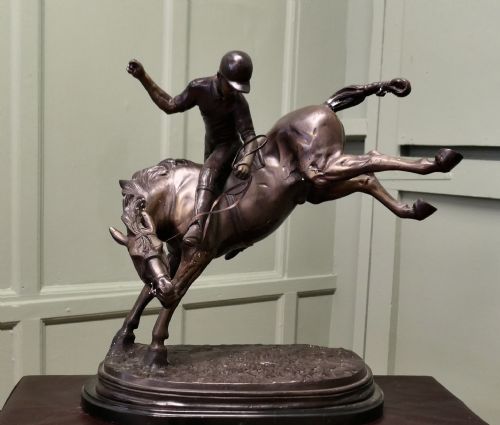
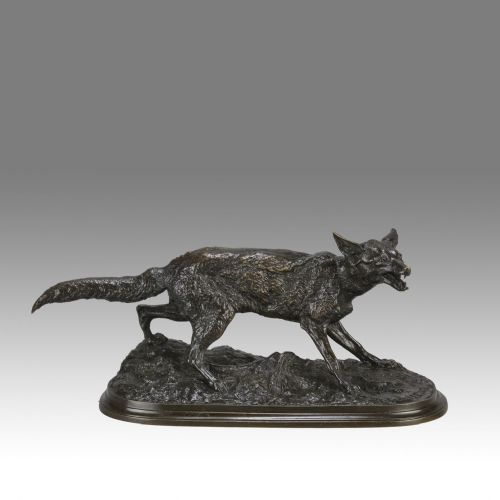
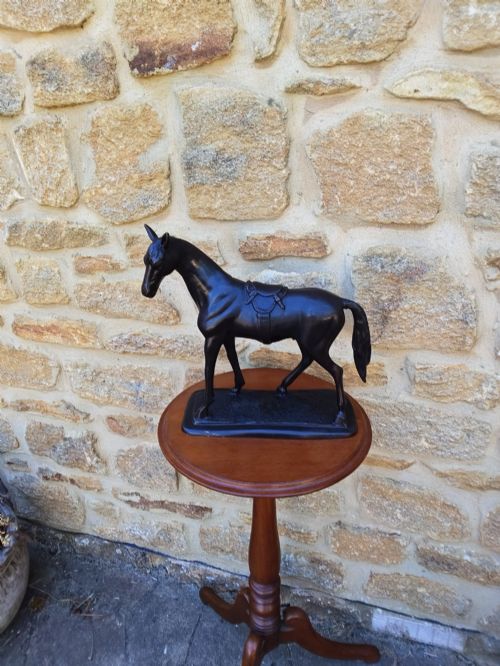
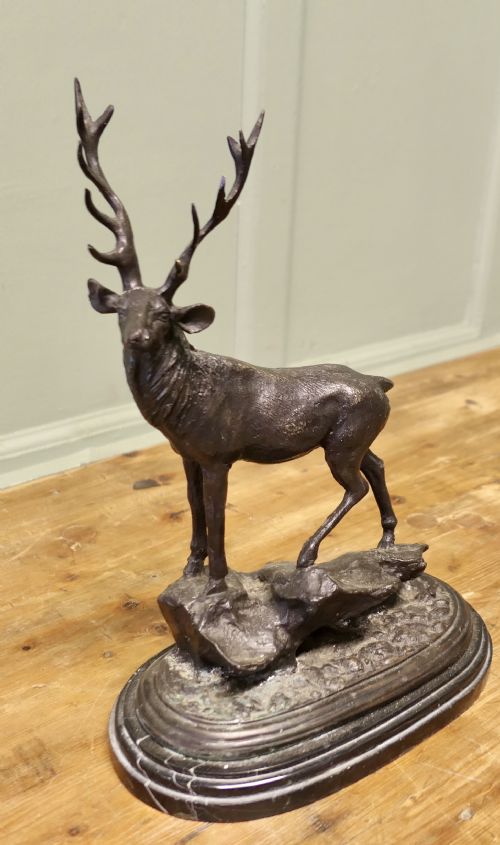
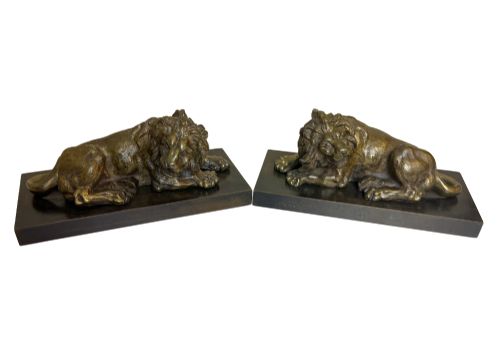
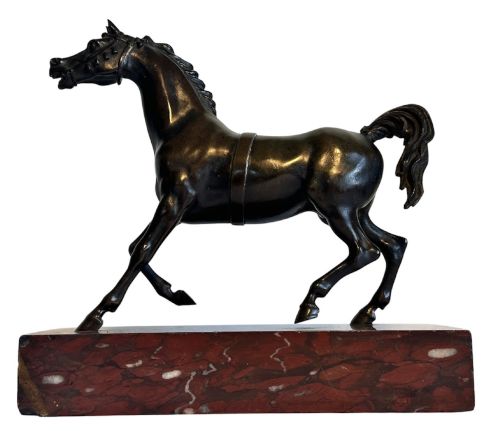
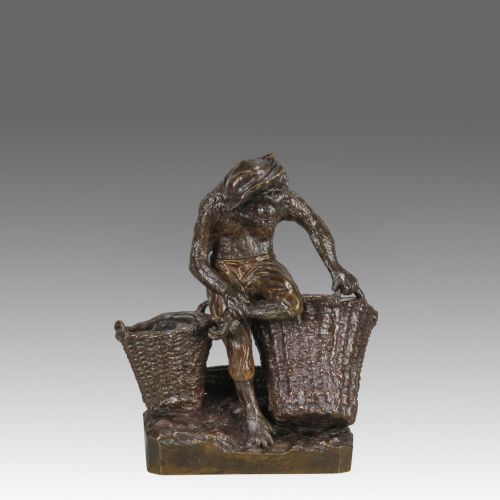
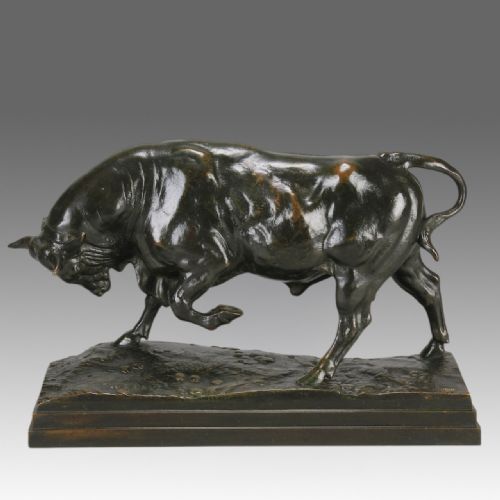
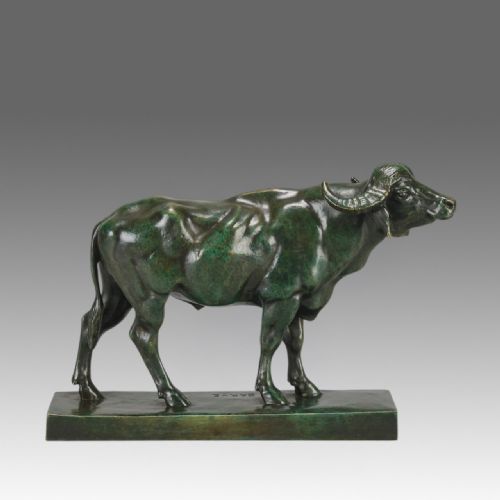
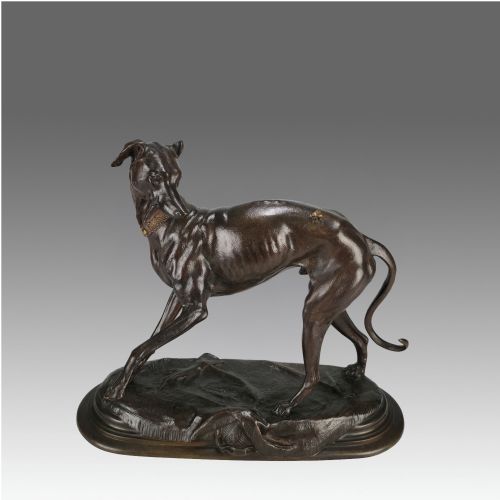
A dark bronze animalier figure represents an artistic tradition focused entirely on the depiction of animals, ranging from powerful stags and charging bulls to domestic gundogs and slinking panthers. These sculptures frequently emerge from nineteenth-century French and Victorian workshops, capturing creatures in dynamic motion or tense repose.
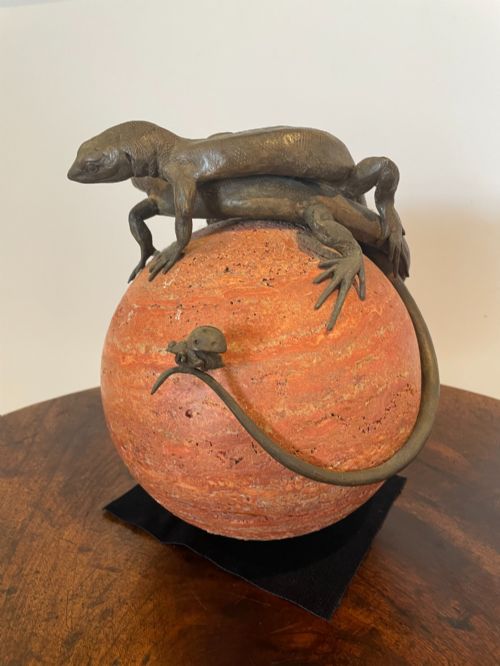
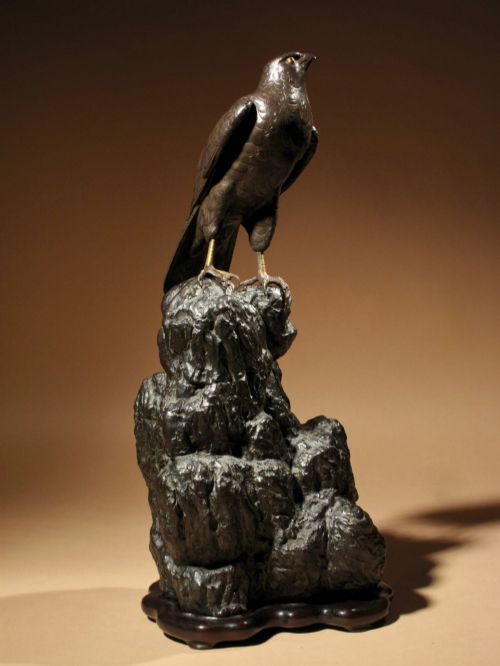
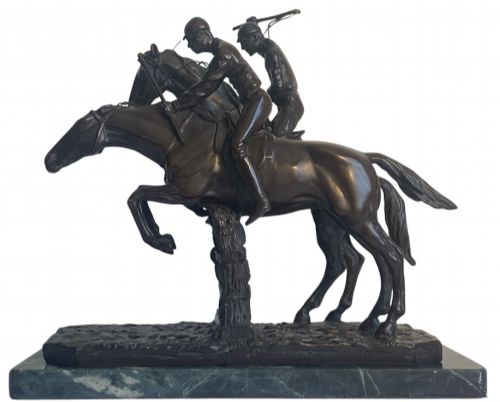
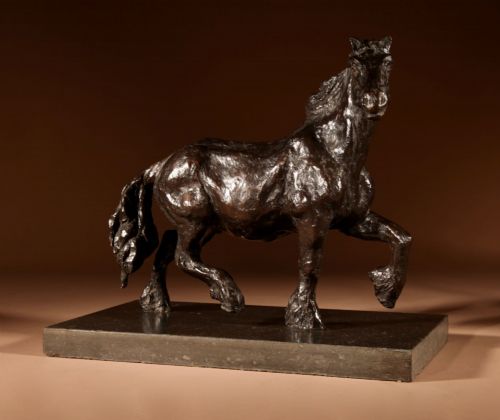
Many examples pair the metal sculpture with an integral rock, a craggy base, or a fitted marble plinth to ground the composition. The aesthetic prioritises anatomical precision and naturalistic textures over stylised abstraction, reflecting a nineteenth-century fascination with natural history and zoology.
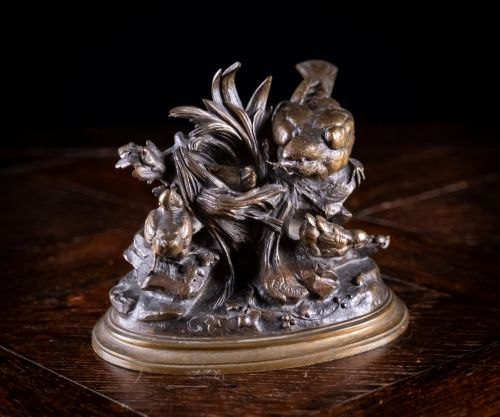
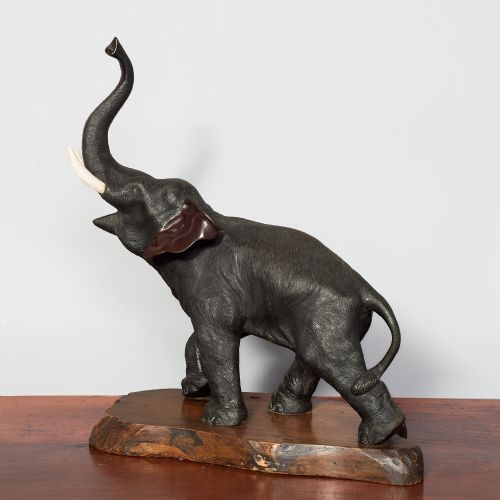
Buyers encounter both European school casts and Japanese Meiji period interpretations on this page, spanning styles from French Animalier to Art Deco. The subjects vary from solitary predators and racing horses to intricate scenes of hunting dogs and birds.
Materials and casting methods
Artisans applied chemical treatments to achieve a dark patina, creating deep brown, black, or greenish surface tones that mimic aged metal and highlight the contours of the subject. Selected pieces incorporate contrasting materials such as marble bases, wooden mounts, ivory tusks, or cold-painted pigments.
Evaluating craftsmanship and detail
The sophistication of the dark patina and the integration of auxiliary materials, such as a carved marble plinth or stone base, distinguish standard decorative objects from superior foundry productions. Signed works associated with established animalier sculptors generally display heightened attention to anatomical movement.
P J Mêne·Christophe Fratin·Antoine Louis Barye·Alfred Barye·Franz Bergman·Prosper Lecourtier·Alfred Dubucand·Barbedienne
The Dark Bronze Animalier Figure Glossary
- Animalier
- A nineteenth-century artistic movement and genre dedicated to the realistic sculpture of animals. Practitioners studied subjects in menageries and rural settings to improve their anatomical accuracy.
- Patina
- The chemical surface coloration applied to bronze sculpture. Artisans used acids and heat to produce dark, rich tones that protect the metal and accentuate sculptural depth.
- Chasing
- The process of hand-tooling a bronze casting after removal from the mould. Skilled artisans used chisels and punches to refine surface textures like hair and feathers.
- Lost-wax casting
- A historic method where a wax model is encased in clay, melted out, and replaced with molten bronze. This technique allows for intricate undercuts and delicate forms.
- Cold-painted bronze
- A manufacturing method where polychrome paint is applied to a bronze casting without subsequent firing. This finish appears frequently on early twentieth-century animal figures.
Dark Bronze Animalier Figure: Frequently Asked Questions
What defines an animalier sculpture?
An animalier sculpture is a nineteenth-century work dedicated specifically to the naturalistic portrayal of animals in action or repose. These pieces focus on accurate animal anatomy rather than human narratives.
Artists observed creatures in zoological gardens and natural environments to render muscle structures, fur, and feathers with precision.
How should I care for dark bronze?
Maintain bronze surfaces by gently dusting with a soft, dry microfibre cloth to prevent the accumulation of airborne grit. Avoid using harsh chemical cleaners, polishes, or abrasive cloths that can strip the original dark patina.
Keep the sculptures away from damp environments and direct sunlight to preserve the stability of the metal and any associated marble or stone bases.
Why do some figures have marble bases?
Foundries mounted bronze sculptures on marble or slate plinths to provide structural stability and visual weight to the composition. These heavy bases anchored dynamic poses, such as leaping stags or charging horses.
The stone also created a formal framing device that elevated the status of the animal sculpture as a finished decorative object.
How can I tell a nineteenth-century cast?
Nineteenth-century casts typically display deep, hand-finished patination, crisp channelling in the metal, and realistic weight distribution. Foundry marks, signatures, or registry numbers incised directly into the bronze often provide clues to their origin.
Examining the underside reveals the casting texture and construction methods characteristic of historic foundry work.