




Dark Botanical Artwork
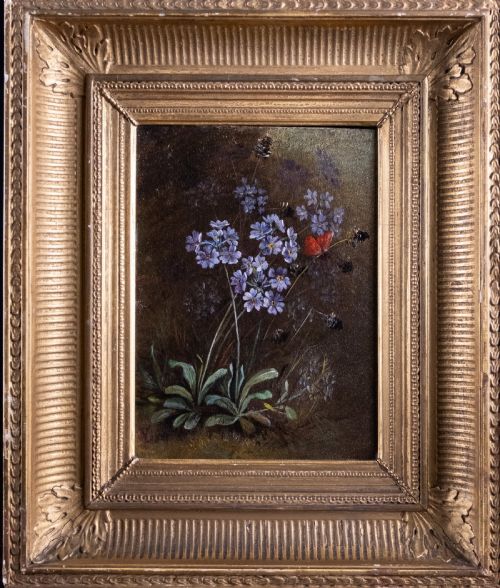
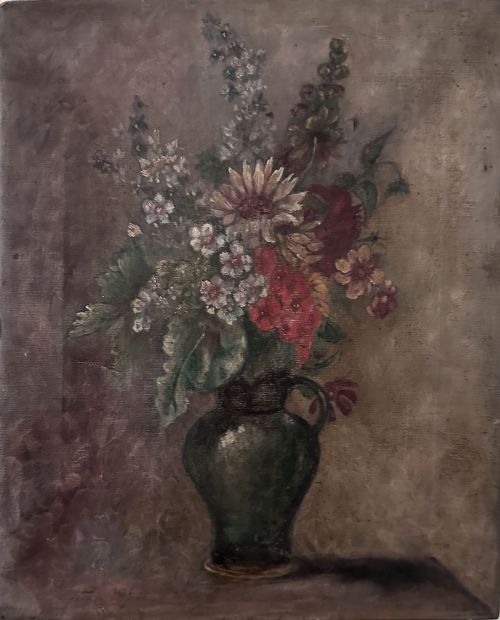
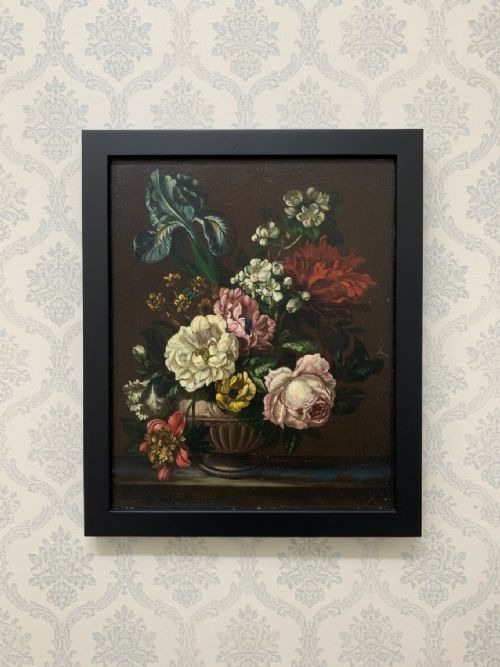
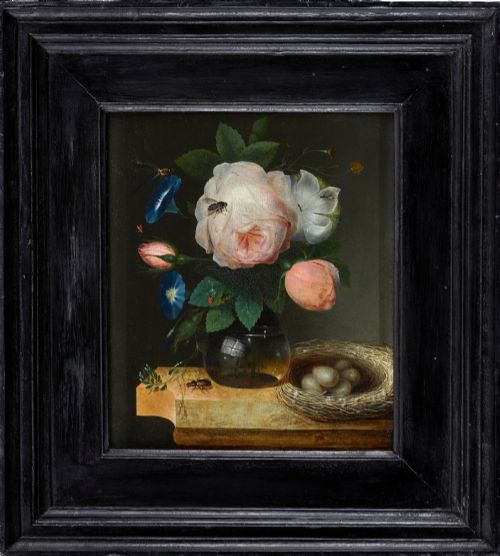
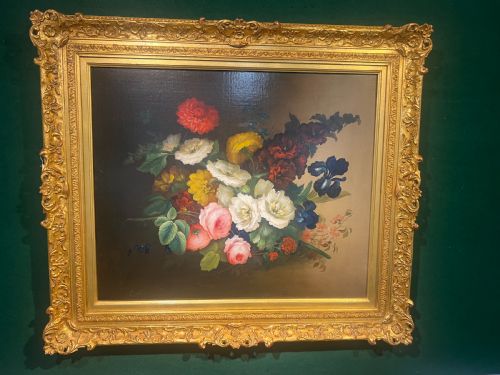
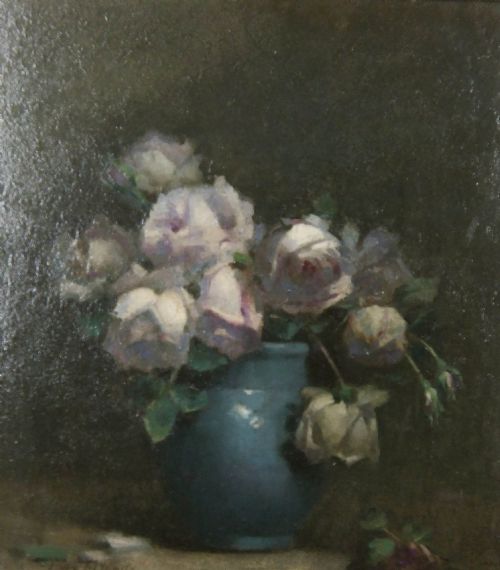
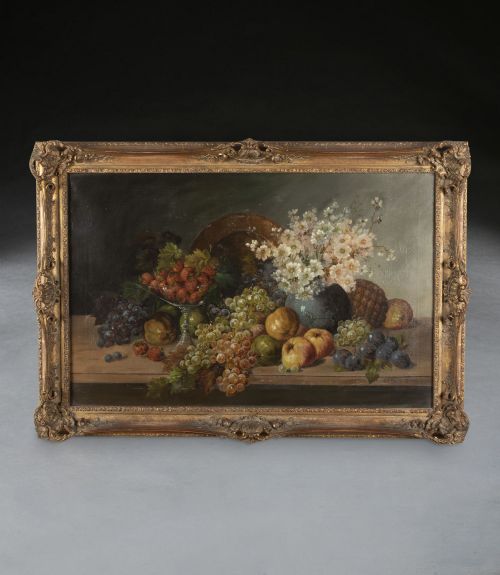
Dark botanical artwork brings deep, shadowy florals and natural specimens into a room, offering centuries of masterly paintwork on canvas and panel.
Dark Botanical Artwork
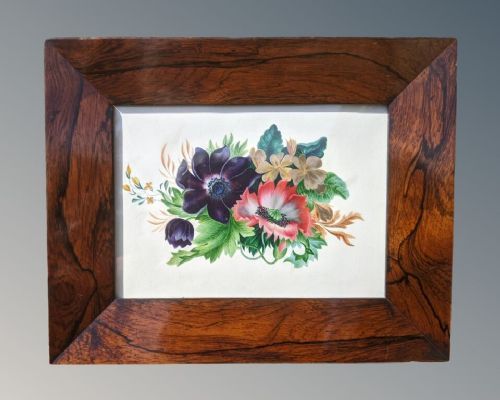
Buyers seeking dark botanical artwork encounter traditional still life paintings, framed watercolours, and botanical engravings populated by deep flora and rich floral arrangements. These pieces emerge predominantly from the seventeenth century through to the mid twentieth century, encompassing Dutch school traditions and Victorian botanical studies.
The version most commonly met on this page is the oil painting on canvas or panel, capturing blooms, plants, and fruit against dark, sombre backgrounds. Artists utilise varied supports, including oak, mahogany, and rosewood frames, to present these moody natural studies.
Materials and methods
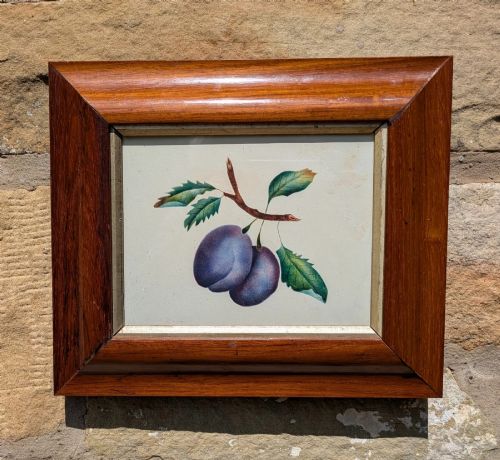
Painters relied on oil paint applied to canvas, wood panels, or copper plates, building rich layers to create deep shadows and luminous petals. Watercolours on paper and detailed engravings offer alternative techniques found across the selection.
Framing often involves gilded wood or rosewood, preserving the surface integrity of panels and canvases while complementing the heavy, dramatic palettes of the period.
Dark Botanical Artwork Retail Price Guide 2026
Typical asking prices for dark botanical artwork among the pieces listed under this phrase on Sellingantiques today, from the lower quarter to the upper quarter. They describe what is for sale here now, not the wider market.
Materials span oil paint, canvas, wood, paper, glass, and gilded wood across periods from the seventeenth century to the mid-twentieth century.
Judging quality in dark botanical pieces
Quality rests in the handling of light against dark backgrounds, where superior brushwork defines the delicate curvature of petals and the texture of foliage without muddying the shadows. The depth of the composition and the preservation of the original support dictate the standing of a piece.
Consideration goes to the precision of the botanical rendering and the harmony between the artwork and its period frame, distinguishing masterly studio output from routine decorative production.
Gaspar Peeter Verbruggen·Edwin Steele·Catherine Thomas·William Thomas Wood·Owen Bowen·Simon Pietersz Verelst·Calzolari·Pierre-Joseph Redouté·James Stuart Park·John Curtis·Margaret Evangeline Wilson·Cuthbert Edmund Swan·George Lance·Herbert Davis Richter·Terence Loudon·James and William Ward
The Dark Botanical Artwork Glossary
- Still life
- A painting or drawing depicting inanimate subject matter, typically commonplace objects which may be either natural or man-made. In this context, it refers primarily to arrangements of flowers, fruit, and plants.
- Panel painting
- A painting made on a flat panel of wood, such as oak, mahogany, or hardboard. This rigid support prevents the cracking associated with aged canvases.
- Oil on canvas
- Pigments bound in a medium of drying oil applied to a stretched woven fabric support. This technique allows for rich blending and deep tonal contrasts.
- Engraving
- A printmaking process where an image is cut into a metal plate with a burin. The resulting lines hold ink to produce fine botanical illustrations on paper.
- Dutch School
- A term describing the style of painters working in the Netherlands from the seventeenth century onwards. These artists excelled in detailed realism and dramatic lighting.
Dark Botanical Artwork: Frequently Asked Questions
What periods do these dark botanical artworks span?
The selection includes pieces dating from the seventeenth century through the eighteenth and nineteenth centuries, extending into the nineteen-thirties.
Earlier works often reflect Dutch and Flemish traditions, while later items encompass Victorian and Edwardian interpretations.
How should I hang and light an oil painting on panel?
Panel paintings require stable indoor humidity away from direct sunlight and heating vents to prevent the wood from warping.
Directional picture lighting enhances the dark, atmospheric backgrounds typical of these botanical compositions.
What is the difference between a watercolour and an oil painting here?
Oil paintings utilise oil-based pigments on canvas or wood panels, offering rich, deep tones and textured brushwork. Watercolours employ water-soluble pigments on paper, presenting a lighter, more translucent botanical study.
Both mediums achieve distinct aesthetic qualities within botanical art.
Are these botanical artworks signed by the artists?
Some pieces bear artist signatures or attributions to historical painters and workshops, while others remain anonymous works from recognised schools.
Documentation and stylistic analysis help identify the period and origin of unsigned panels and canvases.