






Black Background Oil Painting
A black background oil painting draws the eye straight to the subject through deep shadow.
Black Background Oil Painting
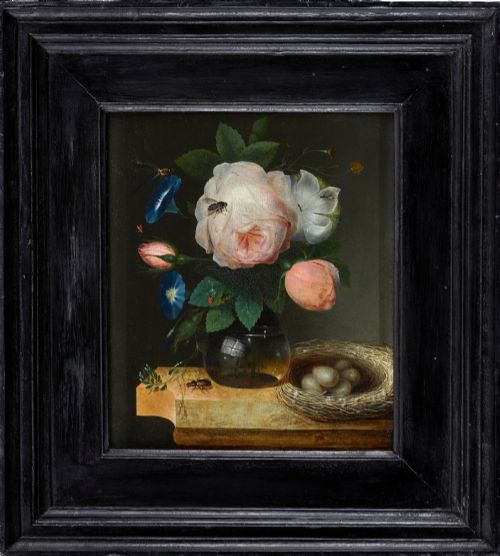
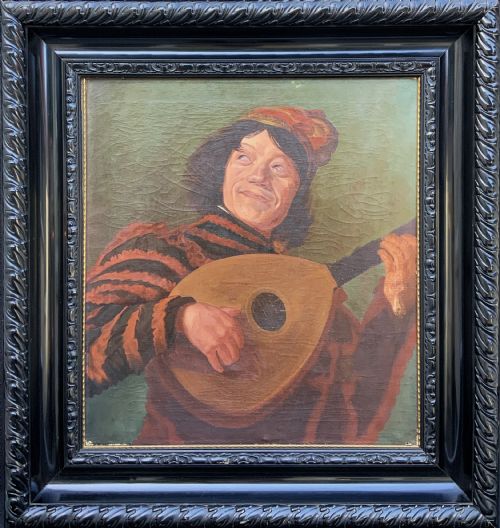
A black background oil painting places figures, florals or still lifes against a dark ground to create dramatic contrast. You will encounter 17th-century works alongside Victorian and 19th-century interpretations.
Portraits and still lifes dominate this selection, ranging from Flemish Baroque arrangements to Impressionist canvases. Painters use this nocturnal or darkened setting to make subjects appear luminous.
How they were made
Artists apply oil paint to canvas or wood panel, often housed within a wood or gilt wood frame. The dark background relies on dense layers of pigment to absorb light completely.
Subtle glazes build up the shadows while brighter highlights emerge sharply, a technique seen across Dutch Golden Age and Neoclassical examples.
Black Background Oil Painting Retail Price Guide 2026
Typical asking prices for black background oil painting among the pieces listed under this phrase on Sellingantiques today, from the lower quarter to the upper quarter. They describe what is for sale here now, not the wider market.
Dogs and white spider lilies occasionally share the dark stage with bishops and railway kings.
What varies in quality
The handling of light defines the better pieces, where deep shadow retains rich depth rather than appearing flat. Brushwork precision in the primary subject separates masterworks from simpler school pieces.
Condition of the canvas and original frame integrity also influence the standing of a piece, alongside the clarity of historical attributions.
Gaspar Peeter Verbruggen·Georges Goursat Sem·Robert More·Pierre Joseph Redoute·Eden Upton Eddis
The Black Background Oil Painting Glossary
- Oil paint
- A slow-drying medium made by combining pigments with oils such as linseed. This allows artists to blend tones smoothly across a dark ground.
- Wood panel
- A rigid support used by painters before canvas became common. Panels provide a stable base for detailed brushwork.
- Gilt wood
- Wood covered with a thin layer of gold leaf, commonly used for traditional framing. It adds a warm metallic border to darkened canvases.
- Flemish Baroque
- An artistic style characterised by vigorous movement and rich colour. Works from this tradition often feature dramatic lighting effects.
Black Background Oil Painting: Frequently Asked Questions
What is a black background oil painting?
These are artworks where the artist surrounds the primary subject with deep, dark tones. This technique heightens the visual drama.
Such works span several centuries, including 17th-century pieces and later 19th-century revivals.
How were these paintings displayed?
Historically, owners hung them in reception rooms and galleries where heavy frames complemented period interiors. The dark palette suited panelled walls.
Today, they work well against plain walls where the spotlight effect of the canvas can stand out.
How do I identify the period?
Look at the stretcher bars, canvas weave and framing style alongside the painting technique. Eighteenth and seventeenth-century works often show distinct craquelure.
Signatures, inscriptions and historical labels on the reverse also help confirm the age.
What subjects appear most often?
Portraits of gentlemen and clergy are common, alongside floral still lifes and botanical studies. Artists chose dark grounds to make flowers and faces glow.
Historical figures and allegorical subjects also feature in these selections.