





Nineteenth Century Botanical Art
Nineteenth century botanical art captures natural history with precise detail, offering enduring visual appeal for collectors of period works.
Nineteenth Century Botanical Art
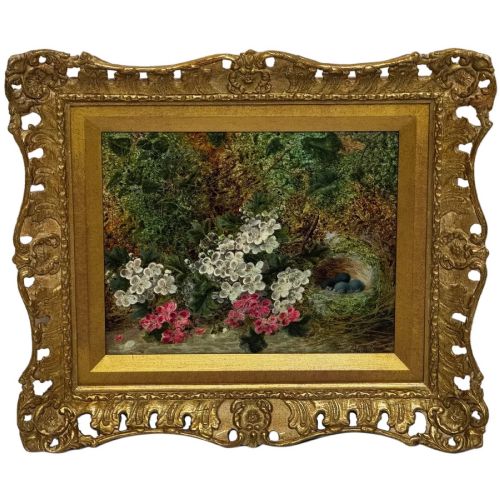
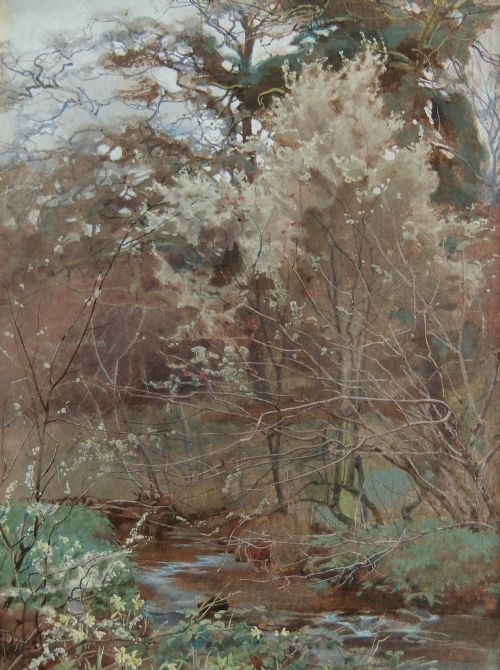
Nineteenth century botanical art comprises detailed depictions of flora and fauna, frequently rendered in watercolour, oil paint, or print formats. These works reflect natural history interests, capturing specimens with scientific accuracy and decorative composition.
Pieces on this page most commonly date from the nineteenth century, including associated periods such as the eighteenth century and early twentieth century. Common subjects range from floral studies and still lifes to tropical birds and natural history scenes.
The objects appear in various forms, including original oil paintings, watercolours, framed prints, and wall hangings. These items demonstrate distinct styles such as Victorian realism and French neoclassical botanical art.
Materials and methods
Artists utilised paper and canvas as primary supports for watercolour, oil paint, and ink applications. Frames frequently incorporate wood and gold leaf, often protected by glass.
Techniques combine precise illustrative drafting with painterly pigment layering, capturing textures of petals, plumage, and foliage. Engraving methods facilitated the production of detailed prints.
Nineteenth Century Botanical Art Retail Price Guide 2026
Typical asking prices for nineteenth century botanical art among the pieces listed under this phrase on Sellingantiques today, from the lower quarter to the upper quarter. They describe what is for sale here now, not the wider market.
Certain watercolours manage to capture botanical accuracy whilst seemingly making garden pests look remarkably noble.
Distinctions in quality
Quality rests upon the precision of the draughtsmanship and the naturalism of the rendering. Superior examples display meticulous attention to anatomical and botanical structure.
The handling of medium contributes significantly to distinction, where fluid watercolour washes or rich oil paint layers define depth and luminosity. The integration of supporting materials, such as period framing and gold leaf, also influences the overall standard.
Oliver Clare·Eloise Harriet Stannard·Alfred W Parsons·Jabez Bligh·William Swainson·Cuthbert Edmund Swan·Pierre Joseph Redoute·George Lance
The Nineteenth Century Botanical Art Glossary
- Watercolour
- A paint consisting of a pigment suspended in a water-based solution. It is applied to paper to achieve translucent layers of colour.
- Engraving
- A printmaking technique where an image is incised into a plate. The resulting lines hold ink to produce detailed impressions on paper.
- Still life
- A painting or drawing featuring inanimate subject matter. These compositions frequently focus on natural objects such as fruit, nests, and flowers.
- Canvas
- A heavy woven fabric used as a surface for oil painting. It is typically stretched across a wooden frame before application.
Nineteenth Century Botanical Art: Frequently Asked Questions
How are these artworks framed?
Many works are presented in period frames constructed from wood, frequently accented with gold leaf. Glazing is often utilised on works executed on paper to provide protection.
Framing styles vary according to the period and medium, ranging from simple mouldings to more decorative arrangements suited to nineteenth century interiors.
What subjects appear in these works?
Subjects focus on natural history, featuring botanical studies, floral arrangements, and bird life. Compositions often incorporate detailed renderings of flora alongside avian or insect elements.
Artists also produced still lifes combining flowers and fruit, reflecting contemporary scientific and decorative interests of the period.
Are these pieces original works?
The selection includes both original paintings executed in oil or watercolour and period prints. Each listing specifies the primary medium used in the creation of the piece.
Original works feature hand-applied pigment on paper or canvas, whilst prints represent historical reproduction and engraving techniques.
How do I care for these items?
Works on paper require protection from direct sunlight to prevent fading of watercolours and inks. Maintaining stable environmental conditions helps preserve both the support and the framing.
Avoiding excessive moisture protects organic materials like wood, paper, and canvas from deterioration over time.