
Botanical Oil Canvas Painting
A botanical oil canvas painting brings timeless floral beauty into a room, capturing nature through rich pigments and textured brushwork.
Botanical Oil Canvas Painting
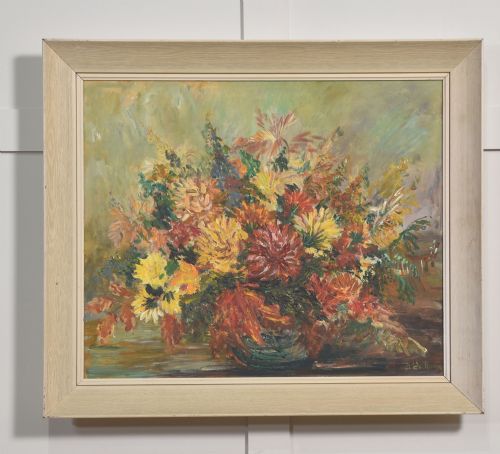
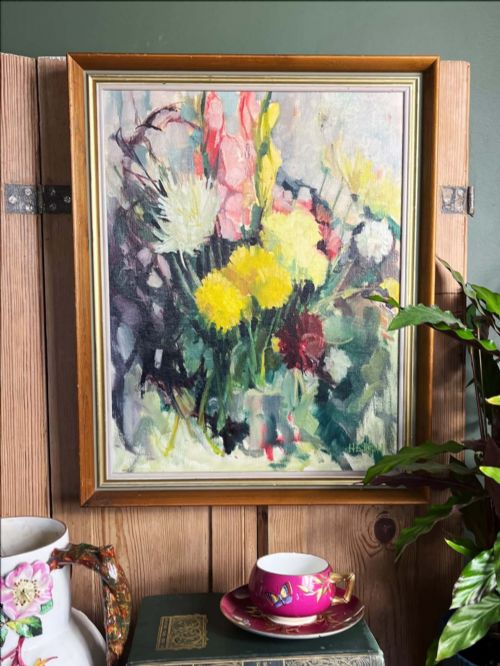
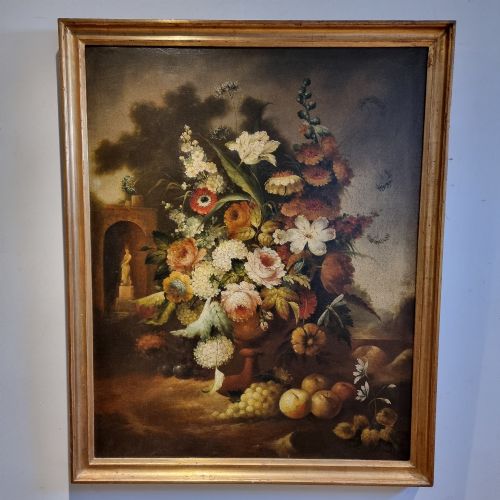
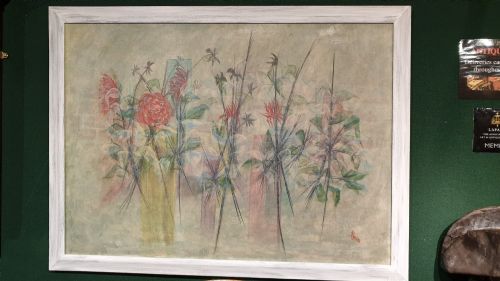
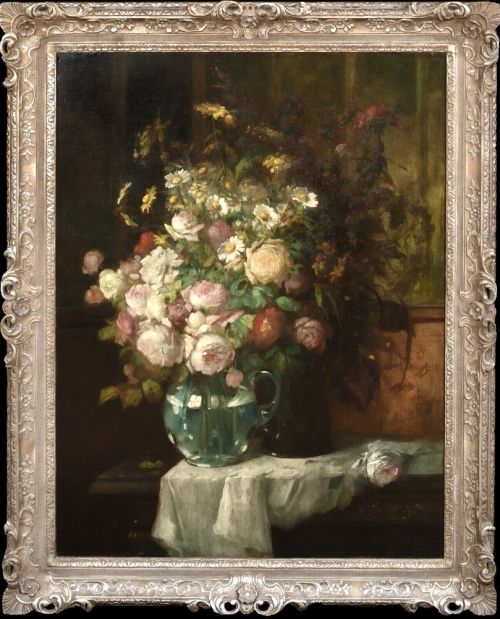
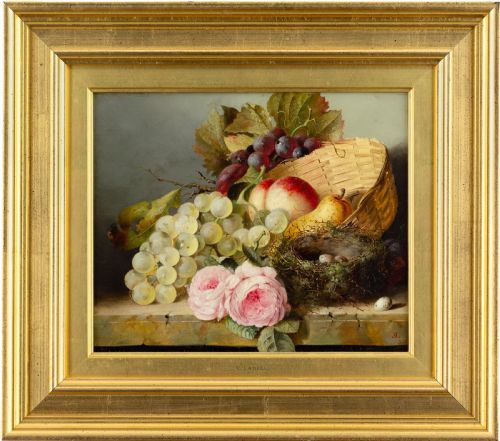
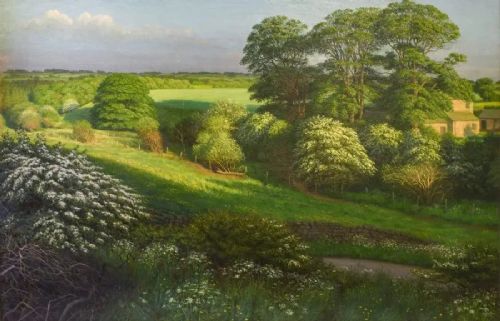
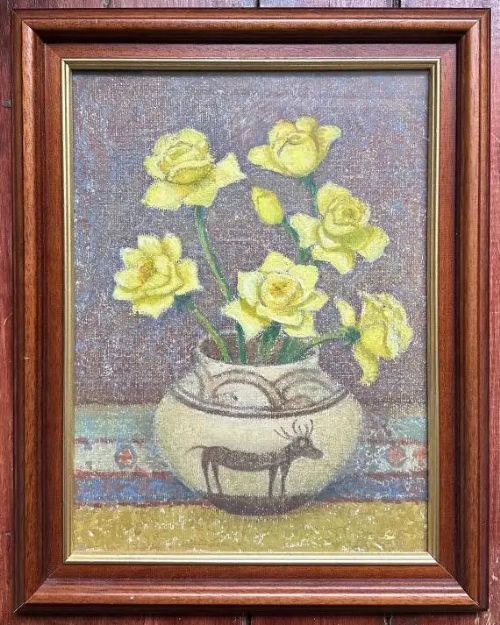
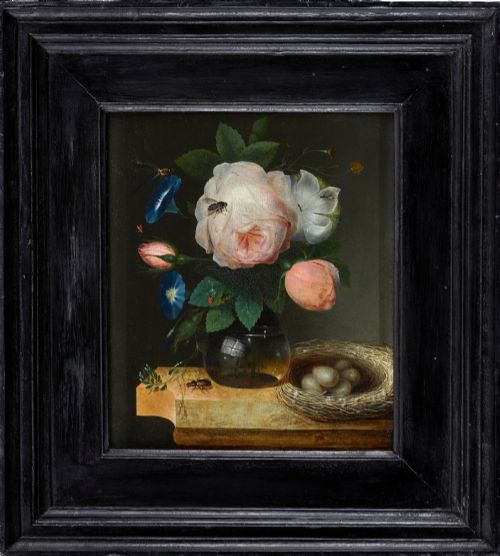
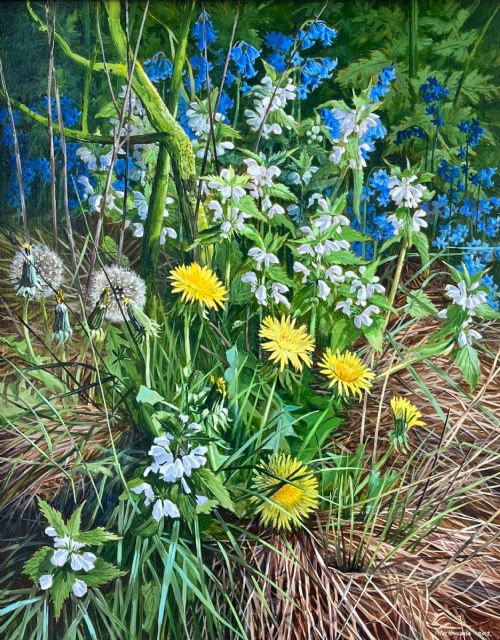
When searching for a botanical oil canvas painting, buyers encounter works depicting floral arrangements, garden scenes, and natural still lifes. The selection spans centuries of artistic expression, ranging from seventeenth-century Dutch styles to mid-century impressionist interpretations.
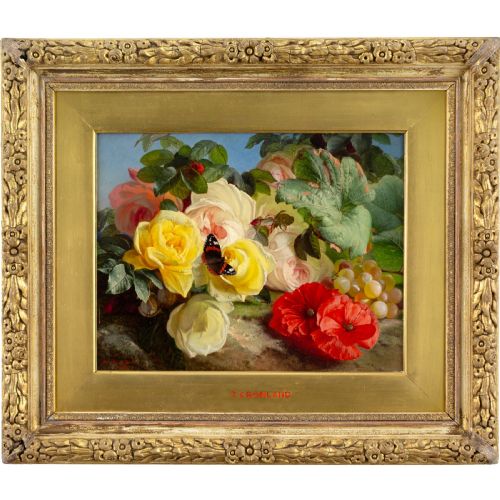
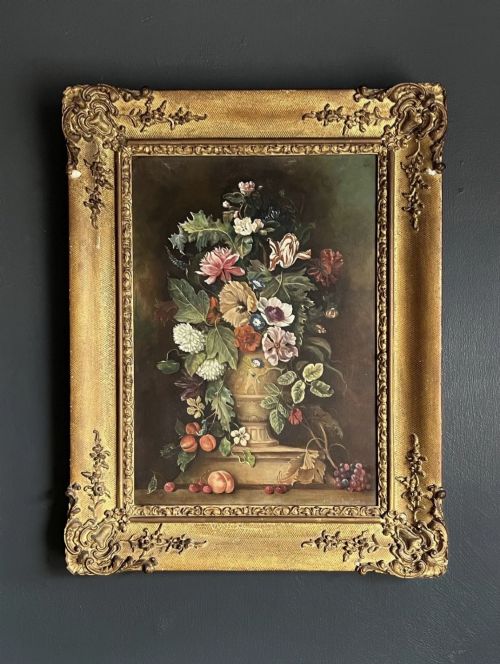
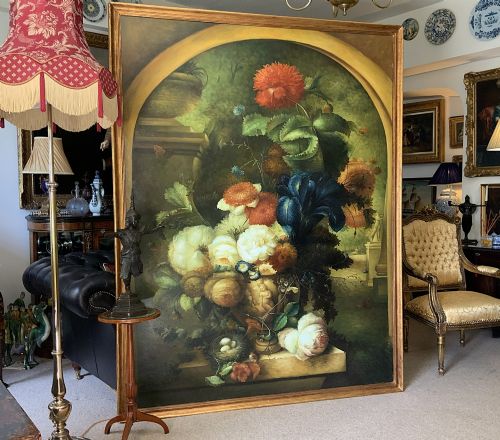
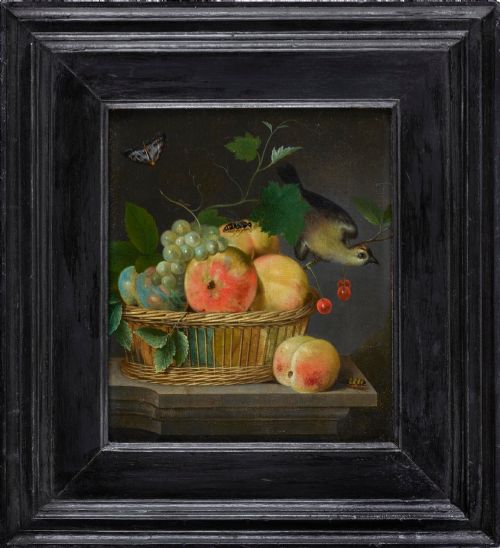
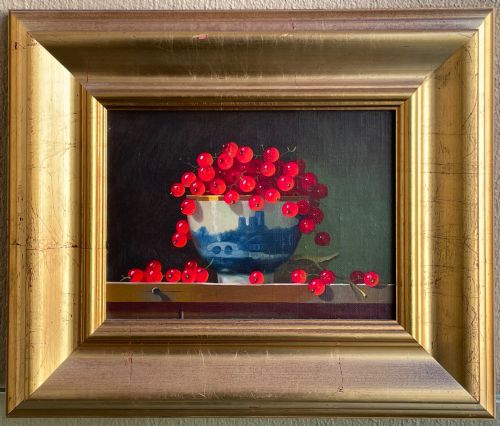
Pieces frequently appear within gilt frames, gesso mounts, or simple wood surrounds that complement the subject matter. Subjects vary from solitary vases of roses and poppies to large-scale floral displays framed by baskets or fruit.
Materials and construction
Artists utilise oil paint applied to stretched canvas or board, often building up layers to create depth and luminosity within petals and leaves. Pigments are worked with brushes or palette knives to achieve both smooth botanical accuracy and expressive, textured backgrounds.
Frames play an integral role in the physical structure of these works, frequently incorporating carved wood finished with gold leaf or detailed gesso moulding. These traditional framing techniques protect the perimeter of the canvas while enhancing the visual weight of the painting.
Several botanical canvases feature unexpected wildlife hiding among the petals, including inquisitive birds and delicate butterflies.
Distinctions in quality
Quality reveals itself through the handling of light, shadow, and botanical structure, where skilled brushwork distinguishes a flat depiction from a living form. The nuance in petal gradation and the natural fall of stems show the artist's command over the medium.
The integrity of the canvas surface and the preservation of the original paint layer determine the overall standard of a piece. Finer works maintain their original vibrancy and structural support without heavy restoration obscuring the primary hand of the artist.
Theude Grönland·Edward Ladell·Gaspar Peeter Verbruggen·Owen Bowen·Konstantin Stoitzner
The Botanical Oil Canvas Painting Glossary
- Canvas
- A heavy woven fabric stretched across a wooden frame to serve as a durable foundation for oil paint.
- Gesso
- A plaster-like mixture applied to wooden frames or panels to provide a smooth base for gilding and ornamentation.
- Impressionism
- A style of painting focusing on light, loose brushstrokes, and immediate visual impressions rather than strict detail.
- Still life
- An artwork depicting inanimate subject matter, typically featuring natural items such as flowers, fruit, or foliage.
- Gilt
- A thin layer of gold leaf applied to the surface of frames or decorative wooden elements.
Botanical Oil Canvas Painting: Frequently Asked Questions
How do I care for my oil painting?
Keep the canvas away from direct sunlight and dramatic temperature fluctuations to prevent the paint from cracking over time. Dust the surface gently with a soft, dry brush without applying moisture or cleaning solutions.
Ensure the room maintains stable humidity levels to protect both the wooden stretcher frame and the canvas support. Professional conservationists should handle any deeper cleaning or structural repairs.
What subjects are depicted?
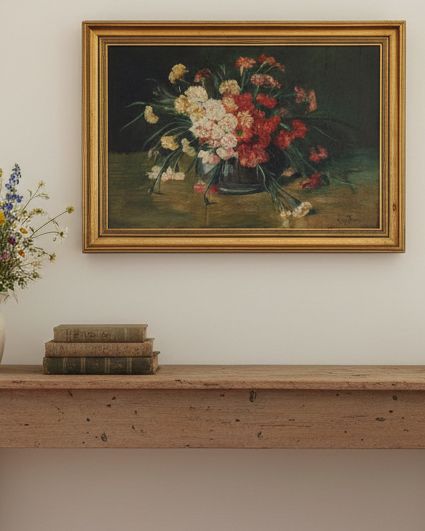
Botanical artworks primarily feature floral compositions, ranging from single stems and seasonal bouquets to elaborate arrangements with fruit and insects. Common botanical subjects include roses, poppies, carnations, and lilies.
Artists also capture wider garden views, hedgerows, and water lilies. These compositions reflect shifting artistic movements across different centuries, from strict botanical recording to expressive impressionist interpretations.
How can I date an oil painting?
Dating relies on examining the canvas weave, the style of the wooden stretcher, and the composition's artistic characteristics. Signatures, artist records, and accompanying inscriptions on the reverse provide definitive chronological markers.
Framing styles also offer clues to the period, as does the chemical composition of the pigments used. Comparing brushwork techniques against known movements like the Dutch Golden Age or British Impressionism helps narrow the timeframe.