


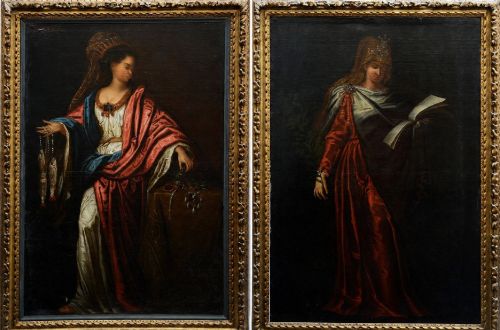
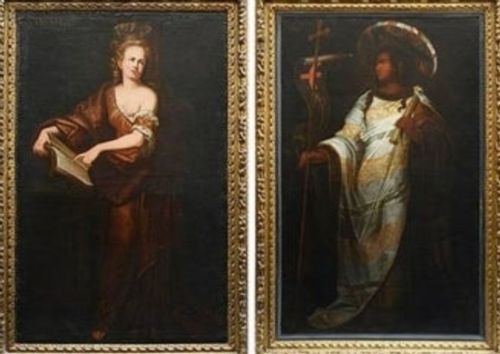
Dark Baroque Portrait Painting
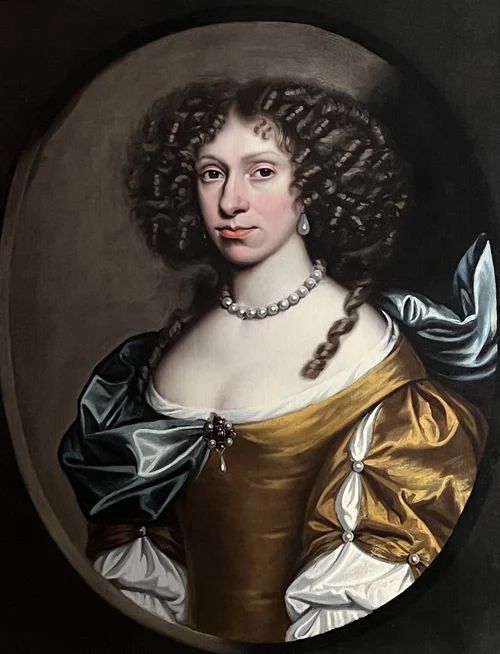
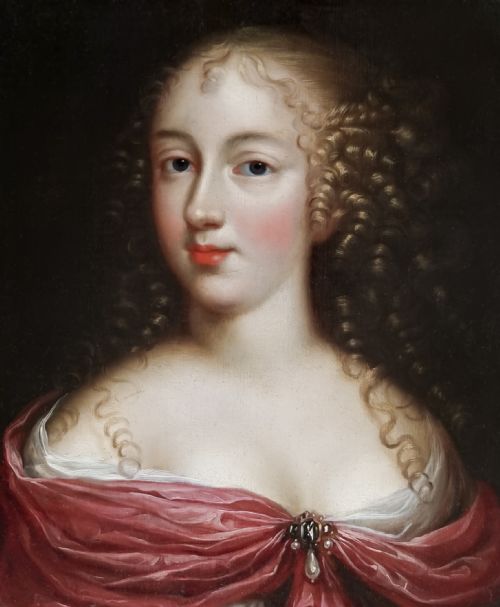
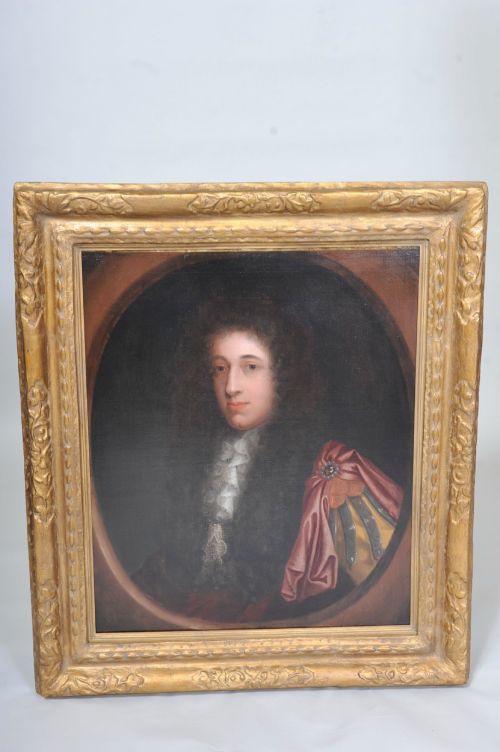
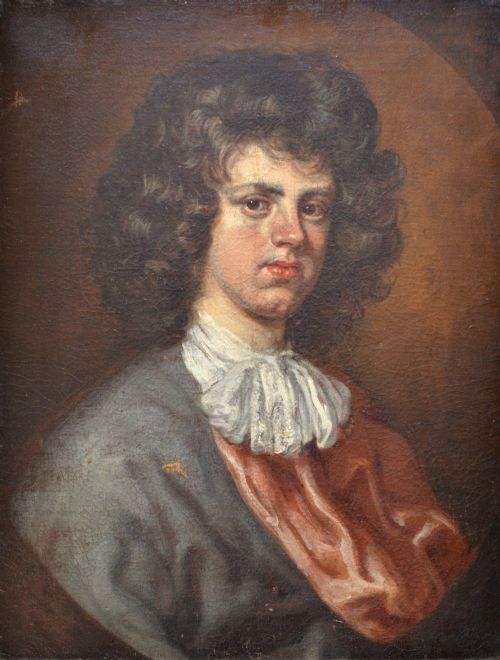
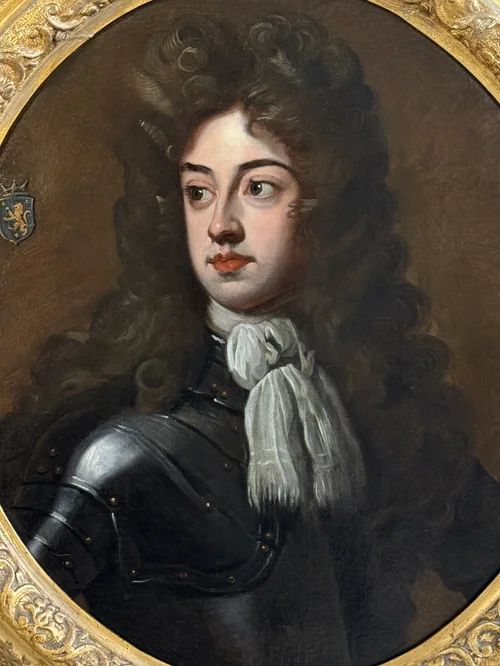
Dark baroque portrait painting captures the severe majesty and dramatic chiaroscuro of seventeenth and eighteenth century sitters.
Dark Baroque Portrait Painting
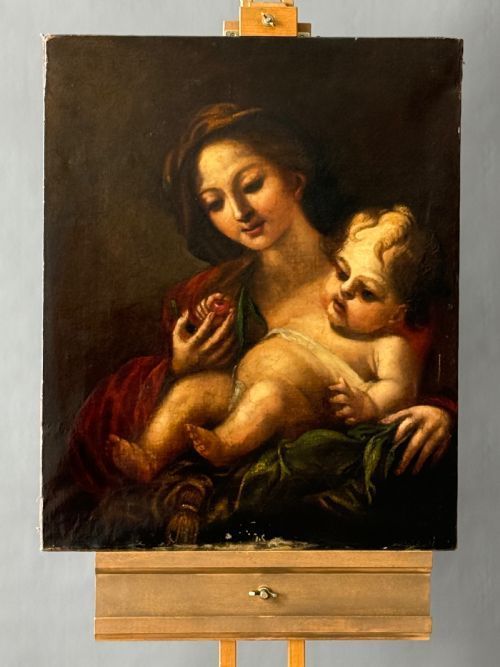
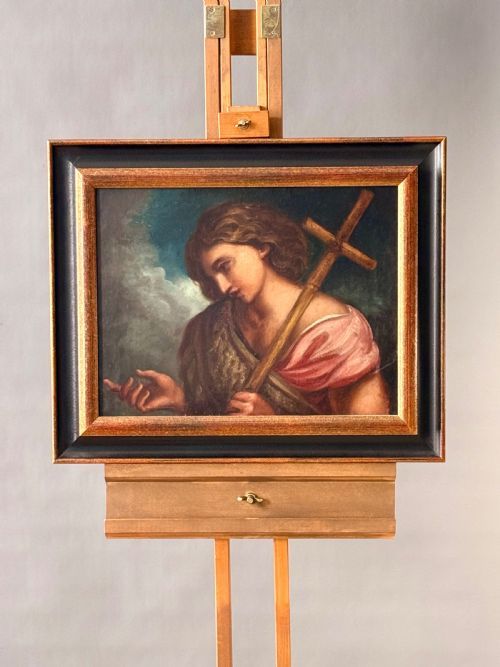
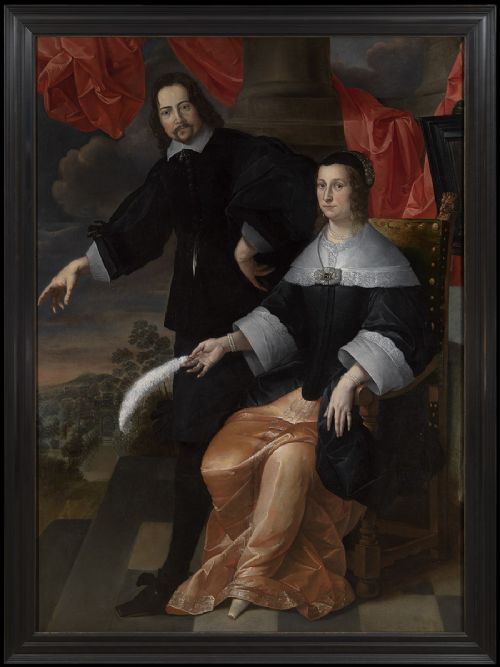
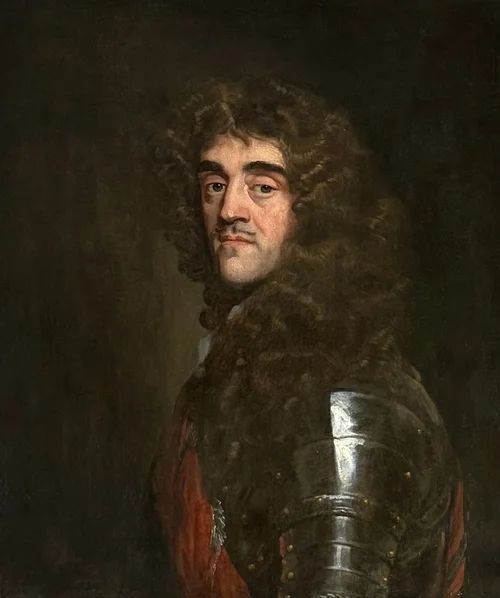
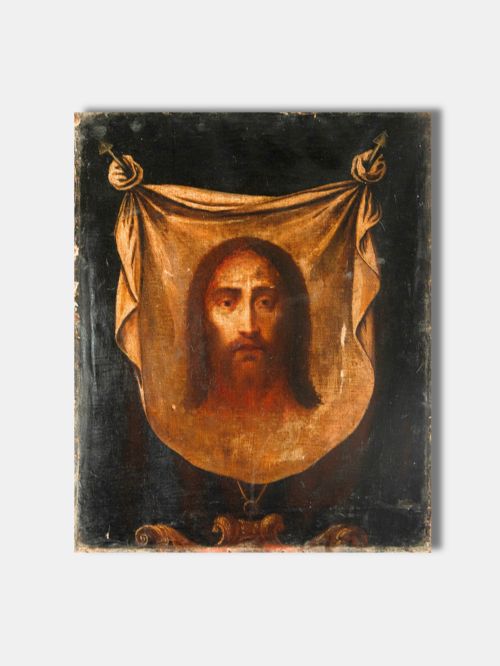
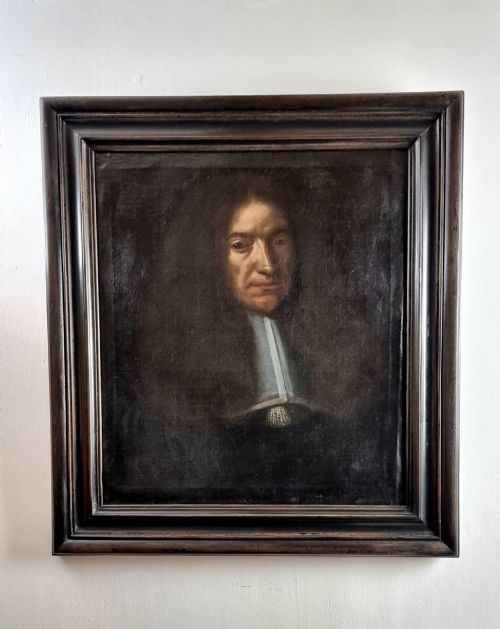
A dark baroque portrait painting presents aristocrats, nobility, and religious figures emerging from deep shadows with intense psychological depth. These works span the seventeenth and eighteenth centuries, drawing on Dutch, Flemish, French, Italian, and English schools.
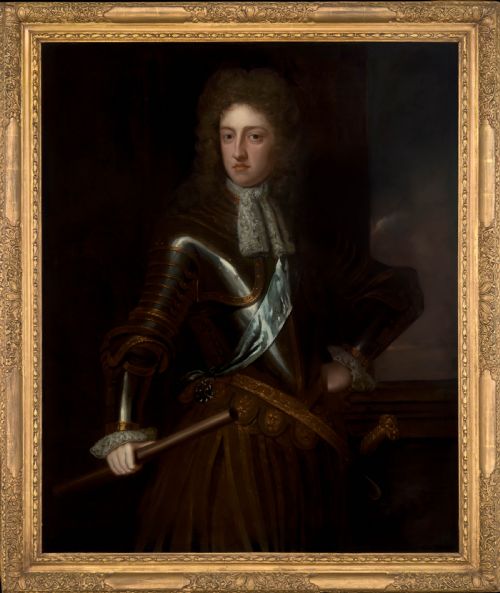
Buyers encounter oil paintings on canvas or panel, frequently depicting sitters in elaborate armour, ruff collars, or sumptuous attire. The prevailing aesthetic relies on the dramatic contrast of light and dark to command attention in a room.
Most examples originate from continental European workshops or British followers of master portraitists. The selection ranges from intimate cabinet pieces to large scale canvases suitable for principal reception rooms.
Evaluating the standard
The sophistication of the textiles, lace, and armour distinguishes master works from routine workshop productions. Fine preservation of the original paint layer without heavy modern intervention maintains the integrity of the piece.
Sir Godfrey Kneller·David Scougall·John Hayls·Michael Dahl·Nicolaes Maes
The Dark Baroque Portrait Painting Glossary
- Chiaroscuro
- The use of strong contrasts between light and dark to give a three dimensional volume to figures. This technique defines the moody atmosphere of baroque portraiture.
- Old Master
- A term applied to skilled European painters working before the nineteenth century. It denotes professional execution within historical traditions.
- Panel painting
- An artwork created on a flat piece of wood rather than stretched canvas. Wooden supports were common in early northern European works.
- School
- A group of artists working in a particular region and period, sharing a common style. Attribution often references the school of a major master when the exact hand is uncertain.
Dark Baroque Portrait Painting: Frequently Asked Questions
How do I care for an old oil painting?
Keep the canvas away from direct sunlight and steady humidity levels to prevent cracking in the paint layer. Dust the surface gently with a soft, dry brush without applying pressure.
Avoid using water or cleaning agents on the painted surface. Professional conservators should handle any structural repairs or deep cleaning.
Where should I hang a dark portrait?
These works suit dark or neutral walls where the dramatic lighting of the painting can stand out. Placing them in spaces with controlled ambient light enhances the depth of the shadows.
Avoid hanging oil paintings above active fireplaces where heat and soot can damage the canvas and frame.
How can I tell the century of the painting?
Examine the clothing, hairstyles, and collars of the sitter, as these follow strict historical fashions of the period. Ruff collars and heavy armour point firmly to the seventeenth century.
Inspect the stretcher bars, canvas weave, and nails on the reverse for signs of age. Older panels often show natural warping and historical construction methods.
What is the difference between a school and a master?
An attributed work or a painting from a specific school was created by a follower or workshop assistant working in the style of the principal artist. These pieces reflect the artistic standards of the broader period.
Works directly by a named master carry higher historical importance and command greater attention from collectors. Documentation or established provenance helps clarify the distinction.