


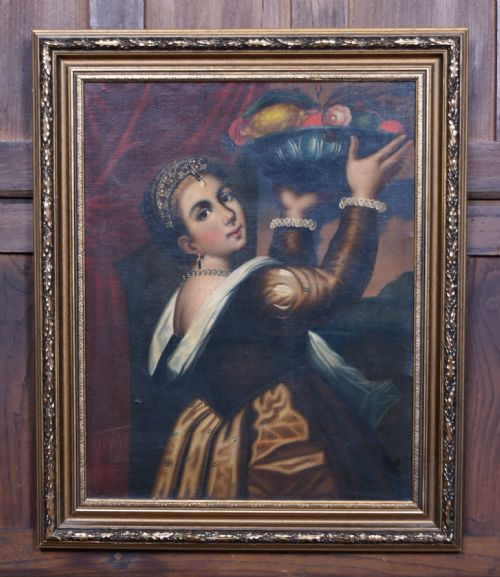

Dark Background Portrait
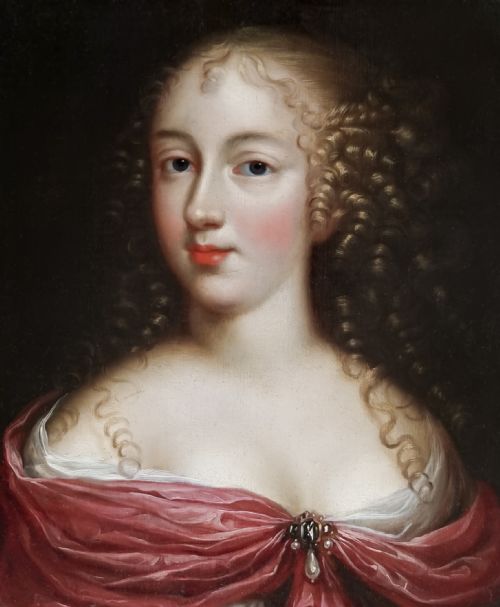
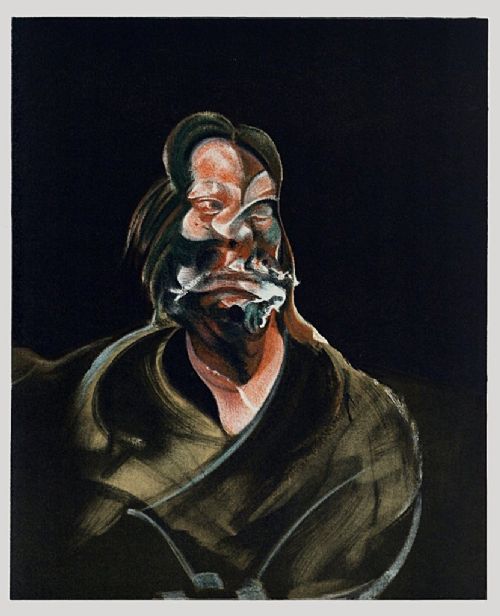
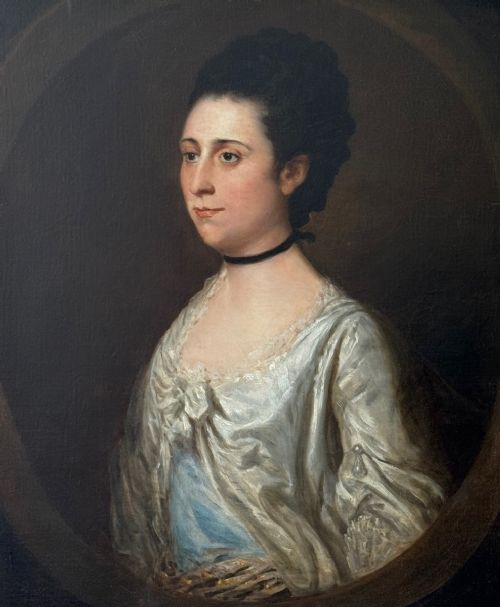
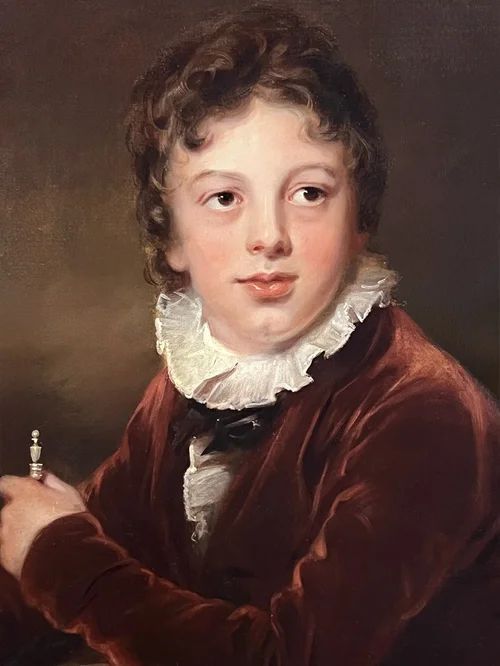
When you search for a dark background portrait, you are looking at historic paintings that draw the eye entirely to the sitter through deep, shadowy tones.
Dark Background Portrait
A dark background portrait uses deep shadows and muted tones behind the sitter to create dramatic contrast and focus attention squarely on the face and clothing. These pieces span centuries from the seventeenth century through the Victorian era and into the twentieth century, capturing subjects ranging from nobility and clergy to children and animals.
The versions most commonly met on this page are oil paintings on canvas or wood panel, created by English, European, and Flemish schools. Subjects include specific historical figures, military officers, and anonymous sitters rendered in styles running from Baroque through Georgian and Regency to Edwardian.
Collectors seek these works for their atmospheric depth and the psychological intensity that emerges when the subject is isolated against a sombre field. Each canvas provides a window into past portraiture conventions where shadow served to model form and convey status.
How they were made
Artists built these works primarily using oil paint applied to woven canvas or rigid wood panels, sometimes housed in giltwood frames. The technique relied on layering dark pigments to build the shadowy background while using lighter, opaque tones to illuminate the face, ruff, or lace details of the sitter.
Subjects represented across the available pieces include military commanders, scientists, children, horses, and Persian kittens.
What varies in quality
The depth of the pigment layers and the preservation of the original surface also define the standing of a piece, as excessive cleaning or overpainting obscures the subtle tonal gradations intended by the artist. A master painter uses the sombre background to make the subject appear to breathe forward from the canvas.
Pierre Mignard·Thomas Beach·Margaret Sarah Carpenter·Hyacinthe Rigaud·Agnes Augusta Talboys·Enoch Seeman·Sir Godfrey Kneller·John Raphael Smith·Edward Bird·John Irvine·Eden Upton Eddis·John Closterman·William Huggins·Lemuel Francis Abbott·Sir Oswald Hornby Joseph Birley·Henry Wyatt·Cowan Dobson·John Ward Dunsmore
The Dark Background Portrait Glossary
- Oil on canvas
- A painting technique utilising pigments bound in a drying oil applied to a stretched woven fabric support. This method allowed artists to achieve rich tonal depth in dark compositions.
- Wood panel
- A rigid wooden support used for early paintings before canvas became the standard substrate. Panels provide a smooth surface for minute detail work.
- Flemish Baroque
- An artistic style originating in Flanders during the seventeenth century characterised by exuberant movement and deep chiaroscuro. Works in this tradition excel at dramatic lighting against dark fields.
- Giltwood
- Carved wood treated with gold leaf or gilt finish to create decorative frames. These frames often complement the sombre tones of historical portraits.
- Chiaroscuro
- An Italian term describing the strong contrast between light and dark within a pictorial composition. This technique defines the visual drama of a dark background portrait.
Dark Background Portrait: Frequently Asked Questions
What is a dark background portrait?
A dark background portrait is a painting where the artist uses deep, shadowy tones behind the main subject to create strong contrast and draw the viewer's eye directly to the sitter's face and attire.
These works rely on dramatic lighting to isolate the figure from the surrounding space, a technique favored by portraitists across the seventeenth, eighteenth, and nineteenth centuries.
How should I hang a dark background portrait?
These paintings benefit from placement on walls with complementary neutral or muted paint colours that do not compete with the deep tones of the canvas. Adequate directional lighting, such as a picture light, helps illuminate the subtle details hidden within the shadows.
Because the backgrounds are dark, pairing them with lighter decorative elements nearby prevents a room from feeling overly heavy or enclosed.
How can I tell the period of a portrait?
Clothing, hairstyles, and lace collars offer the clearest clues to a painting's era, as sitters were depicted in the contemporary fashion of their day. Additionally, the style of the brushwork and the preparation of the canvas or panel help distinguish seventeenth-century works from later Regency or Victorian pieces.
Inscriptions on the reverse or front of the canvas often record the sitter's age and the date the portrait was painted.
Were these portraits always of wealthy people?
Commissioning a painted portrait required significant financial resource, meaning the majority of sitters from earlier centuries were nobility, clergy, military officers, or successful professionals. By the nineteenth century, a broader middle class of doctors, scientists, and industrialists regularly commissioned likenesses.
Some works also depict family members, children, or beloved pets commissioned by affluent households to record their lineage.