





Danish Mid Century Silver
Danish mid century silver brings sculptural form and functional elegance to the table and the hand, spanning the 1940s to the 1960s.
Danish Mid Century Silver
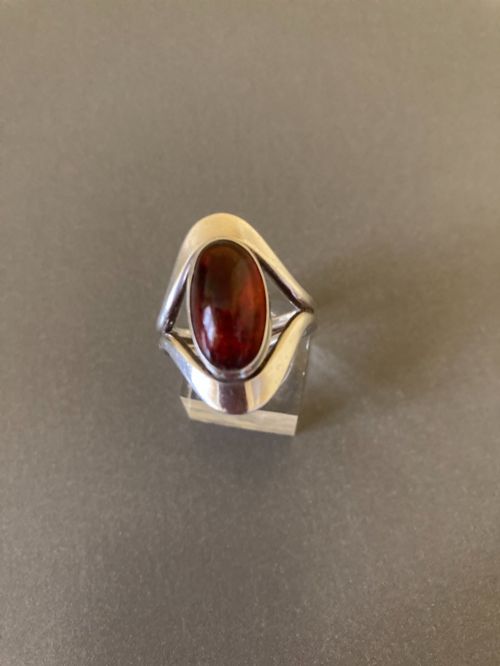
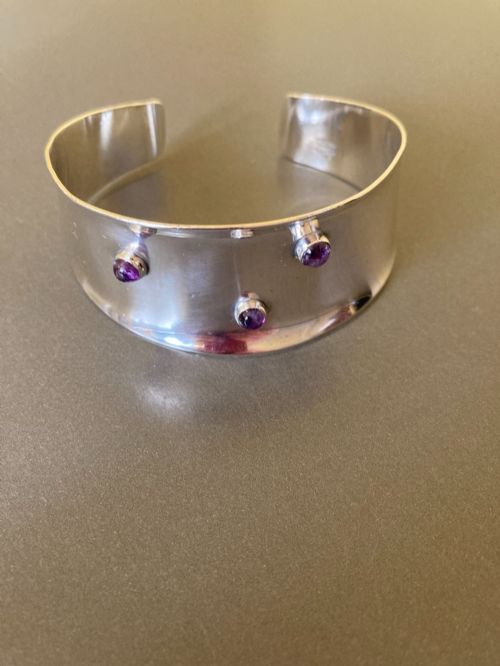
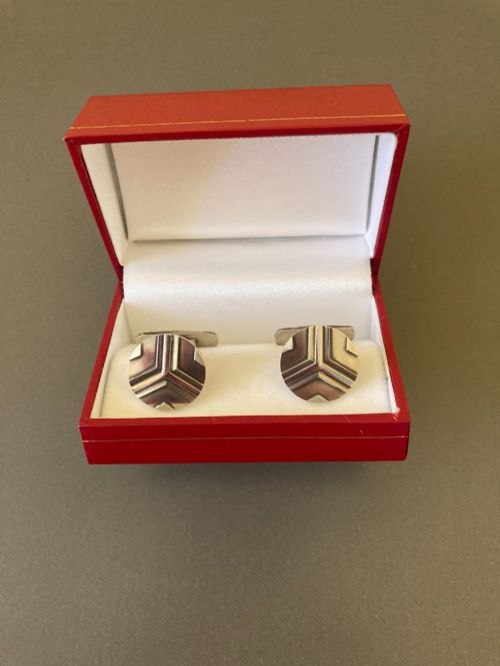
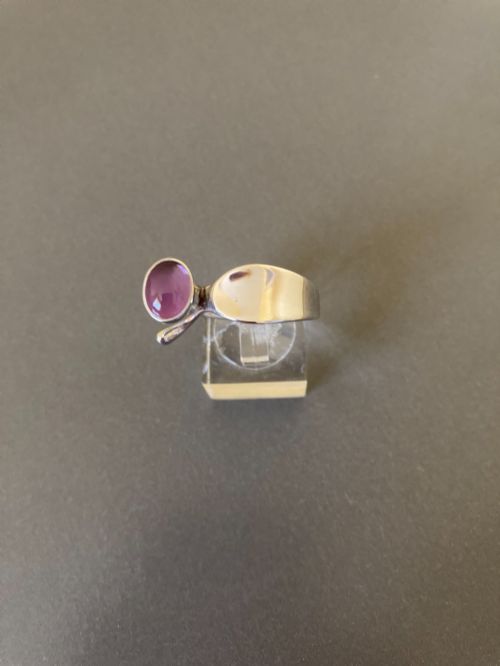
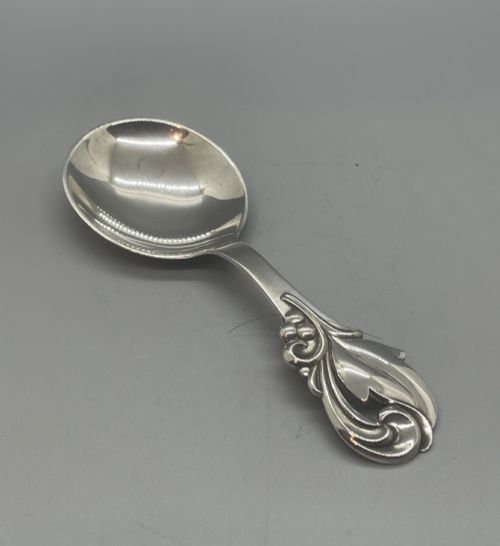
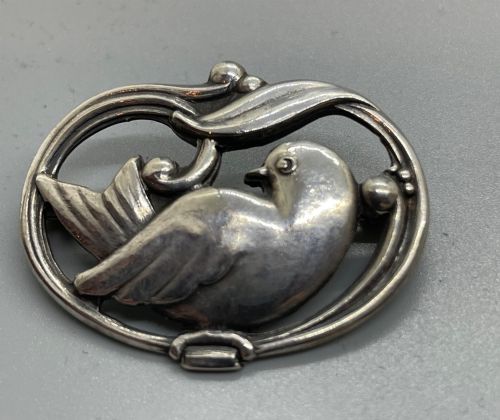
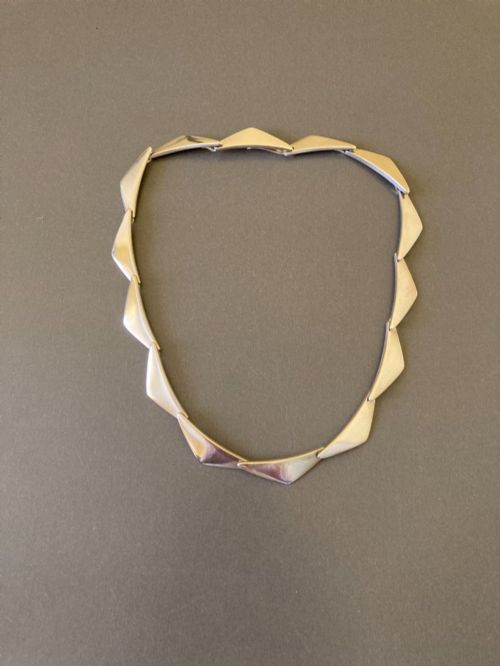
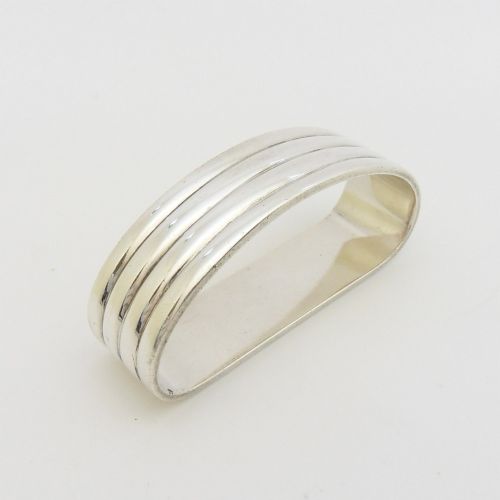
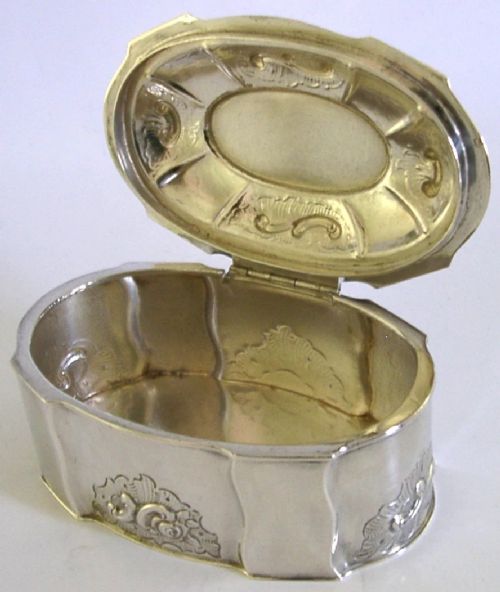
When you search for danish mid century silver, you encounter a distinct vocabulary of form shaped during the 1940s, 1950s, and 1960s. These pieces include brooches, necklaces, rings, pendants, sugar tongs, serving cutlery, napkin rings, tea caddy spoons, dressing table boxes, bowls, coffee pots, and kettles. The aesthetic draws on Scandinavian Modern, Danish Modern, and Mid-Century Modern traditions, prioritising clean silhouettes and organic lines over excessive ornament.
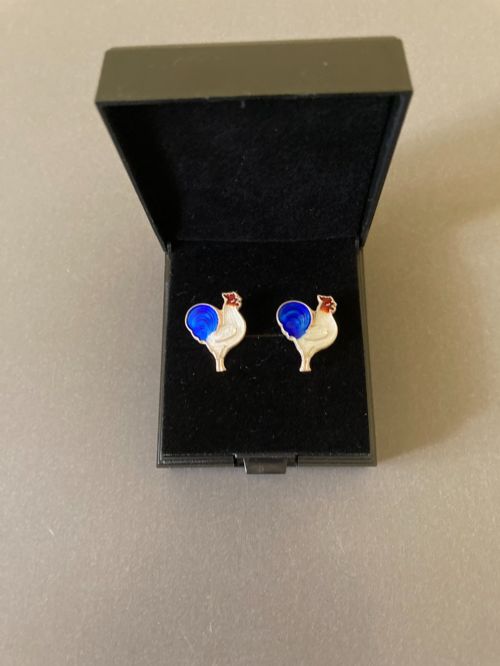
You are most likely to meet iconic personal ornaments such as silver and enamel flower brooches, heart pendants, and minimalist rings alongside functional table silver. The material palette frequently pairs sterling silver with vibrant enamel, gold gilt, vermeil, wood, stainless steel, and zirconia. While the majority of surviving examples date from the mid-century decades, earlier echoes from the Art Nouveau, Art Deco, and 1920s periods occasionally emerge in workshop output.
Materials and construction
Makers utilised solid sterling silver as the primary structural medium, often elevating items through selective gold gilding, vermeil, or contrasting stainless steel elements on serving pieces and cutlery. Enamel work provided bold expanses of colour on brooches, earrings, and seasonal spoons, fusing glass paste to metal surfaces under high heat. Organic accents like wood appeared in handles for coffee pots and serving utensils, marrying warmth of grain with polished metal.
Techniques relied upon a combination of precision silversmithing, casting, and hand-finishing characteristic of mid-century Scandinavian workshops. Enamelling required careful kiln firing to achieve smooth, durable finishes on flower brooches and decorative spoons, while hollowware vessels such as coffee pots and kettles demonstrated expert hammering and seaming. Individual maker marks and period hallmarks stamped into the metal authenticate the metallurgical standards of the era.
Danish Mid Century Silver Retail Price Guide 2026
Typical asking prices for danish mid century silver among the pieces listed under this phrase on Sellingantiques today, from the lower quarter to the upper quarter. They describe what is for sale here now, not the wider market.
Even a quiet tea caddy spoon or a humble napkin ring from this era carries the ambition of a miniature sculpture.
Evaluating quality and design execution
Quality rests upon the harmony of the design and the authority of the maker's hand rather than mere weight or scale. Pieces carrying workshop attributions from established silversmiths demonstrate superior execution in the crispness of their casting and the balance of their proportions. Lesser items may rely on generic mid-century tropes without the sculptural conviction seen in works by prominent designers.
The integrity of secondary materials such as enamel and wood dictates the standing of individual items. Intact, unblemished enamelwork with rich colour saturation elevates a brooch or spoon, while properly fitted wooden handles on hollowware show careful attention to utility. The clarity of stamps, hallmarks, and maker signatures further separates standard production from exceptional studio output.
Georg Jensen·G. Hoppe·Randers Silver·Hans Vilhelm Hansen·Assentorp·A.F. Rasmussen
The Danish Mid Century Silver Glossary
- Sterling silver
- An alloy consisting of pure silver and other metals, usually copper, formulated to increase durability while maintaining a bright lustre. It serves as the fundamental base metal for the vast majority of these objects.
- Vermeil
- Sterling silver that has been plated with a thin layer of gold. This technique provides the rich appearance of solid gold while retaining the underlying structure of silver.
- Silver gilt
- Silver objects coated with a thin layer of gold through chemical or electrolytic processes. It is frequently found on commemorative and seasonal spoons.
- Enamel
- A durable substance created by fusing powdered glass to a metallic substrate through high-temperature firing. It brings vivid colour to mid-century brooches and decorative items.
- Hollowware
- Vessels such as coffee pots, teapots, kettles, and bowls shaped from sheet metal rather than cast solid. These pieces require advanced silversmithing skills to achieve balanced form and volume.
- Zirconia
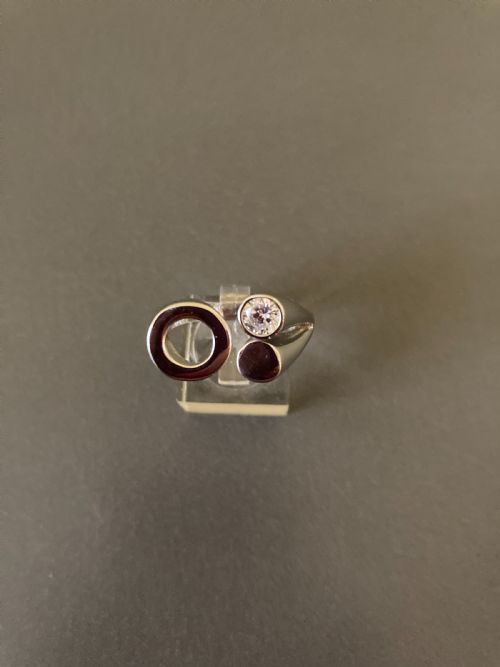
- A synthetic gemstone material utilised as a sparkling accent in mid-century rings and modern jewellery settings. It provides brilliant light refraction alongside durable wear.
Danish Mid Century Silver: Frequently Asked Questions
How do I clean silver and enamel?
Clean sterling silver components gently with a soft microfibre cloth and a mild, non-abrasive silver polish formulated to protect delicate surfaces. Avoid submerging enamel pieces in hot water or harsh chemical dips, as moisture can compromise the glass-to-metal bond over time.
Store items individually in soft pouches to prevent scratching between the silver and the enamel glaze. Regular, gentle dusting keeps the lustre bright without wearing away thin gilding or vermeil layers.
Are these pieces marked with maker stamps?
Many items feature stamped maker marks, workshop signatures, and standard silver purity hallmarks discreetly placed on the reverse or base. These stamps help identify specific studios and confirm the use of solid sterling silver.
Fading or rubbing can occur on older items due to decades of gentle polishing and handling. Examining the marks with a jeweler's loupe often reveals faint designer ciphers or period alloy designations.
How were sugar tongs used?
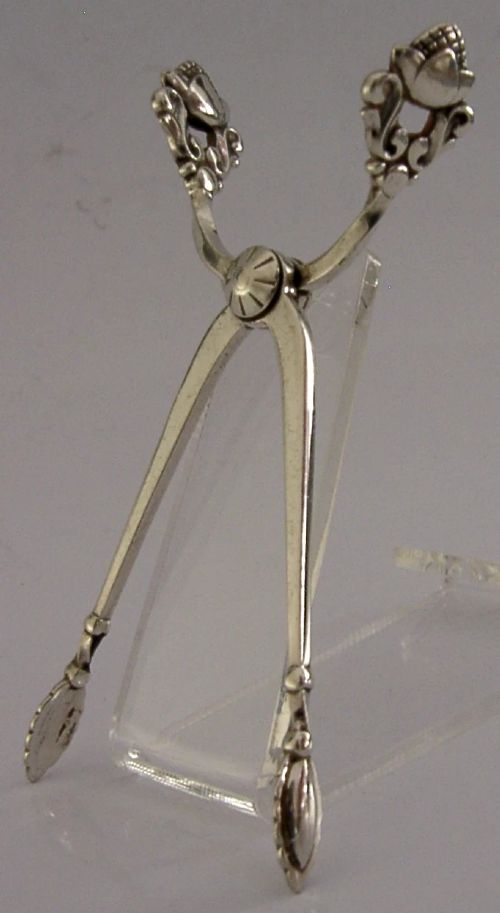
Sugar tongs served a precise function at the mid-century table for transferring sugar lumps from a bowl into tea or coffee cups. Their spring-action arms allowed hosts to handle small cubes cleanly during formal gatherings.
Today, surviving examples like the Acorn pattern tongs function both as collectible desk objects and as practical serving utensils for afternoon tea service.
Can I wear vintage silver brooches daily?
Vintage brooches withstand regular wear provided the pin mechanism and safety catch remain secure and straight. Fastening them to sturdy fabrics prevents the pin from pulling or stretching delicate weaves.
Removing jewellery before sleeping or engaging in strenuous physical activity protects enamel petals and articulated silver links from accidental impact.