

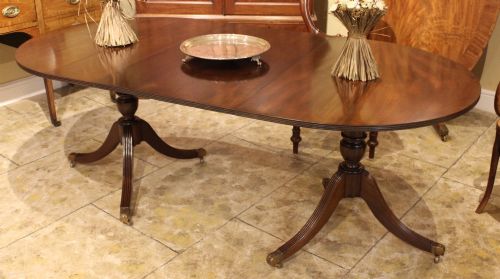


D End Mahogany Table
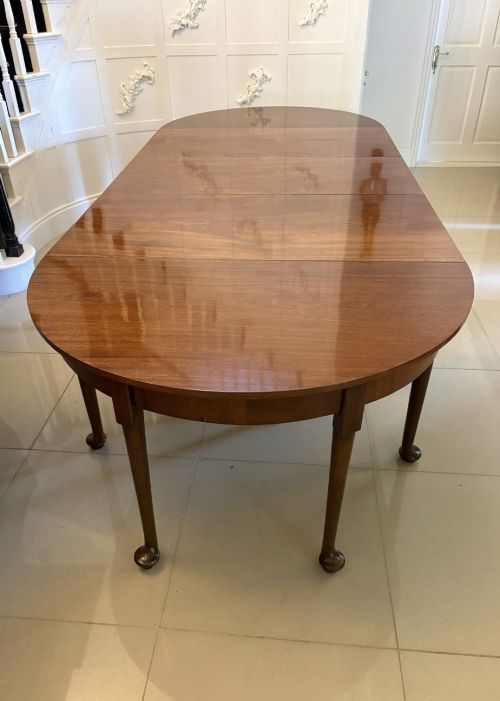
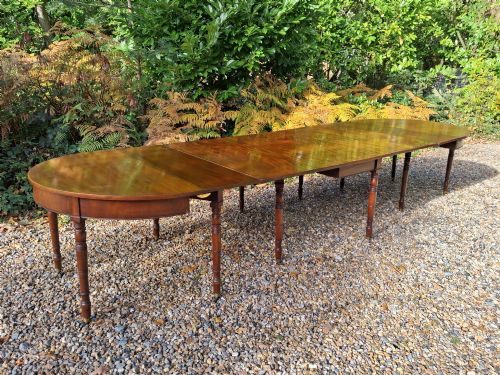
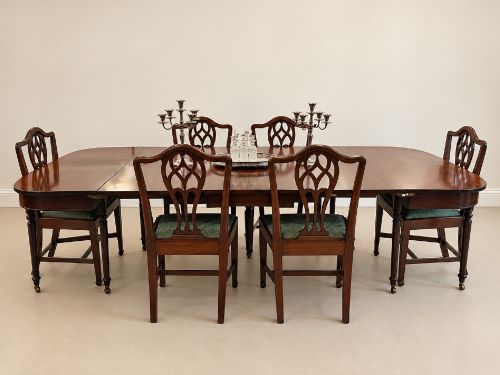
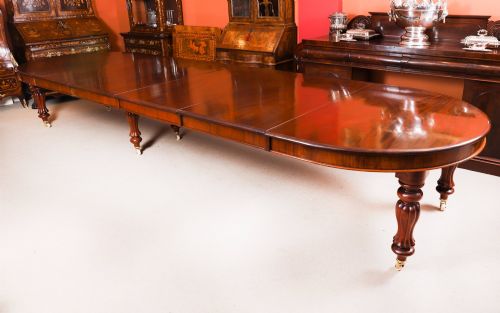
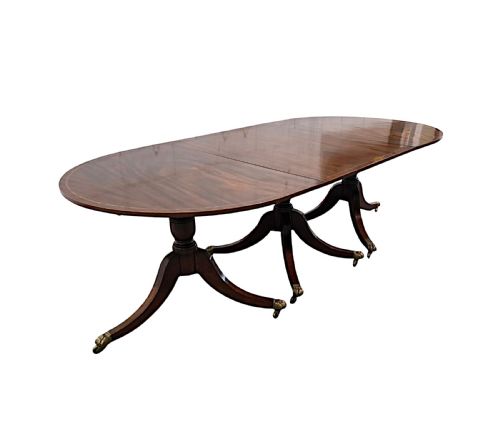
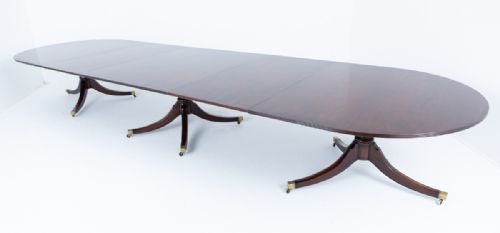
A d end mahogany table brings modular elegance to a dining room, offering adaptable seating through sections that join together.
D End Mahogany Table
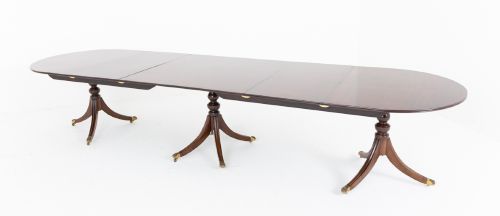
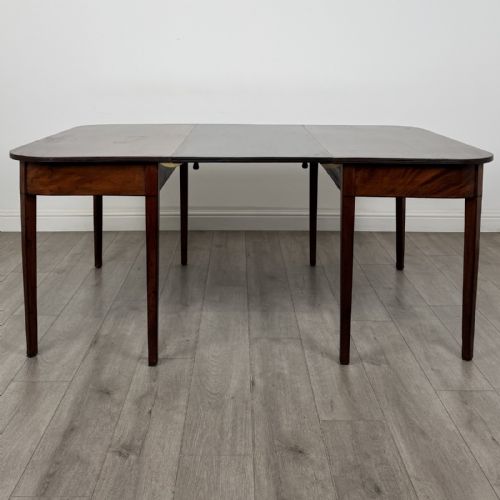
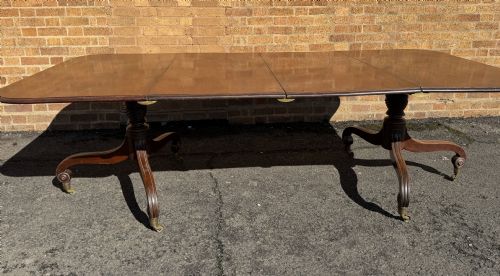
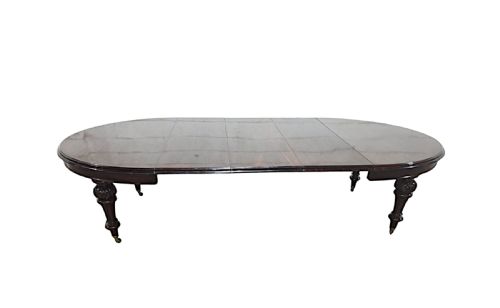
When you search for a d end mahogany table, you encounter sectional dining furniture designed to extend using drop leaves or centre leaves. These pieces originate predominantly from the Georgian, Regency, and Victorian periods, often taking the form of console pairs or multi-pedestal dining formats.
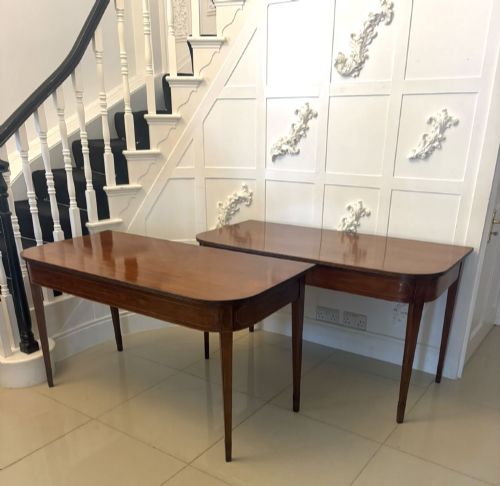
The most common formats on this page include Georgian and Regency dining tables alongside later Edwardian and 1930s interpretations. Many survive as console pairs that separate into functional side tables when not configured for large dinner parties.
What varies in quality
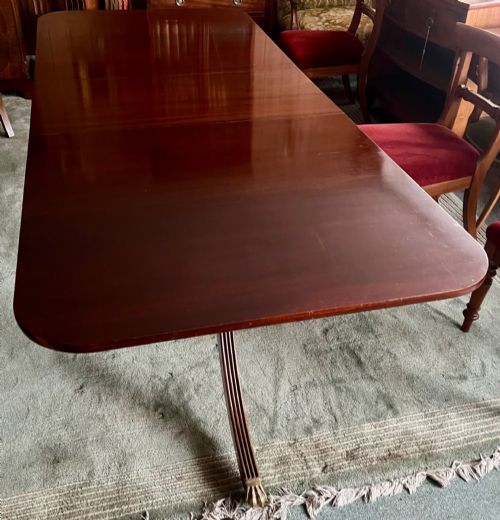
The distinction between standard utility pieces and top-tier examples lies in the selection of Cuban flame mahogany and the crispness of any boxwood or burr yew inlay. Superior tables display balanced grain patterns across every separated leaf and retain original brass joining hardware.
Structural integrity in the pedestals and pillar supports dictates daily utility, particularly in large extending dining formats spanning multiple leaves. Refinement in the edge moulding, such as gadrooned detailing or fine stringing, separates provincial workshop output from metropolitan cabinet work.
D End Mahogany Table Retail Price Guide 2026
Typical asking prices for d end mahogany table among the pieces listed under this phrase on Sellingantiques today, from the lower quarter to the upper quarter. They describe what is for sale here now, not the wider market.
Listings feature mahogany combined with brass, satinwood, marble, and flame mahogany veneer across Georgian, Regency, and Edwardian periods.
The D End Mahogany Table Glossary
- D end
- A semi-circular table end resembling the letter D, designed to stand against a wall as a console or join with other sections to form a long dining table.
- Flame mahogany
- A veneer cut from the fork of the mahogany tree, producing a distinctive ripple pattern that resembles flickering flames.
- Metamorphic
- Furniture designed to transform from one form into another, such as a pair of console tables converting into a dining surface.
- Gadrooned edge
- A carved ornamental border consisting of curved, repeating ridges, frequently found along the perimeter of table tops.
- Drop-leaf
- A table top featuring hinged flaps on the sides that fold down to save space when not in full use.
D End Mahogany Table: Frequently Asked Questions
How do d end sections join together?
The semi-circular ends connect to central leaves using brass clips or wooden pegs fitted beneath the table skirt. This modular design allows owners to alter the overall length depending on the dining requirements.
When separated, the individual ends function independently as console tables or side pieces against a wall.
How do I care for mahogany surfaces?
Mahogany responds best to regular dusting with a soft, dry cloth and occasional applications of beeswax to nourish the timber. Avoid placing the table in direct sunlight or near heat sources to prevent the veneer from drying out.
Use coasters and placemats to protect the polished finish from moisture and heat marks during daily use.
What is the difference between Georgian and Regency tables?
Georgian tables, particularly from the George III era, often feature straight legs, subtle stringing, and solid Cuban mahogany construction. Regency examples lean towards pillar and claw pedestals, bolder brass accents, and heavier classical proportions.
Both periods utilise flame mahogany veneers, but Regency pieces frequently display more pronounced architectural influences.
Can I use a d end table daily?
These tables adapt well to daily dining or use as large writing and display surfaces in a principal room. The sturdy pillar and pedestal bases provide adequate legroom and stability for everyday seating.
Careful handling of the leaf joints ensures the mechanisms remain secure through frequent reconfiguration.