
Cut Glass Vanity Bottle
A cut glass vanity bottle is a dressing table essential that brings brilliant sparkle and tactile weight to your daily routine.
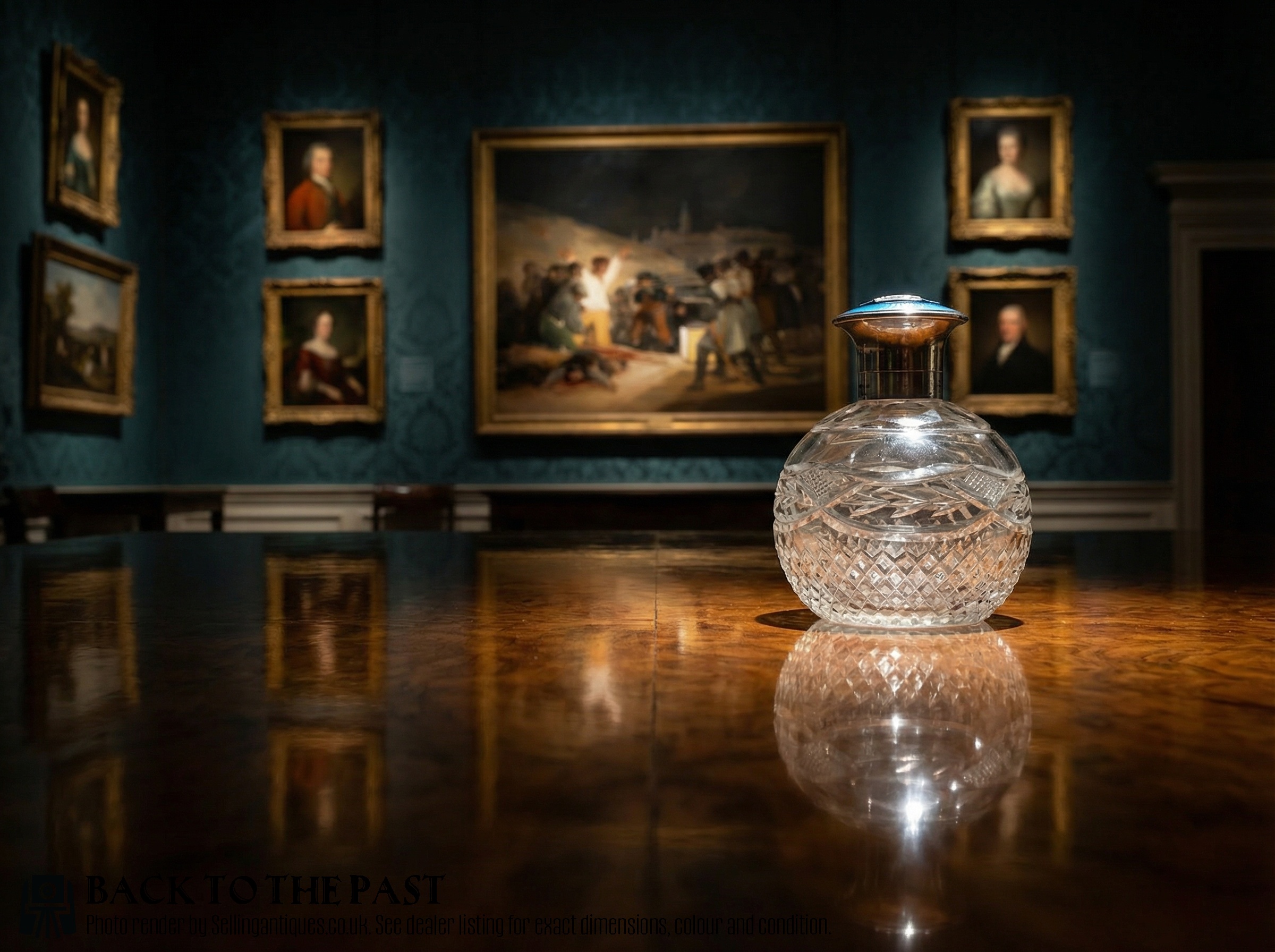
What They Are
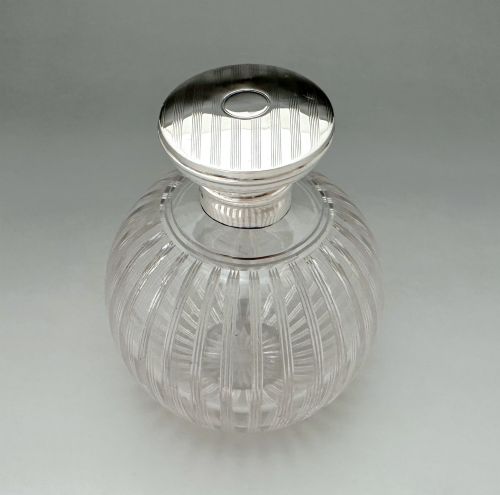
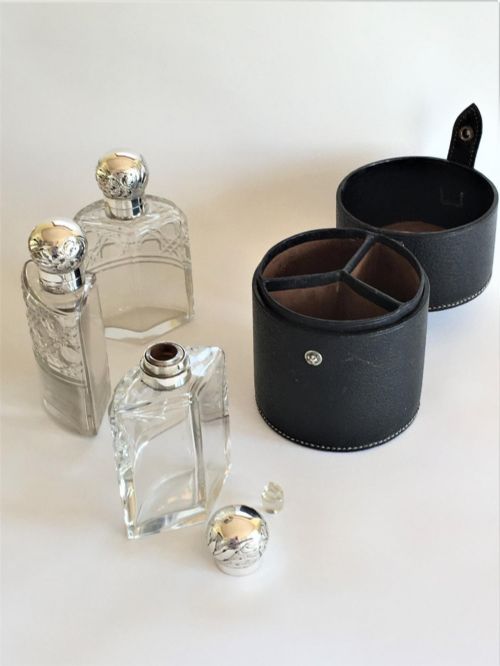
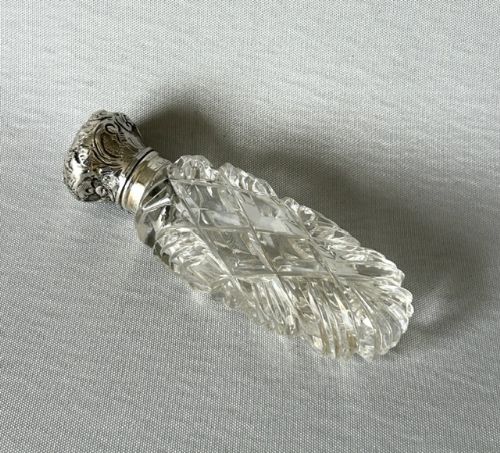
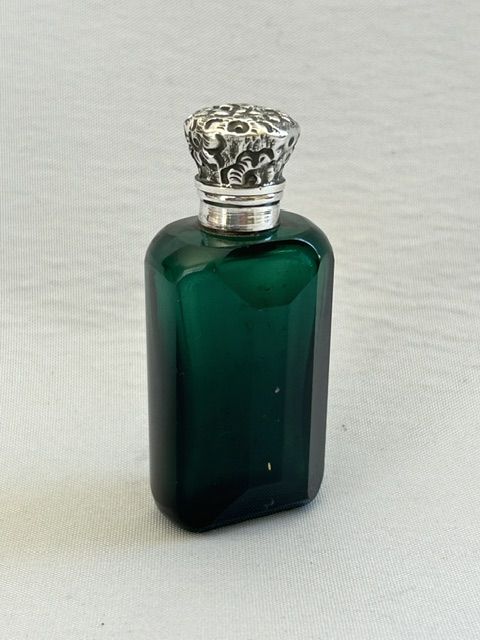
A cut glass vanity bottle is a dressing table essential designed for holding perfumes, colognes, and cosmetics. These pieces combine heavy vessels with ornate metal and decorative mounts.
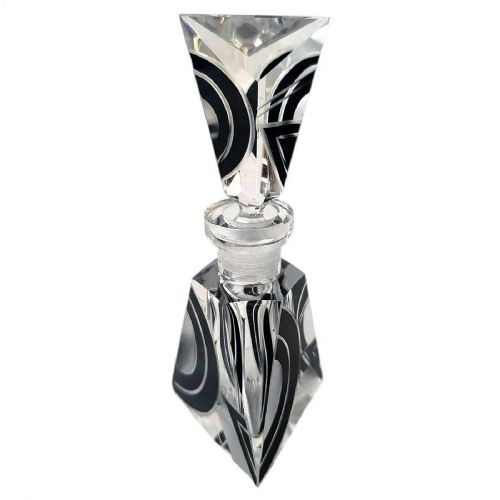
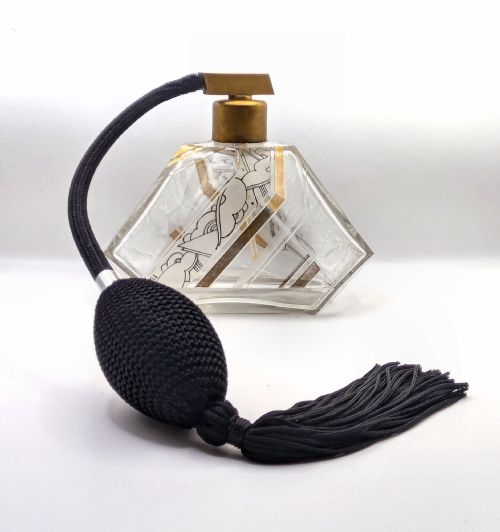
You are most likely to meet pieces from the Victorian and Edwardian eras, alongside striking Art Deco designs from the 1920s and 1930s. Forms range from single upright vessels to double-ended scent bottles.
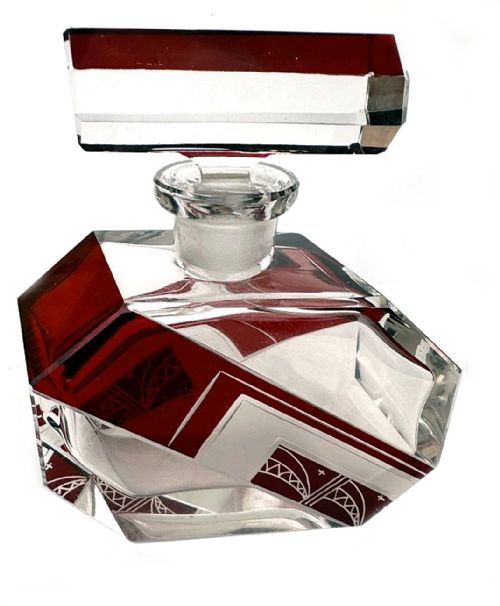
The evidence shows examples incorporating sterling silver, enamel, and tortoiseshell alongside crystal and glass. Makers such as Karl Palda represent the distinctive styling found within these periods.
How They Were Made
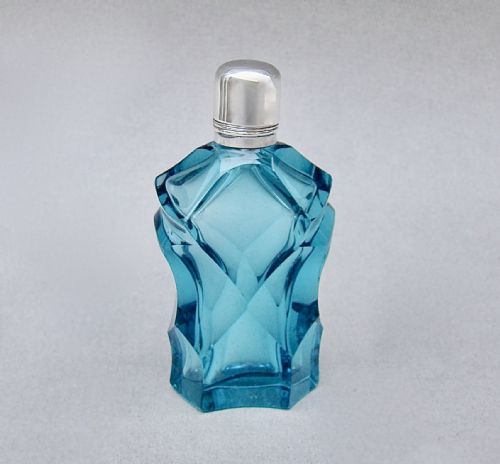
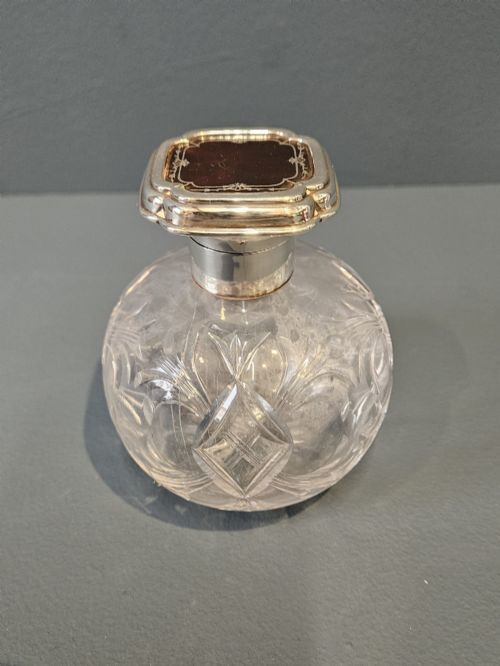
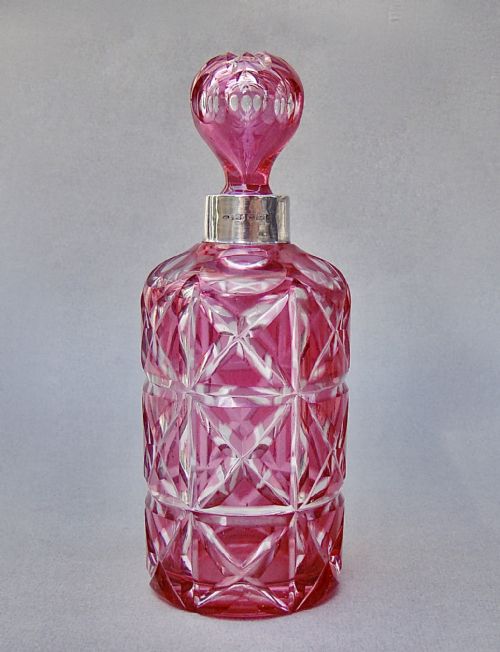
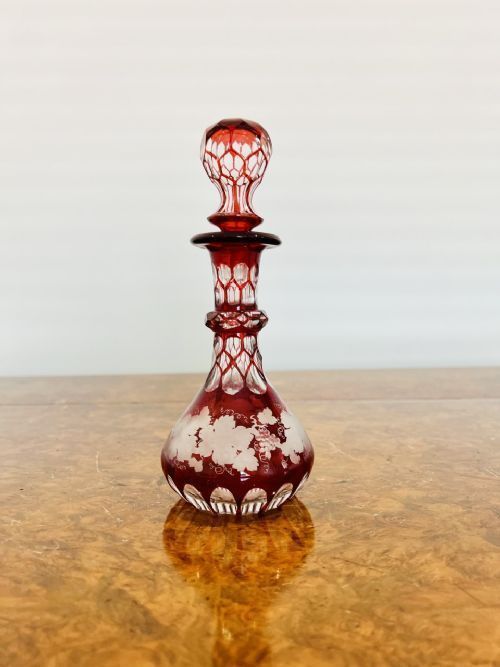
Bodies are formed from heavy glass and crystal, often shaped with deep cutting to catch the light. This structural glass provides a solid foundation for decorative metalwork.
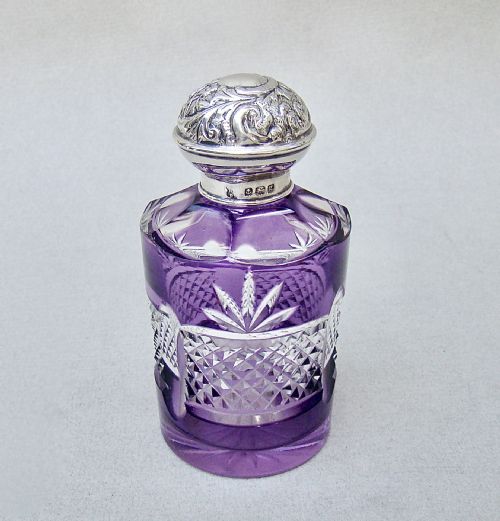
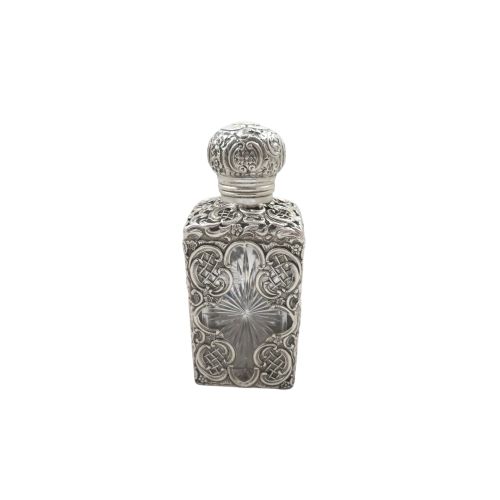
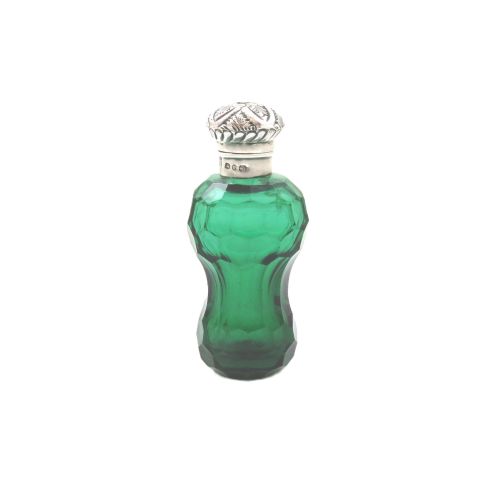
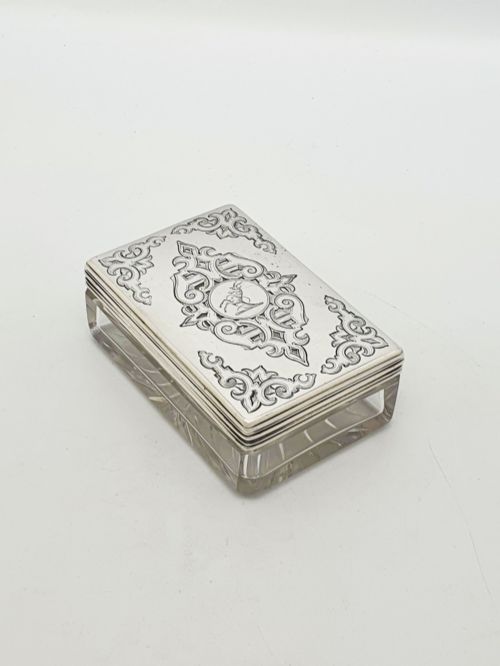
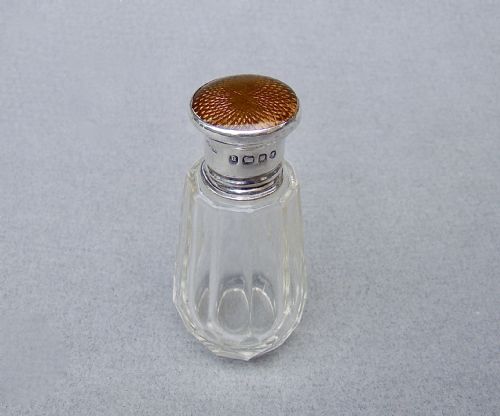
Mounts and caps utilise sterling silver, frequently hallmarked, while tops incorporate intricate details in enamel and tortoiseshell. These mixed materials require precise fitting between the glass neck and the metal collar.
Retail Price Guide 2026
Typical UK retail prices for cut glass vanity bottle, calculated from the Sellingantiques database of over a million retail prices indexed since 2003. This retail price guide relies exclusively on Sellingantiques data; no external sources or auction records are used, so the figures do not describe the wider market.
Materials recorded across the inventory include cut glass, sterling silver, enamel, and tortoiseshell.
What Varies in Quality
The distinction between standard vessels and superior pieces rests on the depth and crispness of the glass cutting. Heavier crystal bodies with precise, sharp facets elevate the overall presence.
The sophistication of the mounts further separates the range, particularly where intricate enamel work or tortoiseshell meets hallmarked sterling silver. Complete pairs and double-ended configurations display higher ambition in design.
Karl Palda
The Cut Glass Vanity Bottle Glossary
- Sterling silver
- A silver alloy containing 92.5 percent pure silver by mass, frequently used for the collars and caps of these bottles. Hallmarks stamped into the metal indicate the assay office and year.
- Tortoiseshell
- A decorative material derived from the shell of turtles, utilised in upper-market Edwardian and George V vanity pieces for its rich mottled brown tones. It requires careful handling to preserve its polished surface.
- Double ended
- A scent bottle configuration featuring stoppers at both ends, allowing two different liquids to be housed within a single piece. These symmetrical vessels were popular during the Victorian period.
- Art Deco
- A design style spanning the 1920s and 1930s, characterised by geometric precision and stylised motifs. Karl Palda utilised these modernist aesthetics in Czech glass production.
Frequently Asked Questions
What is a cut glass vanity bottle?
A cut glass vanity bottle is a decorative container designed for dressing tables to hold perfumes, colognes, and toilet waters.
These pieces feature heavy glass or crystal bodies adorned with faceted cutting and metal mounts.
How were these bottles used?
They sat upon dressing tables and sideboards to dispense fragrances during daily grooming routines.
Owners removed the silver or enamel caps to apply scents directly to the skin or handkerchiefs.
How do I date a vanity bottle?
Dating relies on stylistic clues like Victorian ornamentation or 1930s Art Deco geometry.
Silver mounts often carry hallmarks that reveal the exact year and assay office of manufacture.
What materials appear on these bottles?
Bodies are constructed from glass, crystal, and cut glass, paired with sterling silver collars.
Decorative elements frequently incorporate coloured enamel and tortoiseshell panels.
Are pairs common for these bottles?
Pairs do appear among surviving vanity items, often designed to match symmetrically on a dressing tray.
Single bottles remain more common, particularly in specialised forms like double-ended scent vessels.