

Cut Glass Lights
Cut glass lights combine faceted crystal and gleaming metal to scatter illumination across a room.
Cut Glass Lights
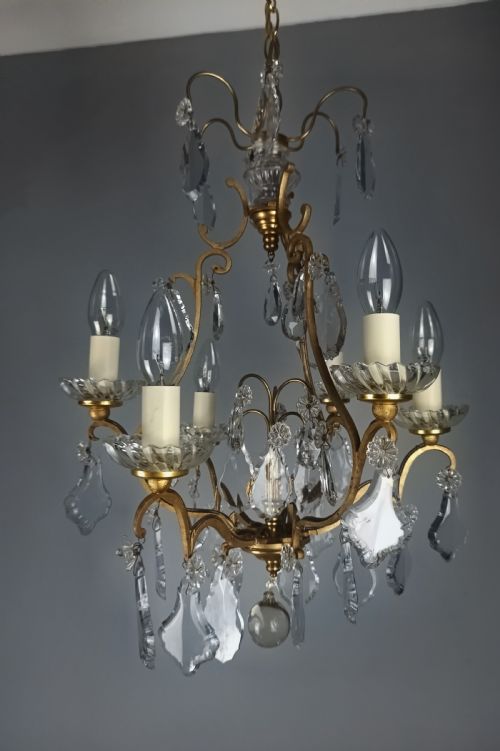
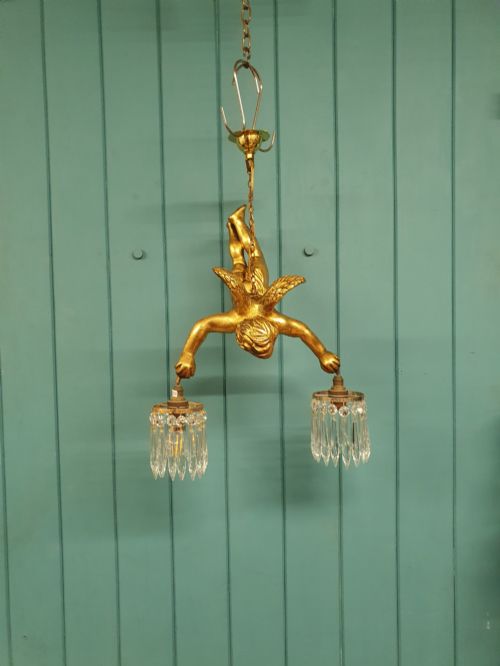
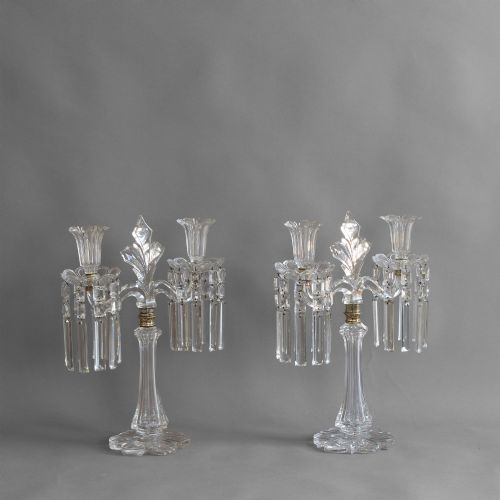
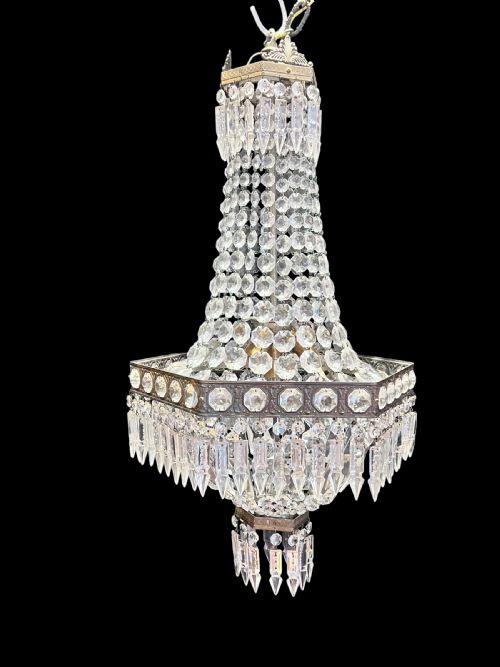
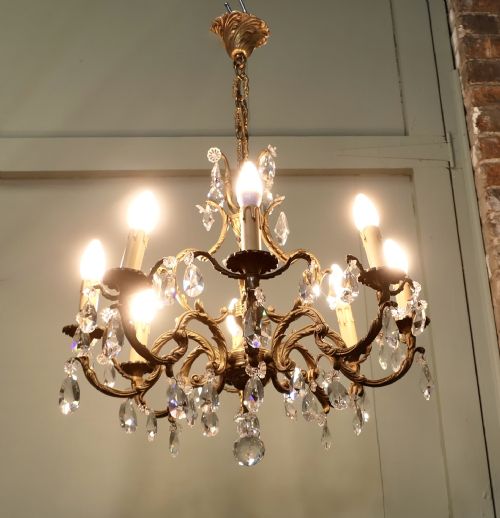
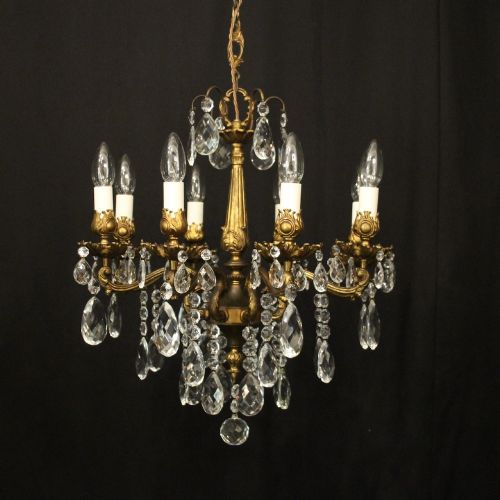
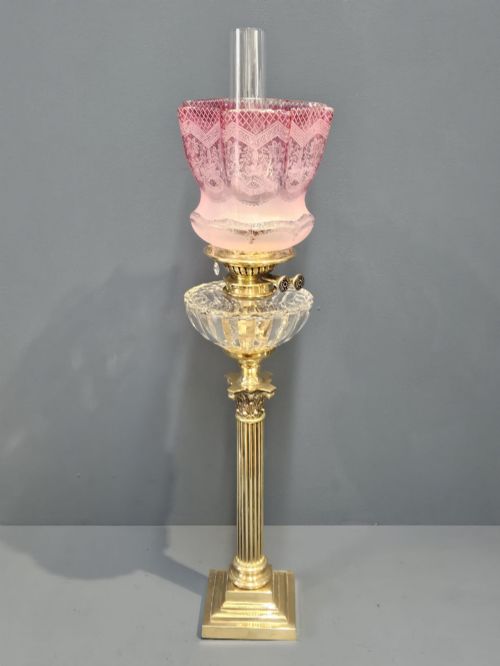
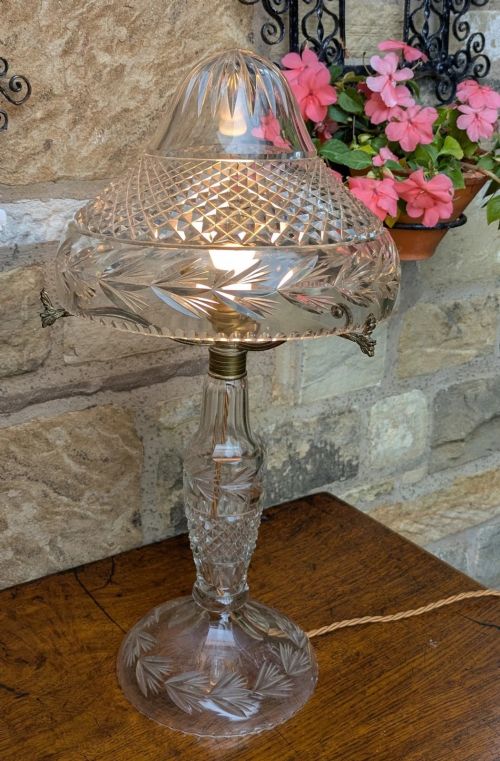
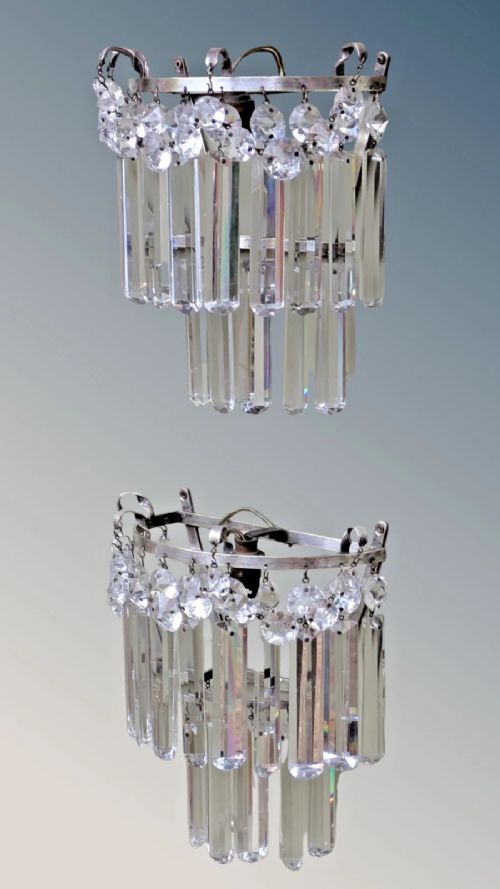
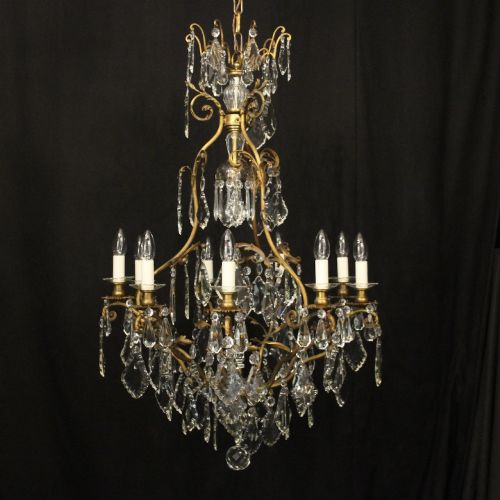
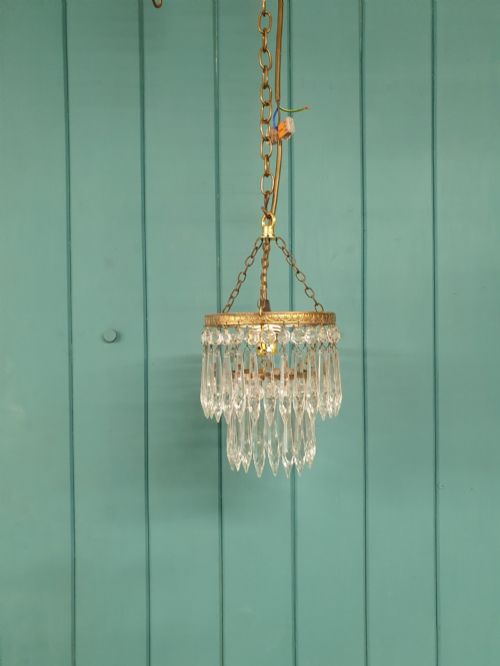
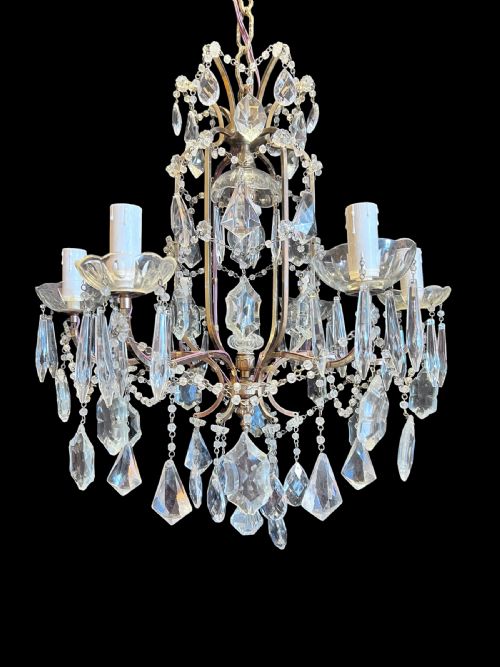
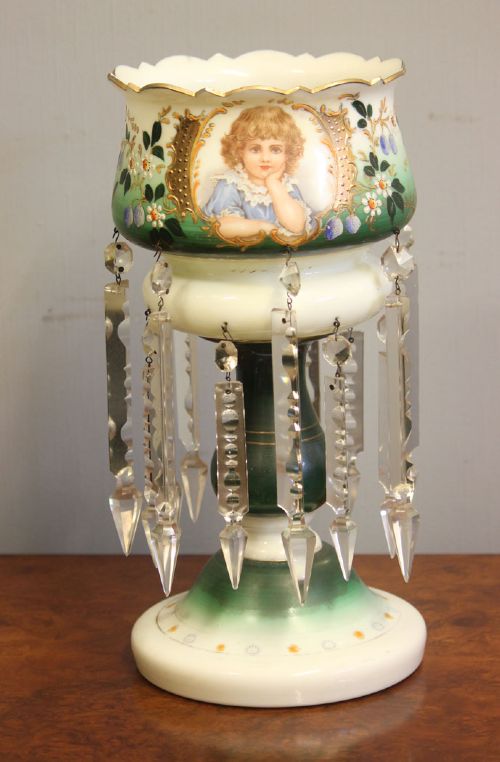
Cut glass lights encompass hanging chandeliers, ceiling fixtures, wall sconces, and table lamps designed to catch and refract light through faceted surfaces. These pieces emerge from periods spanning the Victorian and Edwardian eras into the 1920s and 1930s, reflecting diverse international workshops.
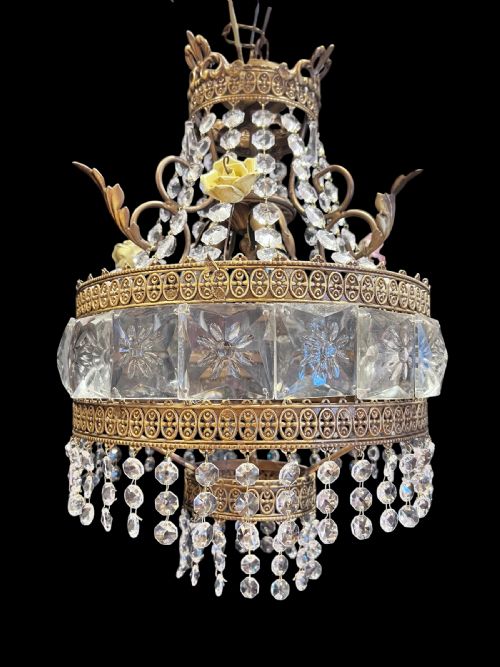
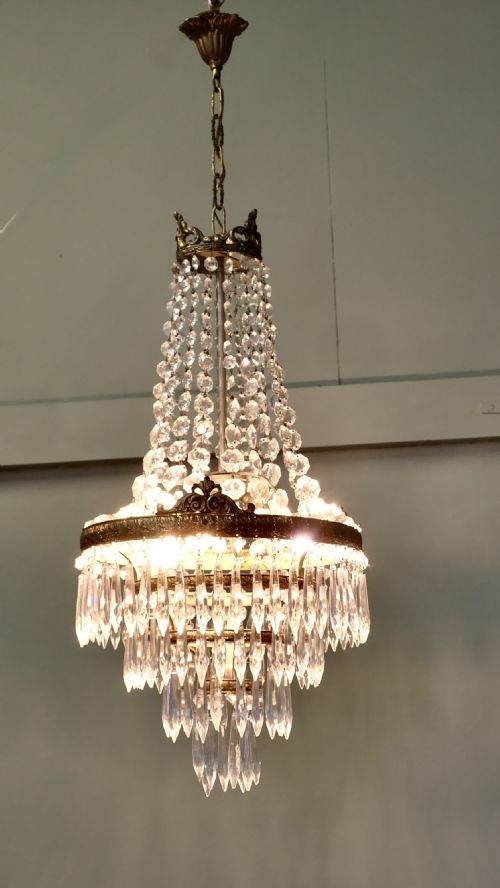
Buyers encounter various configurations, including basket forms, tent chandeliers, and simpler brass-mounted glass shades. Each object brings period character into domestic spaces through distinct mounting styles and glass-cutting patterns.
How they were made
Maker workshops built these fixtures using sturdy metal armatures of brass, bronze, gilt metal, or spelter to support heavy glass components. Mechanics often incorporated cast or chased ornamentation alongside simpler metal bands.
Glass elements were individually blown, moulded, and then hand-cut with geometric or linear patterns to maximise optical refraction. Artisans linked these crystal drops, spikes, and beads to the metal frames using small wire pins.
Wiring and electrical components represent later adaptations, as many surviving fixtures originated during eras when oil or candles provided the primary illumination before conversion to electricity.
Ceiling configurations range from compact six-inch dome plafonniers to expansive multi-armed ballroom chandeliers spanning over thirty inches.
What varies in quality
Quality reveals itself through the depth and crispness of the glass cutting, where sharper facets produce superior light refraction. Heavier metal castings and substantial brass or bronze frames also indicate finer manufacturing standards.
The integrity of the hanging components matters greatly, with complete sets of original crystal drops and matching lustres sustaining the visual harmony of a piece. Better examples display careful integration between the metal structure and the glass elements without loose fittings.
S. FAUER
The Cut Glass Lights Glossary
- Plafonnier
- A ceiling-mounted light fixture that sits relatively flush against the surface rather than hanging on a long chain or drop.
- Lustre
- A hanging glass pendant or drop, often faceted, designed to catch and reflect illumination from a light source.
- Tent chandelier
- A lighting form featuring an upper conical section composed of numerous strings of small glass beads gathered towards a central crown.
- Ormolu
- A metallic technique involving the application of finely ground high-carat gold to a bronze base, creating a rich decorative surface.
- Bag chandelier
- A fixture shaped like a tapered mesh or bag constructed from interlocking crystal beads that enclose the internal light source.
Cut Glass Lights: Frequently Asked Questions
How do I clean cut glass lights safely?
Maintenance requires removing removable crystal drops and washing them individually in lukewarm soapy water before drying them thoroughly with a soft cloth. The metal frame should be dusted gently with a dry brush to preserve any aged patination.
Harsh chemical cleaners can damage gilt surfaces and delicate metal lacquers, so mild solutions work best for preserving the original finish of both glass and brass components.
Are these lights suitable for low ceilings?
Compact fixtures such as dome plafonniers and flush ceiling lights provide adequate clearance for rooms with restricted vertical space. These designs mount directly against the ceiling while retaining the decorative sparkle of cut crystal.
Larger tent chandeliers and hanging pendant lights require higher clearance to hang properly without dominating the proportion of the room.
How do I date an antique chandelier?
Dating relies on examining the metal composition, the casting techniques, and the specific style of the glass cutting. Edwardian and Victorian pieces often exhibit heavier brass work and distinct drop shapes compared to later 1930s designs.
Wiring methods and screw threads also offer clues, though most surviving fixtures have undergone rewiring to meet modern safety standards during their lifespan.
Can antique wall lights be rewired for modern wiring?
Professional rewiring allows antique wall lights and sconces to function safely within contemporary domestic electrical systems. Electricians can thread modern heat-resistant flex through existing channels without altering the visible historical fabric of the metalwork.
Retaining original sockets or switches where possible helps maintain the character of the piece while ensuring complete compliance with current testing requirements.