


Cut Glass Condiment Pots
Cut glass condiment pots bring weight and sparkle to the table, combining heavy cut crystal with sterling silver or silver plate.
Cut Glass Condiment Pots
When you search for cut glass condiment pots, you encounter a range of tableware designed to hold salt, mustard, pepper, and preserves during formal dining. The pieces span several decades, featuring Edwardian cruet sets, Victorian stands, and individual jars from the nineteenth and twentieth centuries.
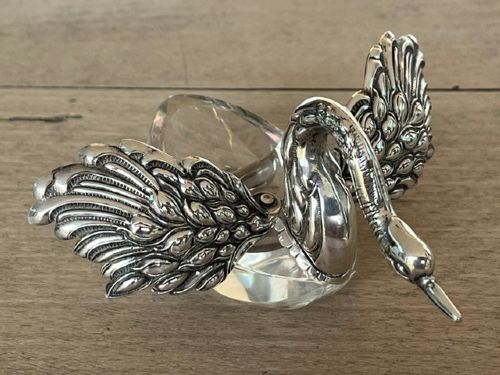
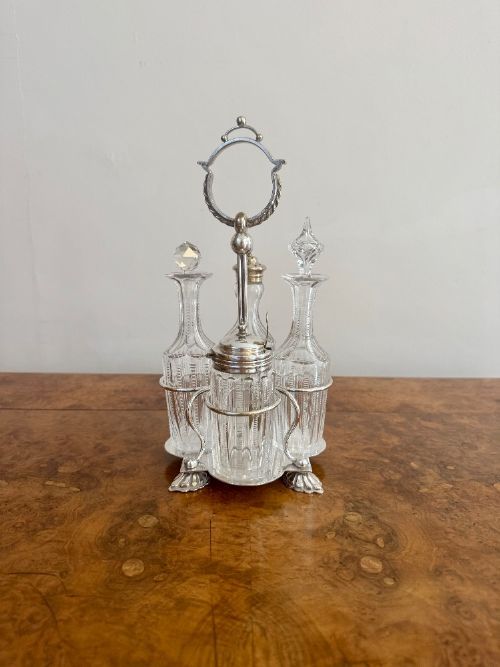
You are most likely to meet silver-plated frames fitted with cut glass bottles, alongside standalone preserve jars and salt cellars. Formats vary from single pots to multi-bottle cruet sets housed in silver plate or oak stands, occasionally taking whimsical shapes like swans or carriage novelties.
Materials and Construction
The vessels combine heavy lead crystal or glass with mounts of sterling silver or silver plate. Glass bodies feature deep wheel-cut facets that catch the light, paired with hinged lids, collars, and spoons made of silver or plated metal.
Frames and stands utilise durable silver plate over base metal, or solid sterling silver hallmarked for the period. Novelty pieces incorporate carved wood and specialised mounts to secure the glass containers safely within the frame.
Some Victorian makers turned condiment storage into wildlife sculpture, hiding glass pots inside carved wooden bears and swan figures.
Assessing Craftsmanship
Quality rests in the crispness of the glass cutting and the thickness of the silver plating or sterling mount. Deeper, sharper facet cuts and heavier crystal bodies indicate superior manufacture, offering a more satisfying weight in the hand.
Finer examples retain matching spoons, unblemished silver mounts, and glass free from deep chips along the rim. The engineering of hinged lids and the stability of the supporting stand further distinguish standard tableware from exceptional pieces.
Mappin Brothers·William Hutton and Sons·Asprey and Co
The Cut Glass Condiment Pots Glossary
- Cruet set
- A fitted stand holding multiple glass bottles or jars for condiments like oil, vinegar, salt, and pepper. These sets formed a central fixture on dining tables throughout the Victorian and Edwardian eras.
- Lead crystal
- A high-clarity glass containing lead oxide, which increases the weight and refractive index. This material allows for deep, sharp facets that enhance the sparkle of cut glass.
- Silver plate
- A layer of pure silver fused to a base metal core, commonly used for the frames and stands of nineteenth and twentieth-century tableware. It provided the appearance of solid silver at a lower cost.
- Sterling silver
- An alloy consisting of ninety-two point five percent silver and seven point five percent other metals, typically copper. Hallmarked mounts of this material denote higher-end production.
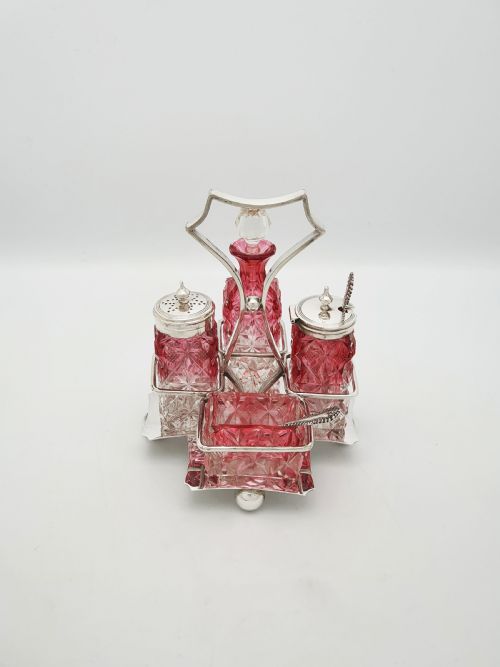
- Cranberry glass
- A transparent red glass created by adding gold chloride to the molten batch. It appears frequently in Edwardian flashed glass condiment pieces.
Cut Glass Condiment Pots: Frequently Asked Questions
What is a cruet set?
A cruet set is a matched collection of glass bottles or jars held within a dedicated frame or stand. They were designed to sit on the dining table to dispense condiments.
Most sets include pairings for salt, pepper, mustard, and oil, complete with small spoons or pouring spouts.
How do I clean silver mounts?
Silver mounts require gentle cleaning with a specialised silver cloth to preserve the plating or sterling surface. Avoid dipping glass pieces with attached silver mounts directly into harsh chemical cleaners.
Warm soapy water cleans the cut glass effectively, keeping the moisture away from vintage adhesives or hinged pins where possible.
Are replacement spoons easy to find?
Finding an exact matching period spoon for a condiment jar can prove challenging due to individual design variations. Many collectors match replacements by metal type and approximate era rather than strict maker marks.
Sterling silver spoons carry hallmarks that help date them accurately to the period of the pot.
How do I date these pieces?
Dating relies on a combination of silver hallmarks, the style of the glass cutting, and the form of the stand. Edwardian and Victorian pieces often show distinct manufacturing techniques and aesthetic preferences.
Design motifs such as Art Deco geometric lines or heavy Victorian novelty shapes provide clear chronological markers.