





Cut Crystal Light Shade
A cut crystal light shade catches the room's daylight and holds an interior glow, spanning Edwardian, Victorian, and Art Deco periods.
Cut Crystal Light Shade
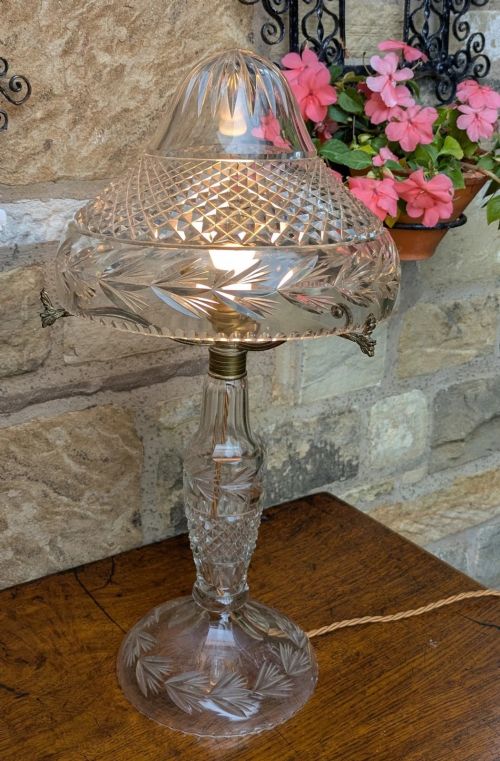
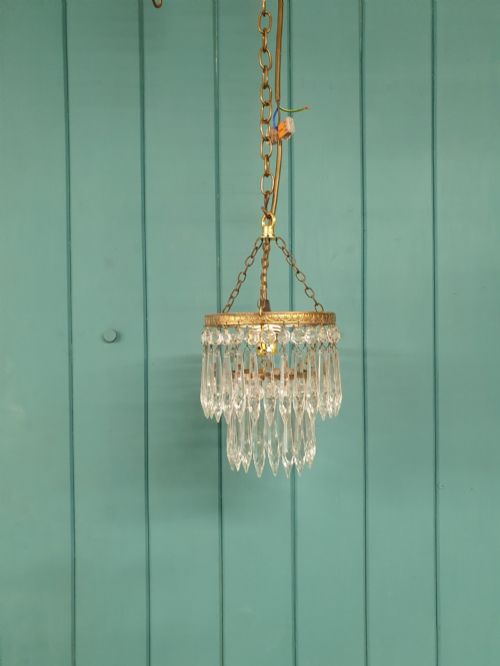
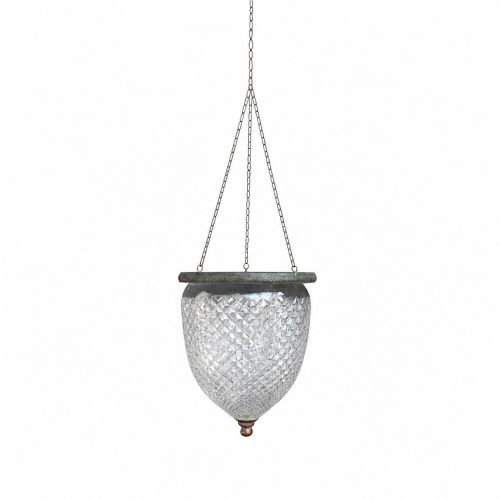
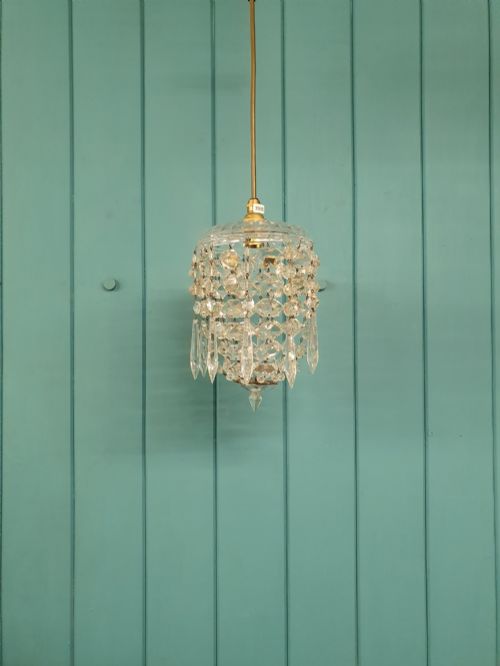
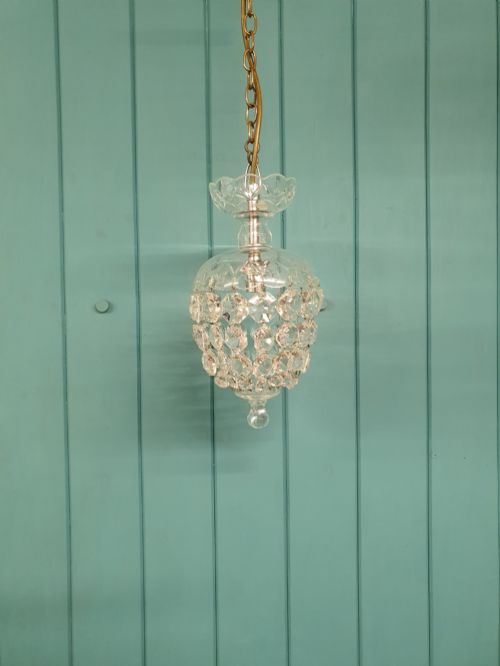
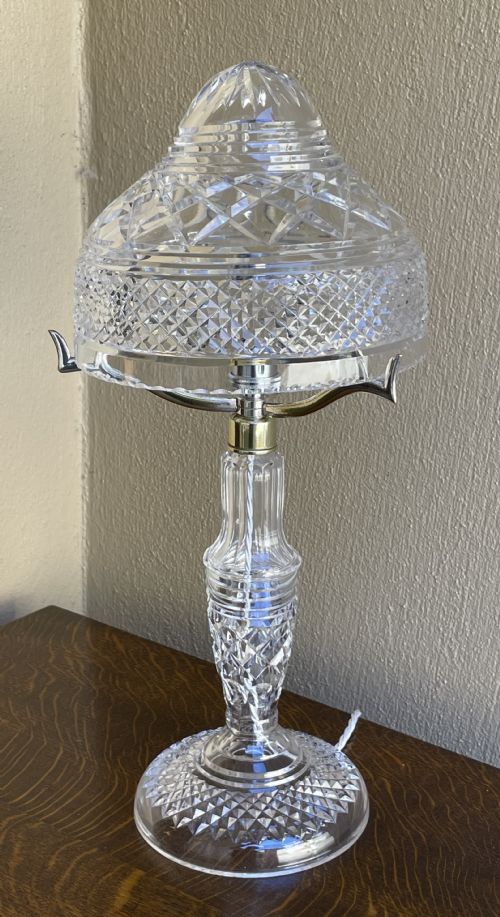
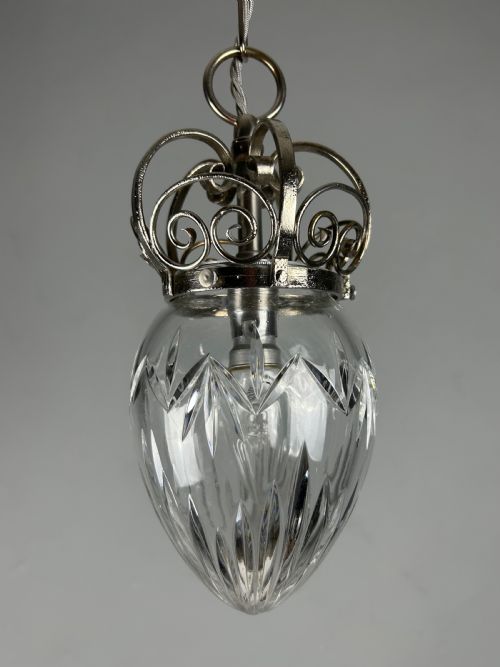
When you search for a cut crystal light shade, you are looking at functional glassware designed to diffuse illumination across ceiling lights, chandeliers, wall lights, and table lamps. These pieces range from small six-inch domes and spike chandeliers to large pendant lights and mushroom lamps spanning the Victorian, Edwardian, and 1930s periods.
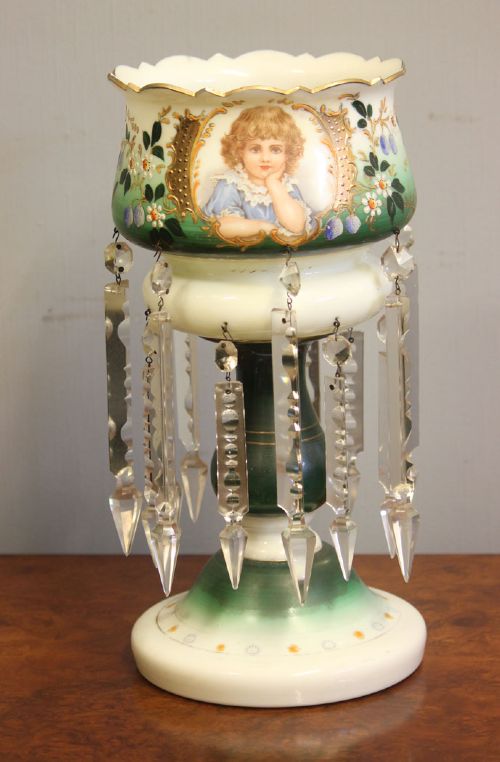
The selection here encompasses various lighting forms including ceiling fixtures, portable table lamps, mantle lustres, and wall sconces. You will encounter styles from French Neoclassical and Arts and Crafts to traditional English designs mounted in brass, bronze, chrome, and gilt metal.
Most examples originate from the early twentieth century and the nineteenth century, reflecting periods when cut glass was integral to domestic illumination. Whether mounted on brass fittings or suspended by metal chains, each shade serves to refract and multiply the light from internal bulbs or oil burners.
How they were made
The primary material is lead crystal or cut glass, shaped by hand-blowing or pressing before receiving deep geometric facets on wheels. These glass components are paired with structural mountings of brass, bronze, chrome, or silver plating to support the weight of the heavy crystal.
Craftsmen secured the glass shades into metal galleries, ceiling fittings, or wall brackets using screws and collars. Hanging pieces frequently incorporate rows of suspended crystal prisms or drops attached by wire pins to catch the illumination from multiple angles.
Some Edwardian shades arrive with unexpected red glass drip drops, adding a flash of colour to an otherwise clear crystal chandelier.
What varies in quality
The depth, crispness, and precision of the facet cutting determine the visual brilliance of the glass when illuminated. Finer pieces display sharp, clean edges along the diamond cuts and star patterns, whereas simpler production shows softer, shallower impressions.
The quality of the supporting metalwork - whether cast bronze, heavy brass, or silver plating - dictates the structural integrity of the fixture. Heavier metal mounts and complete sets of original hanging prisms elevate the overall presence of the piece.
F. & C. Osler·Stuart Crystal·GEC
The Cut Crystal Light Shade Glossary
- Plafonnier
- A shallow bowl-shaped ceiling light mounted close to the surface. It directs illumination downwards while containing the bulb within the glass shade.
- Mantle lustre
- An ornamental glass vase or urn hung with crystal prisms, often used on mantelpieces alongside lighting fixtures. They originated in the nineteenth century as decorative table pieces.
- Bag chandelier
- A light fixture where the lower section of glass drops forms the shape of a tapered bag. Prisms are closely hung to create a dense cascade of refracted light.
- Prism
- A cut piece of hanging glass designed to break light into its spectral colours. They swing from the metal rims of chandeliers and wall lights.
- Mantle lamp
- A table lamp designed to burn oil or paraffin before later conversion to electricity. These often feature heavy cut glass fonts paired with brass burners.
Cut Crystal Light Shade: Frequently Asked Questions
How do I date a cut crystal light shade?
Dating relies on the combination of the glass cutting style, the supporting metal mounts, and the wiring hardware. Edwardian and Victorian pieces often feature heavier brass or bronze fittings, whilst 1930s examples frequently incorporate chrome or streamlined silhouettes.
The complexity of the glass cutting and the presence of registered design numbers or maker signatures also help establish the decade of manufacture.
Can these old glass shades take modern bulbs?
Most antique shades accommodate modern LED or low-heat bulbs once the fixture has been safely rewired by a professional. Care must be taken with enclosed domes or smaller pendant shades to select bulbs that do not generate excessive heat within the glass.
Consulting a qualified electrician ensures the historic metal galleries and lampholders are safely adapted for contemporary domestic use.
How should I clean a cut glass shade?
Cleaning requires removing the glass from its metal mounts where possible to wash it gently in warm, soapy water. Avoid harsh chemical cleaners that might damage silver plating, lacquered brass, or fragile crystal surfaces.
Dry the glass thoroughly with a lint-free cloth to restore the brilliant sparkle of the original facets before reassembly.
What is the difference between a pendant and a plafonnier?
A pendant light hangs downward from the ceiling on a chain, cord, or rigid metal rod, placing the shade lower in the room. A plafonnier sits flush or semi-flush against the ceiling surface as a shallow bowl.
Both styles utilise cut crystal shades to diffuse light, but they serve different ceiling heights and architectural proportions.