

Cut Crystal Goblet Stemware
Cut crystal goblet stemware spans centuries of drinking vessels, bringing faceted brilliance and engraved detail to the table.
Cut Crystal Goblet Stemware
Cut crystal goblet stemware comprises drinking vessels created across multiple periods including Georgian, Victorian, Edwardian, and Art Deco eras. Buyers searching this phrase encounter forms ranging from heavy rummers and dram glasses to elaborate wine services and commemorative goblets.
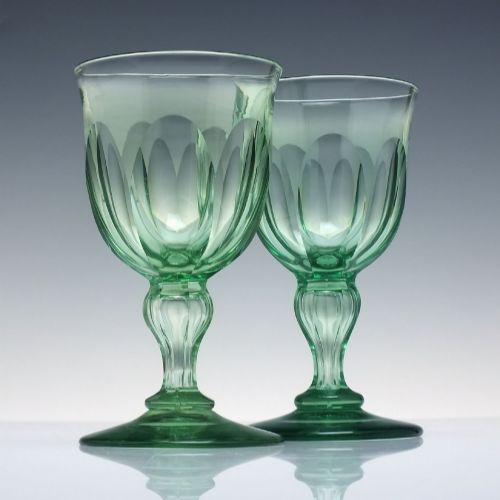
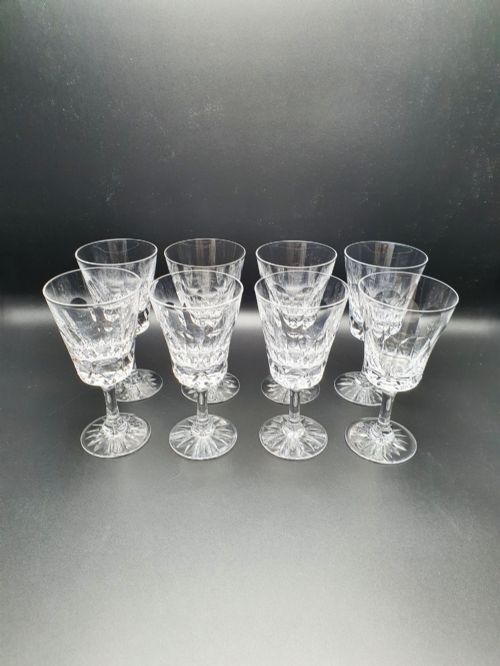
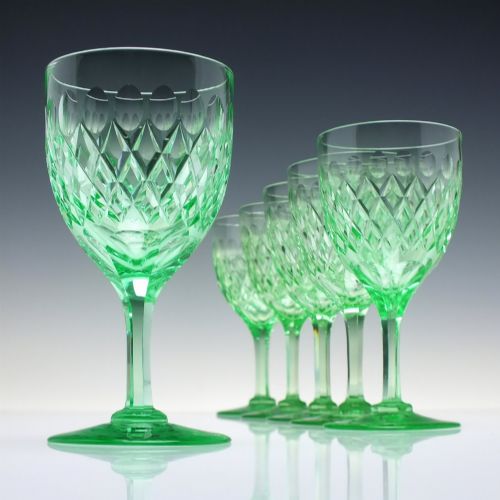
The selections span English, French, and Bohemian origins, featuring clear glass, lead crystal, and cased or over-glass options in vibrant colours like green. Pieces appear individually, in pairs, or as matched and harlequin sets suited for specific drinks such as port, sherry, hock, or champagne.
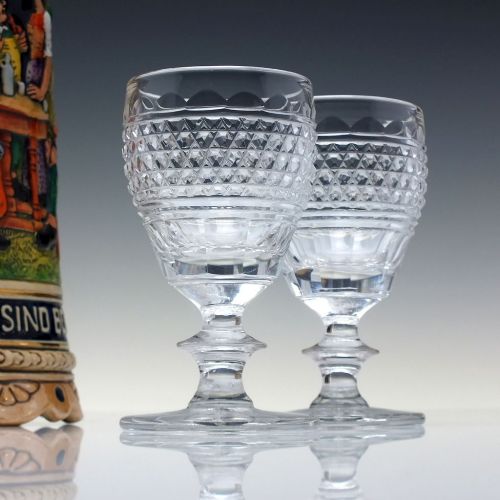
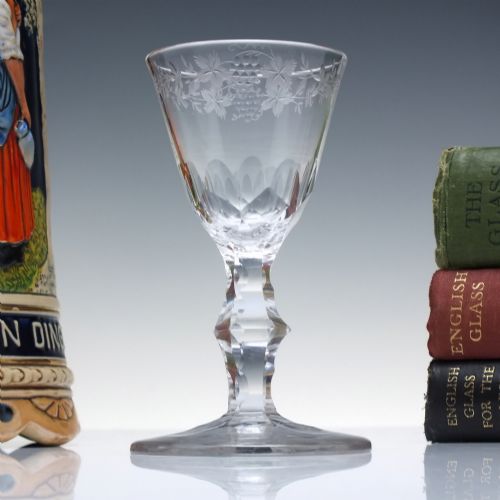
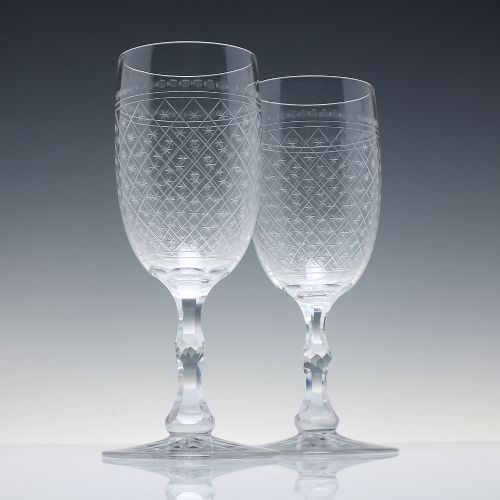
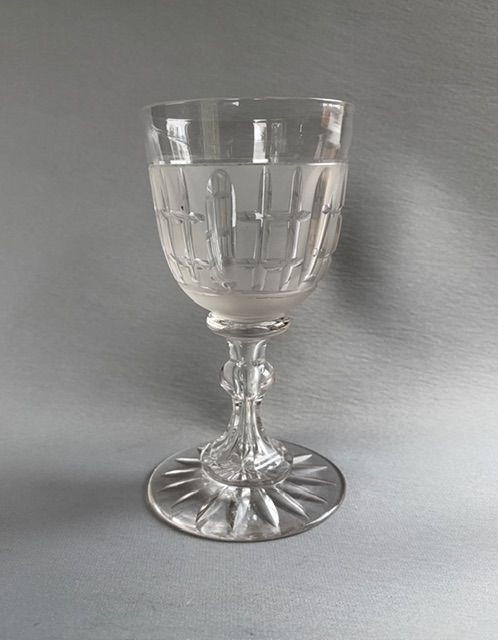
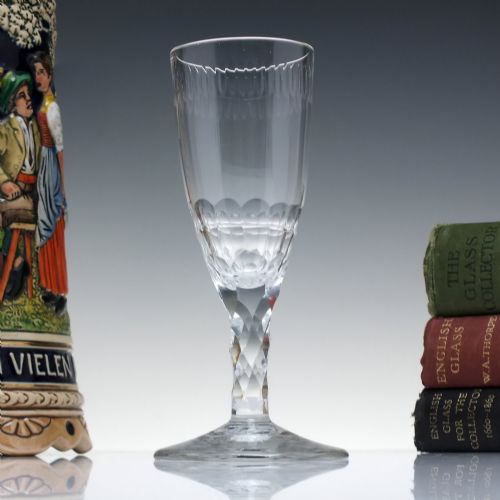
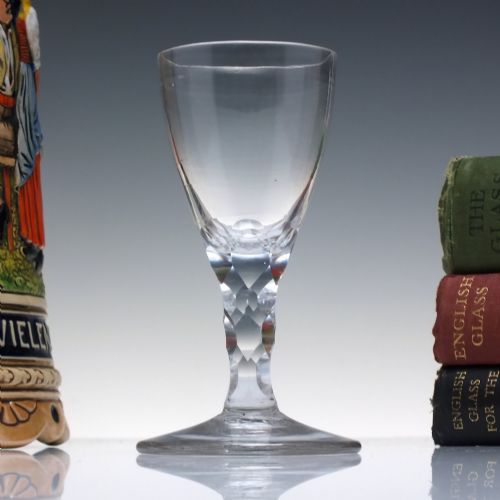
Traditional shapes include facet-cut stems, bucket bowls, and wide foot bases designed for stability and visual impact. Decoration varies from simple facet cuts to deep intaglio engraving, acid-cut cameo work, and delicate surface gilding.
How they were made
Makers utilised lead crystal, clear glass, and cased glass, applying molten techniques to shape heavy bases, stems, and bowls. Artisans then employed wheel-cutting to carve geometric facets, hobnail patterns, and deep flutes into the hardened material.
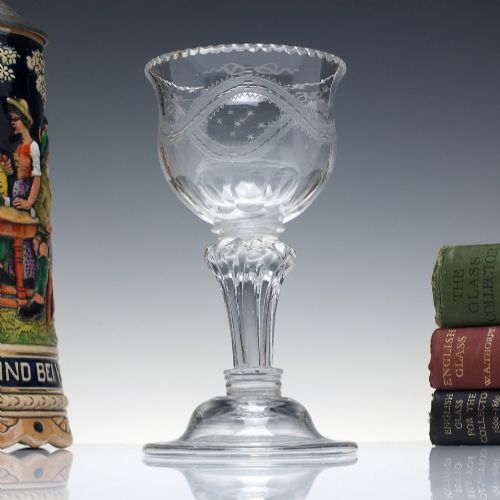
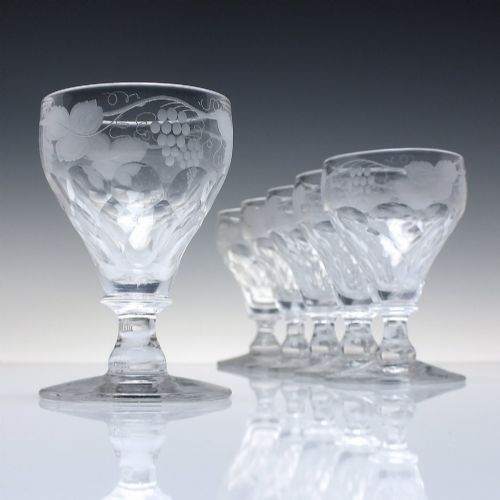
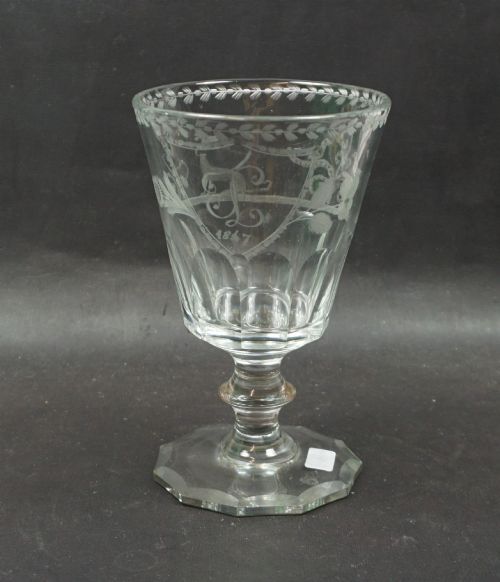
Surface ornamentation involved intaglio engraving, acid cutting, and etching to produce intricate botanical motifs, heraldic designs, or portraits. Final embellishments often included hand-applied gilding along rims and panels.
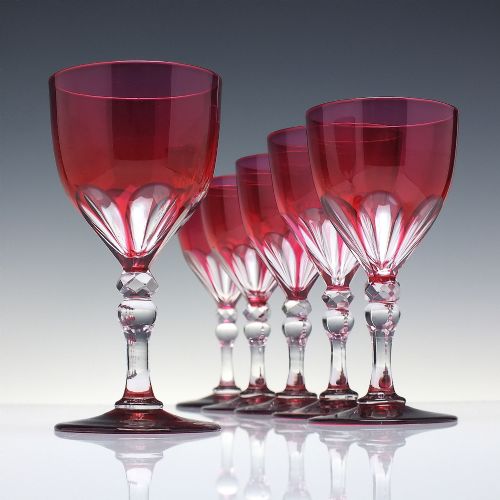
Cased pieces required fusing layers of coloured glass over clear crystal before cutting through the outer layer to expose contrasting colours underneath.
Cut Crystal Goblet Stemware Retail Price Guide 2026
Typical asking prices for cut crystal goblet stemware among the pieces listed under this phrase on Sellingantiques today, from the lower quarter to the upper quarter. They describe what is for sale here now, not the wider market.
Forms include wine glasses, port glasses, rummers, champagne coupes, and complete drinking services with pitchers.
What varies in quality
The clarity and weight of the crystal establish the foundational quality of each vessel, with high-lead compositions offering superior refractive brilliance and heft. The purity of the metal depends on precise raw material selection during the melting process.
The execution of the cutting and engraving marks the division between standard production and masterwork execution. Crisp, deep wheel-cut facets with sharp geometric junctions and finely polished surfaces require exceptional skill, whereas shallow or blurred cutting indicates hurried workshop output.
Design cohesion and finishing details also separate tiers of craftsmanship, visible in the symmetry of panel cuts, the evenness of cased glass layers, and the finesse of applied gilding or intaglio detailing.
John Walsh Walsh·Baccarat·Moser Bohemian·Webb Corbett·Saint Louis·Massenet·Stevens and Williams
The Cut Crystal Goblet Stemware Glossary
- Lead Crystal
- Glass containing metallic lead oxide, which increases the weight, refractive index, and clarity of the material. This composition allows for deeper, sharper facet cutting.
- Facetted Stem
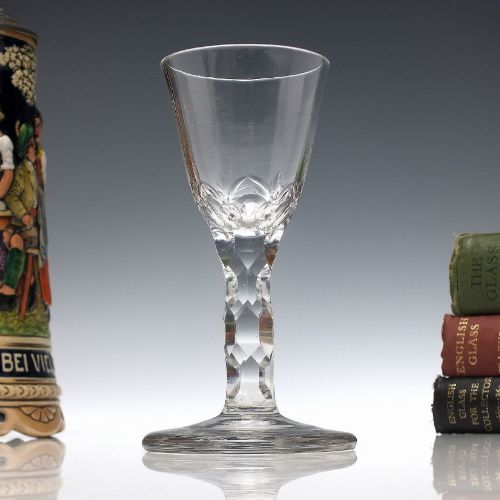
- A stem shaped with multiple flat planes polished onto its surface to catch the light. These stems are frequently found on Georgian drinking glasses.
- Cased Glass
- A vessel formed from two or more distinct layers of glass, often combining coloured glass over clear crystal. Artisans cut through the outer layer to reveal contrasting colours beneath.
- Hobnail Cut
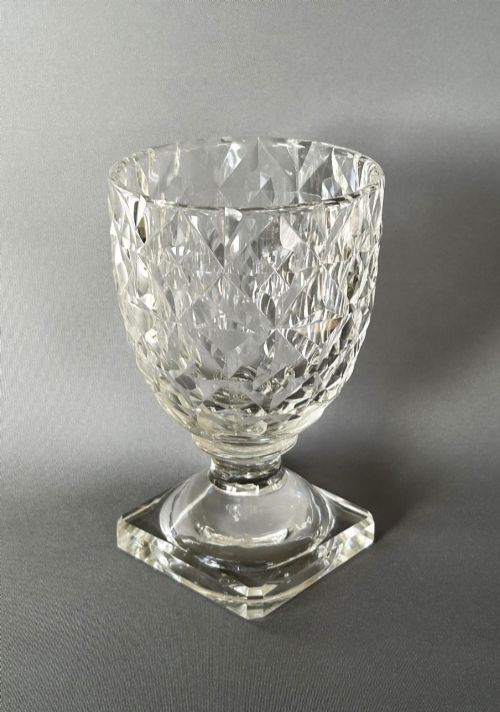
- A raised, diamond-shaped geometric pattern carved into the body of glassware. This dense cutting style creates a textured, tactile surface that enhances light refraction.
- Intaglio Engraving
- A technique where designs are carved into the surface of the glass using small rotating wheels, creating sunken motifs rather than raised relief work.
- Rummer
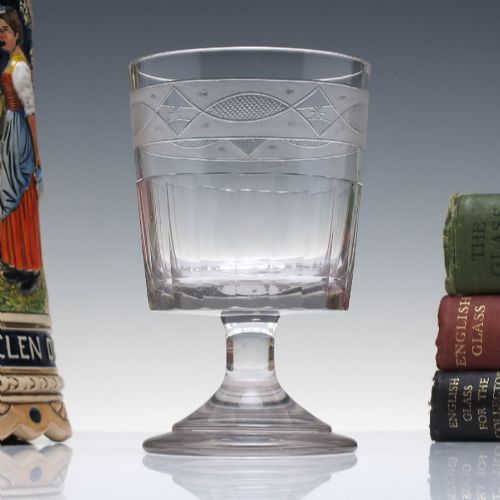
- A large, sturdy drinking glass featuring a generous bowl, short stem, and wide foot base. These vessels were traditionally used for serving ale, rum, or wine.
Cut Crystal Goblet Stemware: Frequently Asked Questions
What is a rummer?
A rummer is a substantial drinking glass designed with a large bowl, a sturdy stem, and a wide foot base for stability. These pieces typically appeared on dining tables during the Georgian and Regency periods.
They were utilised for serving robust beverages such as ale, punch, or wine, featuring deep facet or hobnail cutting to handle heavy daily use.
How do I identify a Georgian glass?
Georgian glasses often display heavy lead metal construction, distinctive facet-cut stems, and bucket or pan-top bowls. Pontil marks on the underside of the wide foot base indicate manual snap-iron or pontil rod manufacturing methods.
Engraving on these pieces frequently includes Jacobite symbols, floral motifs, or simple geometric bands typical of eighteenth-century workshops.
What is cased glass?
Cased glass consists of a vessel made with two or more distinct layers of molten glass, usually a coloured exterior fused over a clear crystal interior. Artisans then cut through the top layer to expose the contrasting clear or coloured glass underneath.
This technique creates striking visual depth, particularly in nineteenth- and twentieth-century hock glasses and champagne coupes.
How should I clean antique crystal?
Antique crystal requires careful hand washing in lukewarm water with mild detergent, avoiding sudden temperature changes that can stress the material. Placing a cloth at the bottom of the basin prevents impact damage during washing.
Dry each piece immediately with a lint-free linen cloth to maintain the brilliance of the cut facets and delicate engraving.