
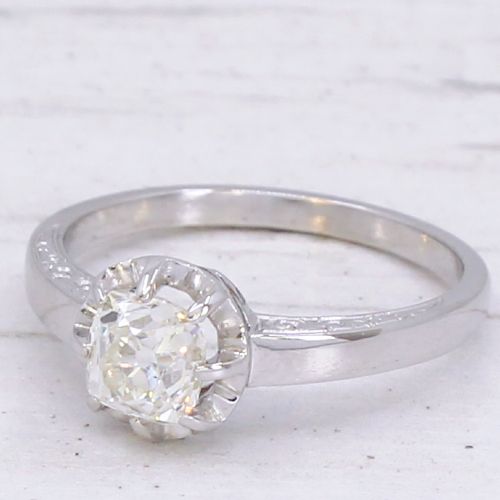


Cushion Cut Engagement Ring
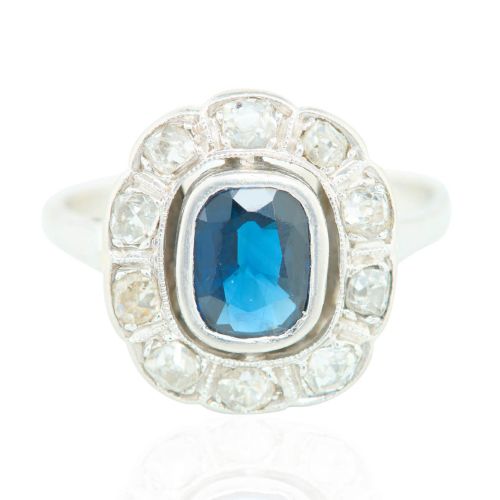
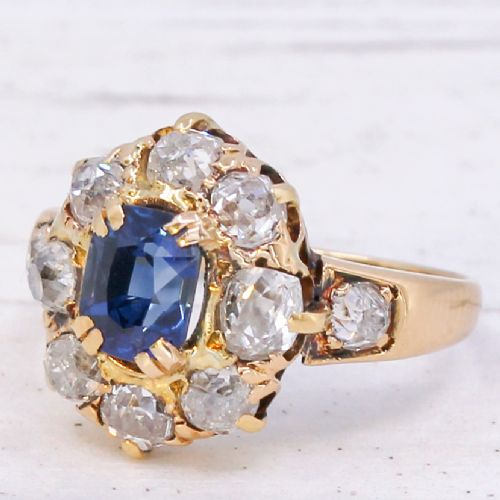
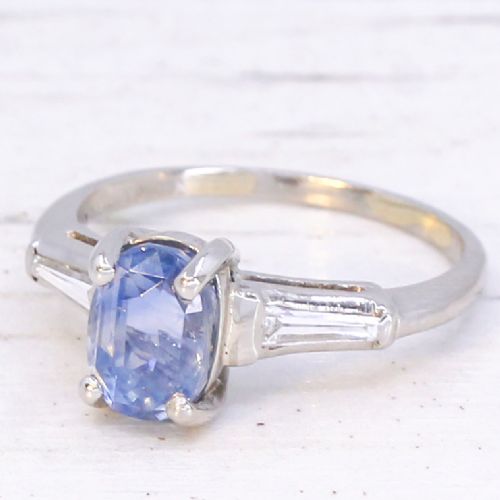
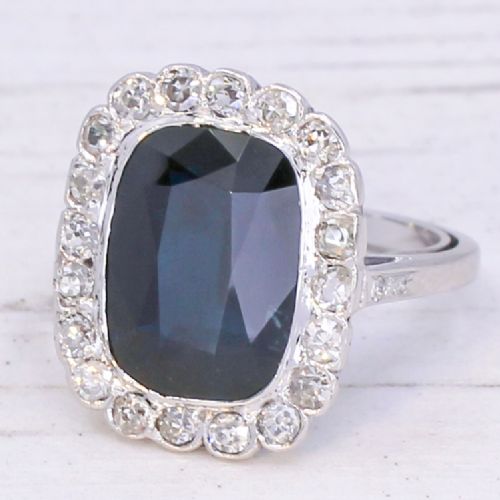
Choosing a cushion cut engagement ring brings together historic hand-cut stones and precious metalwork spanning the Victorian era to the mid-century.
Cushion Cut Engagement Ring
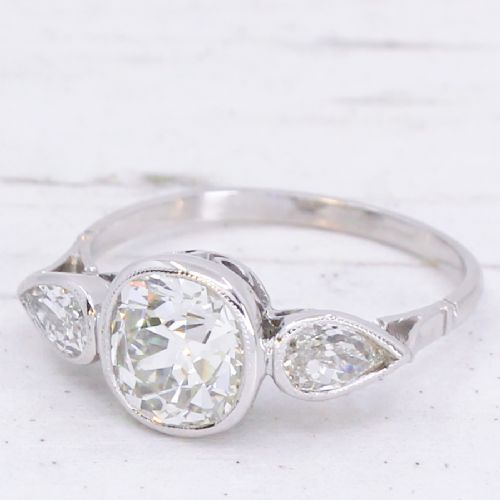
A cushion cut engagement ring centres on a soft-cornered rectangular or square gemstone with rounded edges, historically shaped by hand before modern machinery standardised the craft. These pieces span late Victorian, Edwardian, Art Deco and mid-century periods, showcasing the evolving tastes of past generations.
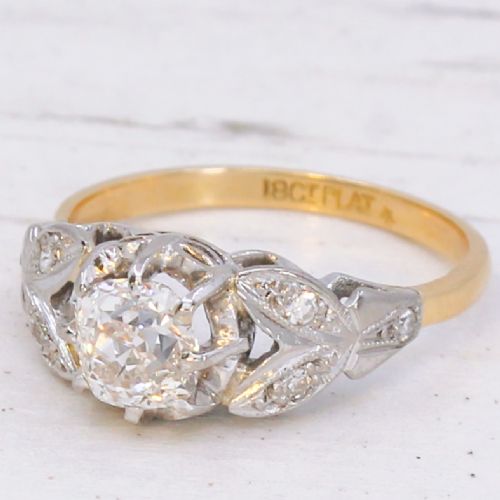
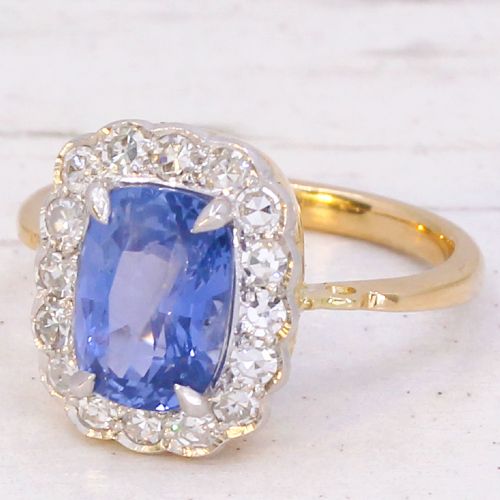
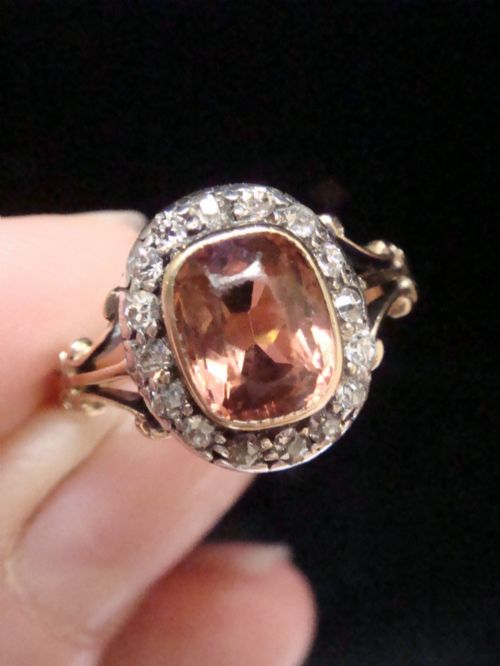
Solitaires and cluster settings dominate the selection, often pairing central diamonds with sapphires, rubies or tourmalines. Such configurations highlight the versatility of the cushion shape within different historical design movements.
Examples frequently originate from British, French and international workshops, reflecting diverse regional settings from delicate yellow gold to robust platinum mountings.
How they were made
Goldsmiths utilised platinum and various grades of gold, including yellow and white alloys, to construct secure settings that complement the soft geometry of cushion cut stones. Platinum gained popularity particularly during the Art Deco period for its strength and bright finish.
Cutters shaped stones by hand to maximise natural brilliance under candlelight or early electric lighting, resulting in distinct facets compared to contemporary brilliant cuts. Master jewellers then secured these gems using meticulous prong, bezel or cluster arrangements.
Cushion Cut Engagement Ring Retail Price Guide 2026
Typical asking prices for cushion cut engagement ring among the pieces listed under this phrase on Sellingantiques today, from the lower quarter to the upper quarter. They describe what is for sale here now, not the wider market.
Listings feature platinum, yellow gold, and white gold mountings housing diamonds alongside unheated sapphires, rubies, and aquamarines.
What varies in quality
The distinction between tiers rests on the proportion and symmetry of the hand-cut cushion stone, alongside the preservation of the original setting. Stones with balanced facet patterns and minimal internal inclusions command greater regard among collectors.
Craftsmanship in the metalwork further defines the piece, visible in the delicacy of the gallery wire and the precision of milgrain detailing. Original unheated coloured gemstones or certified diamond clarity grades elevate the standing of individual rings.
The Cushion Cut Engagement Ring Glossary
- Old mine cut
- An early form of diamond cutting featuring a nearly square girdle, high crown and large culet, designed under candlelight.
- Cluster ring
- A jewellery arrangement where a central gemstone is surrounded by a ring of smaller accent stones, typically diamonds.
- Trilogy ring
- A three-stone setting representing the past, present and future, commonly featuring a larger centre gem flanked by two smaller stones.
- Milgrain
- A decorative edging technique consisting of a line of tiny raised metal beads along the borders of a setting.
- Culet
- The small facet at the absolute bottom of a gemstone, historically left open in antique cuts to allow light return.
Cushion Cut Engagement Ring: Frequently Asked Questions
How do I care for an antique ring?
Clean these pieces gently using warm soapy water and a soft brush, avoiding harsh ultrasonic cleaners that might loosen historic settings.
Have a professional jeweller inspect the prongs and mounting annually to ensure the centre cushion stone remains secure.
What is the difference between old mine cut and cushion cut?
Old mine cut refers specifically to antique diamonds shaped with a near-square girdle and high crown before modern standards were established.
Cushion cut is a broader term encompassing both antique hand-shaped stones and later facet arrangements sharing the same pillow-like silhouette.
Can I wear a cushion cut engagement ring daily?
Platinum and sturdy gold settings from the Victorian and Art Deco periods withstand everyday wear when properly maintained by a specialist.
Consider removing the ring during heavy manual tasks to protect delicate claws and softer coloured gemstones like opals or tourmalines.
How can I tell the period of my ring?
Examine the overall design style, such as geometric platinum mountings for Art Deco or shared-prong yellow gold clusters for Victorian pieces.
Maker's marks, hallmarking conventions and gemological reports often provide additional documentation regarding the manufacturing date and stone origin.