

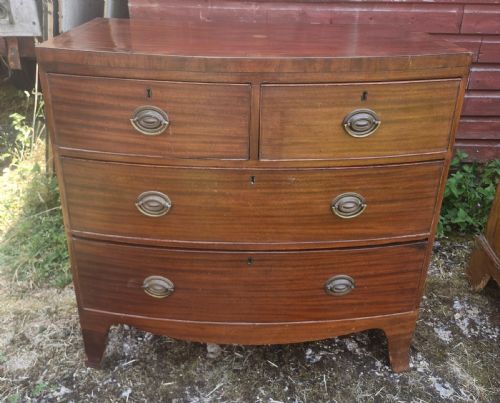
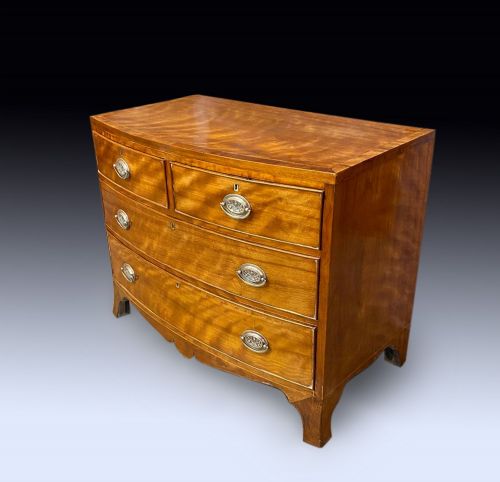
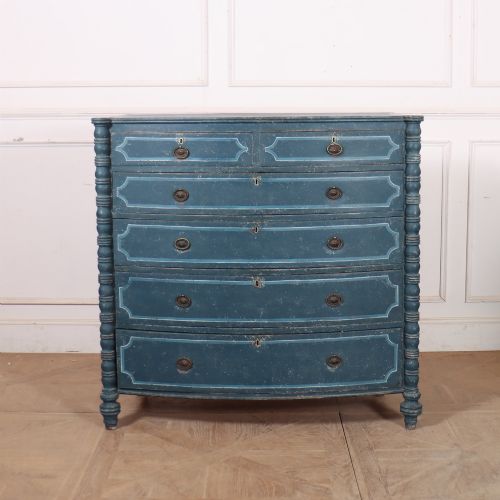
Curved Wood Commode
These curved wood commode pieces bring sweeping front profiles and rich timber grain directly into a room.
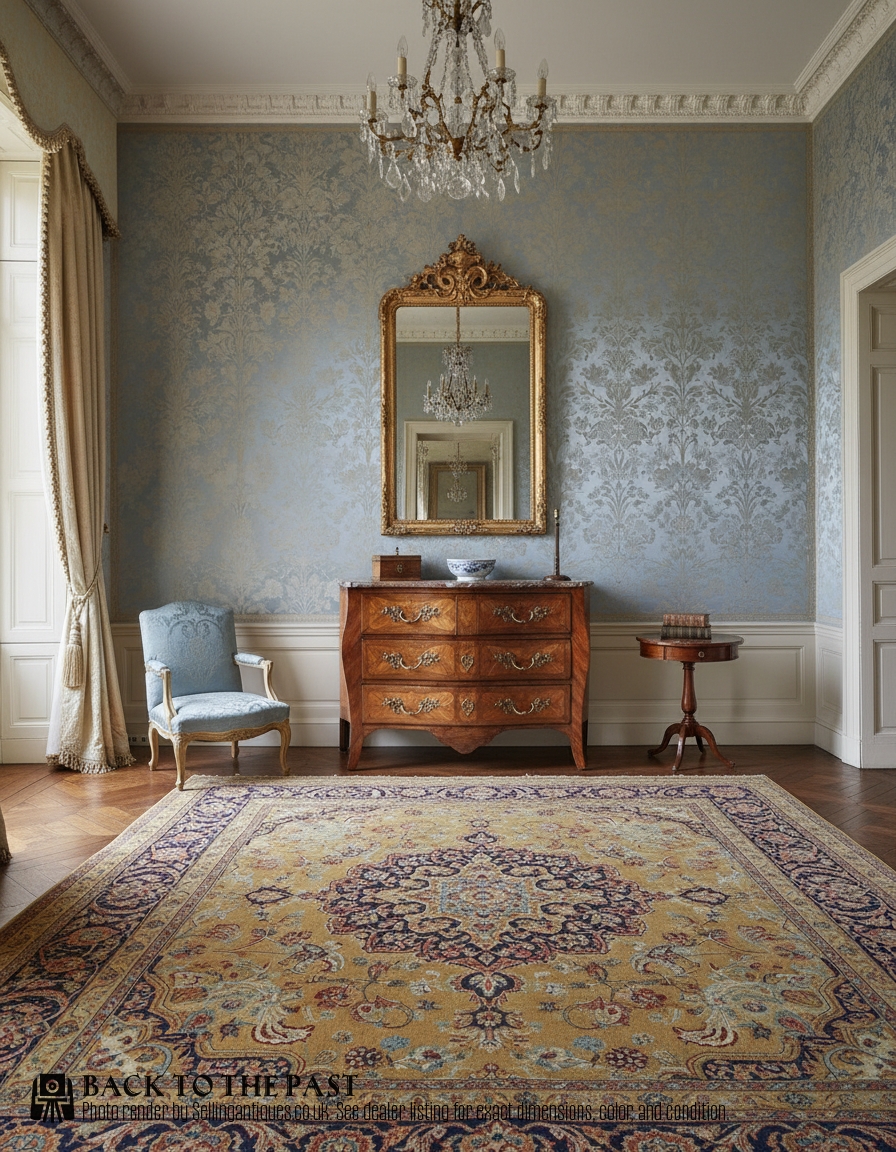
Curved Wood Commode
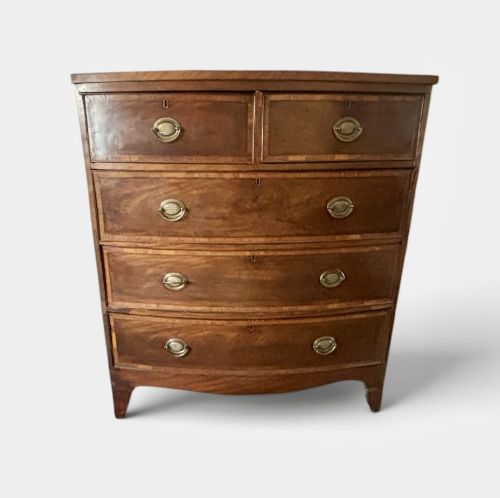
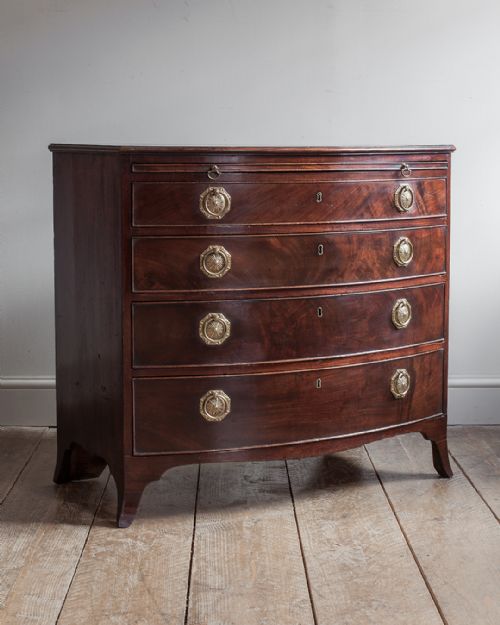
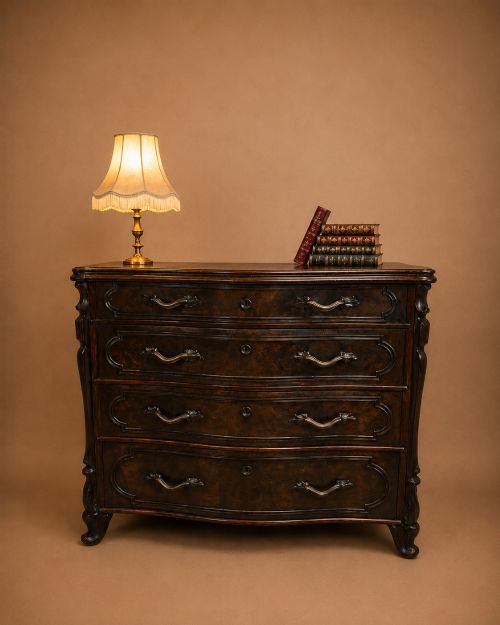
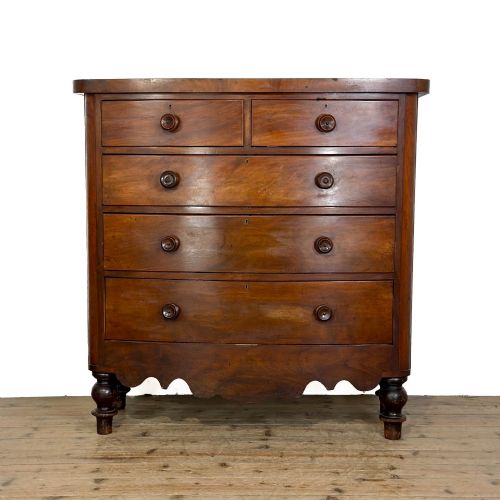
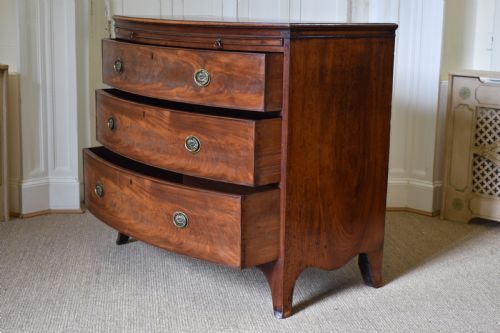
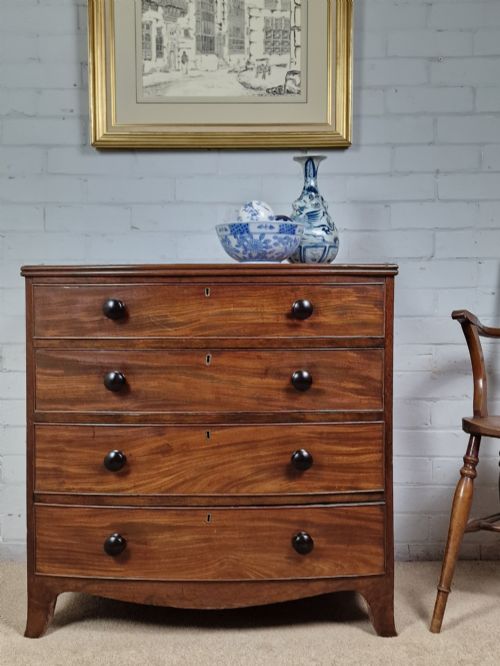
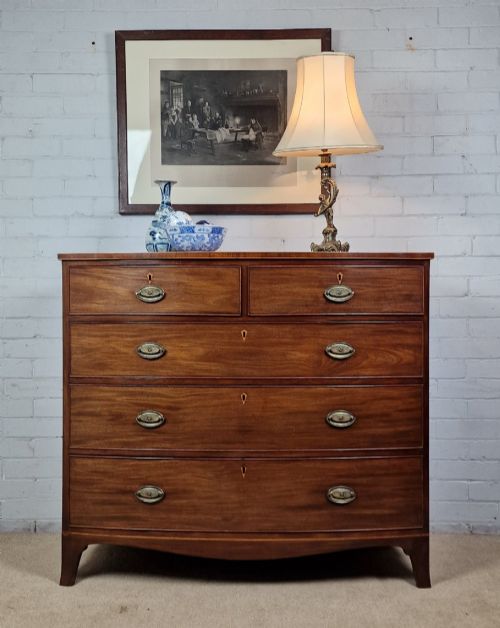
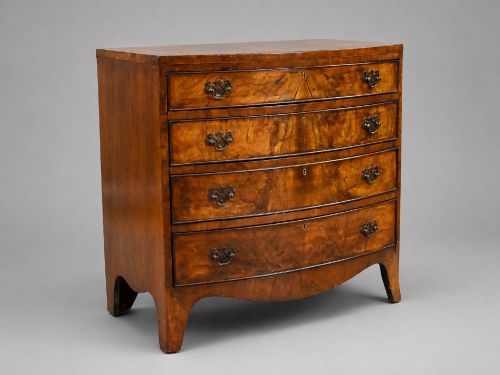
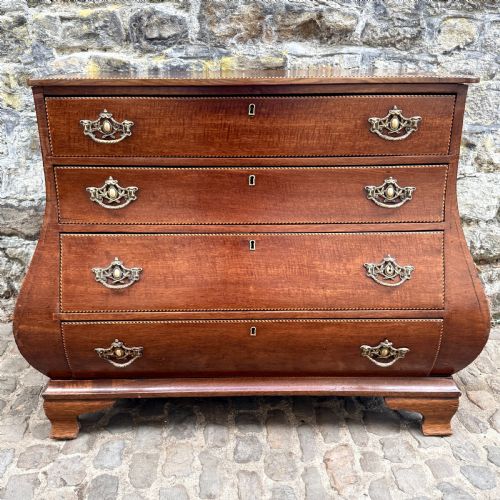
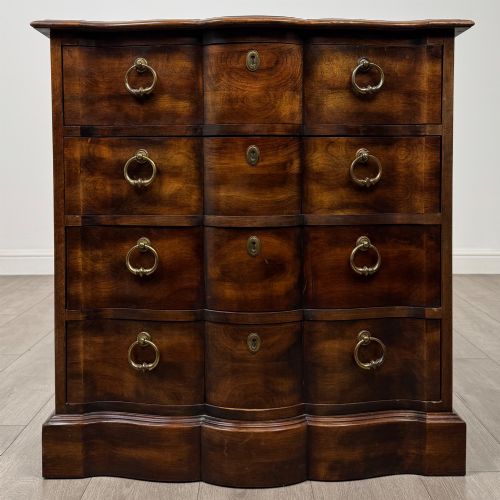
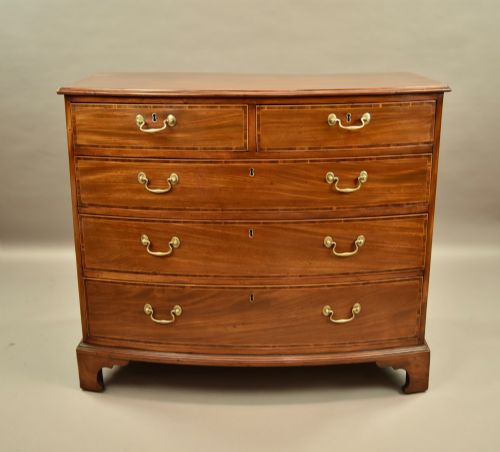
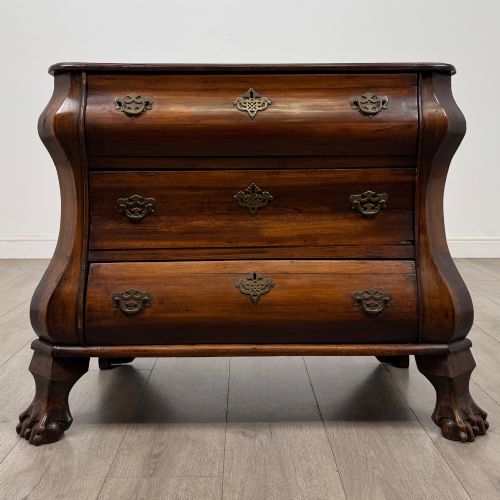
A curved wood commode presents a rounded, bow front, serpentine, or bombe silhouette that softens the rigid angles common in standard case furniture. Buyers searching this phrase look for chest of drawers and cabinet forms with distinct outward or inward facing curves.
The pieces on this page span several centuries and regional workshops, taking the shape of compact bedside units, tall Georgian chests, and French commodes. Mahogany, walnut, and kingwood dominate the forms, frequently paired with contrasting satinwood banding or painted finishes.
Materials and construction methods
Cabinetmakers constructed these rounded carcases using solid timbers and stable veneers, bending wood over internal frames or sawing curved drawer fronts from thick stock. Mahogany and walnut supply the primary structural strength, while satinwood and kingwood veneers introduce decorative grain patterns across the drawer faces.
Fine brass handles, ormolu mounts, and occasionally marble tops complete the construction of French and English examples. Joinery relied on traditional dovetailing for the drawer boxes and mortise and tenon joints for the main cabinet frames.
The selection spans pieces from the 18th century through to the 20th century, incorporating Georgian, Regency, and Victorian periods.
Factors of craftsmanship and finish
Quality rests upon the precision of the curved drawer fronts and the integrity of the timber veneers. Superior examples display seamless grain matching across multiple drawers and crisp, unwarped curves that operate smoothly within the cabinet frame.
The refinement of the secondary woods, the weight and detail of the brass or ormolu hardware, and the subtlety of any satinwood banding or marquetry separate standard utility pieces from high-status cabinet work.
The Curved Wood Commode Glossary
- Bow front
- A convex curved front profile that swells outward from the corners, commonly found on Georgian and Regency chests of drawers.
- Serpentine
- A furniture front characterised by a wavy line, curving outward in the centre and inward towards the sides.
- Bombe
- A swollen, bulging outward contour typical of continental European commodes, particularly 18th-century French and Dutch pieces.
- Kingwood
- A dense, heavily figured exotic hardwood with dark brown and violet stripes, utilised for decorative veneer work.
- Satinwood
- A lustrous, yellowish timber employed extensively for contrasting stringing and geometric banding on mahogany surfaces.
Curved Wood Commode: Frequently Asked Questions
What is a curved wood commode used for?
These pieces serve primarily as functional storage chests or bedside cabinets while introducing sculptural form to a bedroom, hallway, or living space.
The generous drawer depths accommodate clothing, linens, or household items, while the flat tops hold lamps, decorative objects, or display items.
How do I tell Georgian from Victorian pieces?
Georgian pieces generally display lighter proportions, finer timber selection, and restrained brass hardware, often dating from the late 18th century.
Victorian items tend to feature heavier carcases, darker mahogany finishes, and more robust construction suited to later 19th-century domestic interiors.
Are French and English commodes different?
French commodes frequently showcase bombe profiles, marble tops, and elaborate ormolu mounts, reflecting continental design preferences of the 18th century.
English versions typically adhere to strict geometric bow front or serpentine outlines in mahogany or walnut with subtle satinwood banding.
How should I care for timber surfaces?
Maintain the wood by keeping the furniture away from direct heat sources and sudden humidity changes that cause timber to split or warp.
Apply natural beeswax periodically to nourish the grain and protect the polish without building up heavy silicone residues.