

Curved Wood Cabinet
A curved wood cabinet brings soft, sweeping lines to a room, offering practical storage disguised in graceful proportions.
Curved Wood Cabinet
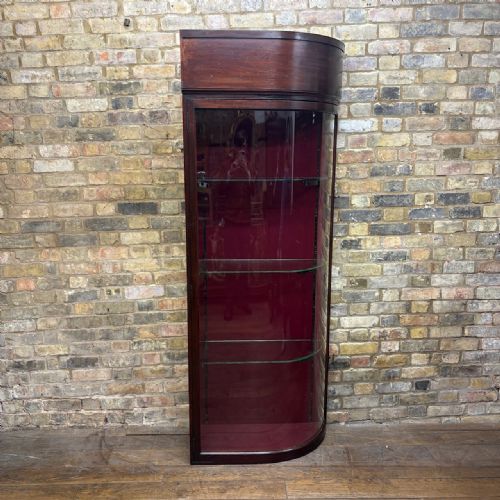
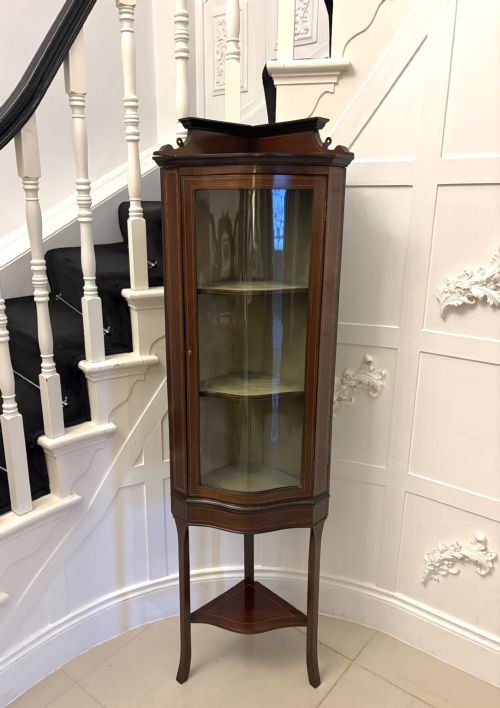
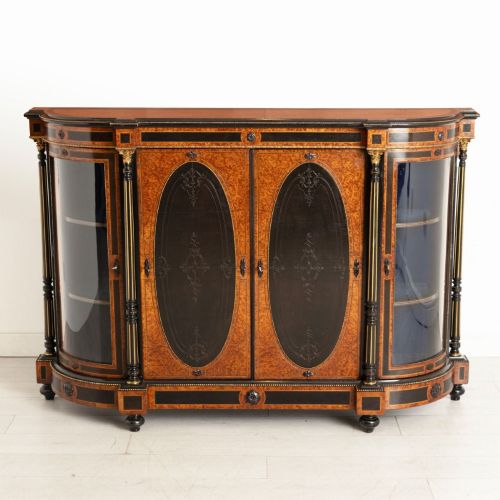
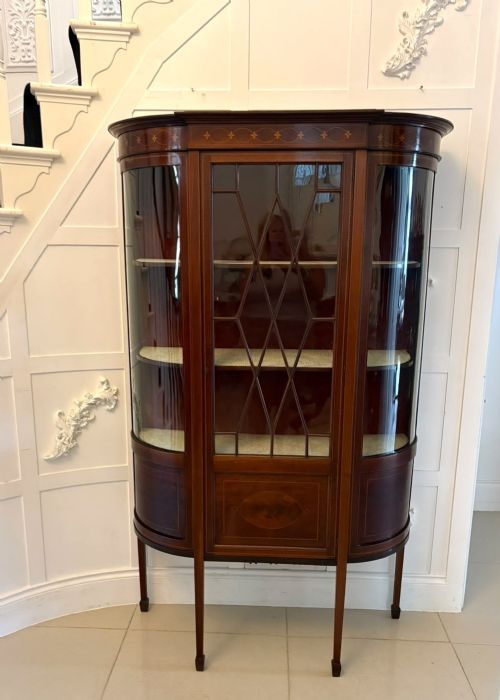
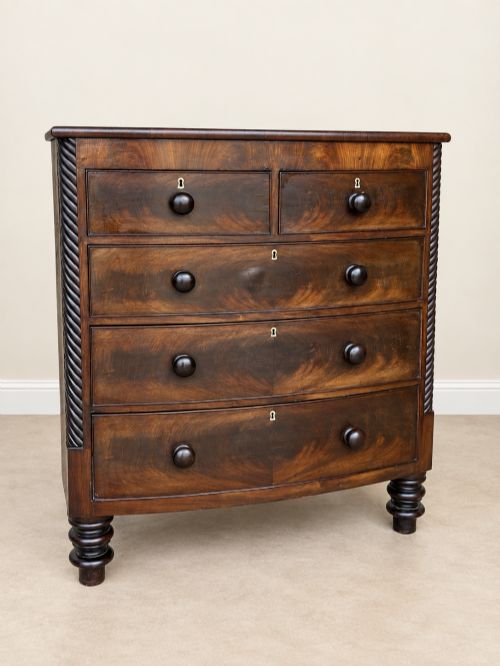
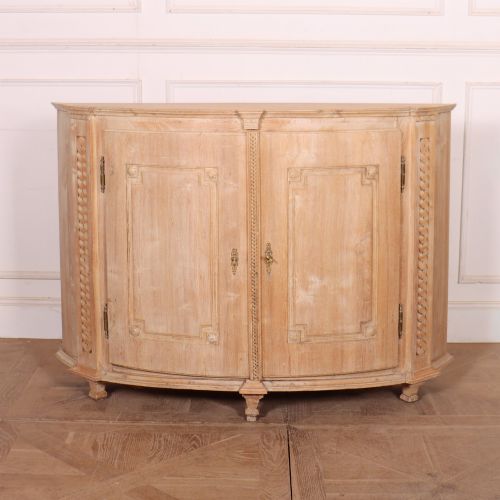
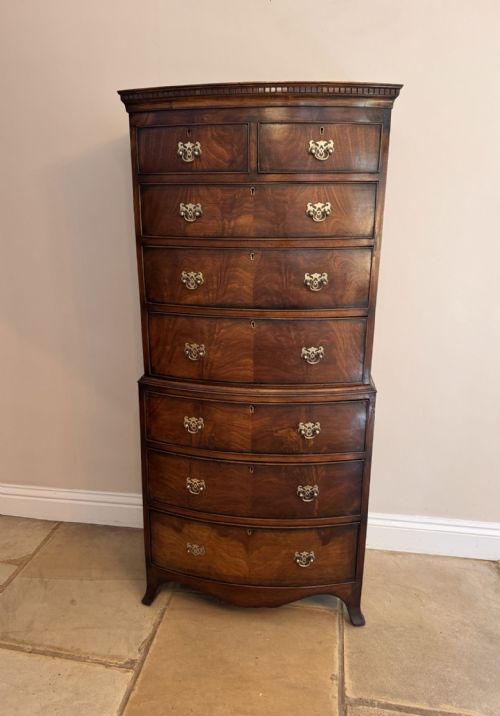
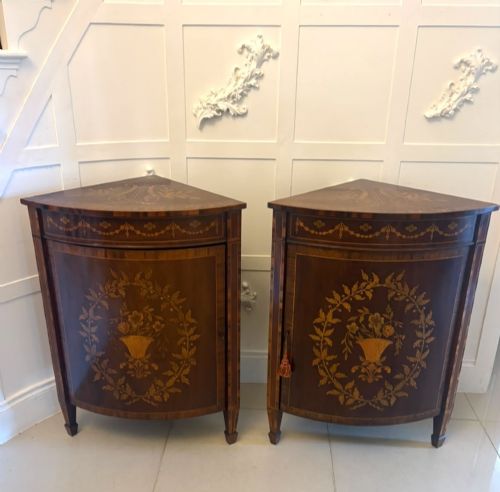
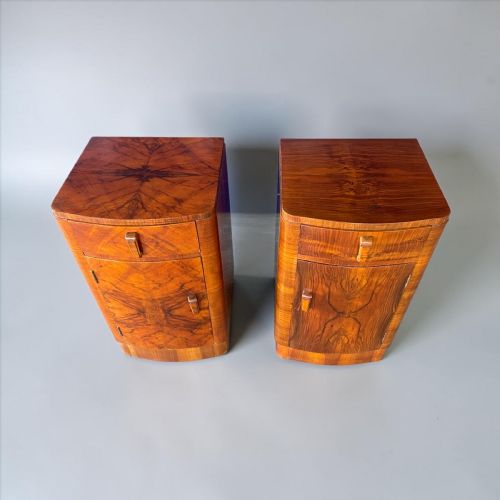
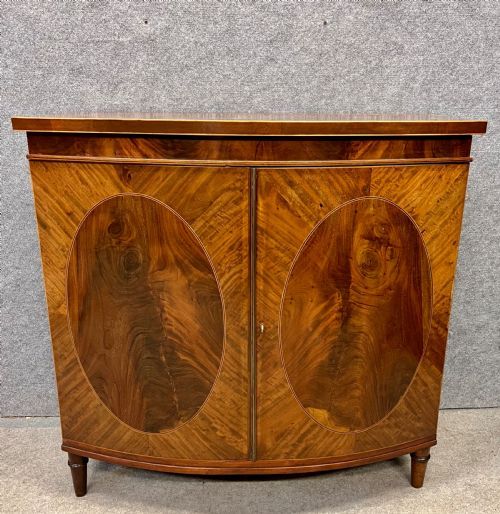
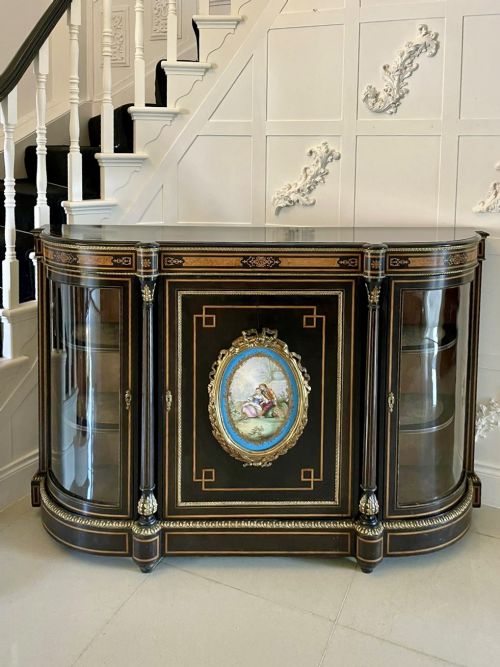
A curved wood cabinet encompasses forms with rounded, bowed, or serpentine profiles designed for display and storage. Buyers searching for a curved wood cabinet will frequently encounter Edwardian and Victorian examples alongside later Art Deco designs.
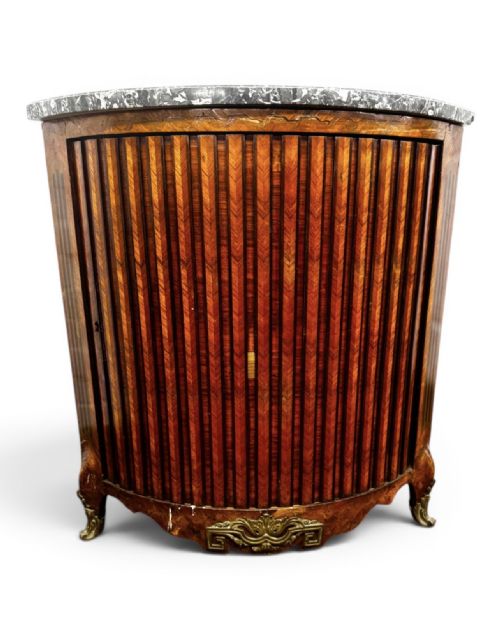
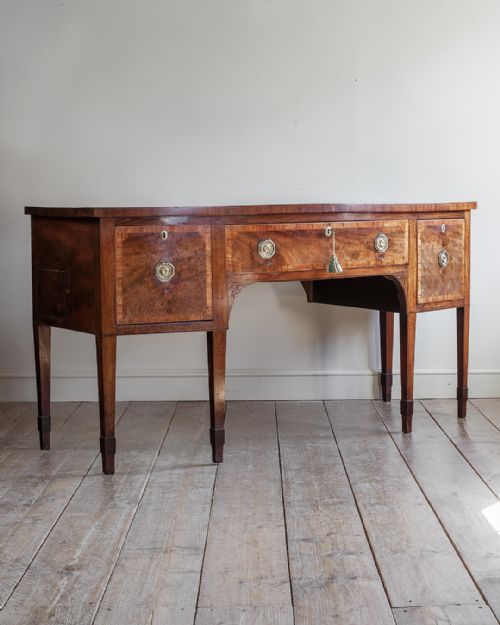
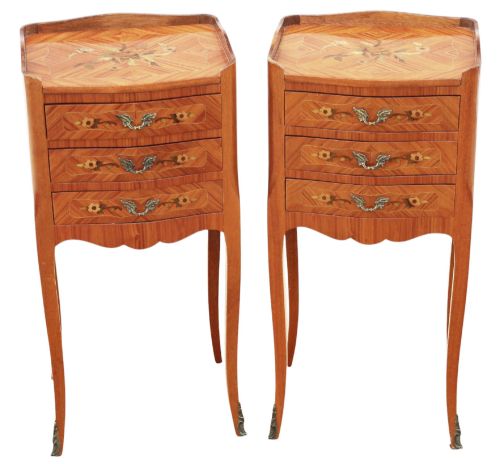
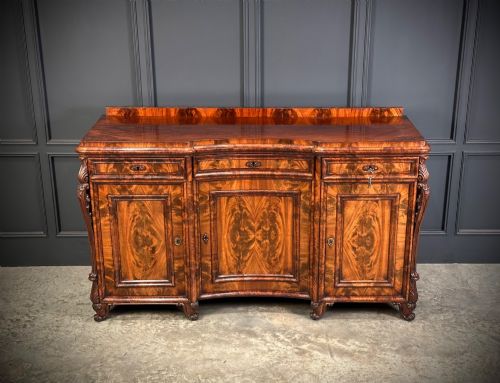
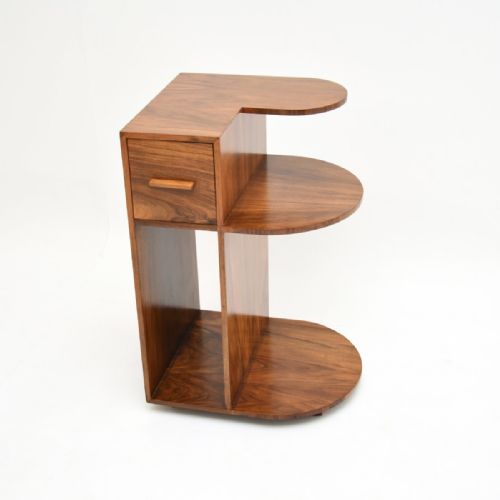
The selection ranges from tall glazed display cabinets and corner cupboards to low sideboards and bedside tables. Mahogany and walnut provide the primary structural foundation for these pieces, often enhanced by distinctive grain patterns.
Origin points span English, French, and Scandinavian workshops, reflecting diverse regional interpretations of curved furniture construction. Bow-front chests and demi-lune cabinets dominate the available forms, offering practical solutions for tight spaces.
Factors influencing quality
The integrity of the curved wooden substrate dictates the fundamental quality of the piece, as inferior timber warps over time and causes veneer lifting. Superior examples display seamless continuity along bowed or serpentine fronts without visible joins or cracking in the finish.
Hand-cut marquetry inlay and the careful selection of figured veneers separate standard production from exceptional craftsmanship. Original brass hardware, tightly fitted glass doors, and stable structural joints further distinguish finer pieces in this category.
Curved Wood Cabinet Retail Price Guide 2026
Typical asking prices for curved wood cabinet among the pieces listed under this phrase on Sellingantiques today, from the lower quarter to the upper quarter. They describe what is for sale here now, not the wider market.
Some nineteenth-century makers curved solid wood simply by steaming it over boiling water until it bent to their exact will.
Maurice Adams
The Curved Wood Cabinet Glossary
- Bow front
- A convex curved front profile that projects outward in an arc, commonly found on chests of drawers and sideboards. This shape softens room geometry while increasing interior volume.
- Serpentine
- A furniture front featuring a double-curved line that curves outward in the centre and inward toward the ends. It demands advanced woodworking skill to shape accurately.
- Demi-lune
- A half-moon shape used for tables and cabinets designed to stand flush against a wall. The curved front maximises floor clearance in hallways and smaller rooms.
- Veneer
- A thin slice of figured wood applied over a stable secondary timber to create decorative patterns. Flame mahogany and burr walnut are typical choices for curved surfaces.
- Marquetry
- The art of applying small pieces of wood veneer to form decorative pictures and geometric patterns. It appears frequently on Edwardian and Victorian display cabinets.
Curved Wood Cabinet: Frequently Asked Questions
Where should I place a curved cabinet?
A curved cabinet suits hallways, corners, or living rooms where sharp angles disrupt traffic flow. The rounded profile softens corners and allows easier movement around the piece.
Position the cabinet away from direct heat sources and strong sunlight to protect the polished wood veneers from drying and fading over time.
How do I clean a wood cabinet?
Dust the polished surfaces regularly with a soft, dry lint-free cloth to prevent particle buildup. Avoid silicone sprays and multi-surface polishes that leave persistent residues on antique finishes.
Feed the timber periodically with traditional beeswax applied sparingly and buffed to a soft sheen. This preserves the moisture balance within older veneers and solid woods.
Are curved cabinets difficult to maintain?
Curved cabinets require the same baseline care as flat wooden furniture, focusing on stable indoor humidity and temperature levels. Extreme environmental changes can cause wood to expand and stress delicate curved joints.
Check internal drawer runners and door hinges occasionally to ensure smooth operation without binding against the curved frame.
How do I identify the period of a cabinet?
Examine the construction methods, secondary timbers, and hardware style to determine the likely era of manufacture. Edwardian and Victorian pieces often display distinct inlay patterns and hand-cut dovetails.
Compare the veneer types and overall proportions against documented period styles like Sheraton Revival or Art Deco for a clearer chronological placement.