
Curved Front Cabinet
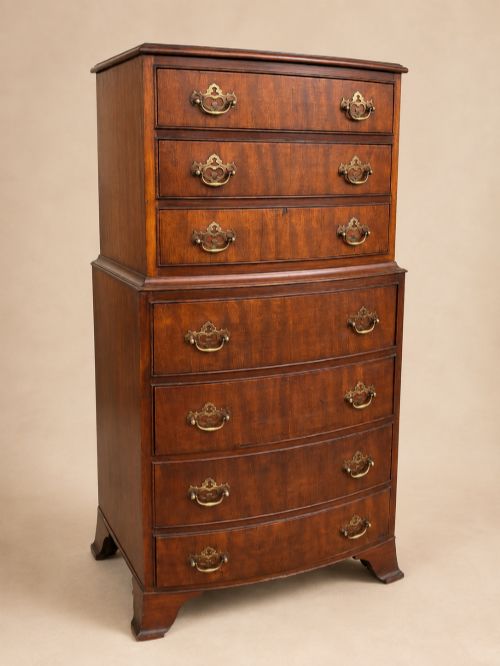
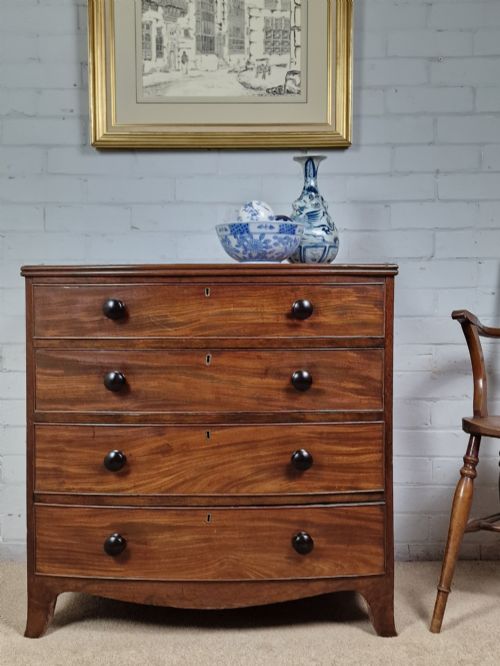
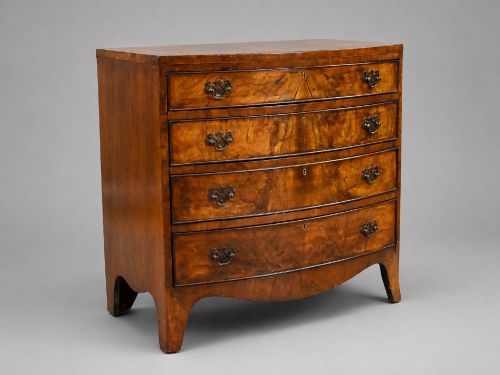
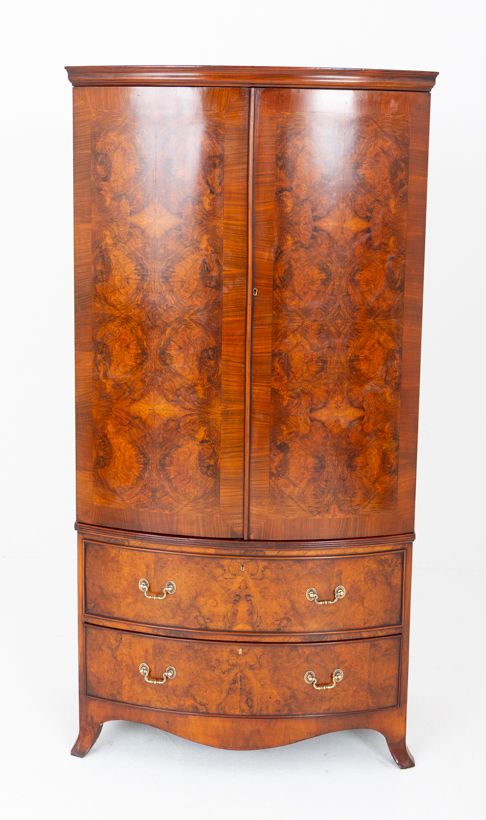
A curved front cabinet brings elegance to a room through swelling lines of mahogany or walnut, offering generous storage paired with a distinctive silhouette.
Curved Front Cabinet
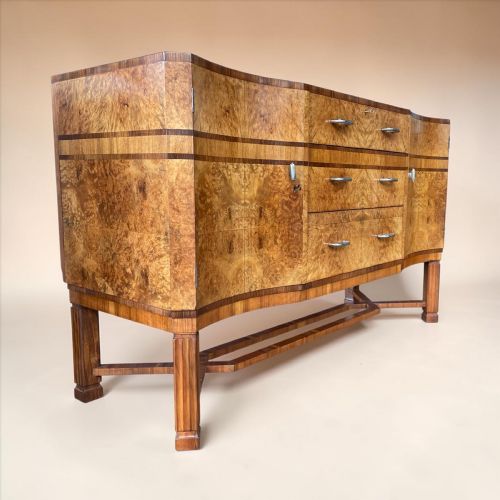
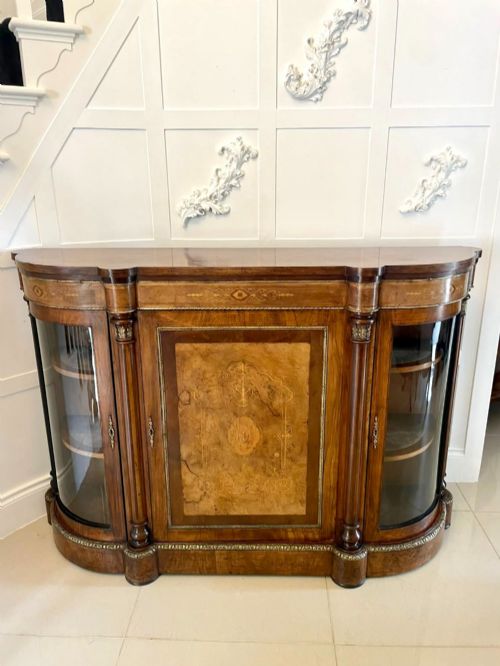
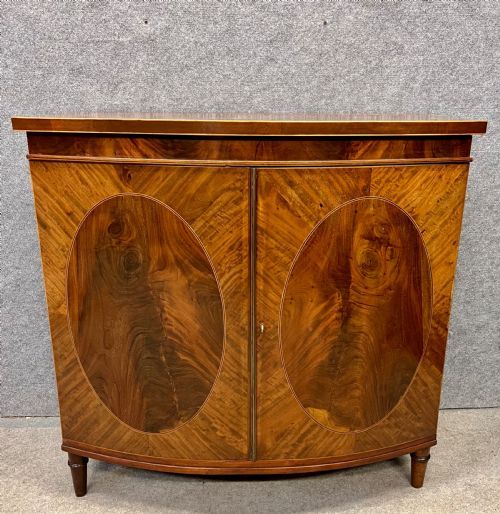
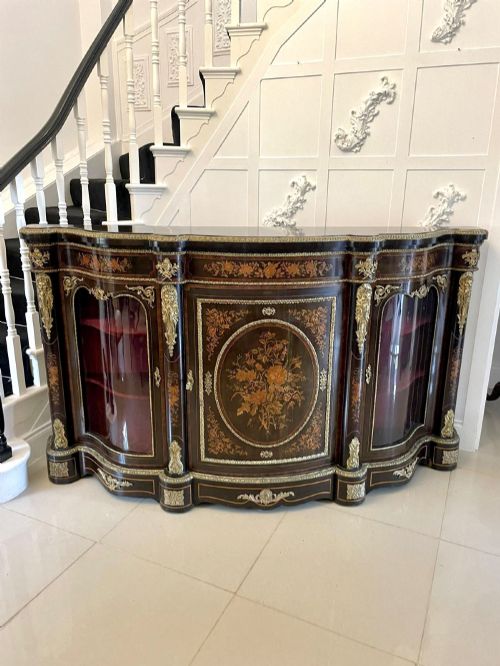
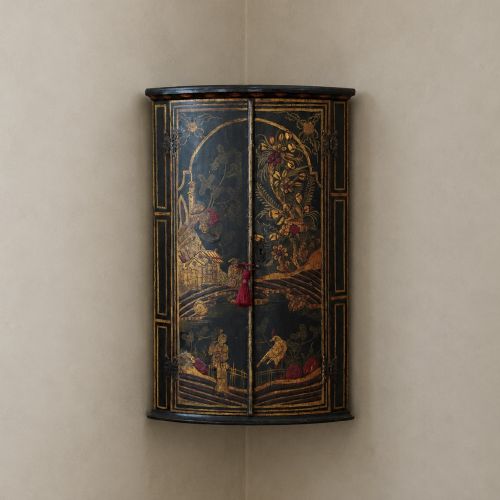
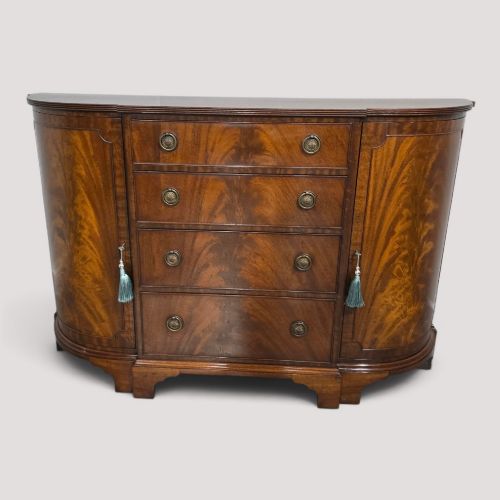
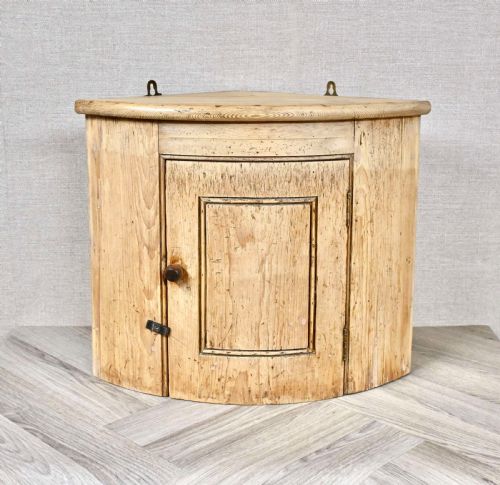
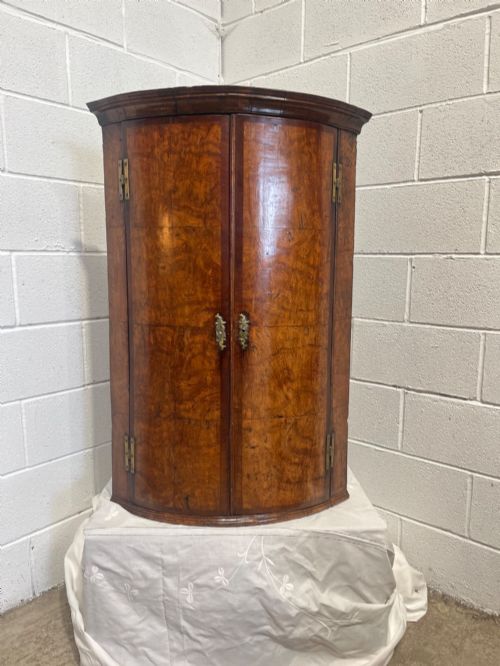
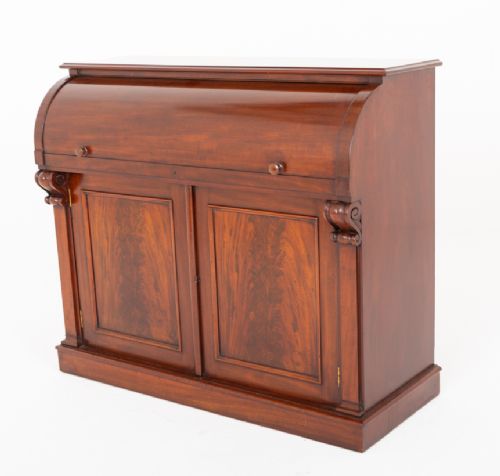
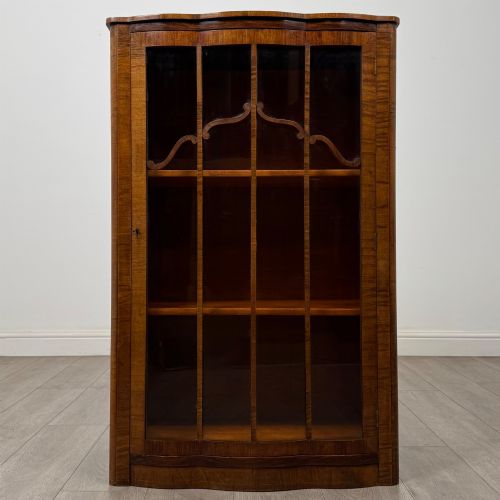
A curved front cabinet encompasses diverse historic forms, from Georgian corner cupboards and sideboards to Victorian credenzas and Edwardian display cabinets. Buyers searching for a curved front cabinet encounter various sweeping profiles, including bow fronts, serpentine shapes, and demi-lune designs.
The selection spans centuries of craftsmanship, appearing in periods from the Georgian era through the Victorian epoch and into the twentieth century. These pieces function as corner cupboards, chests of drawers, and vitrines designed to fit domestic interiors with refined grace.
Materials and Construction
Cabinet makers utilised choice timbers such as mahogany, oak, burr walnut, and satinwood, often embellishing surfaces with marquetry, inlay, and painted decoration. Curved doors and drawer fronts required specialised bending techniques and precise joinery to maintain structural integrity along the radius.
Mounts in ormolu and brass hardware accent many examples, while glass panels define display pieces and vitrines. Finishing touches range from French polishing to japanned Chinoiserie lacquering.
Listings feature mahogany, burr walnut, satinwood, and oak across Georgian, Victorian, and Edwardian periods.
Evaluating Craftsmanship
Quality rests upon the selection of timber veneers, such as figured walnut, plum pudding mahogany, and burr oak, paired with the precision of floral marquetry and fruitwood inlay. Superior execution appears in the seamless flow of curved grain across drawers and doors.
The refinement of cast ormolu mounts, the integrity of original glass, and the subtlety of painted satinwood distinguish exceptional pieces from standard workshop productions.
F. Sage and Co·Maison Gagneau
The Curved Front Cabinet Glossary
- Bowfront
- A convex curving exterior front, most commonly found on chests of drawers and sideboards. This profile softens interior angles and projects outward into the room.
- Serpentine
- A shape featuring a concave centre flanked by convex outer curves, creating a flowing double-S line. It demands advanced woodworking skill to execute properly.
- Demi-lune
- A half-moon shape used for side cabinets and tables designed to stand flush against a wall. This form frequently showcases delicate satinwood inlay or marquetry.
- Credenza
- A low cabinet originating for dining rooms or reception spaces, often mounted with ormolu and fitted with glass doors. Victorian examples display intricate floral marquetry.
- Vitrine
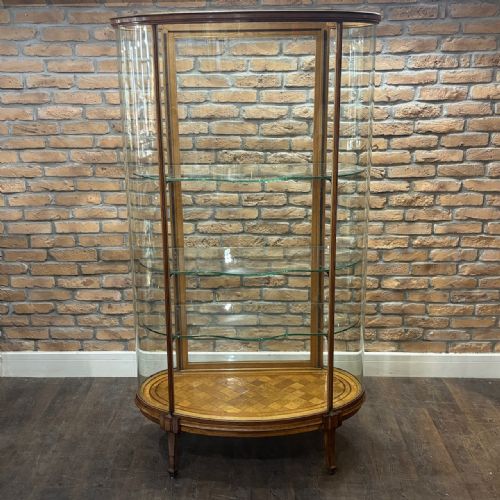
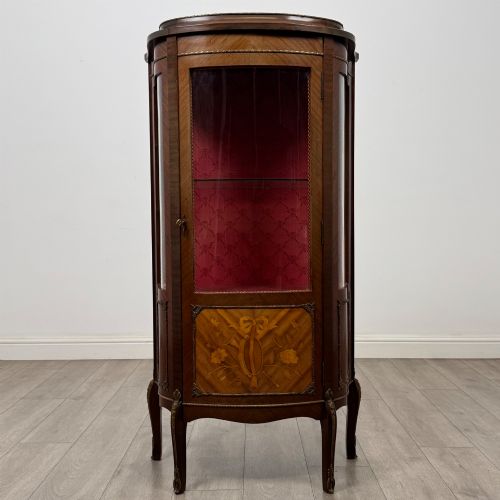
- A glass-fronted display cabinet intended for porcelain and curiosities. These pieces utilise glazed panels to showcase contents from multiple angles.
Curved Front Cabinet: Frequently Asked Questions
Where should I place a corner cupboard?
A corner cupboard fits neatly into unused room junctions, transforming dead space into a display or storage area. Georgian and nineteenth-century examples work well in dining rooms or studies.
Ensure the wall angles match the cabinet's ninety-degree build before hanging or placing freestanding pieces.
How do I care for polished mahogany?
Dust regularly with a soft, dry cloth and avoid placing furniture in direct sunlight or near heat sources. Excessive temperature changes cause timber to warp and finishes to craze.
Apply a quality beeswax polish sparingly to maintain the natural lustre of the wood.
What is the difference between a vitrine and a display cabinet?
A vitrine typically refers to an entirely glass-panelled showcase designed for delicate ornaments and porcelain. Display cabinets often incorporate wooden framing, drawers, and lower cupboards alongside glazed doors.
Both styles emerged strongly during the Edwardian and Victorian periods for interior exhibition.
How do I distinguish Georgian from Victorian pieces?
Georgian pieces from the eighteenth century tend to feature restrained classical proportions in solid mahogany or oak. Victorian furniture often introduces heavier proportions, elaborate marquetry, and ormolu mounts.
Examining internal drawer construction and timber choice helps clarify the manufacturing era.