




Curved Art Deco Server
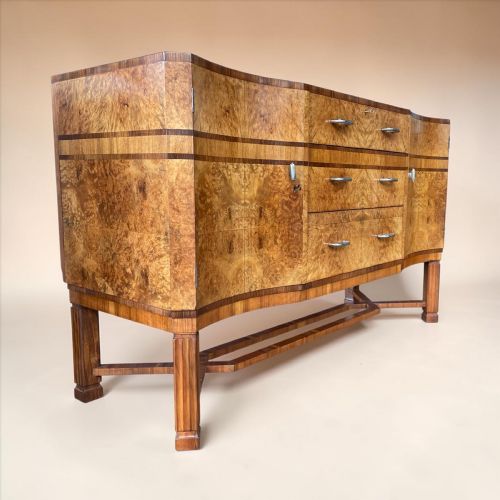
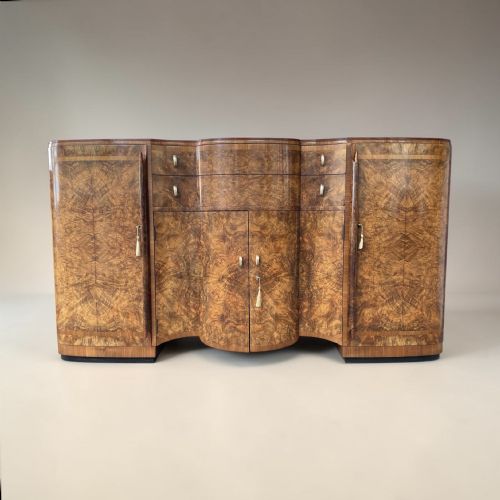
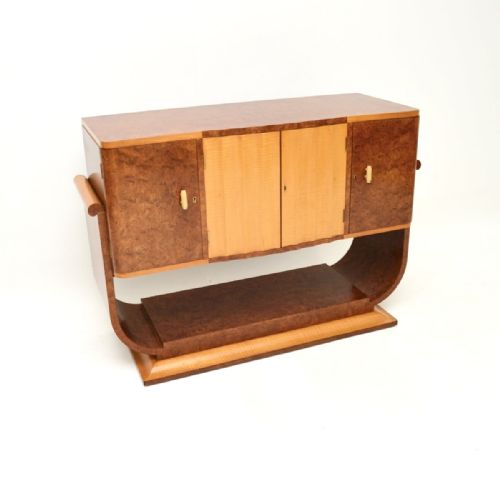
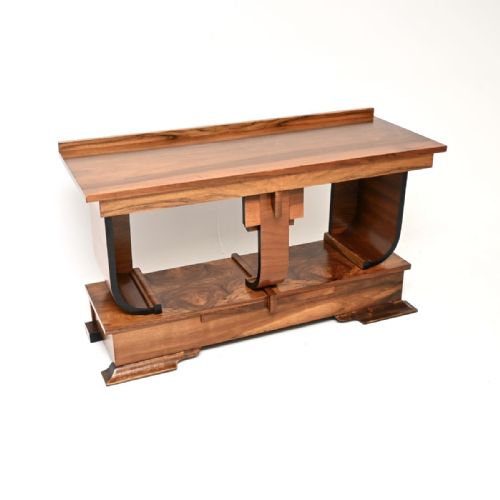
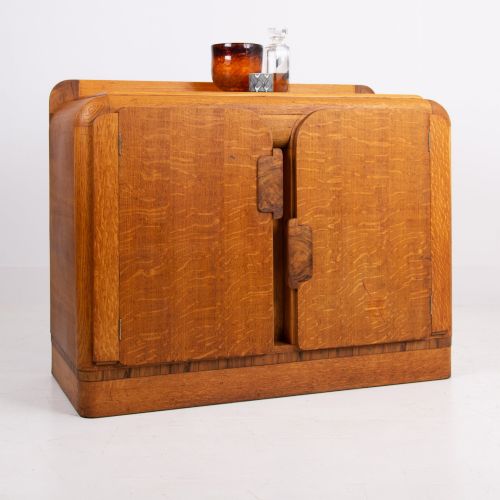
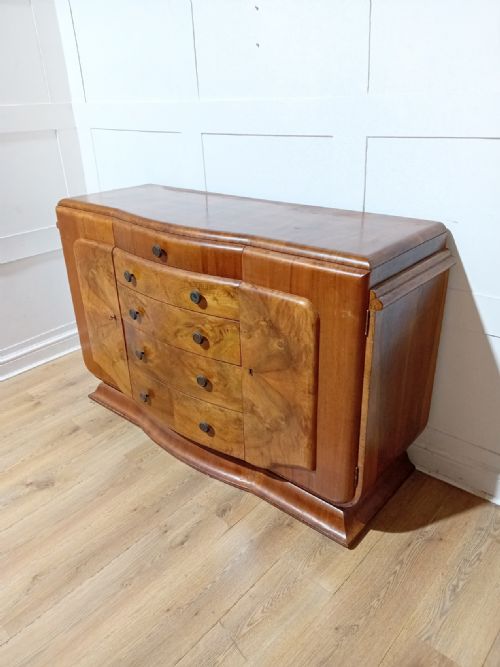
These curved art deco server pieces are striking dining and living room cabinets designed to organise modern spaces with clean, sweeping lines.
Curved Art Deco Server
A curved art deco server represents a distinct form of storage furniture primarily encountered as sideboards, console tables, and cocktail cabinets originating from the interwar decades. These pieces serve as practical serving stations and focal points within a room, combining substantial capacity with streamlined silhouettes. Buyers searching this phrase will most frequently meet sideboards and side cabinets dating from nineteen thirty.
The objects span varied configurations, including dedicated serving tables and combined sideboard-cocktail cabinets designed for entertaining. Origins point firmly to British workshops and prominent retailers from the nineteen twenties and nineteen thirties, capturing the height of the modernist design movement. Their defining architectural characteristic remains the sweeping radius of the front elevation, which softens the geometry typical of earlier furniture.
Forms range from long, low sideboards to narrower console tables and compact cabinets suited to smaller interiors. Most surviving examples rely on the visual impact of matched wood veneers to accentuate the curved exterior rather than relying on applied carved ornament. This structural approach defines the category on the marketplace floor.
How they were made
Cabinet makers constructed these servers using solid timber carcases overlaid with decorative wood veneers such as burr walnut, figured walnut, and contrasting sycamore. The application of veneer required immense skill to wrap smoothly around tight radiuses without cracking or lifting over time. Workshops selected specific timber cuts to create symmetrical grain patterns across the curved doors and drawer fronts.
Metal hardware, particularly chrome, provides functional contrast and structural accentuation on handles, hinges, and sabots. Cabinet doors operate on concealed or flush hinges that maintain the unbroken sweep of the curved facade. The combination of figured wood surfaces and polished metal details establishes the essential aesthetic vocabulary of the category.
Some servers double as cocktail cabinets, keeping your gin secure behind smoothly sliding curved walnut doors.
What varies in quality
The distinction between standard commercial production and exceptional cabinet work rests entirely on the selection and matching of the veneer. Superior pieces display continuous, book-matched burr walnut grain that wraps seamlessly around the curves of the carcase. Lesser examples use plain walnut or simpler cuts with less attention given to pattern continuity across joints.
Construction integrity in the internal framing and drawer boxing further separates workshop output. Premium makers employed solid secondary timbers and precise joinery that ensure doors and curved drawers continue to operate smoothly. The weight and finish of the chrome hardware also signal the original tier of production.
Maurice Adams·Gomme·Hille·Harry and Lou Epstein·Hamptons of Pall Mall London
The Curved Art Deco Server Glossary
- Burr Walnut
- A figured wood grain obtained from tree growths, highly prized for its swirling, organic patterns. It forms the primary decorative surface on the finest servers.
- Sycamore
- A pale British hardwood utilised for contrasting stringing and interior linings. Its light colour highlights the darker tones of walnut veneers.
- Console Table
- A wall-mounted or freestanding table designed for narrow spaces and hallways. In this context, it shares the characteristic curved profile of the larger sideboards.
- Cocktail Cabinet
- A specialised storage unit for beverages and glassware equipped with drop-down serving surfaces. Several examples combine this function with standard sideboard storage.
Curved Art Deco Server: Frequently Asked Questions
What is a curved art deco server used for?
These cabinets function primarily as serving surfaces and storage units for dining rooms and entertaining spaces. They house dinnerware, linens, and bottles behind curved doors.
The top surface provides ample room for displaying objects or serving food and drinks during gatherings. Their versatile sizing also allows placement in hallways and living rooms as console furniture.
How do I identify a nineteen thirties server?
Look for characteristic modernist geometry combined with sweeping curved facades and symmetrical wood grain patterns. The absence of traditional carved ornamentation distinguishes these items from earlier Victorian and Edwardian furniture.
Materials such as burr walnut veneer paired with chrome hardware point directly to the interwar period. Cabinet proportions are typically low and horizontal rather than tall and vertical.
Are these servers difficult to care for?
Maintenance requires standard care suitable for polished wood and veneer surfaces. Keeping them away from direct sunlight and extreme humidity prevents the wood from fading or the veneer from lifting.
Regular dusting with a dry cloth preserves the polished finish. Occasional application of appropriate furniture wax maintains the moisture and sheen of the walnut.
Where were these pieces manufactured?
The majority of these servers originate from British workshops, department store studios, and cabinet makers operating in London. Prominent firms and independent designers produced them during the height of the art deco movement.
Retailers such as Hamptons of Pall Mall retailed high-end pieces alongside specialist workshops like those run by the Epstein brothers and Maurice Adams.