




Crystal Decanter Box
A crystal decanter box is a fitted host for spirits, bringing Victorian and Edwardian craftsmanship directly to your drinks cabinet.
Crystal Decanter Box
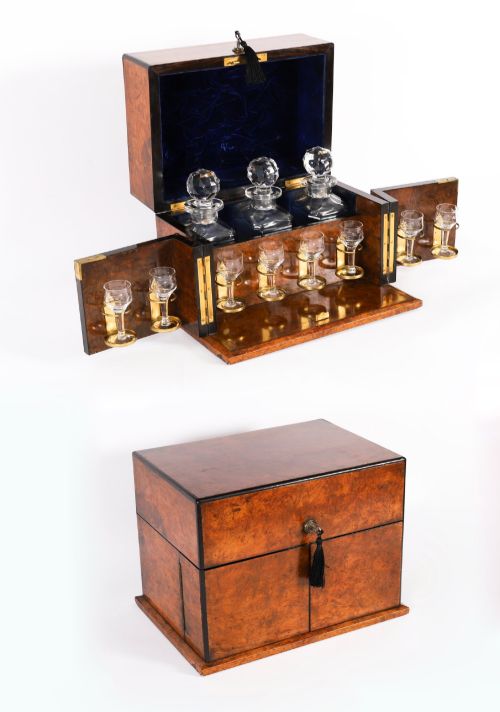
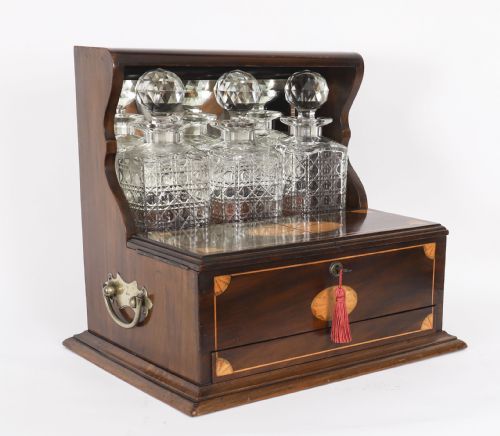
A crystal decanter box encompasses sophisticated drinking cabinets, tantaluses, and games compendiums designed to secure and display fine spirits. When searching for a crystal decanter box, you encounter pieces that range from single bottle oak cases to elaborate three-bottle tantalus and games combinations.
The selections span the late nineteenth century, taking in Victorian and Edwardian periods alongside French Second Empire and Napoleon III examples. English makers favoured robust timbers like oak and coromandel, while French works often utilised ormolu and baccarat crystal within cave a liqueur boxes.
Many incorporate multifunctional elements, pairing cut crystal decanters with spaces for cards, chips, and dry bar accessories. These containers reflect the entertaining habits of the period, offering both security via locking mechanisms and visual display through bevelled mirror glass and polished wood.
How they were made
Cabinetmakers constructed the outer enclosures using solid and veneered timbers such as oak, mahogany, pollard oak, satinwood, and coromandel. These boxes frequently feature brass mounts, inlaid details, and secure locking systems designed to house fragile glassware safely.
Internal fittings were meticulously partitioned to hold cut crystal and cut glass decanters snugly alongside liqueur glasses and gaming equipment. French pieces often integrated gilt ormolu mounts with Baccarat crystal, while English workshops focused on sturdy silver-plated or brass framing for locking tantalus bars.
Crystal Decanter Box Retail Price Guide 2026
Typical asking prices for crystal decanter box among the pieces listed under this phrase on Sellingantiques today, from the lower quarter to the upper quarter. They describe what is for sale here now, not the wider market.
Listings feature oak, coromandel, and mahogany cases fitted with cut crystal decanters and silver-plated hardware.
What varies in quality
Quality reveals itself in the choice of timber and the precision of the internal carpentry, where figured coromandel or pollard oak sits at the upper end of the scale. The complexity of the fitted interior - such as combined games compendiums and dry bar sections - separates standard single-bottle cases from grander, multi-bottle presentations.
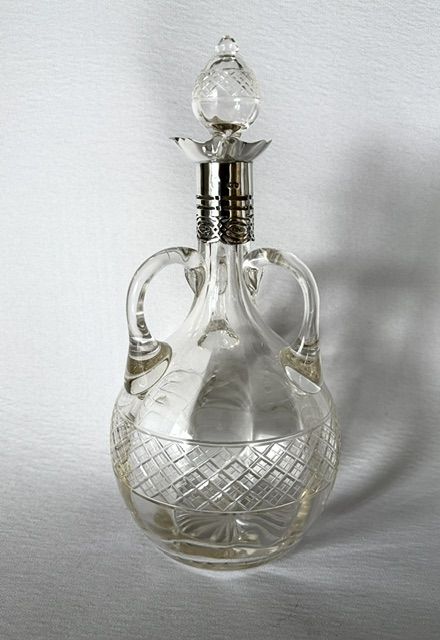
The standard of the glassware dictates the distinction between ordinary containers and exceptional items, with heavy cut crystal and signed Baccarat components commanding greater attention. Additionally, the robustness of the silver plating and the refinement of the brass mounts influence the overall stature of the piece.
Philip Ashberry
The Crystal Decanter Box Glossary
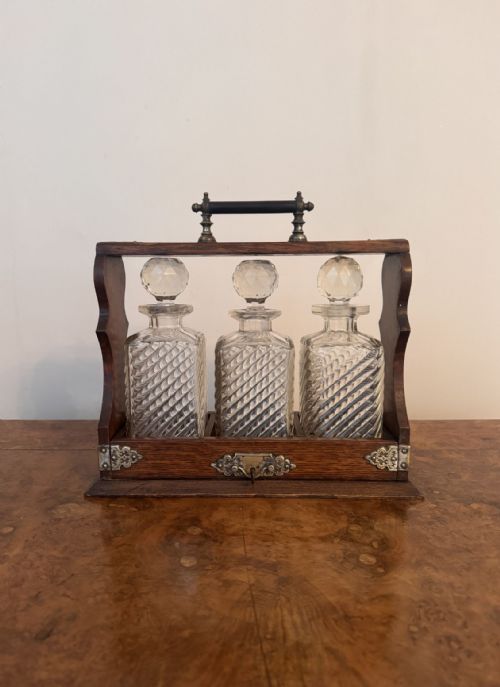
- Tantalus
- A locking drink cabinet that holds decanters securely in place while allowing their contents to be seen. A metal bar prevents the removal of the bottles until the lock is opened with a key.
- Cave a liqueur
- A French fitted box designed to hold liqueur decanters and small glasses, often featuring ornate ormolu mounts and glass interiors. These boxes typically house removable bottle trays.
- Games compendium
- A multi-purpose box containing equipment for various parlour games alongside a spirits cabinet. They frequently integrate cards, counters, and cribbage boards within the same timber case.
- Coromandel
- A dense, dark cabinet timber featuring striking grain patterns, highly prized by nineteenth-century makers for luxury boxes. It provides a heavy, durable shell for fine entertaining sets.
Crystal Decanter Box: Frequently Asked Questions
What is a crystal decanter box?
A crystal decanter box is a secure wooden case housing cut glass or crystal bottles for serving spirits. They range from simple single-bottle holders to elaborate multi-compartment cabinets.
Many examples incorporate locking mechanisms or metal tantalus bars to prevent unauthorised access to the contents. They often combine storage for drinking vessels with folding trays and games equipment.
How do you use a tantalus?
A tantalus secures glass decanters beneath a metal locking bar that grips the stoppers in place. Turning a key releases the mechanism so the bottles can be lifted out for pouring.
The design allowed hosts to display expensive spirits while restricting access by servants or guests. The locking bar must be fully unlocked before any decanter can be removed from the frame.
What is a cave a liqueur?
A cave a liqueur is a French container made to transport and display fine glassware and decanters. These boxes frequently open to reveal fitted tiers lined with mirror glass and gilt bronze mounts.
Originating during the Napoleon III and Second Empire periods, they focus on decorative elegance and portability. The interior cradles small cordial glasses alongside distinctively shaped bottles.
How do I date a decanter box?
Dating relies upon the prevailing styles of the timber, hardware, and glass components. Victorian pieces often use heavy oak and brass mounts, while Edwardian versions display lighter woods and silver plating.
Makers' marks, lock stamps, and patent numbers can sometimes narrow the date of manufacture. The presence of specific compendium layouts also points towards nineteenth-century entertaining trends.