

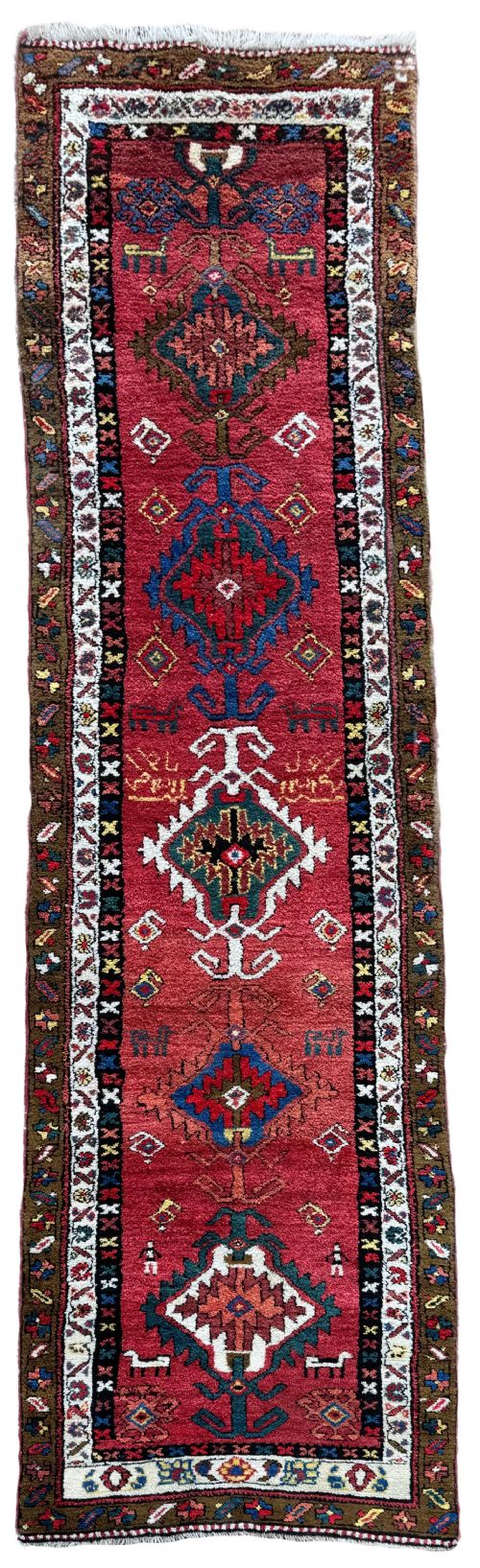
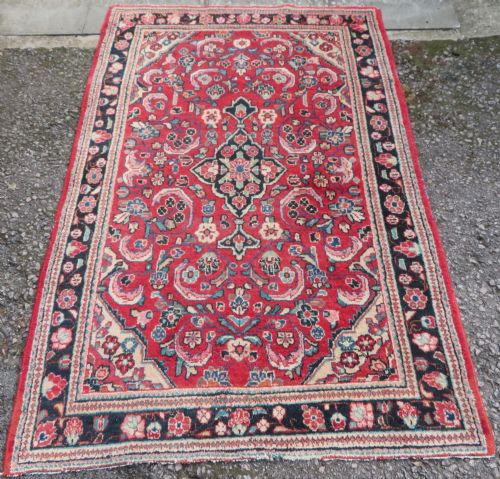
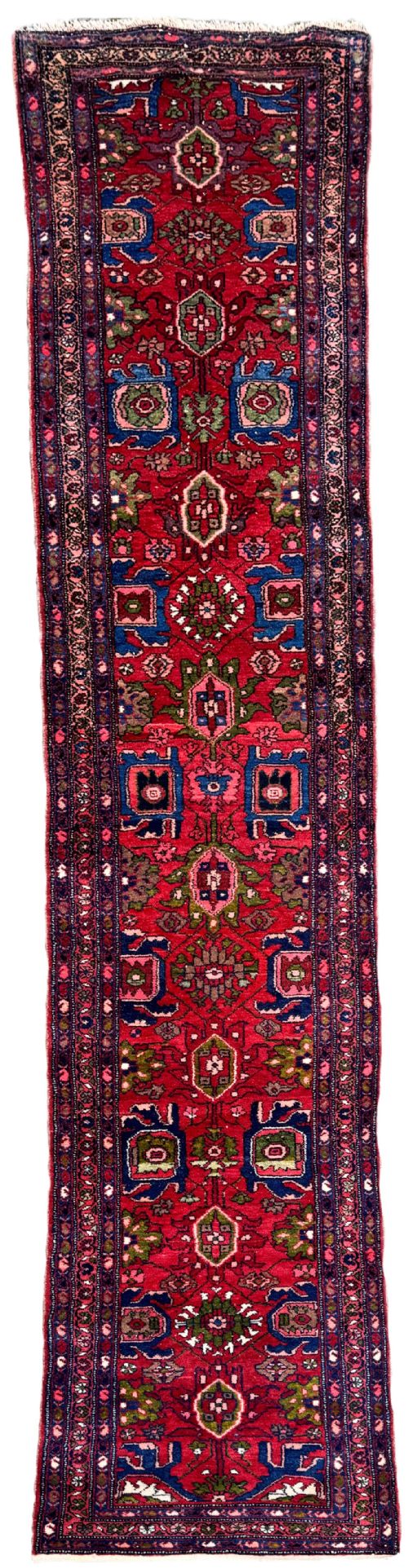
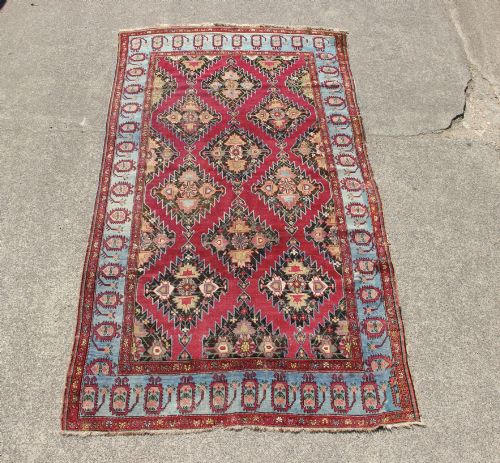
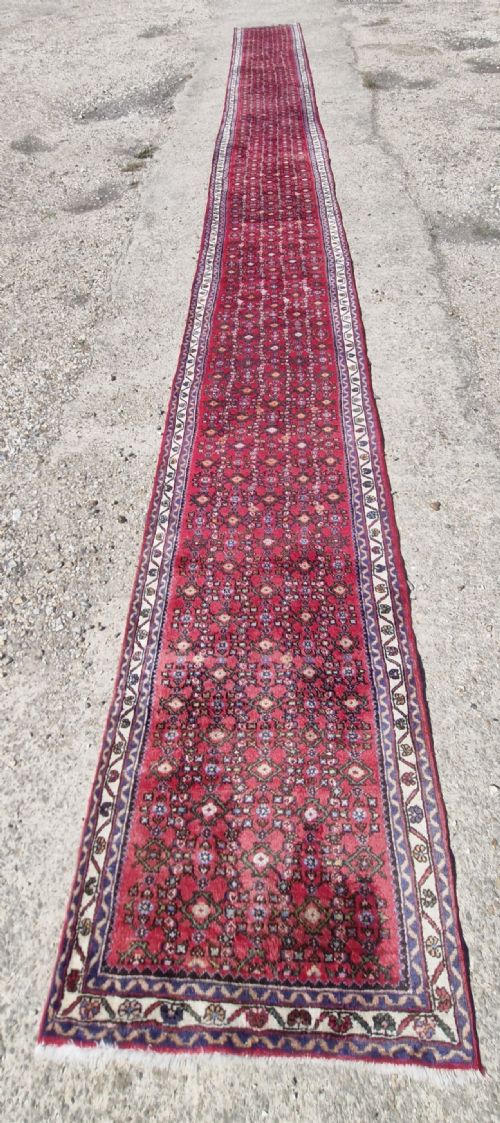
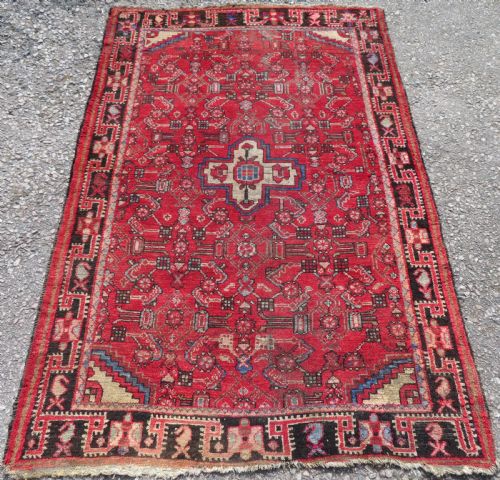
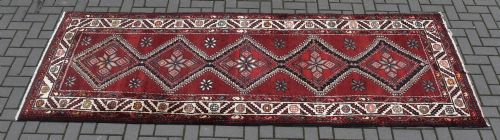


Crimson Wool Runner
A crimson wool runner brings warmth and pattern to long corridors through decades of traditional weaving.
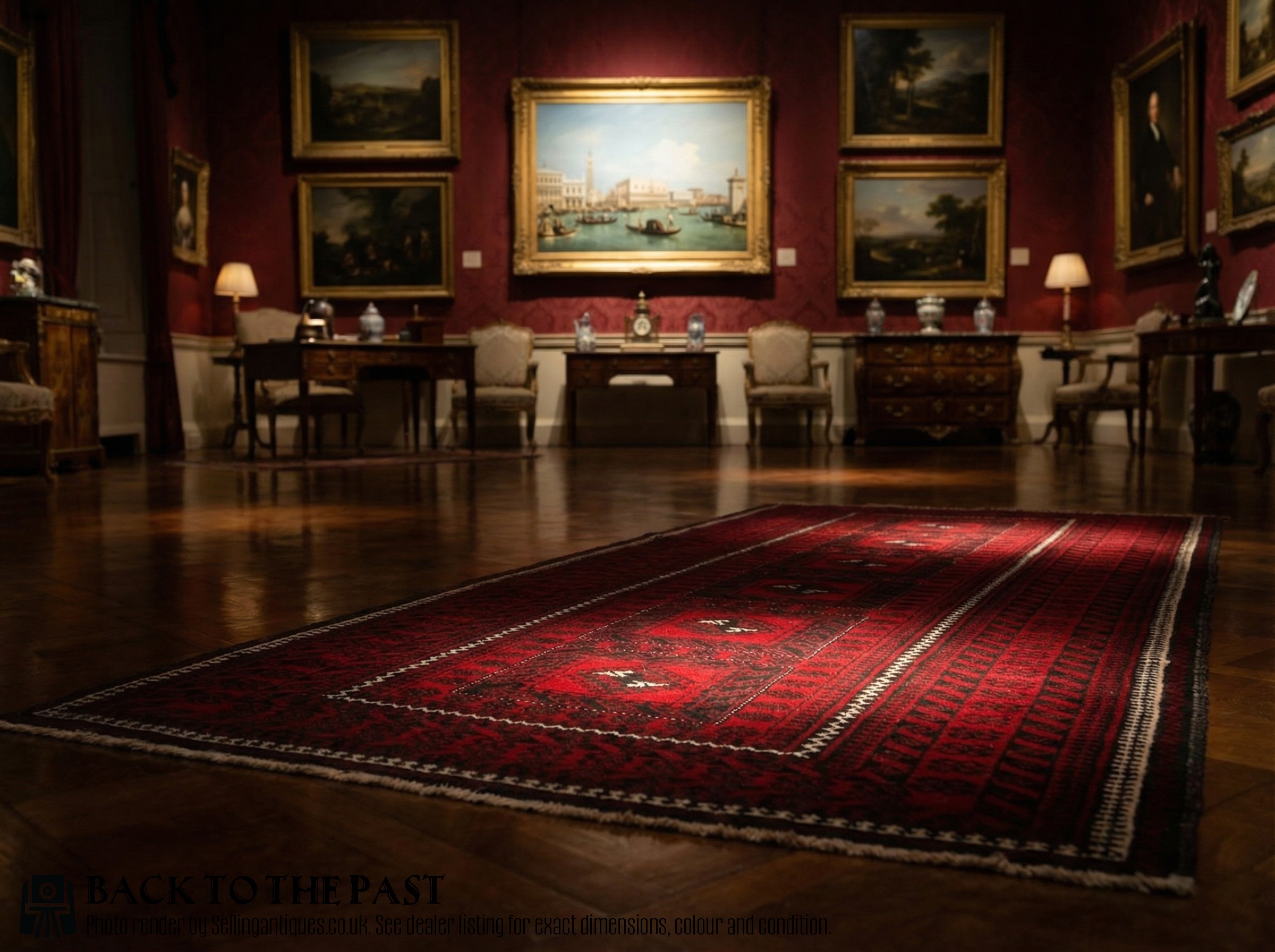
Crimson Wool Runner
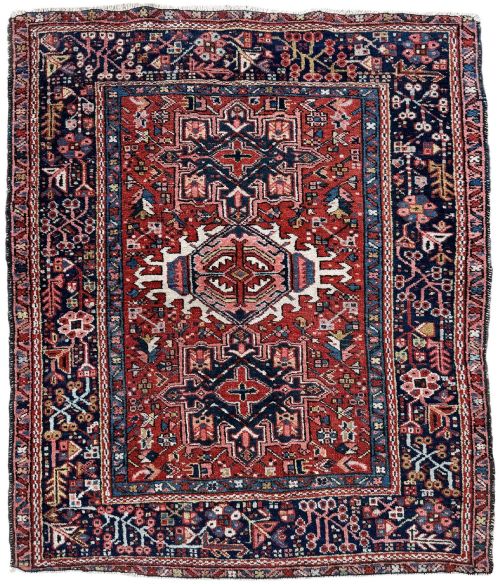
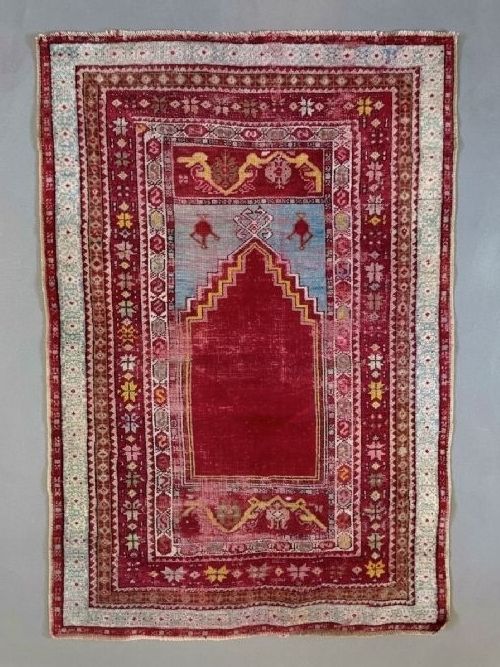
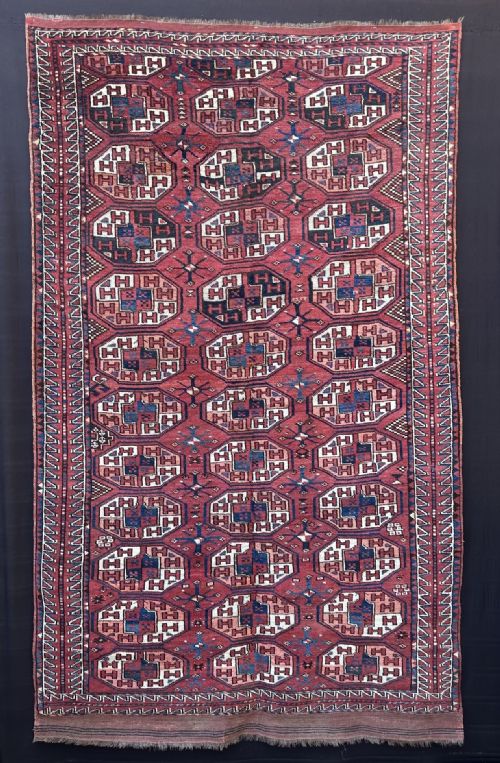
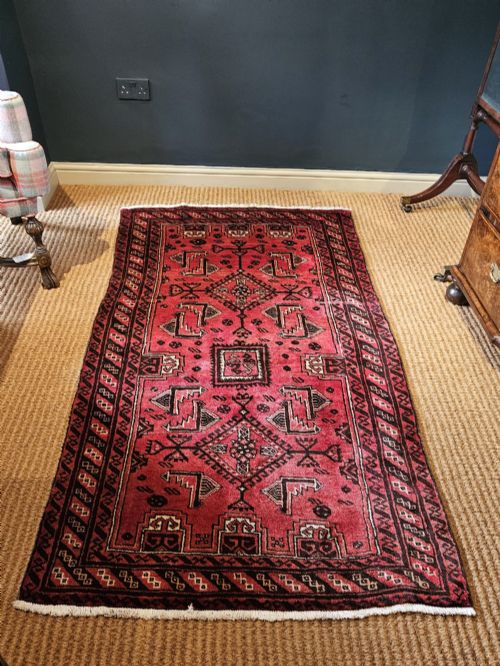
A crimson wool runner is a long, narrow textile designed for hallways, landings and galleries, constructed primarily during the nineteenth and early twentieth centuries. These floor coverings emerge from various regional weaving traditions, including Persian village workshops and tribal groups across Central Asia and the Caucasus.
Buyers encountering this search phrase find floor coverings spanning from the 1870s through the 1930s, utilising durable wool pile over cotton or wool foundations. Long formats suit narrow spaces, bringing deep red tones and geometric or floral motifs to domestic architecture.
Materials and construction
Makers constructed these pieces using hand-spun wool for the pile, often dyed with natural substances that created rich crimson hues and varied red tones. Foundations typically rely on wool or cotton yarns, knotted or woven by hand on vertical or horizontal looms.
Tribal and village weavers employed traditional techniques passed down through generations, resulting in dense knots and sturdy structures designed for heavy daily use in corridors and reception rooms.
Listings feature traditional textiles from the 1870s through the 1930s, utilising pure wool, cotton and natural dyes across village and tribal workshops.
Factors of quality
Quality rests upon knot density, the integrity of the foundation and the resilience of the wool pile underfoot. Pieces with tightly packed knots and secure selvedges tend to retain their structural integrity through decades of heavy traffic.
The complexity of the dye work and the precision of the tribal or village motifs also separate standard examples from finer works. Consistent pile height and even weaving across the length indicate superior craftsmanship in historical floor runners.
The Crimson Wool Runner Glossary
- Pile
- The upright yarn loops that form the surface of a carpet or rug. Tightly packed pile provides greater durability in high-traffic hallways.
- Runner
- A long, narrow carpet format specifically proportioned for corridors, staircases and narrow landings. These rectangular textiles direct movement through domestic spaces.
- Knot
- The individual loop of wool tied around warp threads to form the pile surface. Different regional traditions utilise symmetrical or asymmetrical knotting techniques.
- Warp
- The stationary vertical threads stretched onto a loom that form the structural foundation of the textile. Weft threads are inserted across these warp yarns to secure the weave.
- Selvedge
- The reinforced edge binding running along the long sides of a rug. Secure selvedges prevent the side cords from fraying over time.
Crimson Wool Runner: Frequently Asked Questions
Where should I place a long runner?
These narrow textiles suit hallways, entrance corridors, staircases and long landings where floor protection and visual warmth are required. Their elongated proportions guide movement down narrow architectural spaces.
Ensure the floor surface underneath is clean and flat, and consider utilising an appropriate underlay to keep the textile stable in high-traffic areas.
How do I care for an antique wool runner?
Regular gentle vacuuming without a rotating brush roll helps remove embedded dust and grit from the wool pile. Professional cleaning suited to antique textiles should be undertaken periodically.
Keep the runner away from direct, prolonged sunlight to protect the natural dyes from fading unevenly over the years.
How can I tell the age of these textiles?
Age is assessed by examining the characteristics of the wool, the structure of the foundation, and the composition of the dyes. Subtle irregularities in weave and colour variations often point to traditional hand production.
Historical markers, regional design styles, and the wear patterns across the pile also help place pieces within specific decades from the nineteenth to the mid-twentieth century.
What is the difference between village and tribal rugs?
Village rugs are typically produced in settled communities by local weavers utilising fixed looms and traditional regional motifs. Tribal pieces often reflect nomadic or semi-nomadic herding traditions with geometric symbols passed through families.
Both categories utilise natural materials and hand-spun wool, but their design layouts reflect different social structures and geographic origins.