

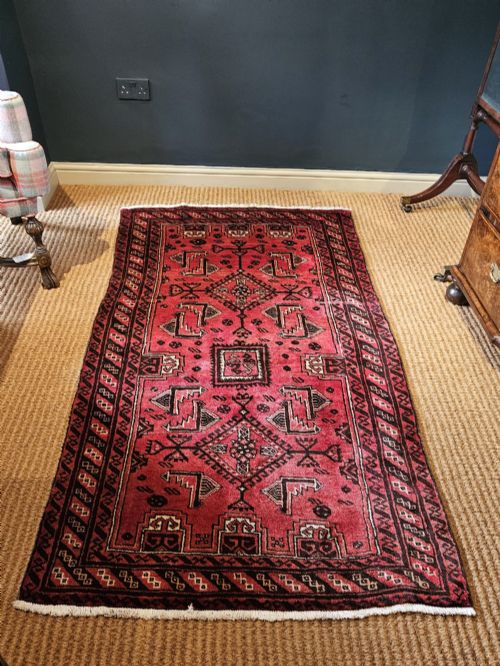
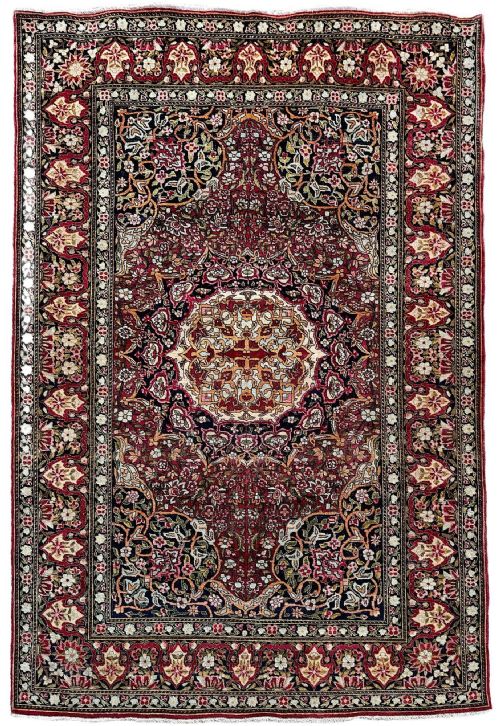
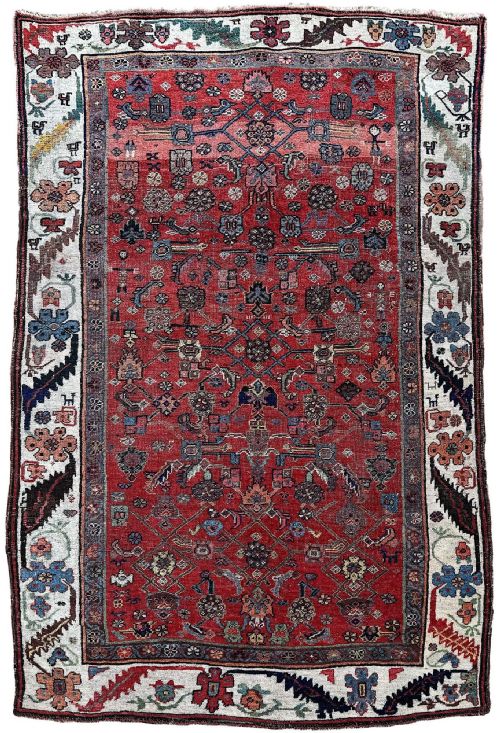
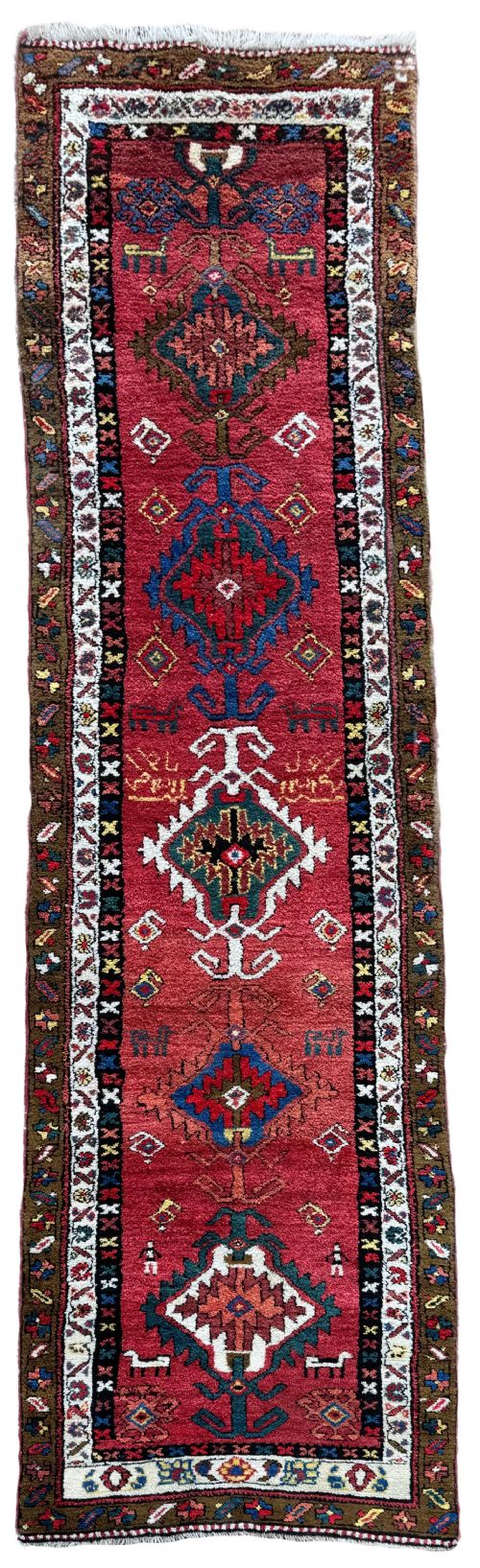
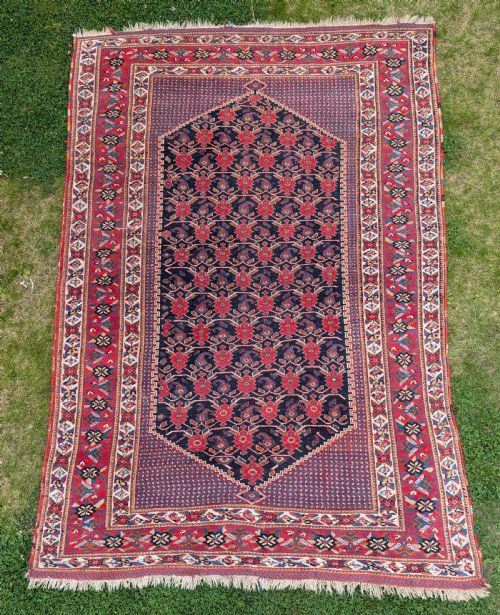
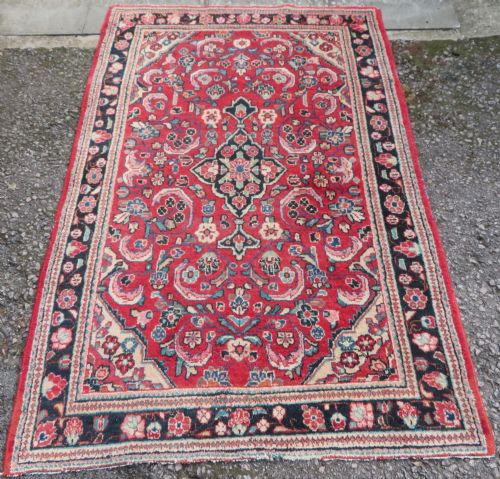
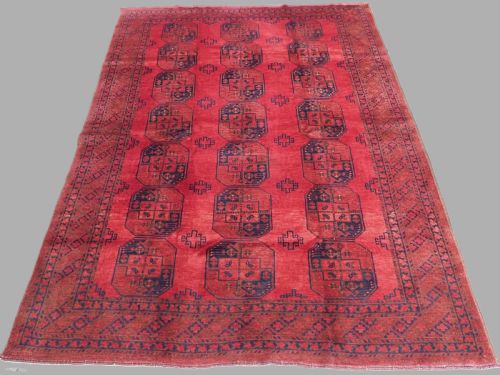
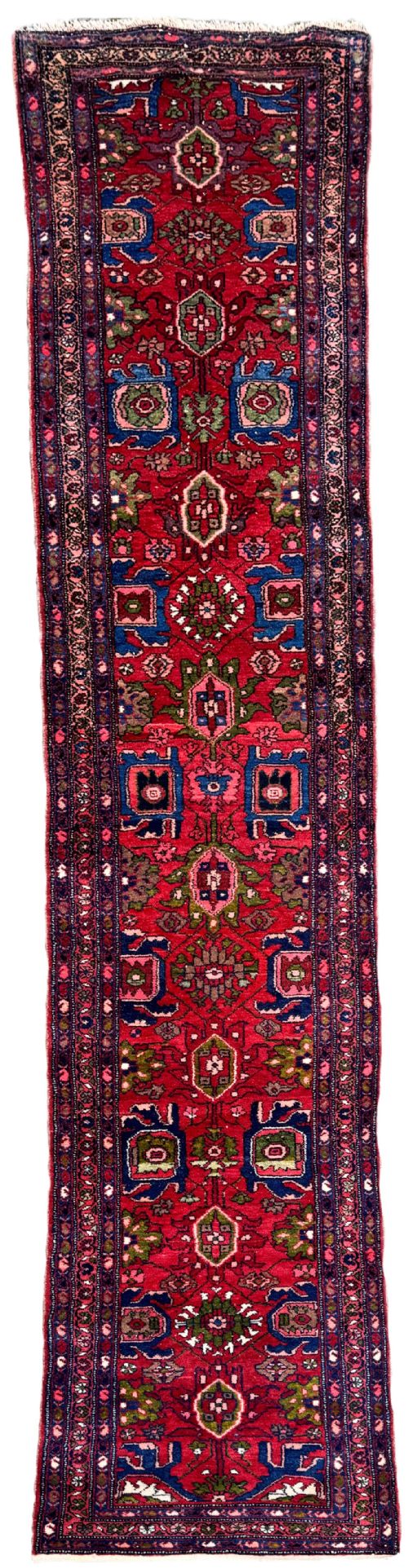
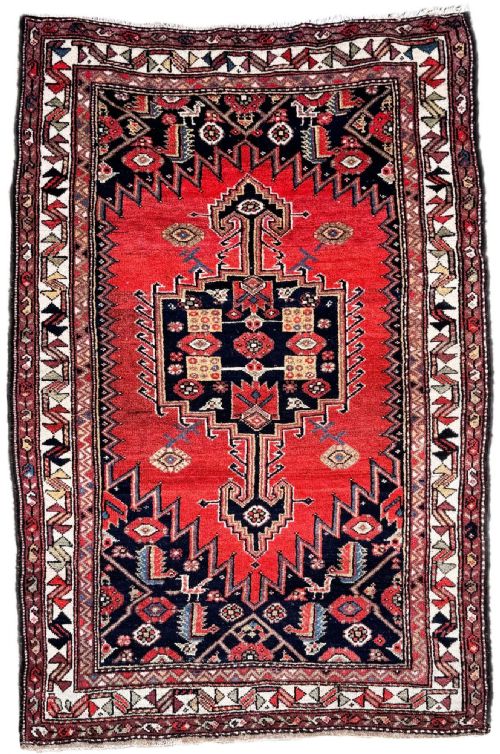
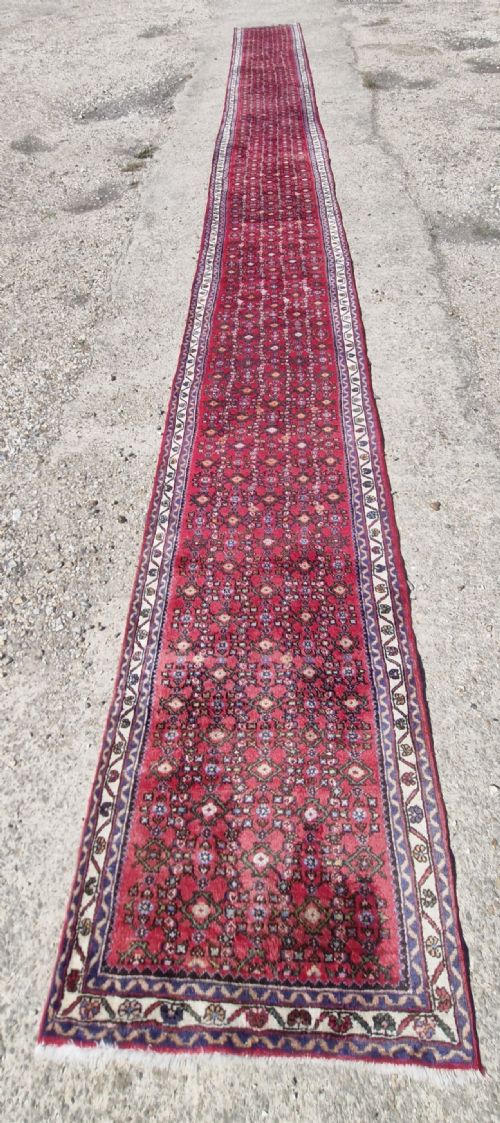
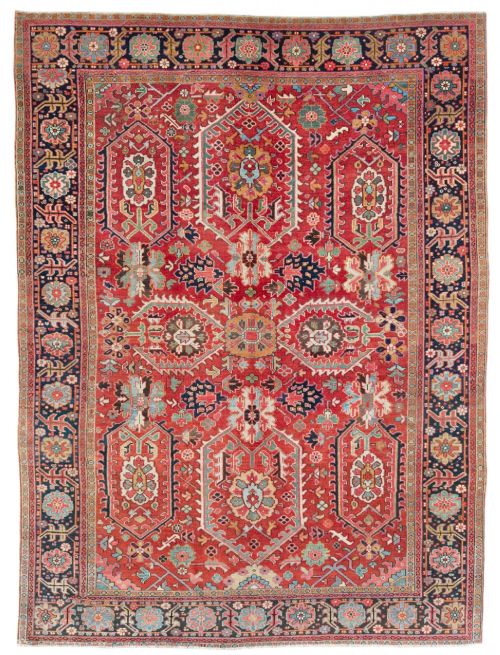
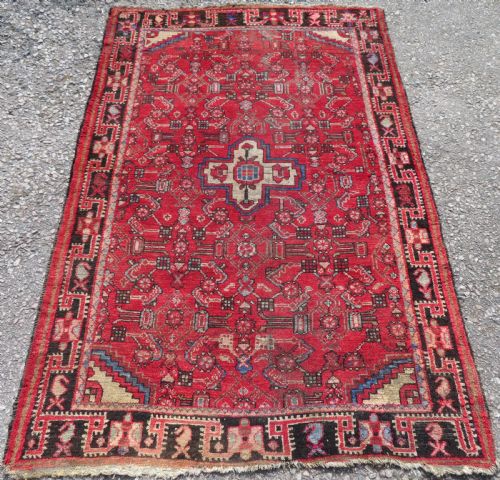
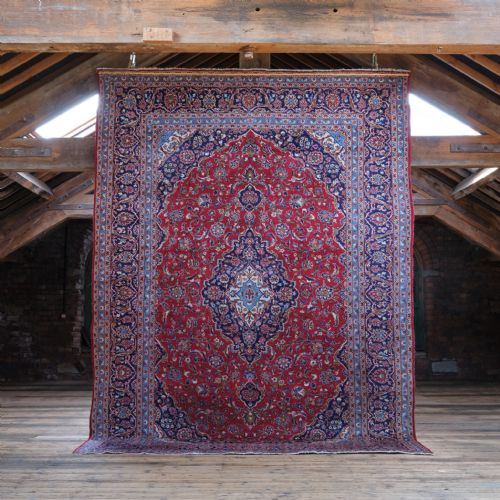
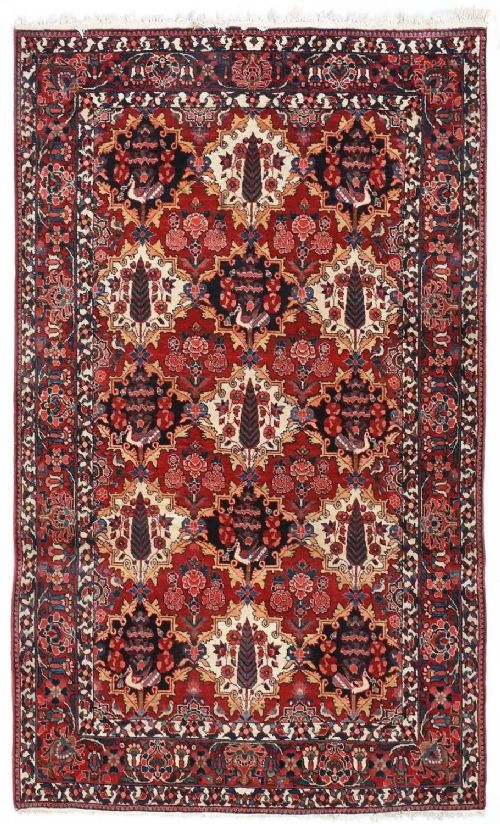
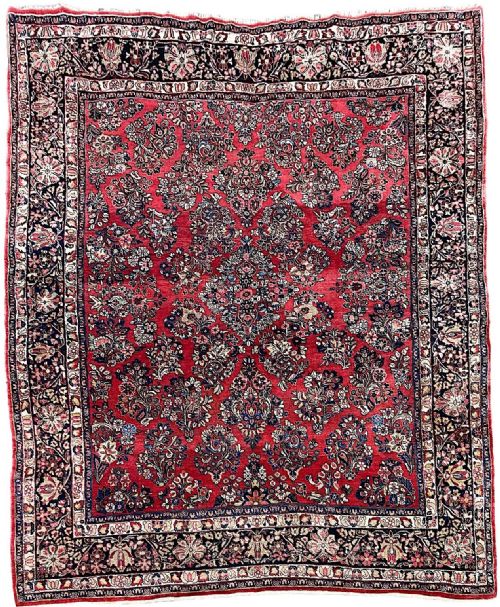
Crimson Wool Persian Carpet
A crimson wool persian carpet brings rich warmth and deep history into a room through intricate hand-knotted patterns.
Crimson Wool Persian Carpet
A crimson wool persian carpet embodies traditional weaving heritage originating from various weaving centres and villages across Persia. These floor coverings span distinct periods from the nineteenth century through the mid twentieth century, encompassing room-sized carpets, smaller rugs, and long runners.
Buyers searching for this style encounter regional variations including Heriz, Kashan, Hamadan, and Bidjar pieces. Village works often display geometric motifs, whilst city productions tend towards refined floral medallions and detailed field designs.
Materials and construction
Makers utilised wool, hand-spun wool, cotton foundations, and occasionally silk highlights to build dense pile structures. Natural dyes provide the characteristic red and crimson tones that age gracefully across decades of use.
Weavers tied individual knots by hand onto cotton or wool warp and weft threads. This traditional hand-knotted technique ensures enduring structural integrity across centuries of foot traffic.
Nomadic weavers sometimes tucked tiny accidental stray knots into geometric borders, leaving a personal signature in the wool.
Assessing quality and execution
Knot density and precision of execution dictate the refinement of the design work, separating village pieces from finer city workshops. Finer knotting allows intricate curves in floral motifs to resolve with greater clarity.
The choice of natural dye materials determines how rich and deep the crimson field appears in varying light. Even wear and consistent pile height across the expanse indicate careful preservation.
The Crimson Wool Persian Carpet Glossary
- Warp
- The vertical threads stretched on the loom that form the foundational skeleton of the carpet. Fringe ends typically display these secured threads.
- Weft
- The horizontal threads passed between warp strings to lock the rows of knots firmly in place. Proper tension here maintains the flat shape of the rug.
- Pile
- The upright cut wool or silk fibres that compose the soft surface of the carpet. Pile height decreases over time through natural friction.
- Medallion
- The central ornamental design motif placed in the middle of the carpet field. Many Persian village and city rugs centre their composition around this focal point.
- Natural Dyes
- Colourants derived from plants, insects, and minerals rather than synthetic compounds. These dyes yield nuanced tones that develop a rich patina with age.
Crimson Wool Persian Carpet: Frequently Asked Questions
How do I clean a antique carpet?
Gentle surface brushing and professional specialist washing preserve the delicate wool fibres and natural dyes. Avoid harsh chemical treatments that strip moisture from the pile.
Regular rotation distributes foot traffic evenly across the surface of the rug. Keeping the piece away from direct continuous sunlight protects the crimson shades from fading.
Where were these rugs made?
Weavers produced these textiles in diverse workshops, towns, and nomadic tribal regions across Persia. Specific areas like Heriz, Kashan, and Hamadan established distinct local design traditions.
Village weavers often worked from memory using geometric patterns, while city ateliers followed precise drawn cartoons for elaborate floral compositions.
How do I date a carpet?
Structural analysis of the foundation materials, knot types, and dye palettes provides reliable clues to the decade of production. Stylistic shifts between nineteenth century aesthetics and later twentieth century trends also help narrow the timeframe.
Wear patterns and the specific characteristics of regional wool spinning indicate the age of the textile. Comparing the piece with documented examples from similar workshops confirms the period.
Are these carpets suitable for heavy traffic?
Dense wool construction and sturdy cotton foundations allow many of these traditional pieces to withstand daily use in hallways and living rooms. Selecting thicker pile versions provides extra resilience against wear.
Using a quality underlay prevents slipping and cushions the foundation fibres from hard subfloors. Regular care ensures the rug remains sturdy for daily domestic life.