
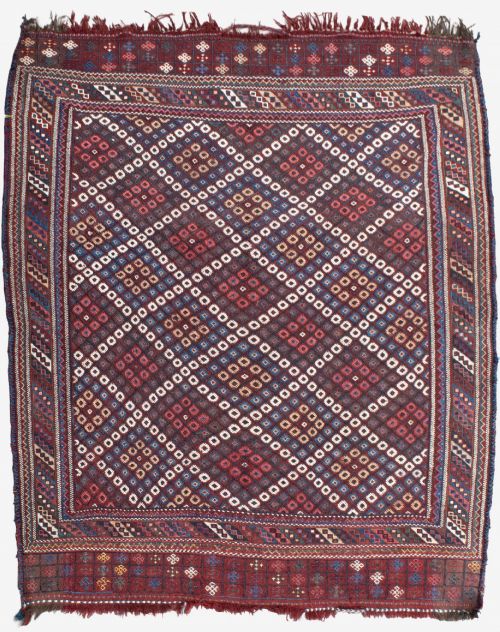
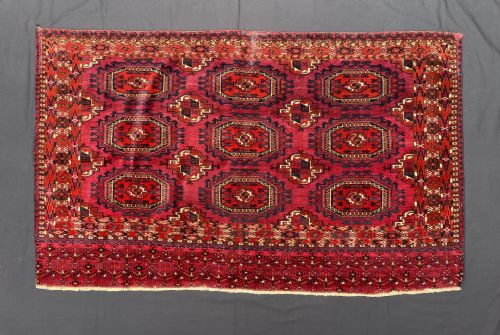


Crimson Tribal Area Rug
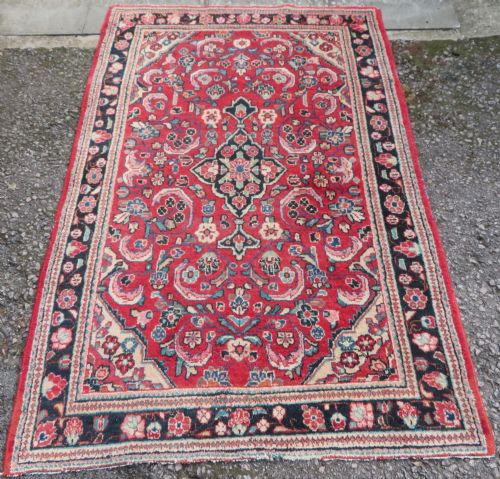
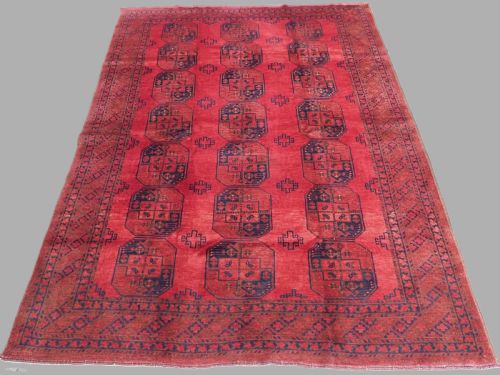
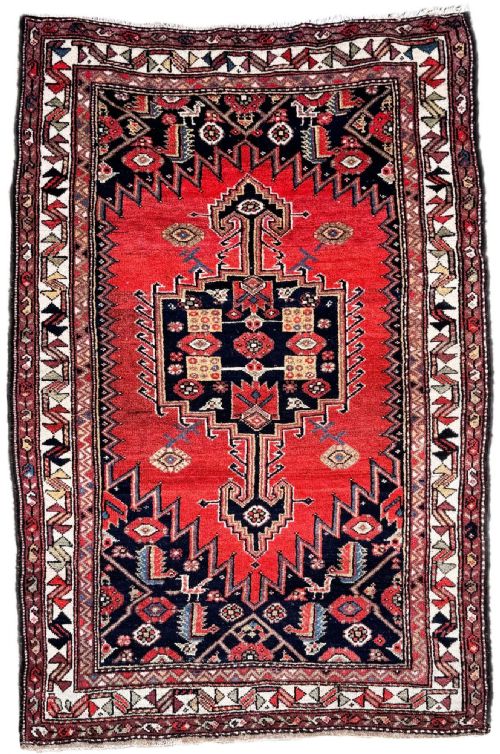
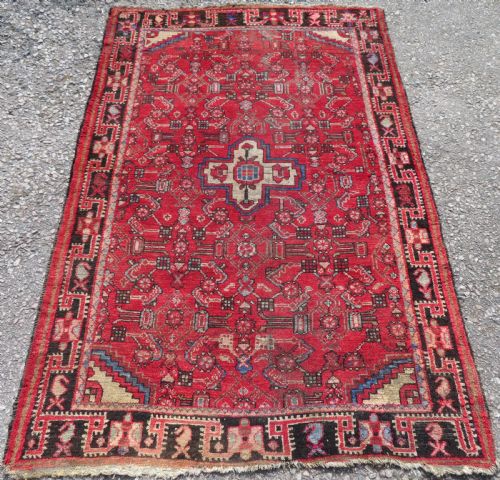
These crimson tribal area rugs bring rich village and nomadic heritage into a room through deep reds and geometric patterns.
Crimson Tribal Area Rug
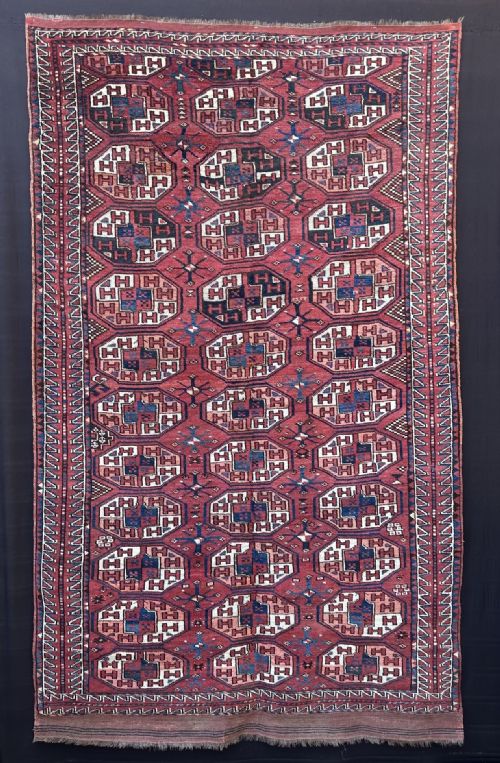
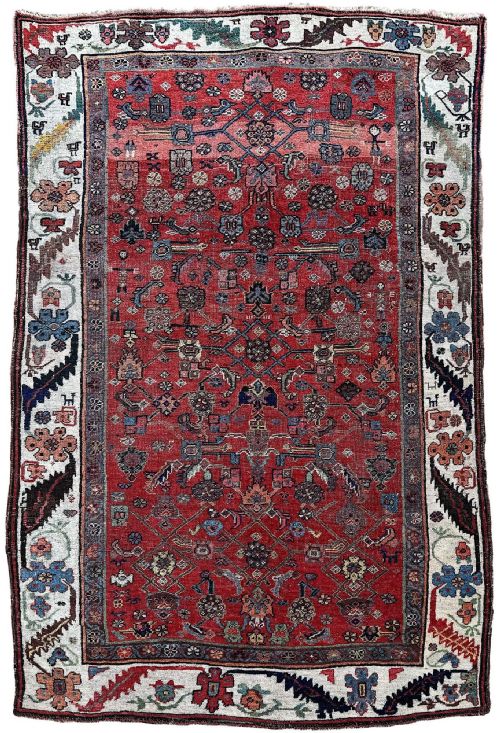
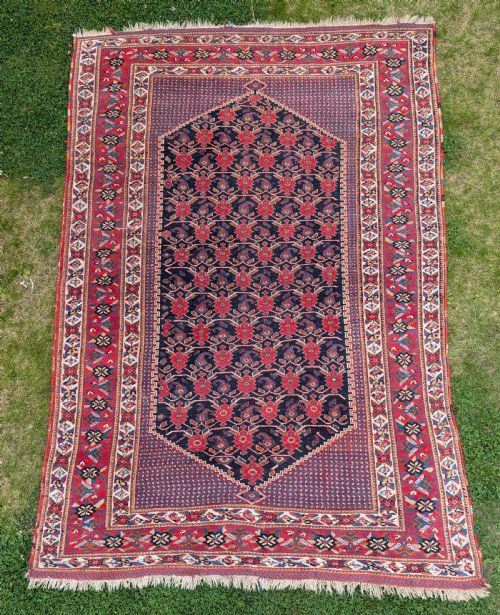
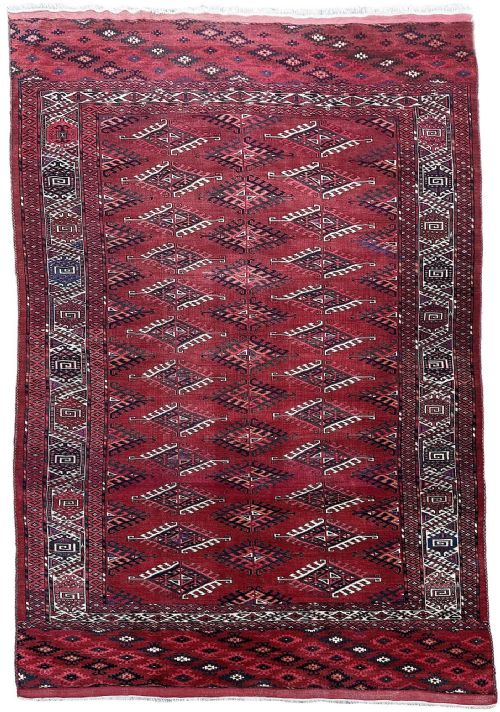
A crimson tribal area rug is a hand-woven floor covering originating from village and nomadic weavers across Persia, Central Asia, and the Caucasus. These pieces include carpets, prayer rugs, chuvals, and saddle bag faces created by distinct groups such as the Turkmen, Afshar, Baluch, and Luri tribes.
The selections span from the nineteenth century through the early twentieth century, encompassing works from periods like 1870, 1900, and 1930. Buyers encounter village productions from Hamadan, Bidjar, and Malayer alongside nomadic tribal weaves featuring traditional gul motifs and geometric field designs.
Most items on this page utilise wool construction, often hand-spun, combined with cotton foundations and occasional silk highlights. These textiles served functional roles in nomadic tents and village homes before entering the antique market as decorative floor coverings.
How they were made
Weavers constructed these rugs using wool for both the pile and the foundation, occasionally incorporating cotton for warp and weft threads and silk for specific details. Hand-spun wool provides the structural integrity and dense pile characteristic of genuine tribal and village pieces.
Natural dyes produced the deep red and crimson tones seen across these carpets, derived from local plant and insect sources. Skilled artisans knotted the wool by hand onto vertical or horizontal looms, applying time-honoured tribal patterns passed down through generations.
Several pieces preserve the energetic geometry of weavers who worked entirely from memory in nomadic tents.
What varies in quality
Quality rests in the density of the knotting, the precision of the tribal geometry, and the depth of the natural dyes used in the pile. Tighter weaves and finer hand-spun wool create greater durability and sharper definition in traditional motifs like guls and mina khani designs.
The integrity of the original edges, the retention of natural dye saturation, and the overall balance of the composition separate standard village utility pieces from finer tribal masterworks.
The Crimson Tribal Area Rug Glossary
- Gul
- A repeating octagonal medallion motif frequently found in Turkmen and Central Asian tribal carpets. These motifs often identify the specific tribe or sub-tribe that wove the textile.
- Chuval
- A large storage bag face produced by nomadic tribes such as the Teke and Saryk. They feature characteristic tribal gull designs and were traditionally used inside yurts for household storage.
- Sofreh
- A flat-woven or piled spread used for sharing meals or preparing bread in nomadic and village households. These textiles display utilitarian tribal symbols and geometric fields.
- Warp
- The stationary vertical threads stretched onto a loom before weaving begins. In antique rugs, wool or cotton warp threads form the structural foundation visible at the fringed ends.
- Weft
- The horizontal threads passed back and forth across the warp threads to secure each row of knots. Weft tension influences the handle and suppleness of the finished rug.
Crimson Tribal Area Rug: Frequently Asked Questions
What is a tribal rug?
A tribal rug is a hand-knotted textile created by nomadic or village weavers rather than urban workshops. These pieces reflect regional traditions through geometric patterns and locally sourced materials.
Weavers utilised symbols and colour palettes unique to their specific group, such as Turkmen or Afshar tribes, resulting in authentic, highly individual floor coverings.
How do I care for an antique rug?
Antique rugs require gentle maintenance, beginning with regular, careful vacuuming without a rotating power brush. Professional cleaning by specialists in antique textiles preserves the natural wool pile.
Keeping the rug out of direct sunlight prevents natural dyes from fading over time. Using a quality underlay protects the wool foundation from friction against hard floors.
Are natural dyes easy to spot?
Natural dyes display subtle variations in tone, known as abrash, where colour shifts slightly across the field of the rug. These variations occur because traditional dyebaths absorbed unevenly into hand-spun wool.
Synthetic dyes introduced later often appear completely uniform and lack the deep, luminous quality of earlier organic colourants.