

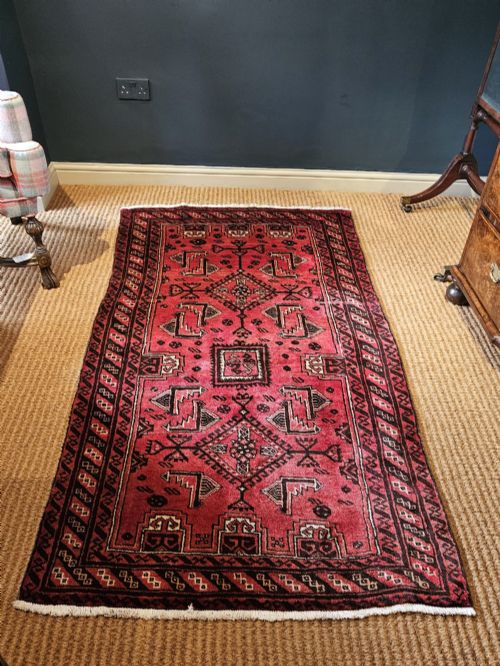
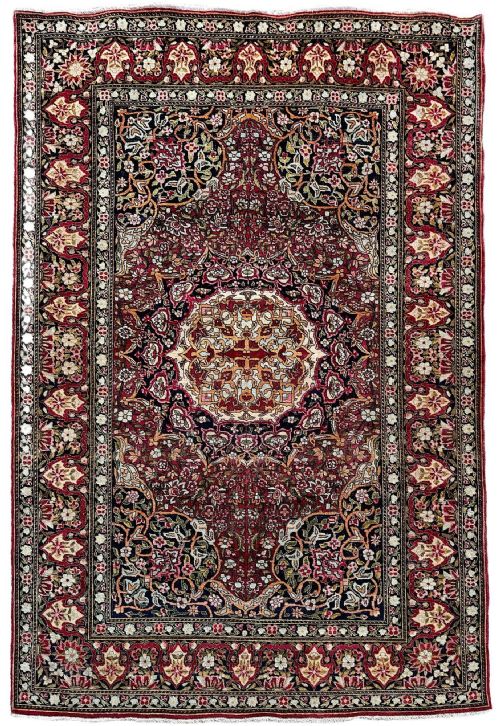
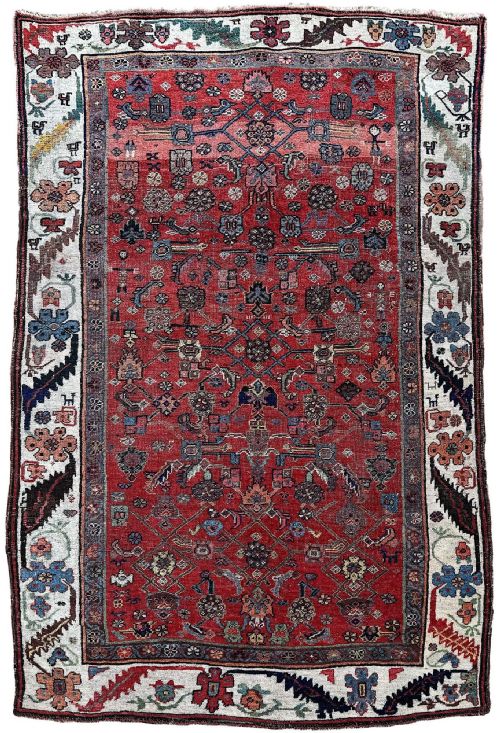
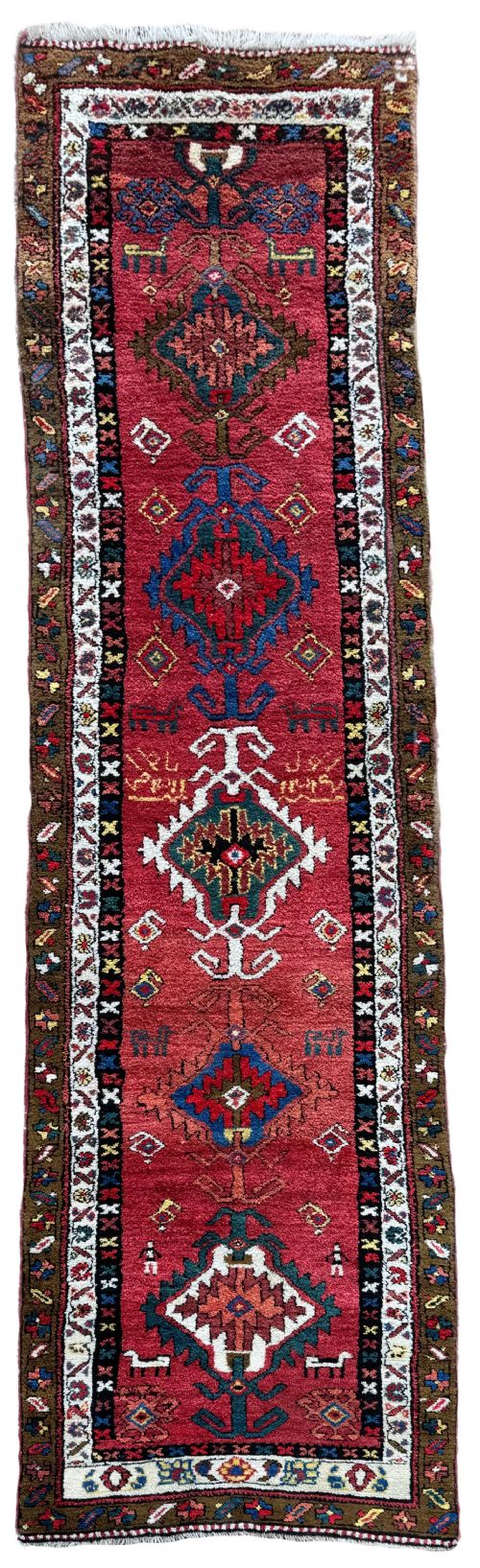
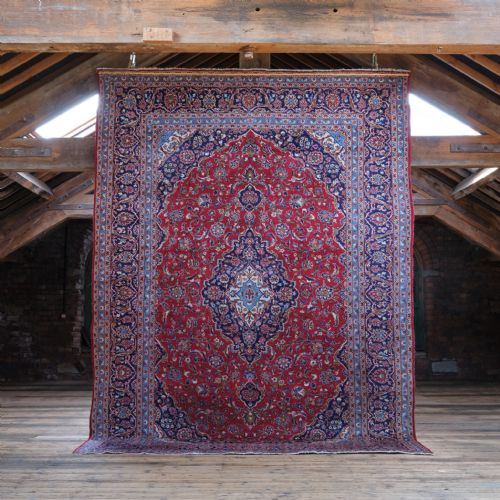
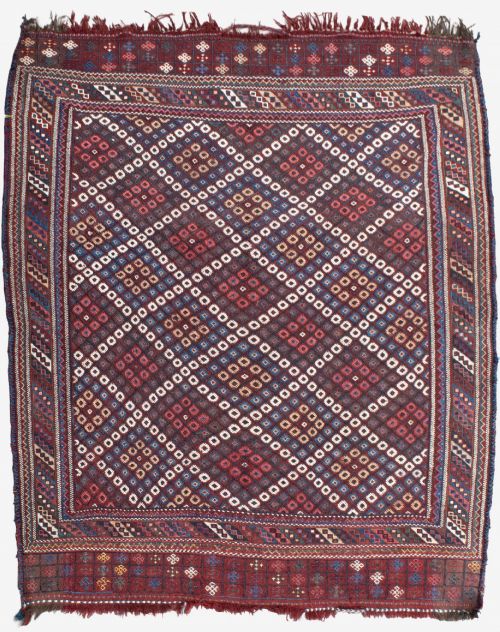
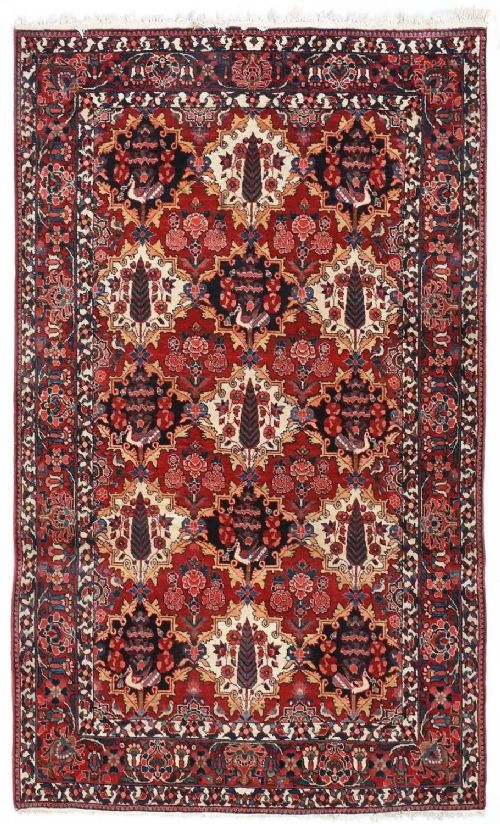
Crimson Persian Rug
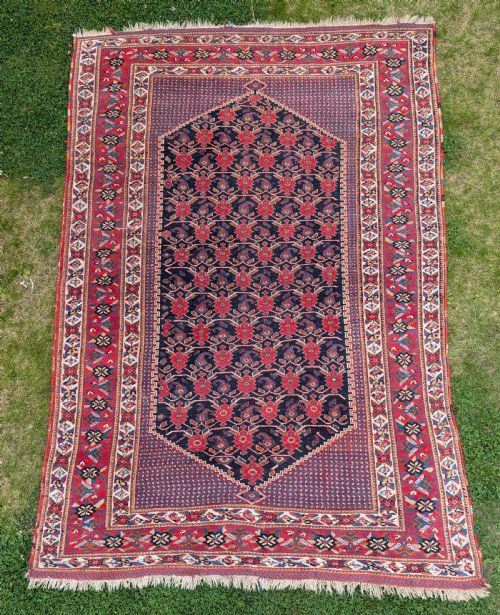
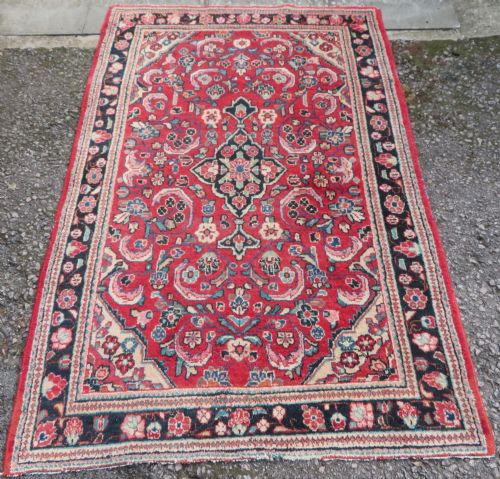
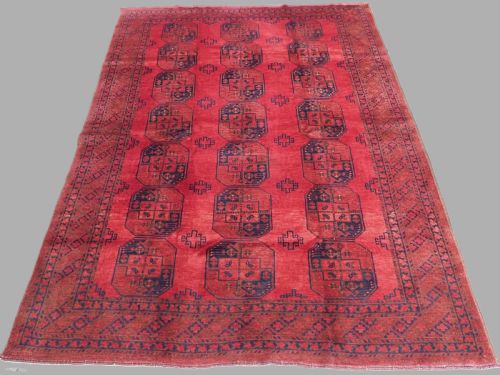
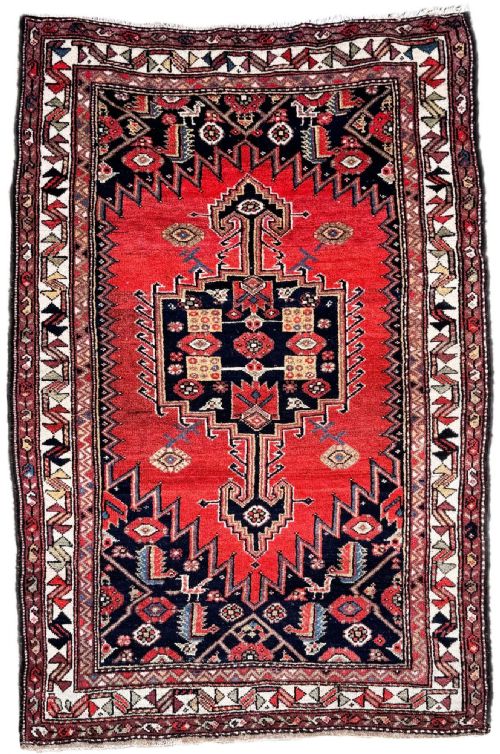
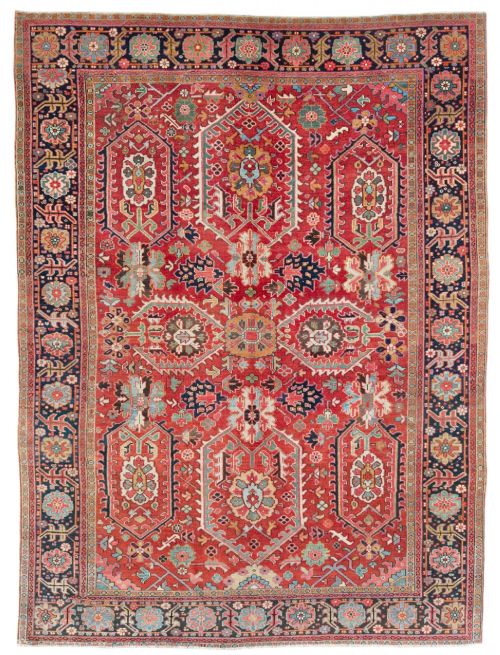
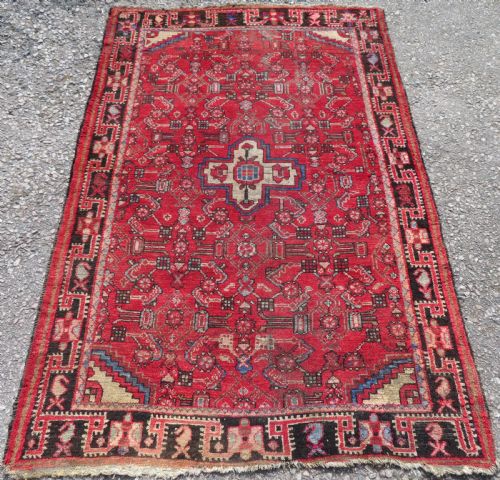
When buying a crimson persian rug, you select a hand-knotted textile defined by rich red tones and traditional regional patterns.
Crimson Persian Rug
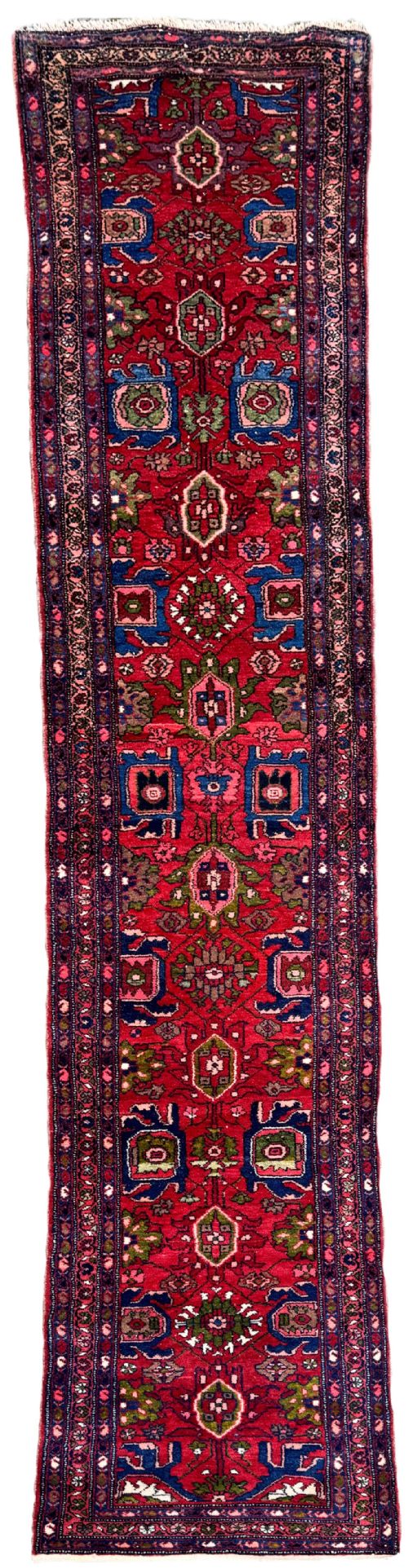
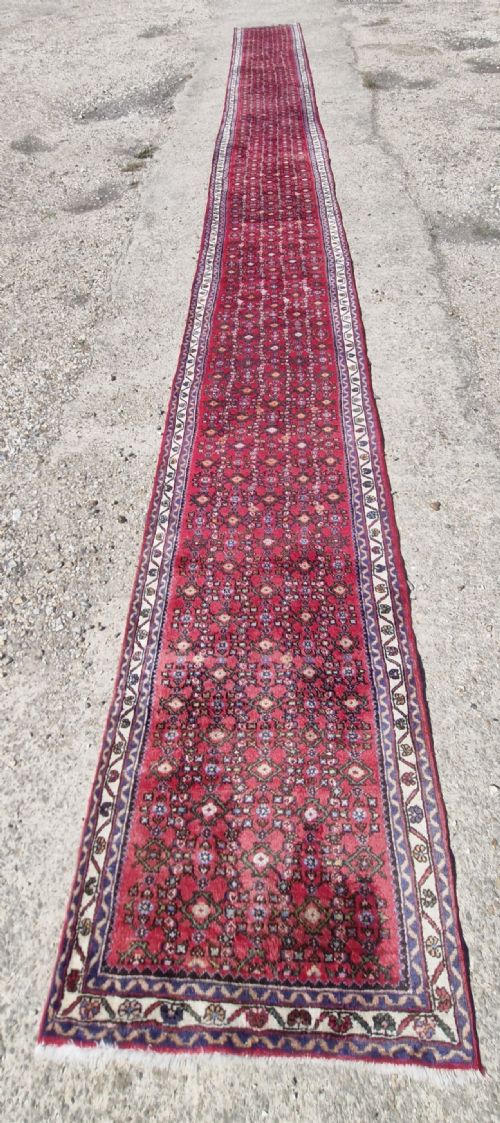
A crimson persian rug spans village, town and nomad workshops across Persia, dating from the nineteenth century into the mid-twentieth century. The selection includes full room-size carpets, long hall runners, area rugs and smaller village formats like Baluch and Afshar pieces.
Village and tribal examples such as Hamadan, Heriz and Bidjar sit alongside fine city weaves from Kashan, Isfahan and Kirman. Buyers encounter named regional styles reflecting distinct weaving traditions, from geometric tribal layouts to intricate floral medallions.
How they were made
Weavers constructed these carpets using hand-knotted techniques on cotton or wool foundations. Pile yarns consist of wool, hand-spun wool, pure wool and occasionally silk, paired with natural dyes that produce deep crimson and red colourways.
Nomadic and village workshops utilised locally sourced fleeces and traditional upright looms. Individual knotting created dense, resilient pile structures designed to withstand decades of heavy use in domestic interiors.
Crimson Persian Rug Retail Price Guide 2026
Typical asking prices for crimson persian rug among the pieces listed under this phrase on Sellingantiques today, from the lower quarter to the upper quarter. They describe what is for sale here now, not the wider market.
Early weaving materials occasionally trapped curious tiny fragments of desert sand deep within the knot foundation.
What varies in quality
Knot density and structural precision determine the tier of a piece, with finer city rugs showing higher complexity in curvilinear floral motifs. Village and tribal pieces gain character from bolder geometry and variations in natural dye saturation.
The integrity of the foundation threads and the uniformity of the wool pile separate standard utility weaves from master workshop examples. Edge binding, pile retention and the crispness of the design outline dictate overall standing.
The Crimson Persian Rug Glossary
- Pile
- The upright yarn surface of a rug formed by knotted fibres. This layer takes the daily wear and displays the colour patterns.
- Medallion
- A central ornamental design motif placed in the middle of the field. Many traditional carpets centre their composition around this focal element.
- Natural Dyes
- Colourants derived from plant, insect or mineral sources. These substances yield the characteristic depth and subtle shading found in older wool textiles.
- Warp
- The vertical foundation threads stretched lengthwise on the loom. Weft threads pass horizontally through them to secure the knots.
- Runner
- A long, narrow carpet format designed for corridors, halls or stairways. These pieces measure significantly longer than their width.
Crimson Persian Rug: Frequently Asked Questions
How do I clean an antique rug?
Gentle surface brushing and professional specialist washing preserve the natural wool fibres and dye stability.
Avoid chemical detergents and mechanical scrubbing to protect the antique foundation.
Can I place these rugs in high traffic areas?
Dense wool construction and sturdy cotton foundations allow many traditional village and town carpets to endure hallway and living room placement.
Using a quality underlay prevents slipping and cushions the pile against floor friction.
How do I identify different regional styles?
Study the geometry, medallion structures, and border motifs characteristic of specific weaving centres like Heriz, Kashan, or Hamadan.
Palette choices and knotting density further distinguish tribal output from urban workshop production.
What is the difference between a rug and a carpet?
Carpets traditionally refer to larger floor coverings sized for rooms, while rugs encompass smaller area pieces, runners, and mats.
Both terms describe hand-knotted pile textiles originating from similar regional traditions.