

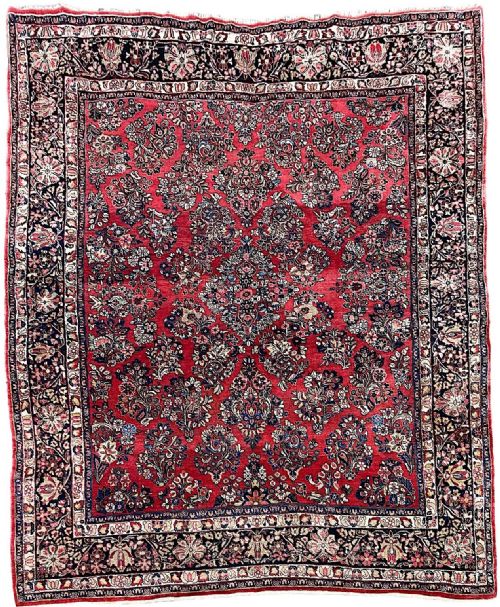


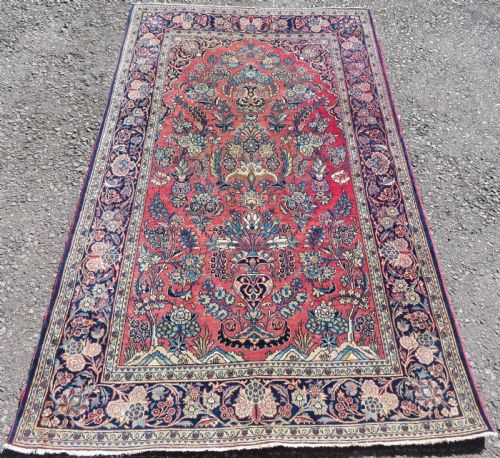


Crimson Floral Carpet
A crimson floral carpet brings warmth and traditional pattern to a room, drawing on decades of Persian and international weaving traditions.
Crimson Floral Carpet
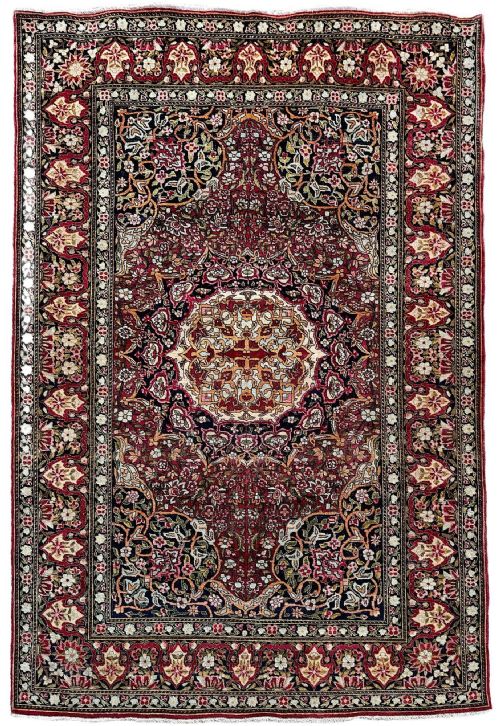
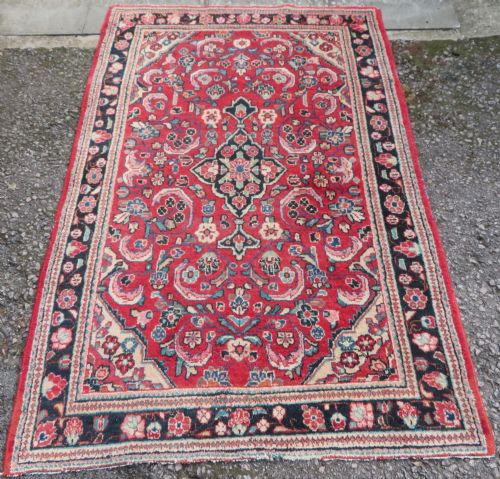
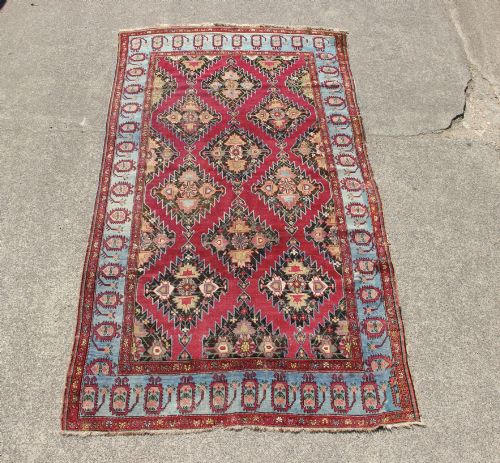
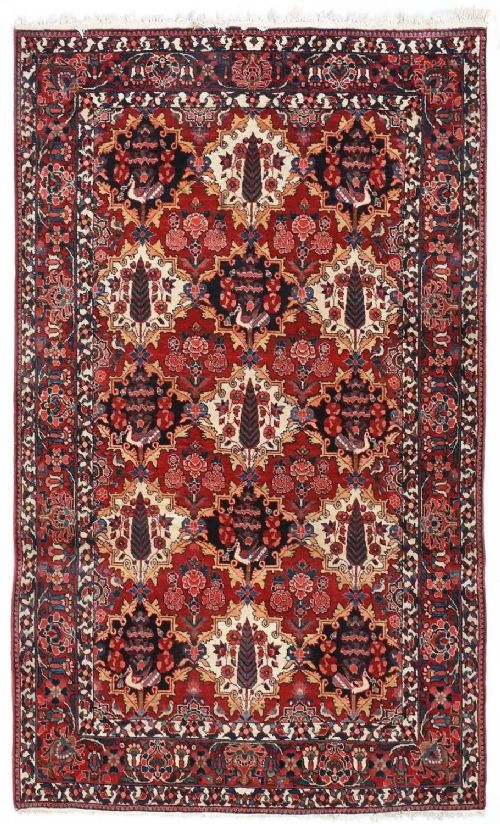
A crimson floral carpet combines rich red ground tones with intricate botanical motifs, originating largely from traditional Persian workshops as well as regional centres in India, Turkey, and Europe. Buyers seeking a crimson floral carpet will encounter pieces spanning from the late eighteenth century through to the early decades of the twentieth century. These floor coverings take various forms, including room-sized carpets, smaller area rugs, prayer rugs, and long runners.
The selection on this page demonstrates significant geographical range, encompassing specific origins such as Kashan, Isfahan, Kirman, Mahal, and Bakhtiari, alongside broader styles like Caucasian and Anatolian. Dating evidence points predominantly to the late nineteenth and early twentieth centuries, with occasional examples extending back to the eighteenth century. Format types range from standard rectangular rugs to fragments and oversized room carpets.
Within these categories, buyers find distinct variations in scale, from intimate hearth rugs to grand carpets measuring several metres in length. The recurring motif across these pieces is the floral design set against crimson fields, executed by diverse regional makers. This grouping represents a cross-section of antique woven textiles collected for their traditional craftsmanship.
Materials and construction methods
The construction of these textiles relies primarily on natural fibres, with wool forming the predominant pile material utilised by weavers. Cotton frequently appears in the foundation structures, providing structural stability for the denser knots, whilst silk is employed in select finer examples to add subtle sheen.
Certain pieces incorporate angora wool, contributing a softer texture and distinct handle to the pile surface. Artisans tied these fibres by hand onto warp and weft foundations, creating durable surfaces designed to withstand generations of daily use.
One remarkably narrow runner stretches past seven metres in length, designed for corridors built in another era.
Determinants of quality
Quality in these textiles depends heavily on the density of the knotting and the precision with which the botanical motifs are executed across the field. Finer execution allows for crisper outlines in the floral patterns and greater nuance in the shading of the crimson dyes.
The choice of raw materials also influences the character of the piece, with purer wools and the occasional integration of silk yielding a superior handle and longevity. Furthermore, the balance of the composition, from central medallions to border proportions, distinguishes workshop standards.
The Crimson Floral Carpet Glossary
- Pile
- The surface of the carpet formed by the upward-facing ends of knotted yarn. This layer absorbs the wear of footsteps and defines the texture.
- Warp
- The vertical threads stretched tightly on the loom before weaving begins. Wefts are passed across these stationary threads to secure the knots.
- Medallion
- A central decorative ornament placed in the middle of the carpet field. It often anchors the surrounding floral layout.
- Prayer rug
- A small format textile featuring a mihrab or niche design at one end. Historically used for individual devotion.
- Runner
- A long, narrow carpet format designed for corridors, hallways, or staircases. These pieces often feature extended repeating border motifs.
Crimson Floral Carpet: Frequently Asked Questions
How do I clean an antique carpet?
Gentle surface vacuuming without a beater bar removes loose dirt from the wool pile. Professional specialist cleaning remains essential for deep maintenance.
Water and harsh detergents damage natural dyes and cotton foundations. Consult a textile conservator for any significant staining.
Can I place these rugs in bright rooms?
Direct sunlight causes natural dyes to fade over extended periods. Rotating the piece periodically helps distribute light exposure evenly.
Using window filters or blinds preserves the intensity of the crimson tones. Most surviving examples retain rich colour despite decades of light.
Where were these carpets originally woven?
Production centres include major Persian cities like Kashan, Isfahan, Kirman, and Tabriz. Other pieces originate from regional villages and broader areas including India, Turkey, and the Caucasus.
Each region developed distinct knotting densities and palette preferences. These geographic origins define the stylistic subgroup of each textile.
Are these pieces suitable for heavy foot traffic?
Wool and cotton construction provides natural durability for everyday domestic environments. Placing a quality underlay beneath the carpet reduces friction and wear.
Finer or older fragile examples benefit from placement in lower-traffic areas. Rugs with dense pile handle regular walking paths effectively.
How do I determine the age of a rug?
Structural analysis of the foundation materials, knot types, and selvage finishes indicates the likely period of manufacture. Natural dye palettes also offer clues regarding production eras.
Stylistic conventions from specific decades provide comparative reference points. Documentation from historical trade patterns further assists dating.