




Crested Silver Box
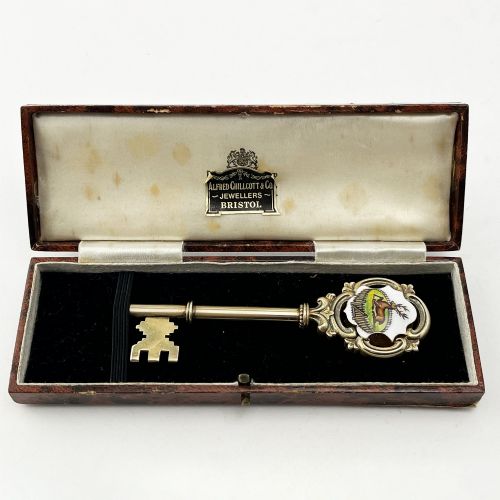
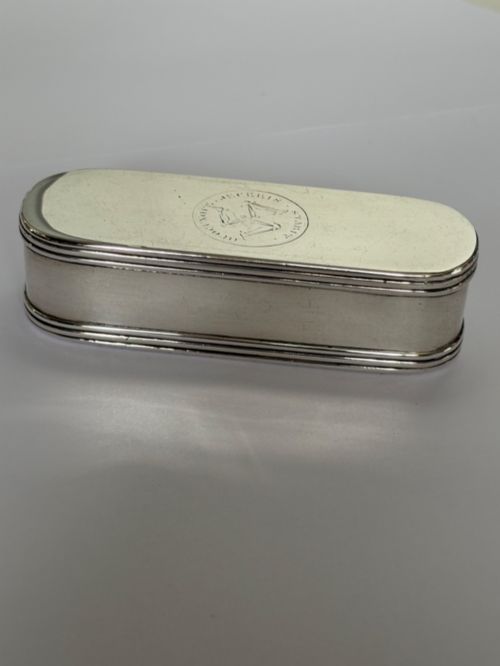
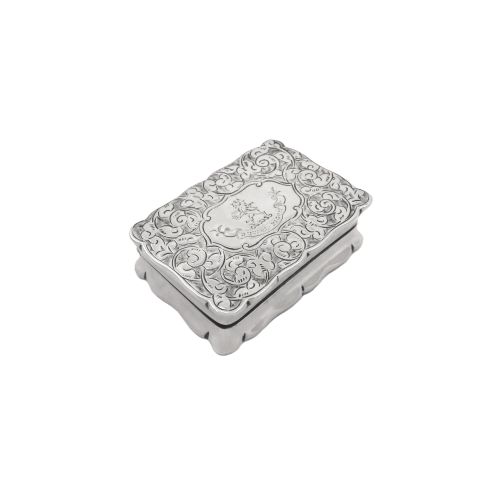
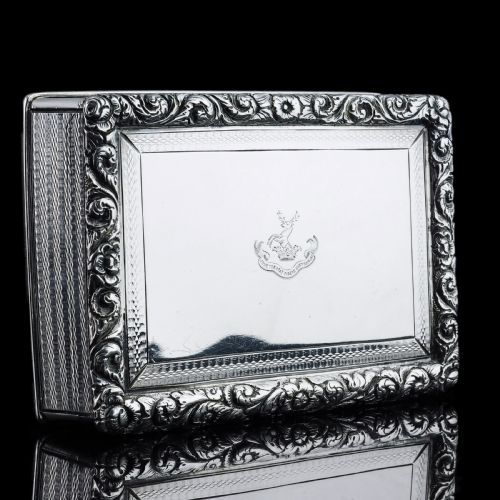
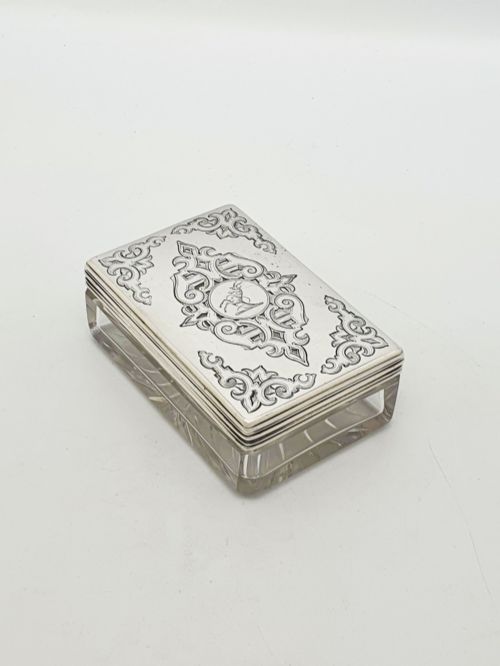
These crested silver box examples range from small eighteenth-century pocket pieces to larger Victorian travel containers bearing heraldic crests and coats of arms.
Crested Silver Box
A crested silver box is a container designed for tobacco, snuff, trinkets, or documents, personalized with an engraved, chased, or enamelled family crest. Buyers searching for a crested silver box encounter items spanning the Georgian, Victorian, and Edwardian periods, alongside nineteenth-century continental pieces.
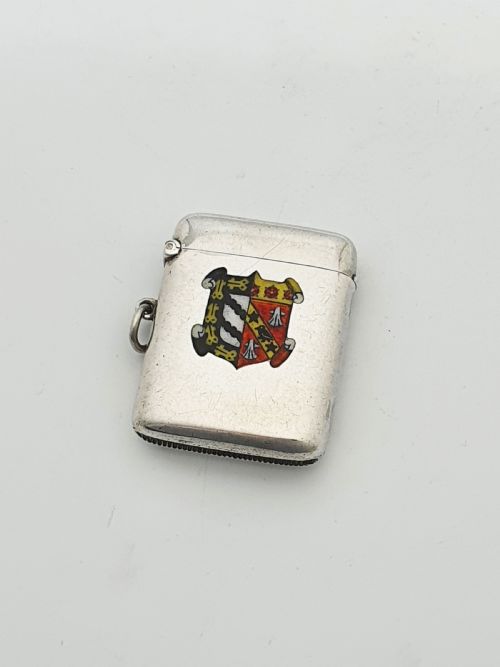
The assortment on this page leans heavily toward small pocket containers like snuff boxes and vesta cases, alongside larger desk and dressing table vessels. These objects combine utility with heraldic identity, often marking family alliances or military achievements through specific mottoes and armorial bearings.
Materials and construction
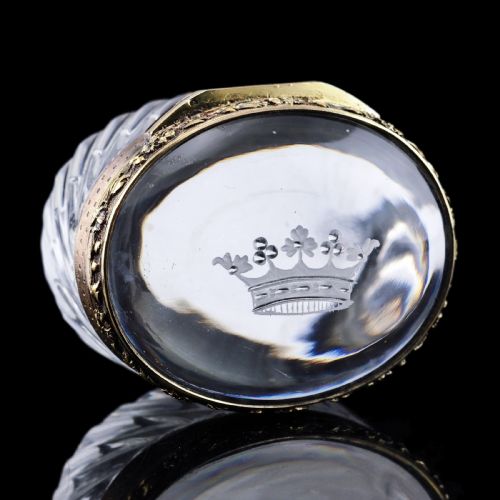
Silversmiths constructed these pieces primarily from solid sterling silver, occasionally applying silver gilt interiors or mounting them with cut glass and crystal. Enamel work frequently highlights the crests, adding colour and contrast to the metallic surfaces.
Techniques such as floral chasing, hand engraving, and casting form the basis of their decoration. Hinges, bezels, and lids require precise fitting to ensure tight closures, particularly on pocket containers intended for snuff or tobacco.
Object forms range from traditional snuff and tobacco containers to vesta cases, card cases, and dressing table sets.
Evaluating craftsmanship and provenance
Quality rests in the crispness of the heraldic engraving and the weight of the metal relative to the size of the container. Sharply defined crests and mottoes indicate a skilled hand, whereas worn or shallow engraving diminishes the armorial detail.
The integrity of the construction, including smooth hinge operation and secure lid closure, separates superior workshop output from standard production. Fully legible hallmarks and documented family provenance further elevate a piece.
Cornelius Bland·Joseph Willmore·Jane Brownett Alexander Jones·Reid and Summers·E Cornock·James Phipps I·John Hillery·William Simpson·Adie Brothers
The Crested Silver Box Glossary
- Crest
- The upper component of a full coat of arms, often displayed alone on personal silver. This heraldic device typically sits above a helmet or torse on the container.
- Snuff box
- A small lidded container made to hold powdered tobacco. These pieces usually feature curved profiles to fit comfortably inside a pocket.
- Vesta case
- A pocket container designed to hold matches, frequently fitted with a striking strip at the base. Many examples incorporate engraved or enamelled armorial decoration.
- Silver gilt
- Silver that has been coated with a thin layer of gold, often applied to the interior of boxes to prevent corrosion from tobacco or cosmetic contents.
- Hallmark
- A series of official marks stamped on precious metals indicating the standard of purity, the assay office, and the year of manufacture.
Crested Silver Box: Frequently Asked Questions
How do I identify the family crest?
Heraldic crests require research into armorial dictionaries to match the specific animal, symbol, or motto to a registered family line. Many pieces retain local or familial associations noted in their historical records.
Examining the accompanying motto and placement helps narrow down the geographic region and the era in which the family held those specific arms.
What were these boxes originally used for?
These containers served practical daily functions for storing dry goods like tobacco, snuff, or matches, as well as holding small valuables and personal documents. Pocket variants accompanied the user on journeys for convenience.
Larger stationary examples remained on dressing tables or desks to house trinkets, calling cards, or specialised grooming tools.
How should I clean silver with enamel?
Enamelled crests require gentle cleaning with a soft cloth and mild soapy water to avoid scratching the delicate glass paste. Standard silver dips must be kept away from coloured enamel sections.
Polishing pastes should only touch the sterling silver areas, using a cotton bud to prevent abrasive contact with the heraldic details.
Can I date a piece without a hallmark?
Stylistic clues such as the contour of the box, the depth of the chasing, and the typography of the engraved crest help establish a period. Manufacturing techniques also shift between the Georgian and Edwardian eras.
Comparative analysis with fully marked examples from known makers provides a reliable approximate date when official stamps are absent or rubbed.