

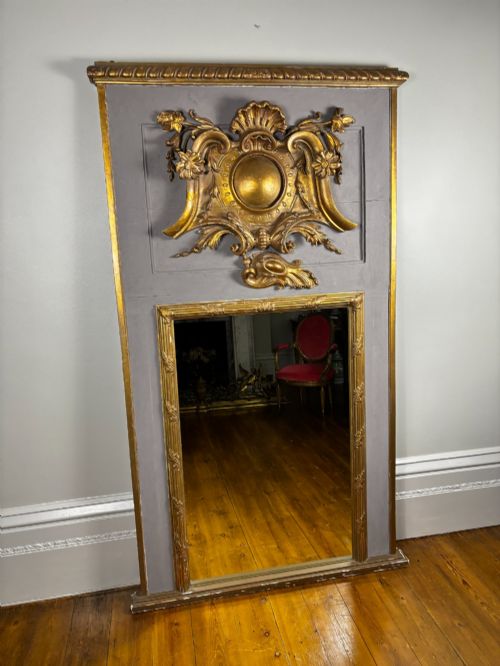
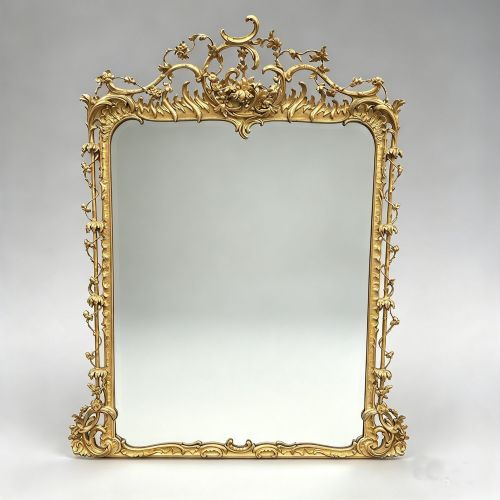
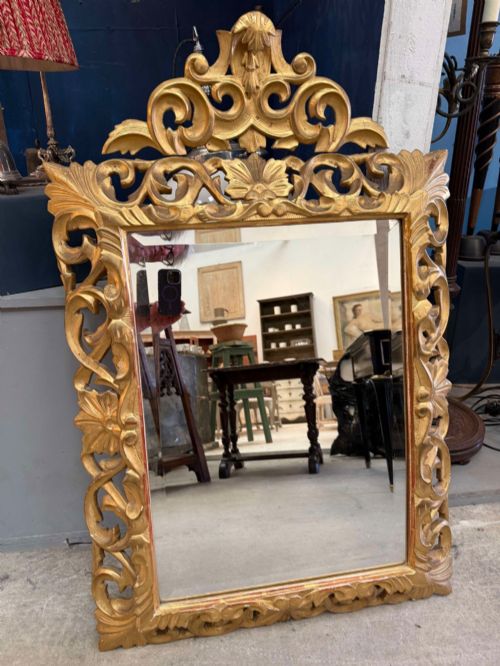
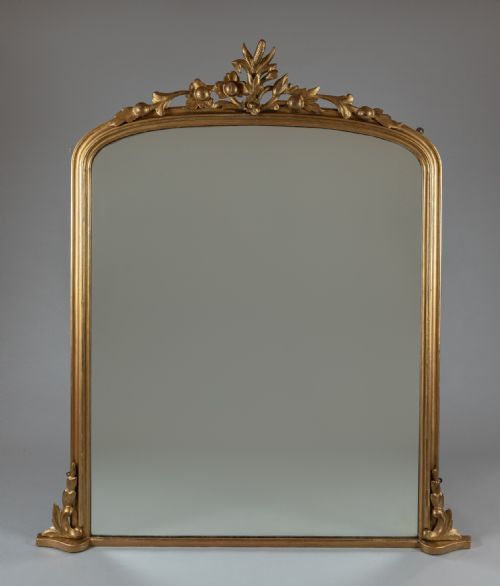
Crested Mantel Mirror
A crested mantel mirror brings architectural scale and reflective light to a room, anchoring the hearth with period presence.
Crested Mantel Mirror
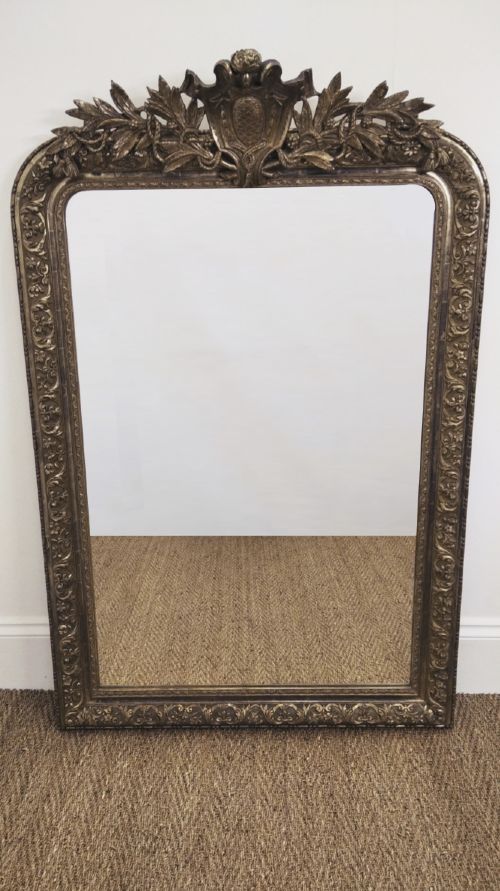
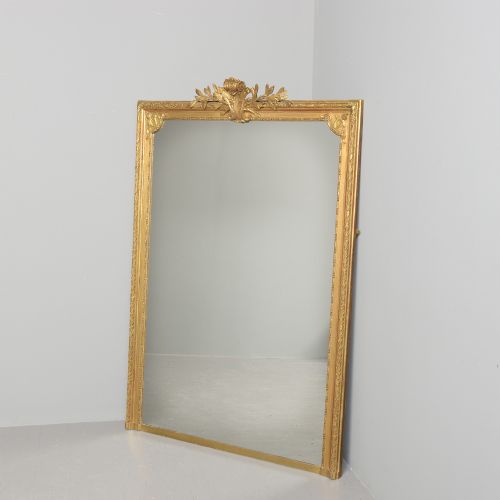
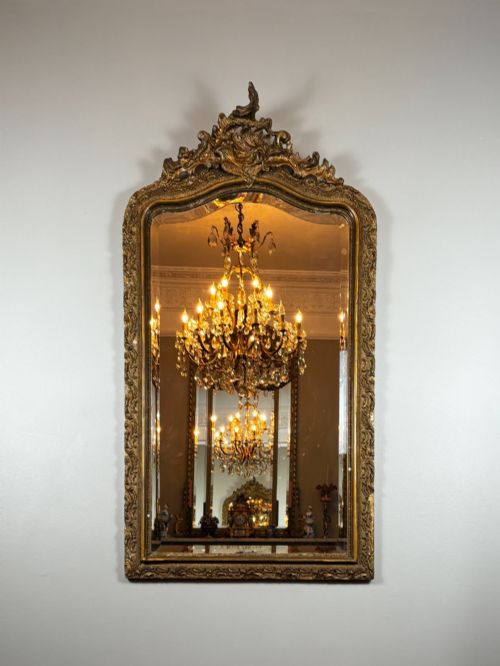
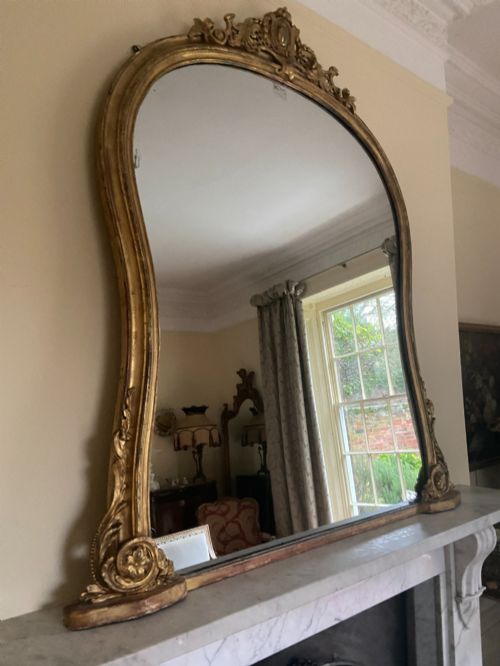
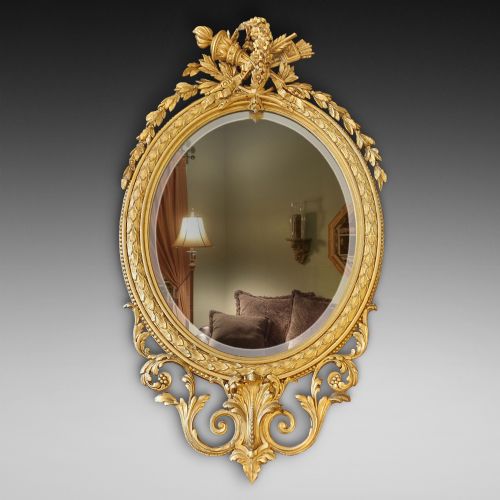
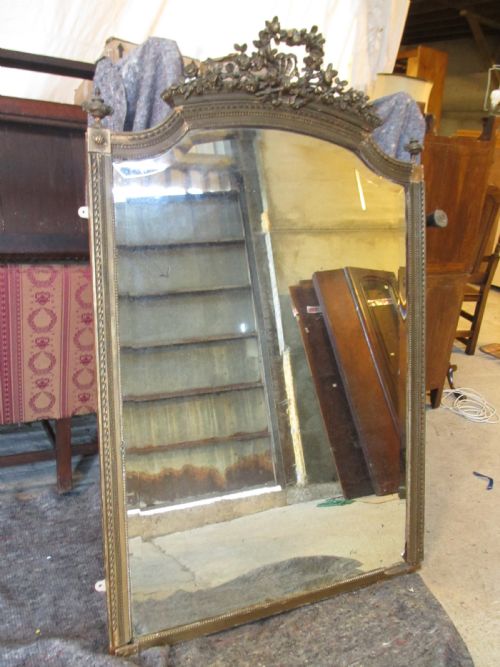
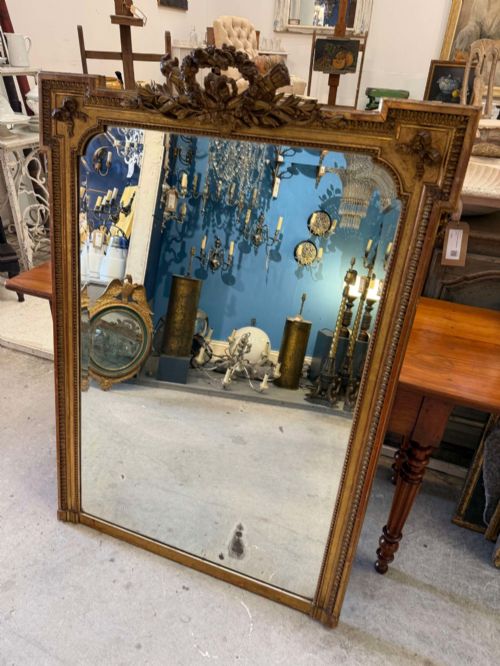
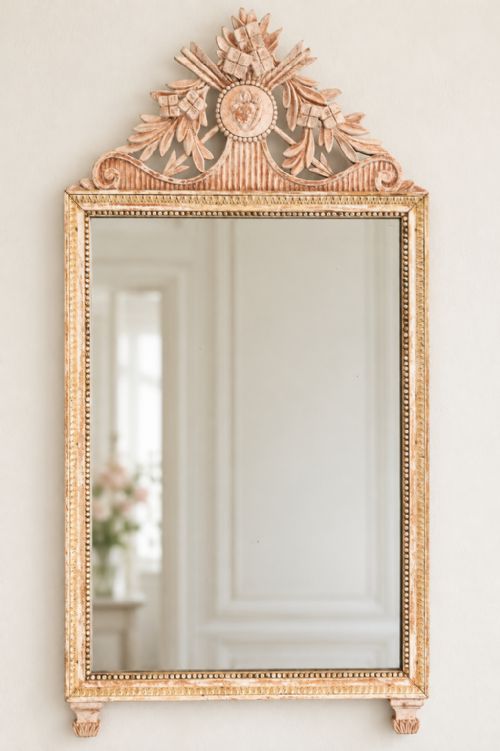
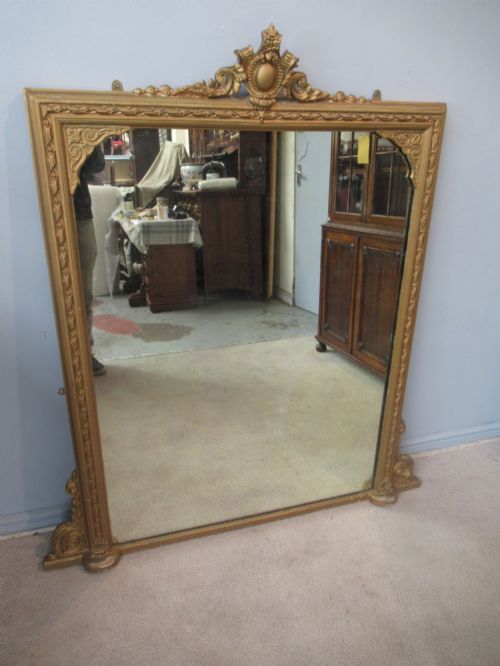
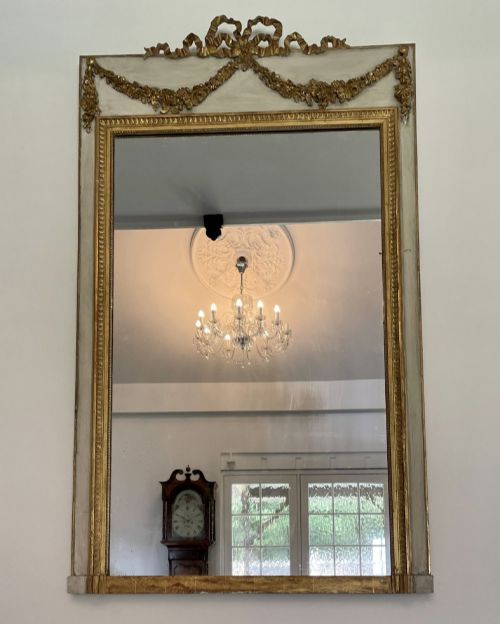
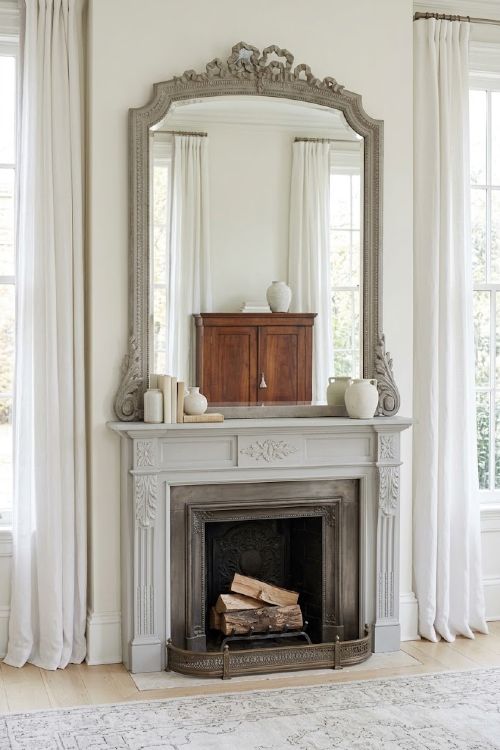
A crested mantel mirror typically takes the form of a large overmantel glass designed to sit directly above a fireplace, framed by significant woodwork and decorative cresting at the top. These pieces emerge predominantly from the nineteenth century, spanning Victorian English workshops and French chateau aesthetics.
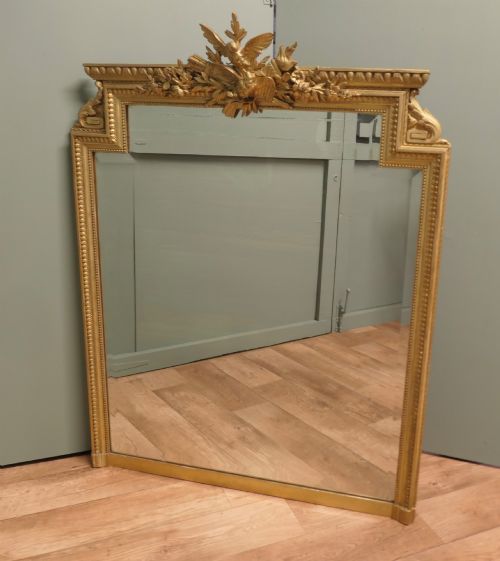
The silhouettes vary from simple archtop rectangles to elaborate waist and triptych formats featuring carved pediments, birds, cartouches, or ornate scrollwork. Buyers encounter both English giltwood and gesso designs and French Louis Philippe or Napoleon III styles in substantial proportions.
Materials and Construction
Makers constructed these frames from carved wood such as mahogany or walnut, frequently applying layers of gesso to build up intricate surface ornamentation before finishing with gold leaf or paint. Giltwood and gilded plaster require skilled hand-carving and careful application to achieve the reflective depth seen in period examples.
The reflective plates themselves often utilise older mercury glass or early silvered glass techniques, housed securely within robust wooden backs. Structural joinery supports the considerable weight of the glass and the decorative cresting above.
Crested Mantel Mirror Retail Price Guide 2026
Typical asking prices for crested mantel mirror among the pieces listed under this phrase on Sellingantiques today, from the lower quarter to the upper quarter. They describe what is for sale here now, not the wider market.
Several mirrors feature carved birds perched atop the cresting, watching over the room with stoic wooden grace.
Evaluating the Pieces
The distinction between tiers rests upon the crispness of the hand-carving in the cresting and the integrity of the original gilding or gesso work. High-end examples display deeply undercut wooden details and well-balanced proportions that command the mantelpiece without feeling heavy.
Originality defines the upper range, particularly the retention of early mirror plates and untouched surface finishes rather than later overpainting or replacement glass. The sophistication of the style, whether a restrained Louis Philippe sweep or a detailed Victorian Chippendale fretwork, guides the overall distinction.
The Crested Mantel Mirror Glossary
- Cresting
- The decorative upper portion of a mirror frame, often carved with birds, cartouches, or scrollwork. This element draws the eye upward and defines the architectural character of the piece.
- Gesso
- A plaster-like mixture applied to wood frames to create a smooth surface for gilding or painting. Artisans mould and carve this material to produce sharp relief ornamentation.
- Giltwood
- Timber covered with a thin layer of gold leaf. This finish provides a warm, reflective metallic sheen that catches natural light in a room.
- Mercury glass
- An early form of double-walled glass created by pouring a silvering mixture between glass panes. It produces a characteristic mottled, dark reflective quality unique to antique mirrors.
- Overmantel mirror
- A large mirror specifically proportioned to hang on the wall directly above a mantelpiece. These pieces often echo the width of the fireplace below.
Crested Mantel Mirror: Frequently Asked Questions
How do I hang a heavy mantel mirror?
These mirrors carry substantial weight from the wooden frames and glass plates, requiring secure attachment directly into wall studs or masonry.
Professional mirror hangers utilise heavy-duty steel brackets or French cleats rated for the specific load of the piece to ensure stability above a hearth.
What is mercury glass?
Mercury glass refers to silvered glass produced in the nineteenth century using a chemical process rather than actual liquid mercury. The backing develops a charming, uneven oxidation and dark speckling over time.
This aged appearance distinguishes antique plates from modern replacements and adds depth to the reflection.
How do I clean an antique mirror?
Cleaning requires a soft microfiber cloth and a gentle, ammonia-free glass cleaner sprayed onto the cloth rather than directly onto the glass. This prevents moisture from seeping behind the plate and damaging the silvering or the wooden rabbet.
Extra care is necessary around the edges of the plate and the delicate gesso or giltwood frame.
How do I date a crested mirror?
Dating relies on examining the construction techniques of the wooden frame, the style of the cresting, and the characteristics of the glass plate. Victorian and nineteenth-century French pieces often display distinct carving motifs and backboard assemblies.
Comparing the decorative vocabulary to known period styles helps narrow the decade of manufacture.